REVIEW · HUE VIETNAM
Hue: Home Vegan/Vegetarian Cooking Class with Local Girl
Book on GetYourGuide →Operated by Dich vu du lich lang que Cam Thanh · Bookable on GetYourGuide
Cooking in a Hue home feels personal. This home vegan/vegetarian cooking class with Rosa turns a normal dinner into a hands-on lesson in how Hue-style flavors get built—step by step—in a cozy, local kitchen.
I especially like two things: the small group size (up to 10) that makes it easier to ask questions, and the way you actually cook for your meal, not just watch. The downside is simple: if you’re expecting nonstop hands-on time or a deep, lecture-style explanation of Vietnamese cuisine in general, the flow may feel a bit light.
In This Review
- Key highlights I’d plan around
- Hue Vegan Home Cooking With Rosa: What You’re Really Buying
- Where You Meet and How to Not Waste Time Searching
- A Vietnamese Tea Welcome That Sets the Tone
- Ingredient Intro: The Small Lesson That Changes How You Cook
- Hands-On Cooking: How the Kitchen Time Actually Works
- The Traditional Meal: Two Dishes You Make, Five the Family Preps
- The Cultural Exchange Part You’ll Feel, Not Just Hear
- Price and Value: Is $34 Fair for Hue Home Cooking?
- Who This Class Is Best For (and Who Might Skip It)
- Practical Tips to Make the Most of Your 4 Hours
- Quick Notes on Age, Accessibility, and Comfort
- Should You Book This Hue Home Vegan Class?
- FAQ
- How long is the cooking class?
- How much does it cost?
- Where do I meet the host?
- What language will the cooking class be in?
- What’s included in the price?
- Are pickup and drop-off included?
- Is the group small?
- Are pets allowed?
- What’s the policy for children under 4?
- Is it wheelchair accessible?
Key highlights I’d plan around
- Vietnamese tea welcome before you start cooking
- English-speaking chef Rosa teaching ingredient choices and technique
- Hands-on work on 4 dishes, plus a sit-down meal featuring your food
- Traditional meal includes 7 local dishes total (5 host-prepared, 2 you prepare)
- Small group of up to 10, so the kitchen stays friendly and interactive
Hue Vegan Home Cooking With Rosa: What You’re Really Buying
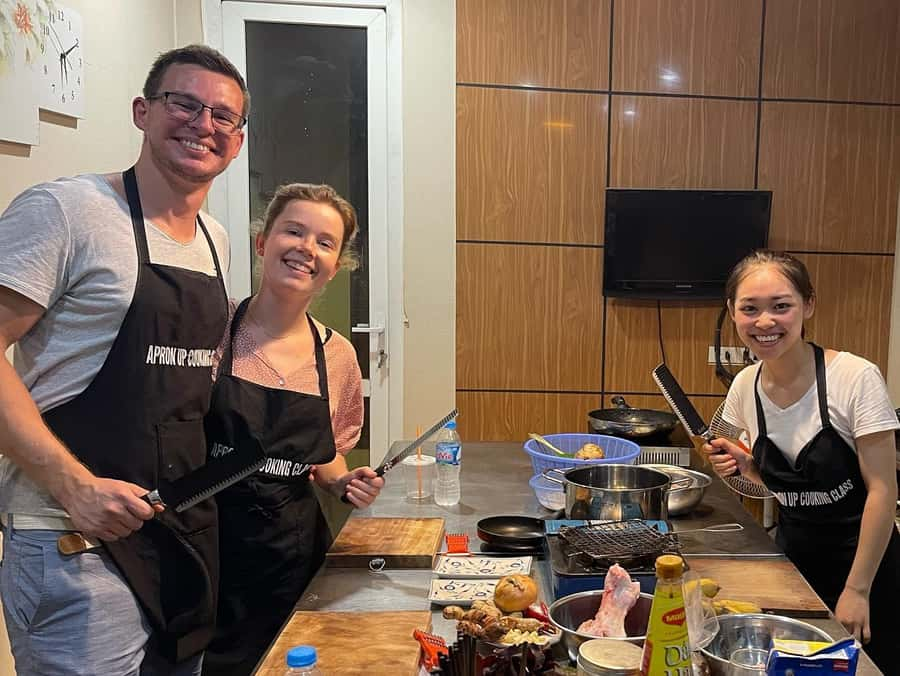
For $34 and about 4 hours, you’re not paying for a fancy restaurant meal. You’re paying for access—into a real Hue home kitchen—where cooking instructions are tied to food you’ll actually eat right after.
The best part is that the class is built around vegetarian dishes made with fresh ingredients and taught by an English-speaking local chef. That matters because vegetarian food in Vietnam is not just “no meat.” It often relies on balance—herbs, aromatics, textures, and sauces—so it stays satisfying. You’ll learn how those pieces fit together, which makes the experience useful even after you leave Hue.
You can also read our reviews of more tours and experiences in Hue Vietnam.
Where You Meet and How to Not Waste Time Searching
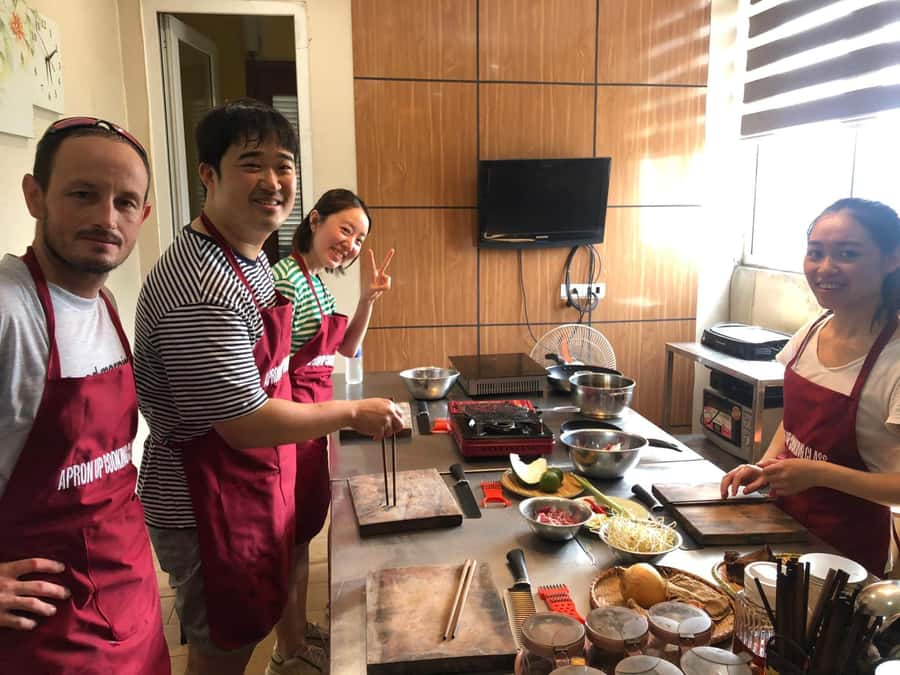
Your meeting point is W-Factory, Võ Văn Kiệt street, Thủy Xuân, Hue city. This kind of neighborhood meeting spot can be tricky in a car-heavy city, especially if you’re arriving on your own the first time. One practical takeaway: build a little buffer into your arrival time.
Also note: free pickup/drop-off isn’t included. I’d strongly consider getting a taxi or ride-hail early enough that you aren’t rushing at the last minute. If you’re staying in the center of Hue, it’s often easy to get there by short taxi hop—but having a plan beats guessing.
A Vietnamese Tea Welcome That Sets the Tone
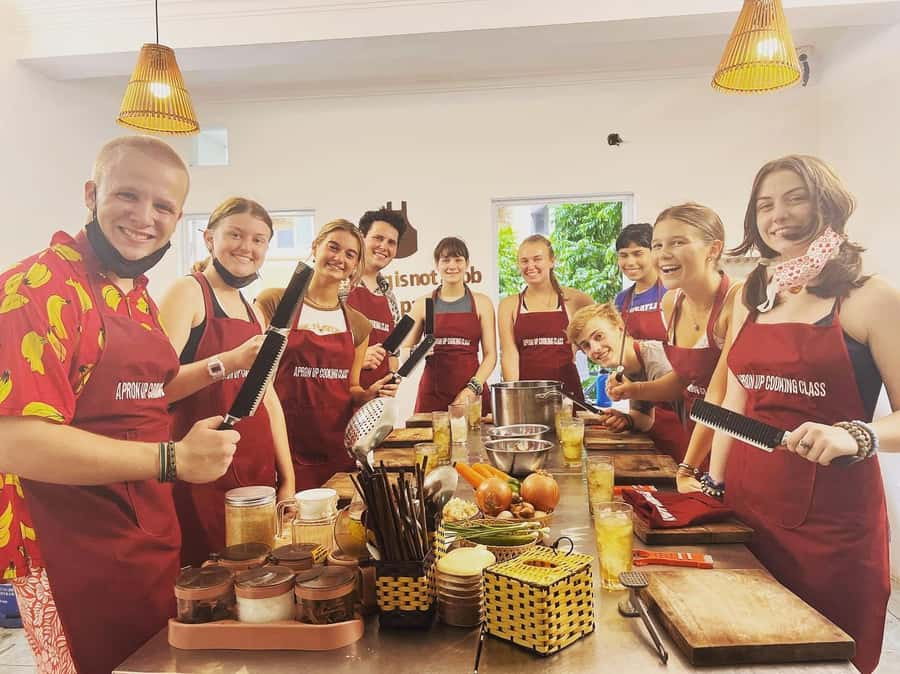
After you arrive, Local girl hosts you in her home. Before you touch ingredients, you get a welcoming drink—Vietnamese tea—which helps you settle in fast.
This small start matters more than it sounds. Home classes move at a human pace. Tea gives you a moment to adjust, meet your group, and ease into the cooking environment before anyone is chopping, stirring, and tasting. It also sets up that cozy, familiar vibe people talk about with this kind of class.
Ingredient Intro: The Small Lesson That Changes How You Cook
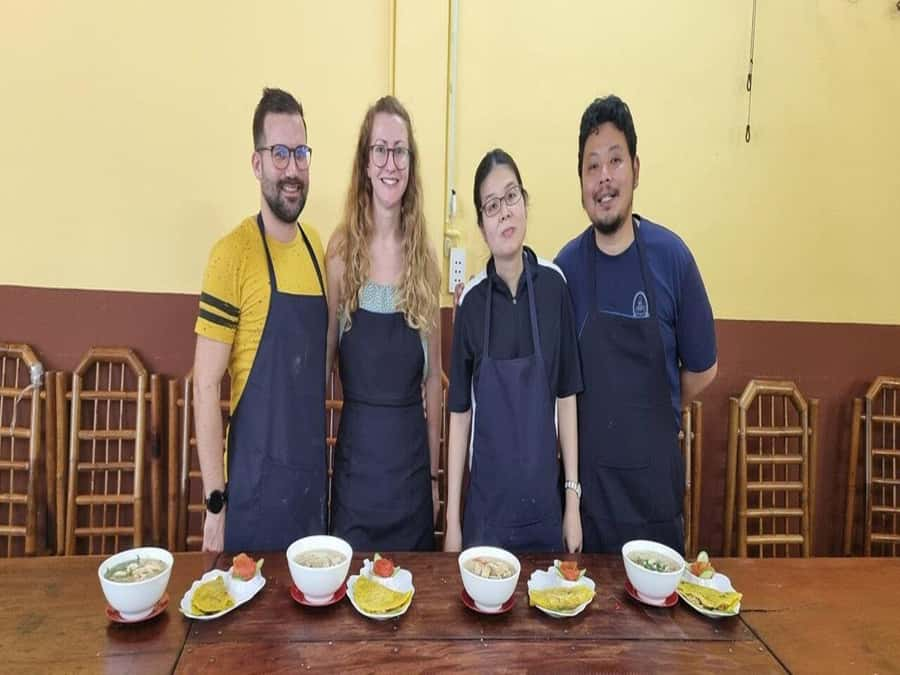
Then Rosa introduces the ingredients for the cooking class. This isn’t just a “here’s the list” moment. In a good home class, ingredient talk is where you learn what to look for: freshness, how different vegetables behave in hot pans, and why certain aromatics are used to build flavor without meat.
You’ll also get a feel for what Vietnamese vegetarian cooking is aiming for—comfort plus brightness, depth plus balance. If you’ve tried vegetarian Vietnamese food before, you know it can taste surprisingly complete. This is where that effect starts.
Hands-On Cooking: How the Kitchen Time Actually Works
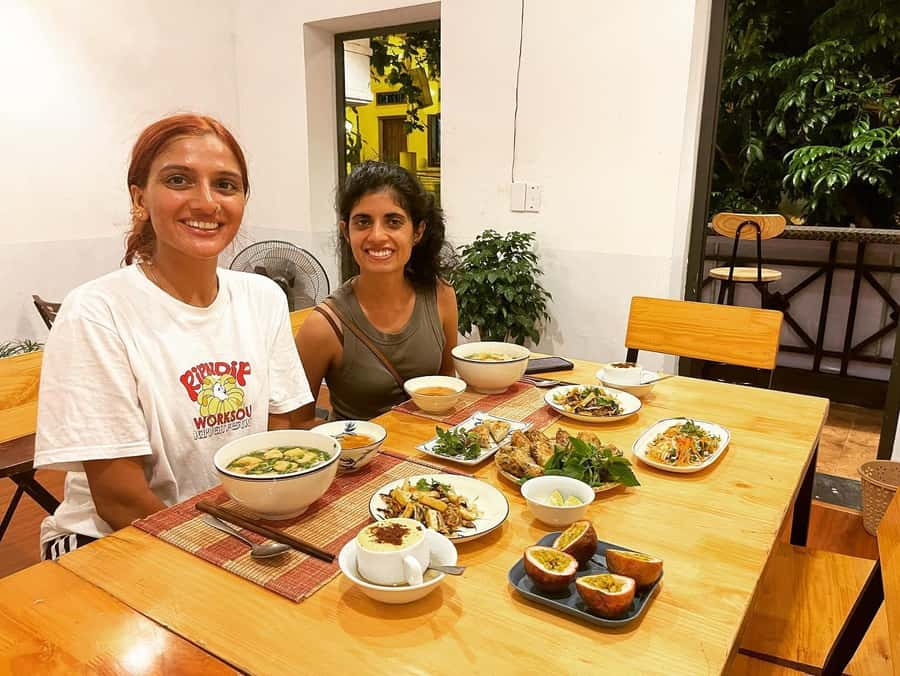
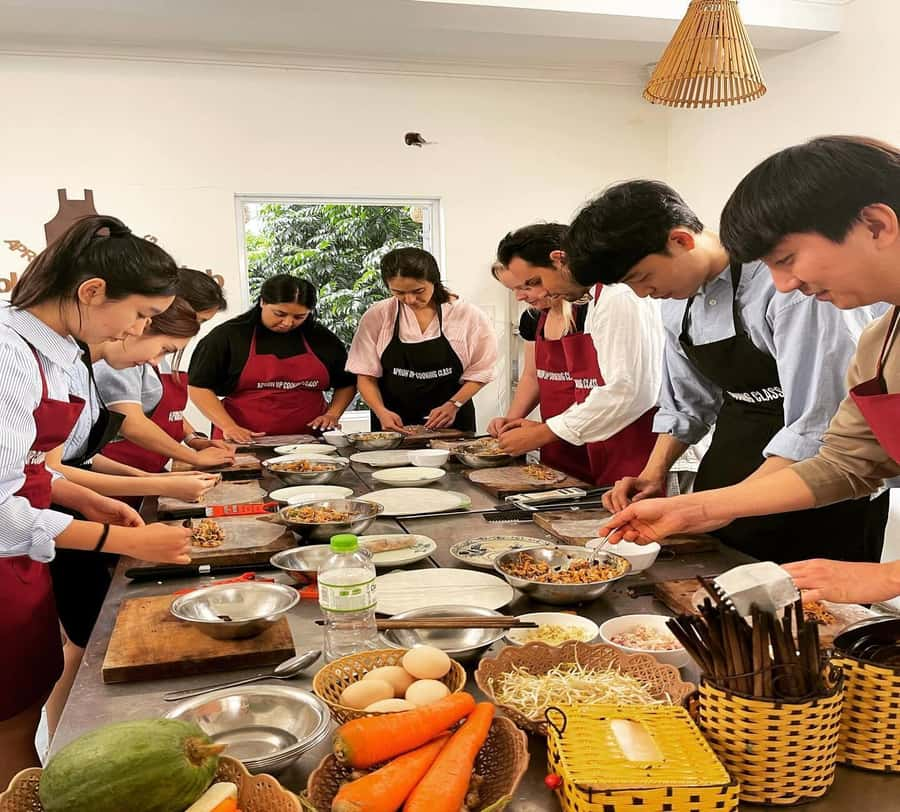
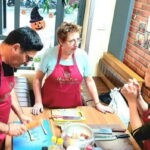
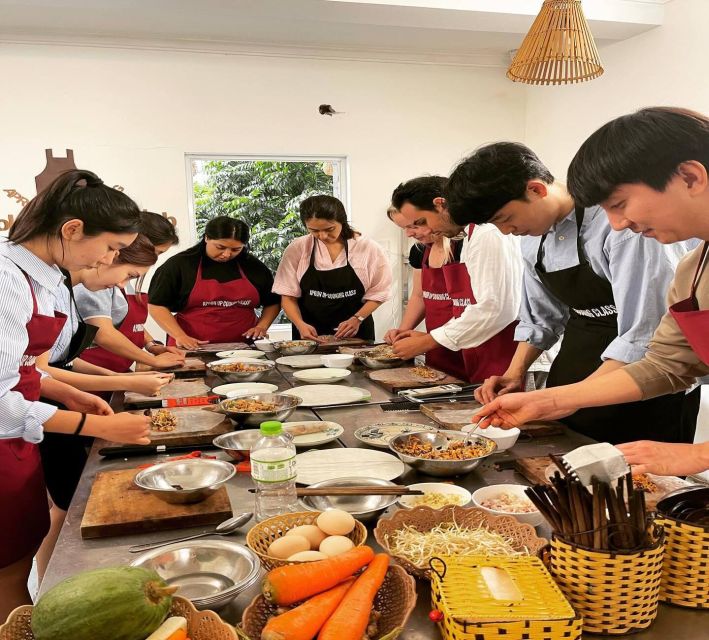
You’ll do hands-on cooking on 4 dishes. In other words, you’re not just standing nearby while someone else does the work. You’ll be working with the tools and moving through the steps yourself.
Here’s the structure to expect:
- Your class portion focuses on vegetarian dishes taught by Rosa.
- The local family prepares some components too, so the kitchen stays efficient and you’re not waiting forever for things to finish.
- You’ll move through cooking tasks in a way that’s realistic for a home kitchen, not an overproduced demo.
One nuance: the experience can still feel very “kitchen teamwork” rather than “you are the main cook for every minute.” If you want maximum hands-on control, ask questions as you go and volunteer to help with the next step when the pace allows.

The Traditional Meal: Two Dishes You Make, Five the Family Preps
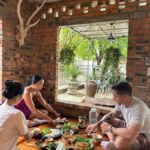
After cooking, it’s time to eat the meal in the local home. This is a big deal in a home class, because your cooking doesn’t end at the cutting board.
Your meal includes 5 local dishes prepared by the host beforehand plus 2 dishes you prepared during the class. So you’ll get variety—more of the Hue vegetarian spread than just your own limited output—and you’ll also taste what your own work becomes once it’s served.
This setup also helps you learn in context. When you taste the host-prepared dishes alongside the ones you cooked, you can spot what changes between techniques:
- seasoning differences
- sauce balance
- how textures are handled
- how herbs are used at the end
That’s the kind of learning that sticks, even if you never attempt the full recipe later.
The Cultural Exchange Part You’ll Feel, Not Just Hear
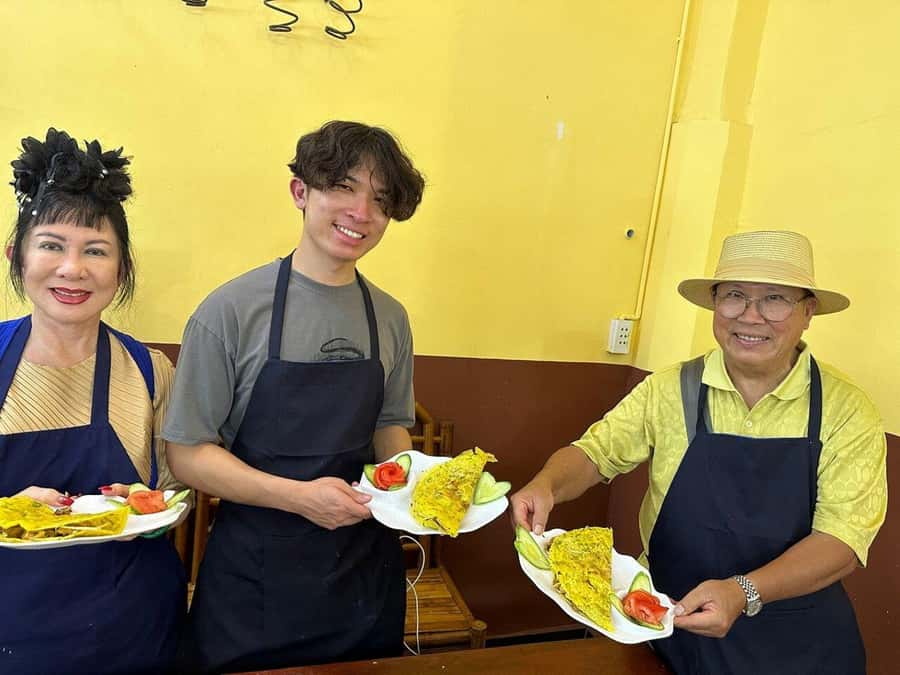
There’s a social side here, and it’s part of the value. You’ll likely chat with your hosts during the process and over the meal. People often share:
- family traditions around food
- local customs
- the role of food in Vietnamese culture
You don’t need a deep background in Vietnamese history to enjoy this. In practice, food conversations make it easier to understand why certain flavors are treated as standard and why meals are more than fuel. It’s also a natural way to get practical tips—like what to prioritize when shopping for ingredients.
Price and Value: Is $34 Fair for Hue Home Cooking?
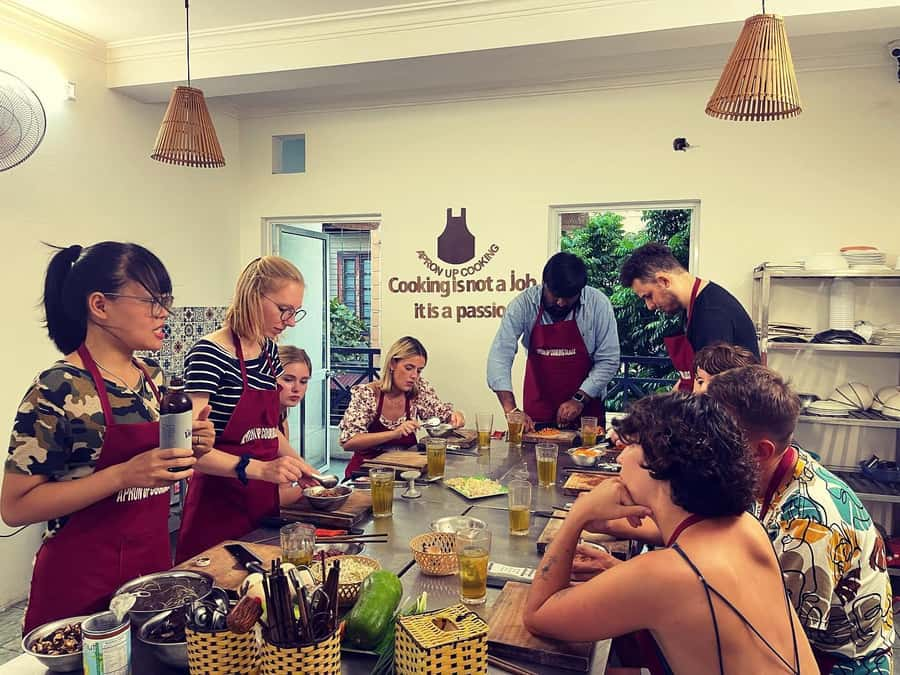
At $34 per person, this class sits in the mid-range for cooking experiences. The question is value: what you get versus what you’ll feel you learned.
Here’s what you’re clearly getting:
- a local, English-speaking chef (Rosa)
- ingredients for the cooking class
- a sit-down traditional meal totaling 7 local dishes (5 host-prepared + 2 guest-prepared)
- a small group capped at 10, so the experience is not crowded
When it works best, it feels like you’re paying for the full package: instruction + cooking time + a full meal, all in someone’s real home. That’s hard to replicate at restaurants.
The fair warning: one person felt it was on the expensive side for a home-based class and wanted more time spent cooking plus more general info about Vietnamese cuisine. So if your personal style is very hands-on and you dislike short or mixed-participation sessions, you may want to temper expectations and focus on what’s included: 4 dishes cooked by guests, plus the meal.
Who This Class Is Best For (and Who Might Skip It)
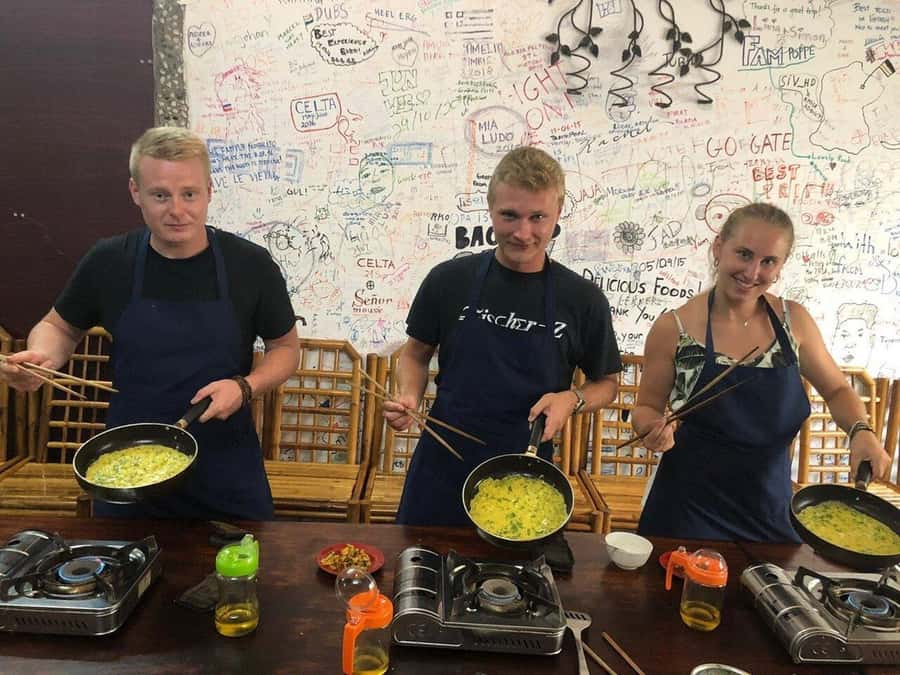
This is a strong fit if you:
- want Vietnamese vegetarian cooking specifically, not a generic Asian cooking class
- like small groups and chatting with locals in a home setting
- care about learning techniques you can use later (not just taking photos and leaving)
It’s less ideal if you:
- expect a long, uninterrupted cooking session where you control every step without help
- want an intense overview of Vietnamese cuisine beyond what’s covered in the cooking flow
If you’re traveling with a partner or a friend, the small-group format also makes it easier to relax. You can talk to the hosts while still getting personal attention from Rosa.
Practical Tips to Make the Most of Your 4 Hours
A few smart moves will help you get more out of the class:
- Arrive a bit early. Meeting at W-Factory is doable, but plan time for finding it.
- Come hungry. You’ll cook and then eat a meal with 7 dishes, so you’ll likely leave full.
- Ask questions while you’re cooking. Ingredient talk and technique notes land best when you connect them to what’s happening in your pan.
- Keep expectations realistic about pacing. Home cooking involves coordination—ingredients, family support, and timing—so you’ll participate, but it’s not a one-person cooking show.
Also, a heads-up on rules: pets aren’t allowed.
Quick Notes on Age, Accessibility, and Comfort
If you’re bringing kids, the class info says children under 4 are free but don’t join the cooking class and share services with parents. If you’re traveling with younger kids, plan on them being outside the main cooking action.
Accessibility notes in the provided details are a bit mixed: it’s listed as wheelchair accessible, but it also says it’s not suitable for wheelchair users. Since this is a home setting, I’d treat that as a real-world issue and confirm directly with the host before booking, especially if you or someone in your group uses a wheelchair.
Should You Book This Hue Home Vegan Class?
Yes—book it if you want a friendly vegetarian cooking lesson in a Hue home with an English-speaking chef, Vietnamese tea to start, and a full meal where your food actually lands on the table. The combination of 4 dishes hands-on plus 2 dishes you cooked in a 5-dish host meal is a practical win for value and learning.
I’d think twice if your top priority is maximum cooking time or broad Vietnamese cuisine coverage, because the class rhythm is shared and home-based. If you’re flexible, curious, and okay with a mix of cooking + eating + conversation, this is the kind of experience that makes Hue feel human.
FAQ
How long is the cooking class?
It lasts 4 hours.
How much does it cost?
The price is $34 per person.
Where do I meet the host?
The meeting point is W-Factory, Võ Văn Kiệt street, Thủy Xuân, Hue city.
What language will the cooking class be in?
The host/grereeter is English.
What’s included in the price?
You get an English-speaking lady as the local chef, ingredients for the cooking class, and a traditional meal made of 5 local dishes prepared by the host plus 2 dishes you prepare.
Are pickup and drop-off included?
No. Free pickup and drop-off at the hotel aren’t included.
Is the group small?
Yes. It’s a small group limited to 10 participants.
Are pets allowed?
No. Pets aren’t allowed.
What’s the policy for children under 4?
Children under 4 years old are free of charge, but they don’t join the cooking class and share the service with parents.
Is it wheelchair accessible?
The details include mixed notes: it’s listed as wheelchair accessible, but also states not suitable for wheelchair users. You should confirm with the host before booking.