Paella lessons start with the first chop. This Spanish cooking class in Granada is a hands-on way to learn real recipes, not just watch someone cook, and it’s taught in English-speaking instruction that keeps the evening flowing. I like how you get practical tips while still doing a lot yourself. One thing to consider: the kitchen setup can change by room, so if you’re picky about sinks/running water and knife-safety, it’s worth asking on arrival.
What makes this a smart early-evening plan is the compact group size (up to 15) and the full sit-down meal at the end of your work. It runs about 3 hours, starts at 6:00 pm, and comes with kitchen supplies and dinner. If you want a cooking class that actually feeds you, this is built that way.
In This Review
- Key things to know before you cook in Granada
- A Granada cooking class built for doing, not watching
- The 6:00 pm rhythm: what the evening usually feels like
- The menu: salmorejo, paella, tortilla, crème catalán, and sangria
- Starter: salmorejo (cold tomato cup, with jamón and egg)
- Main: paella (rice with vegetables and chicken)
- Main: potato omelette (tortilla de patatas)
- Dessert: crème catalán
- The drink: sangria to refresh during the evening
- Hands-on instruction, plus the little technique gaps to watch
- Dinner you helped make: why the meal part matters
- Price and value in Granada: what $89.36 really buys
- Logistics that help: meeting point, transport, and timing
- Who this class is best for
- Should you book this Spanish cooking class in Granada?
- FAQ
- What dishes are included in the Spanish cooking class menu?
- How long is the class?
- When does it start, and where do I meet?
- Is the class offered in English?
- How big is the group?
- What is included in the price, and what is not?
- Can I cancel for a full refund?
- Is it easy to get to without a car, and are service animals allowed?
Key things to know before you cook in Granada
- Up to 15 people keeps it interactive and easier to ask questions
- English instruction helps you understand timing, techniques, and substitutions
- A full meal from your own cooking means you get to eat what you make
- Classic Granada-friendly menu includes salmorejo, paella, tortilla, and crème catalán
- Sangria as the reset keeps the evening feeling like a night out, not a school drill
A Granada cooking class built for doing, not watching
If your idea of a great travel meal is tasting something and learning how it was made, this kind of class works fast. You’re not stuck passively taking notes while someone else handles everything. The point is simple: you’ll learn representative Spanish recipes, you’ll get useful cooking tips, and you’ll finish with dinner.
I like that the class feels structured but not rigid. In a small group, you can usually lean into the hands-on part or move at your own pace. When you’re cooking with a real instructor, you pick up the small decisions that matter: how to judge texture, when to add something, and what to watch so the final dish tastes right.
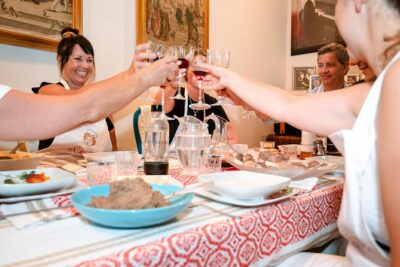
The setting is also part of the appeal. The class takes place at a restaurant, so the vibe is more dinner-party than classroom. And yes, you get a meal afterward, which turns what could be a pricey activity into something more like a value-forward evening.
The 6:00 pm rhythm: what the evening usually feels like
This starts at 6:00 pm and ends back at the meeting point. The meeting address is C. Hospital de Sta. Ana, 12, Centro, 18009 Granada, Spain. The timing matters because it’s early enough to still enjoy your night afterward, but late enough that you’re not trying to cook in the hottest part of the day.
A 3-hour cooking class is long enough to do real cooking tasks (not just one recipe), but short enough that you won’t feel exhausted by the time you sit down to eat. You’ll typically be switching between dishes, so you’re not doing the same thing for the entire evening.
Also: you’ll get a mobile ticket, and it’s offered in English. For solo travelers, that’s a big plus. It’s easier to follow along when you don’t have to translate every recipe step in your head.
The menu: salmorejo, paella, tortilla, crème catalán, and sangria
This class focuses on Spanish standards. The exact dishes can vary a bit, but you can reliably expect classics from starter to dessert.
Starter: salmorejo (cold tomato cup, with jamón and egg)
Salmorejo is one of those dishes that feels like Granada in a bowl. It’s cold, tomato-forward, and eaten with Serrano ham and hard-boiled egg. The technique matters: you’re aiming for a thick, smooth texture, not watery soup.
What I like about starting here is that it teaches you something important early: how Spanish cooking often balances freshness with richness. Even though it’s cold, it still tastes substantial because of how the ingredients are combined and thickened.
Main: paella (rice with vegetables and chicken)
Paella is popular all over Spain for a reason. In this class, you’ll work with rice plus vegetables and chicken. The educational value isn’t only in making paella. It’s in learning what makes paella work: rice texture, heat management, and seasoning control.
Paella can go wrong fast if the rice is treated like pasta. In a good cooking class, you learn how to avoid that. And because you’re cooking in a group, you can compare what you’re doing with what the instructor is coaching in real time.
Main: potato omelette (tortilla de patatas)
Potato omelette is one of Spain’s most famous dishes because it’s everywhere. Here, it’s built from potatoes, egg, and onion (optional). It’s simple on paper, but the technique is where the magic happens.
This part is especially helpful for home cooks because tortilla de patatas is forgiving in ingredients but sensitive in method. You’ll learn how to handle the eggs and potatoes so it sets properly, without turning rubbery or falling apart.
Dessert: crème catalán
Crème catalán is a Spanish dessert known for its contrast of textures and flavors. It’s a sweet ending that feels less heavy than some chocolate-forward desserts, and the technique can be memorable because you’re working with a creamy base that finishes with a different texture.
If you’ve only had crème brûlée-style desserts before, this gives you a parallel that still tastes distinctly Spanish.
The drink: sangria to refresh during the evening
There’s also sangria, the classic crowd-pleaser that helps the class feel like an event. It’s a practical touch too. When you’re cooking for hours, having a refreshing drink on hand makes the whole process easier to enjoy.
Hands-on instruction, plus the little technique gaps to watch
The best part of this class is the way the instructor teaches you while you cook. Names you may hear during your session include Thomaso (often noted as an excellent teacher) and Guillermo (praised as fabulous). When the class runs smoothly, you get lots of tips and the dishes come out well.
You’re also usually encouraged to do as much (or as little) as you want. That matters. Cooking classes can be stressful if you feel forced into constant motion. Here, the approach tends to give you room: ask questions, try steps, and learn from guidance instead of pressure.
That said, there’s one consideration worth flagging. In at least one situation, the class setup moved to a smaller upstairs room where there wasn’t a sink or running water right in the workspace. That can turn handwashing and raw-ingredient hygiene into a real question. There was also mention of knife technique focus being less emphasized in that setup, with the responsibility shifting to participants to monitor separation of raw chicken and vegetables.
I’m not saying every session has that issue. I am saying you should be sensible if you care about food safety. On arrival, look for the cleaning setup and ask how handwashing and workspace separation will work in your room. If the instructor explains the safety routine clearly, you’re in good shape.
Dinner you helped make: why the meal part matters
The class includes dinner, and you eat what you cook. That sounds obvious, but it’s actually a big deal for value and learning.
When you taste your own paella, tortilla, and salmorejo, the lesson sticks. You immediately connect the instructor’s advice to real flavor and texture. It also makes the meal feel more satisfying than a restaurant dinner where you’re just ordering and hoping.
In particular, paella and tortilla teach you different kinds of texture skills. Salmorejo teaches thickness and balance. Crème catalán teaches dessert structure. After three hours, you’ve made an entire Spanish meal, not a single dish.
And if you’re coming hungry, plan for it. The recipes are filling, and by the time dessert and sangria happen, you should expect to feel comfortably full.
Price and value in Granada: what $89.36 really buys
At $89.36 per person, this isn’t a bargain-basement activity. But it can still be good value because the price includes dinner, a guide, and kitchen supplies. You’re also getting an English-speaking instructor and a class capped at 15 people, which supports interaction.
Compare that to paying separately for dinner plus a cooking workshop where you’d otherwise buy ingredients. Here, the cooking supplies and the meal are bundled into the experience. You also leave with something practical: the ability to replicate the dishes at home with the same approach and built-in ingredient flexibility.
Where you should be cautious is the mismatch between what you expect and how your kitchen setup looks. If you’re relying on a specific focus like knife technique or sink access, it’s worth checking on site so you’re not disappointed.
Overall, I see this as a strong pick if you want a guided, hands-on meal in Granada and you’ll actually use the recipes again.
Logistics that help: meeting point, transport, and timing
You meet at C. Hospital de Sta. Ana, 12, Centro, 18009 Granada at 6:00 pm. The activity ends back at the meeting point, so you don’t need to figure out a second trip.
It’s near public transportation, which helps. Private transport isn’t included, so if you’re coming from outside the center, give yourself extra time. In Granada, getting slightly lost is part of the charm, but you don’t want to be late for a class that begins cooking right away.
Dress-wise, keep it practical. Even if the room is clean, you’re handling food, ingredients, and hot cooking steps. Comfortable shoes help because restaurant kitchens and prep areas often require short movements throughout the evening.
If you have any dietary needs, the key thing to know from the provided details is that the menu includes specific Spanish dishes. The class description doesn’t list dietary customization. So if you’re gluten-free, vegetarian, or have allergies, ask directly before you book.
Who this class is best for
This works especially well if you:
- Want an evening activity that ends with dinner, not just a tasting
- Enjoy hands-on cooking more than food tours with standing and walking
- Like Spanish classics and want a practical version of them for home cooking
- Travel with friends, couples, or solo and still want a small-group feel
It may not be the best fit if:
- You’re very sensitive about sink access and hands-on hygiene procedures
- You expected a heavy emphasis on knife training no matter what setup you’re in
- You want a low-energy, fully sit-down experience
Should you book this Spanish cooking class in Granada?
Book it if you want a guided, small-group evening where you cook salmorejo, paella, tortilla de patatas, and finish with crème catalán, plus sangria. The format is built around participation and then eating what you made, which is exactly how you get value out of a cooking class.
Don’t book blindly if hygiene setup and knife technique are your top concerns. Do a quick check when you arrive: ask where handwashing happens and how raw ingredients are separated in your exact workspace. If the instructor answers clearly, you’ll likely have a smooth, satisfying night.
If you’re the kind of traveler who loves learning how locals cook for real life, this is a very solid Granada evening plan.
FAQ
What dishes are included in the Spanish cooking class menu?
The class menu includes salmorejo as a starter, paella and potato omelette as mains, and crème catalán for dessert. A typical drink served is sangria.
How long is the class?
It lasts about 3 hours.
When does it start, and where do I meet?
The class starts at 6:00 pm. The meeting point is C. Hospital de Sta. Ana, 12, Centro, 18009 Granada, Spain, and it ends back at the meeting point.
Is the class offered in English?
Yes, it is offered in English.
How big is the group?
The maximum group size is 15 travelers.
What is included in the price, and what is not?
Included are dinner, a guide, and kitchen supplies. Private transportation and tips are not included.
Can I cancel for a full refund?
Yes. You can cancel up to 24 hours in advance for a full refund.
Is it easy to get to without a car, and are service animals allowed?
It is near public transportation, and service animals are allowed.