REVIEW · KYOTO
Kyoto Sushi & Takoyaki Cooking Class near Gion and Kiyomizu-dera!
Book on Viator →Operated by OTAKU hopper · Bookable on Viator
Cooking at a machiya beats sightseeing.
This class in Kyoto’s Higashiyama district makes Japanese food feel personal, not like a demo. I like the hands-on focus and the chance to learn from local instructor HANA in a traditional setting.
You also get a full meal out of what you make, plus drinks and dessert, so the money doesn’t vanish into a quick snack stop. One thing to consider: it’s about 2 hours, so it moves at a steady pace and you’ll want to arrive ready to work with your hands.
In This Review
- Key Things That Make This Class Worth Your Time
- Inside a Kyoto Machiya Kitchen Near Gion and Kiyomizu-dera
- Your Small-Group Setup With HANA (And Why That Matters)
- Rolled Sushi: What You’re Really Learning (Not Just Making)
- Takoyaki: The Crunchy, Fun Side of Japanese Street Food
- Eating What You Cook: Lunch, Drinks, and the Pace of the Meal
- Matcha Mochi Ice Cream: The Sweet Kyoto Finish
- Value Check: Does $96.19 Really Make Sense?
- Who Should Book This Class (And Who Might Skip It)
- Practical Tips to Get the Most From Your 2 Hours
- Should You Book This Kyoto Sushi & Takoyaki Cooking Class?
- FAQ
- How long is the cooking class?
- What dishes will I make?
- What’s included with the meal?
- Where do I meet the group?
- Is hotel pickup included?
- Are there limits on who can join?
- How big is the group?
Key Things That Make This Class Worth Your Time
- A traditional Kyoto machiya setting in historic Higashiyama, not a generic kitchen
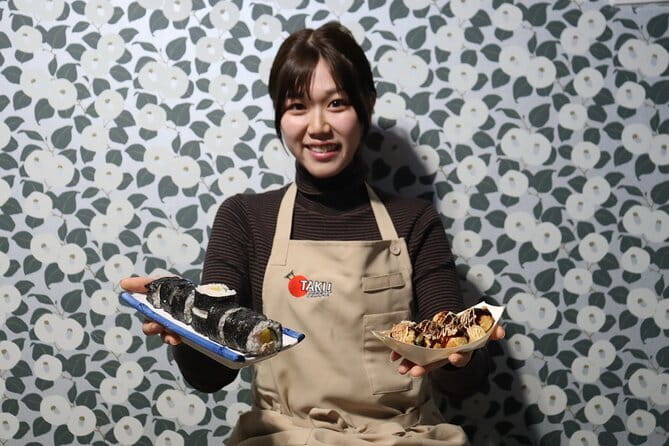
- Two iconic dishes on the menu: rolled sushi and takoyaki
- Small group size (max 6) for better attention and a calmer experience
- HANA’s English instruction plus stories about daily food culture as you cook
- You eat what you make, with sake (or beer/juice) and matcha mochi ice cream
Inside a Kyoto Machiya Kitchen Near Gion and Kiyomizu-dera
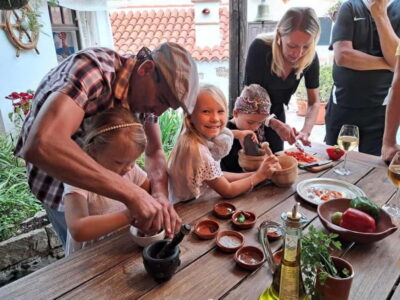
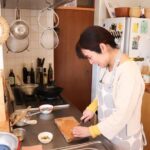
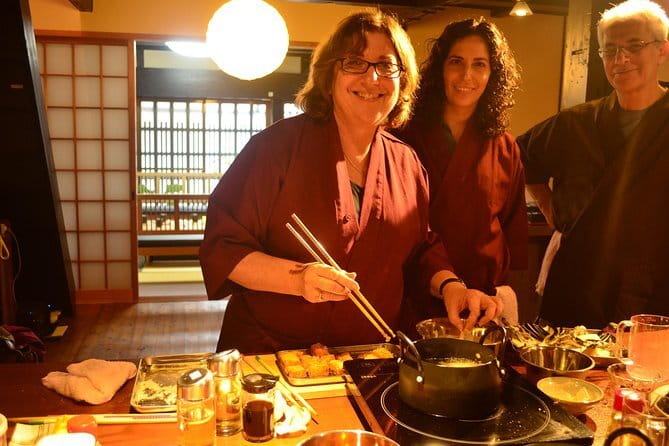
Kyoto can be packed with temples and crowds, but this experience gives you a different kind of Kyoto. You’re cooking in a traditional machiya in Higashiyama, which instantly changes the mood. The room itself helps you slow down and pay attention to technique and timing.
I like that the class treats food as more than taste. As you work, you’re also learning about Japanese culinary traditions and daily life, which makes the meal feel connected to where you are. You’re not just collecting facts; you’re building an understanding you can actually taste.
The location is also a win. You’re in the Kyoto area near popular sights like Gion and Kiyomizu-dera, so it fits naturally into a day that already includes walking those neighborhoods. After you cook, you’re finished back at the meeting point, which makes it easy to plan what comes next.
You can also read our reviews of more tours and experiences in Kyoto.
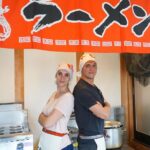
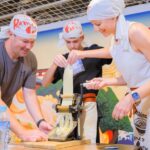
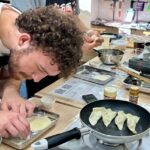
Your Small-Group Setup With HANA (And Why That Matters)
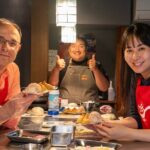
This class is capped at 6 travelers, and that small size changes the experience in a real way. In a bigger group, it’s easy to feel like you’re waiting your turn. Here, you can usually ask questions and get guidance without the frantic feeling.
The instructor is HANA, and she teaches in English. That matters more than people expect, because cooking has details you can’t guess correctly from pictures—like how to shape, roll, or manage heat while staying safe. Having clear instruction also helps if you’re new to Japanese cooking.
No hotel pickup is included, so you’ll want to plan your own transit to the meeting point. The start point is Hanakiya Inn, 6-chōme-583-101 Gojōbashihigashi, Higashiyama Ward, Kyoto, 605-0846, Japan. The good news: it’s near public transportation, and you get a mobile ticket, so you’re not juggling printed documents.
Also worth noting: children under 6 can’t participate. If you’re traveling with kids, this helps you plan ahead and avoid a last-minute disappointment.
Rolled Sushi: What You’re Really Learning (Not Just Making)
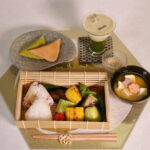
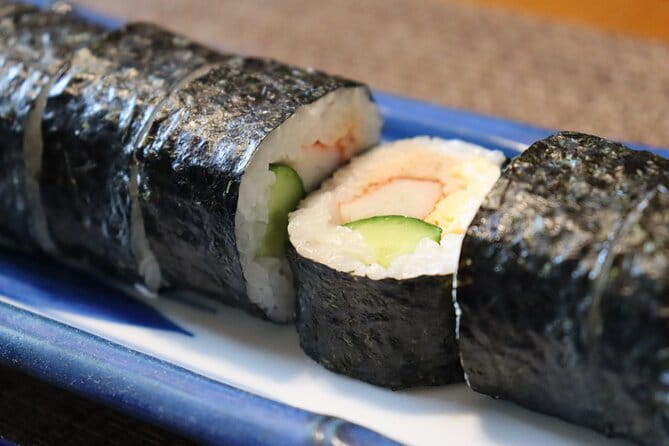
You’ll make rolled sushi as one of the two core dishes. The big value here isn’t only eating sushi—it’s learning the hand skills and timing behind a decent roll. Rolled sushi can look simple, but it’s all about technique: the way the ingredients are layered and how the roll comes together.
In a class like this, you’re guided step-by-step, with all ingredients and cooking tools provided. That removes the biggest barrier for visitors who want to try sushi at home: sourcing everything correctly and knowing what to do in what order. You also walk away with recipes and tips, which is where the learning becomes useful later.
A practical note: rolling takes patience. If you’re the type who likes to move fast and keep your hands busy, you’ll still do that here, but you may want to slow down when the instructor is correcting your form. Good rolled sushi is won with small adjustments.
Takoyaki: The Crunchy, Fun Side of Japanese Street Food
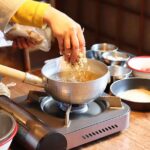
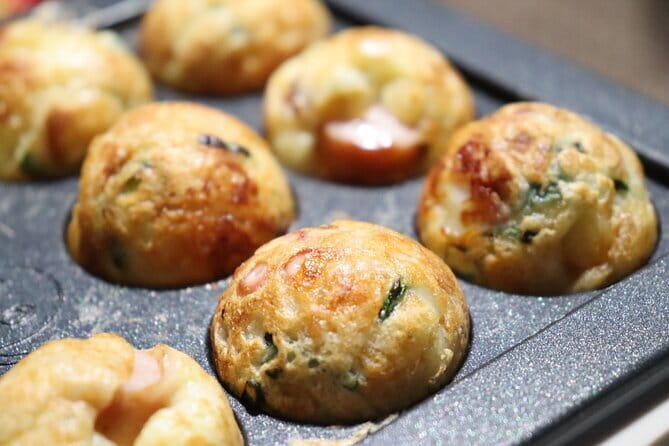
Your second dish is takoyaki, the classic octopus-filled snack cooked in a special griddle. Takoyaki is where cooking stops feeling like a textbook exercise and starts feeling like a game—heat control, quick flipping, and shaping each ball.
Again, you’re not stuck figuring it out alone. All ingredients and tools are part of the experience, and you learn with HANA’s guidance. That’s especially helpful because takoyaki has a rhythm: you want the batter to set, the filling to stay inside, and the outside to develop that browned texture.
If you enjoy food that’s a little playful and hands-on, takoyaki is the dish you’ll probably remember most. It also gives you a very Japan-specific culinary experience—this is the kind of food that fits Kyoto street-life, festival energy, and everyday snacking culture.
Eating What You Cook: Lunch, Drinks, and the Pace of the Meal
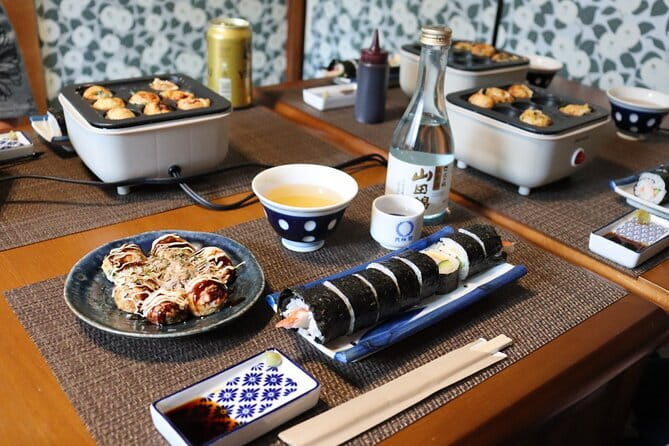
After you cook, you get to savor your creations—and you’re not eating just a tiny sample. The structure is designed around having lunch as part of the class, so you’ll spend your time cooking and then actually enjoying the results.
Included with the meal is a drink option: sake, beer, or juice. That’s a thoughtful mix because you can choose based on your taste or comfort level. Sake is often the pairing that makes Japanese flavors feel extra coherent, and even if you don’t drink alcohol, the juice option keeps the experience comfortable.
This is also where value shows up. Many cooking classes charge for instruction, but then you’re stuck leaving hungry or buying a separate meal later. Here, the class includes lunch made from your own work, plus a dessert finish. That means you’re paying for a complete experience, not just time in a kitchen.
One small consideration: because it’s only about 2 hours, the class doesn’t stretch out into a long, slow meal. You’ll cook, eat, drink, and move on—so plan to keep your schedule light before and after.
Matcha Mochi Ice Cream: The Sweet Kyoto Finish
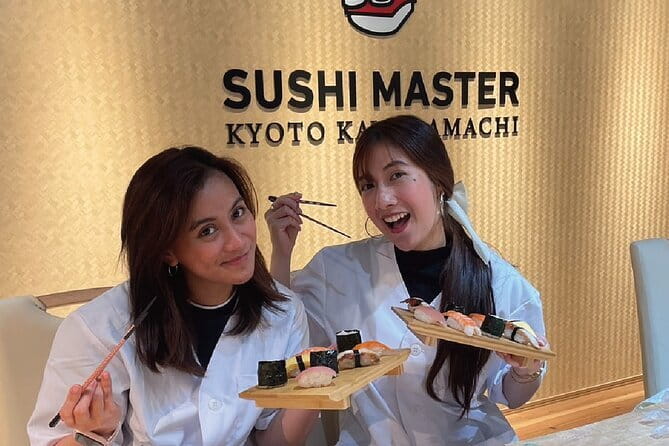
Your dessert is matcha mochi ice cream. Matcha and Kyoto go together in people’s imaginations, but the real point is that you end with something creamy, sweet, and easy to enjoy after cooking.
Mochi brings that chewy, satisfying texture, which makes the dessert feel playful rather than overly formal. It’s also a nice contrast to the savory dishes you’ve made. Sushi and takoyaki rely on salt, fat, and texture; matcha mochi ice cream closes things out with a gentle bitterness and a soft bite.
If you like trying Japanese sweets but don’t want a separate dessert stop, this is a clean way to get one. You won’t be scrambling for a café after the class ends—your sweet ending is already built in.
Value Check: Does $96.19 Really Make Sense?
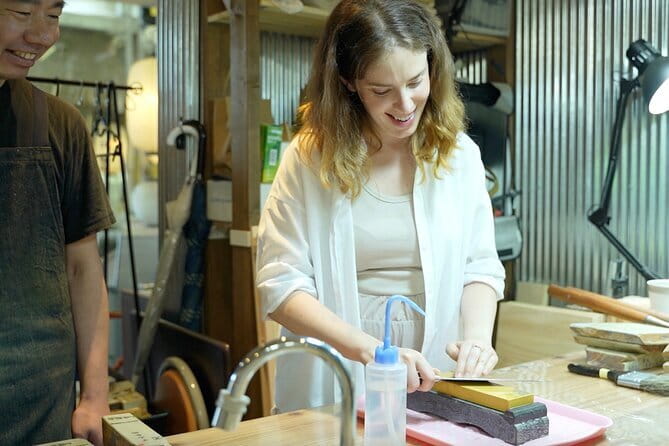
At $96.19 per person, you should ask: what exactly am I paying for? In this case, you’re paying for the full package—ingredients, cooking tools, English instruction, lunch, a drink, and dessert—all within a small-group format.
Here’s why that price can feel fair. You’re not doing a quick tasting; you’re learning two separate dishes from start to finish. You also take home recipes and tips, which can turn a one-time activity into something you can repeat later at home.
The “watch-outs” are also simple. There’s no hotel pickup, so you’ll need to reach the meeting point yourself. And because it’s capped at 6 people and runs about 2 hours, it may not be the best fit if you want a long, leisurely cooking day with deep fermentation lore and slow pacing. This is hands-on and efficient.
For many visitors, paying for a guided, small-group session plus a full meal and drink is better value than spending the same amount on multiple stops—because you leave fed, educated, and with recipes.
Who Should Book This Class (And Who Might Skip It)
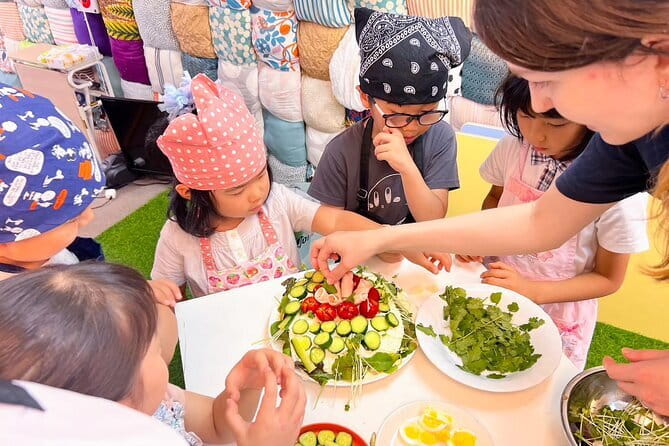
This class is a strong match for you if:
- You like hands-on cooking more than watching from the sidelines
- You want two classic Japanese foods—rolled sushi and takoyaki—in one session
- You enjoy learning from a real local instructor like HANA, with stories tied to daily food culture
- You want a complete meal experience near the famous Kyoto sightseeing areas
It might be less ideal if:
- You’re craving a long cooking workshop rather than a tight 2-hour class
- You don’t want to travel to the meeting point yourself (since no hotel pickup is included)
- You’re traveling with a child under 6, since participation isn’t allowed for safety reasons
Practical Tips to Get the Most From Your 2 Hours
Plan to arrive ready to cook. Wear comfortable clothes that you don’t mind using during food prep. Also, keep your schedule light on both ends so you’re not rushing to catch a train right after dessert.
This is the kind of class where questions help. When HANA explains technique, it’s usually because small changes matter—so ask when something isn’t clear. The result is better-tasting food and a learning experience you can actually recreate later.
If you’re traveling with family or a friend, remember that the group is small. That means you can often share the dish experience without feeling lost in a crowd. When you finish, you’re done right back at the meeting point, so it’s easy to transition to walking around Higashiyama afterward.
Also, bring an appetite mindset. The included lunch is part of the event, and cooking builds flavor from the inside out. You’ll enjoy it more if you treat it like a meal, not a snack between attractions.
Should You Book This Kyoto Sushi & Takoyaki Cooking Class?
I’d book it if you want a genuinely hands-on Kyoto experience that ends with a real meal: rolled sushi, takoyaki, sake (or beer/juice), and matcha mochi ice cream. The small group size and instruction from HANA make it feel personal, and the recipes are what let the class follow you home.
Skip it only if you want a longer, slower workshop or you’re relying on hotel pickup. Otherwise, this is a well-rounded way to spend a couple of hours in Kyoto—learning skills you can use, eating what you made, and leaving with the kind of food memory that doesn’t fade.
FAQ
How long is the cooking class?
It runs for about 2 hours.
What dishes will I make?
You’ll make rolled sushi and takoyaki.
What’s included with the meal?
The class includes lunch (the rolled sushi and takoyaki), a drink (sake, beer, or juice), and dessert (matcha mochi ice-cream).
Where do I meet the group?
You’ll meet at Hanakiya Inn, 6-chōme-583-101 Gojōbashihigashi, Higashiyama Ward, Kyoto, 605-0846, Japan, and the activity ends back there.
Is hotel pickup included?
No, hotel pick-up is not included.
Are there limits on who can join?
For safety reasons, children under age 6 are not permitted.
How big is the group?
The group has a maximum of 6 travelers. Confirmation is received at booking, and it’s near public transportation with a mobile ticket.