REVIEW · MOSTAR
Traditional Bosnian Cooking Class in Mostar with Lunch and Drinks
Book on Viator →Operated by Explore Mostar Adventures · Bookable on Viator
Mostar smells like warm dough and sizzling oil. This traditional Bosnian cooking class lets you learn key techniques, then sit down to eat a full 3-course meal you helped make, with local drinks. The class is led in English, and in practice it’s the kind of hands-on lesson where Amina guides you step by step instead of just watching.
I especially like the way this setup turns learning into doing—kneading, rolling, stuffing, and seasoning are part of the experience, not a side note. You also get a real meal at the end (not just a bite), with a rakija welcome drink plus local wine or beer. The one possible drawback: you’ll want to double-check your start time before heading over, because there can be confusion when the schedule details don’t match what you expect.
In This Review
- Key Things I’d Watch for Before You Go
- Food House Mostar: your meeting point and welcome setup
- The menu you’ll cook: mezze, japrak/dolma, and hurmasice
- The cooking lesson: from dough technique to proper stuffing
- A commercial kitchen setup: why the tools make the difference
- Eating your work: rakija, wine/beer, and the joy of leftovers
- Mostar context and cultural conversation around the table
- Price and value: what $90.11 really buys
- Who should book this cooking class, and who should skip it
- Should you book the Traditional Bosnian Cooking Class in Mostar?
- FAQ
- What is the duration of the cooking class?
- Where do I meet for the class?
- Do I need to arrange transportation from my hotel?
- What language is the class taught in?
- What dishes do we make?
- Is lunch or dinner included?
- Are drinks included?
- Do you accommodate dietary requirements?
- Who can join?
Key Things I’d Watch for Before You Go
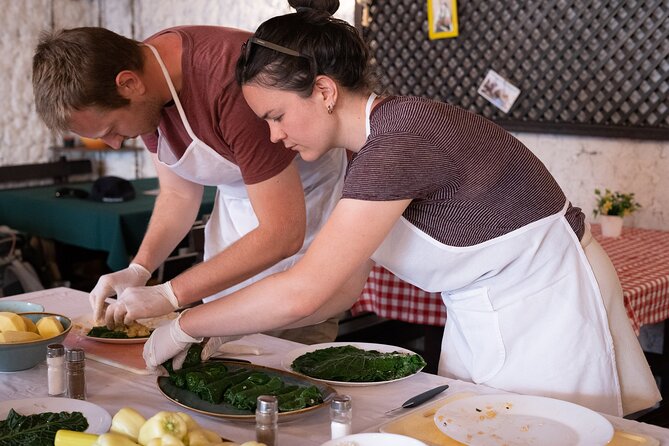
- Amina’s hands-on teaching: you’ll be doing the work, not just taking photos.
- Dolma and burek focus: you learn the classics, including dough-rolling technique.
- 3-course lunch or dinner included: start with mezze, then cooked mains, finish with a sweet dessert.
- Real drinks at the table: rakija on arrival, plus local wine or beer with your meal.
- A commercial kitchen: spices, tools, and ingredients are supplied so you can actually practice.
Food House Mostar: your meeting point and welcome setup
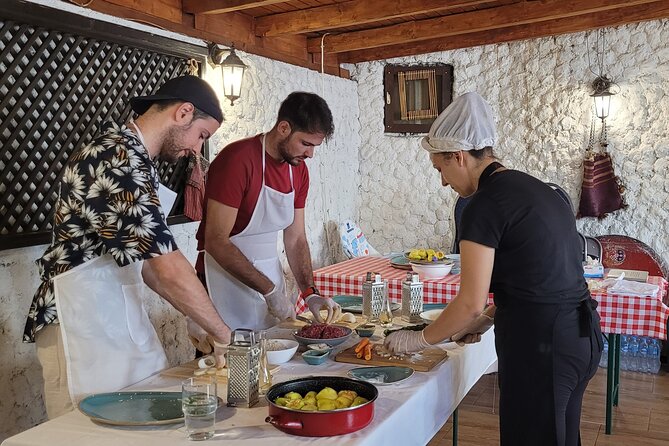
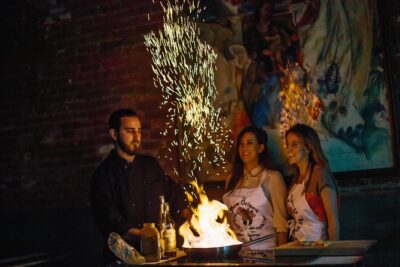
The experience starts at Food House Mostar (Rade Bitange 12). If you arrive early, you might catch an easy, local-style welcome—coffee and small nibbles before the class gets rolling. It’s a simple way to settle in, get oriented, and start smelling what you’ll be making later.
Right when things begin, there’s a rakija welcome drink. This is more than a gimmick; it helps set the pace of the evening like you’re at a family meal rather than in a formal school. Then you move into the cooking space where the instructor explains what you’ll make and what each step is supposed to achieve.
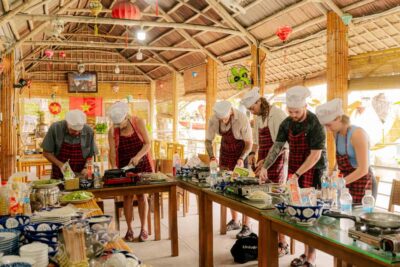
Group size is capped at 20 people, which matters. In a group that size, you can still get attention while you’re rolling, stuffing, and seasoning. And if you want English instruction, this is offered in English as standard.
The menu you’ll cook: mezze, japrak/dolma, and hurmasice
This class is designed around a full meal, not a quick appetizer demo. You’ll make a Bosnian mezze platter for the starter course, and then the mains center on traditional stuffed dishes, including Japrak and Dolma. Expect a hands-on focus on wrapping and filling, since those are the skills that separate an okay stuffed dish from a great one.
For dessert, the sample menu includes Hurmasice. It’s the kind of sweet finish that makes the whole meal feel complete, especially if you’re coming hungry. The best part is that you’re not just eating what someone else cooked—you’re learning how these dishes come together.
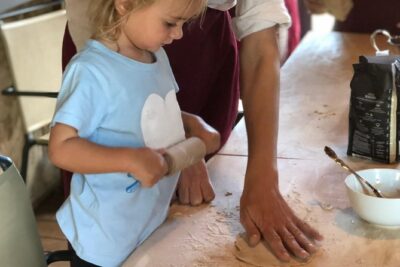
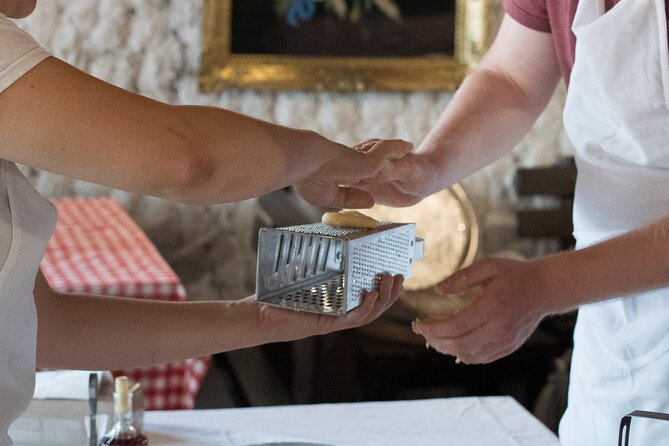
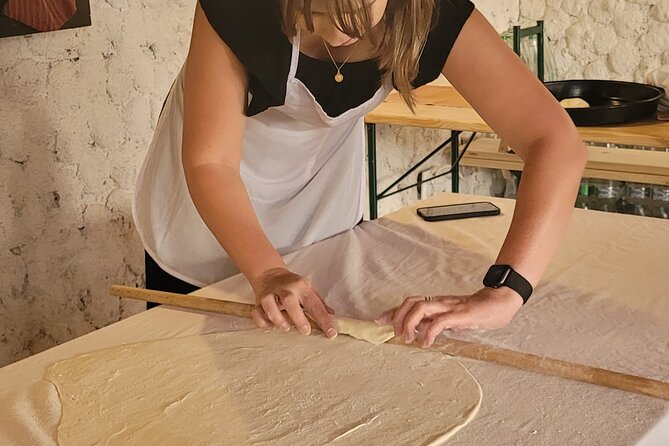
Also, the class highlights key specialties like dolma and burek. One of the most praised skills in the class is the technique for making a proper burek, including learning how to roll dough using a traditional long, thin rolling pin. That’s the kind of detail that makes a cooking class worth paying for: you leave knowing what to do with your hands.
The cooking lesson: from dough technique to proper stuffing
The class follows a clear rhythm: intro, entree, cooking lesson, eat what you cooked, then a final wrap-up. That structure is helpful if you’re not used to cooking classes, because you always know what stage you’re in and what comes next.
I like how the teaching is thorough and patient. In the practical sense, it means you don’t need to be a confident cook. You’ll be shown how to start, how to fix problems as you go, and what the end result should look like. Many people specifically call out that Amina lets you take part in each step—kneading, stirring, and seasoning—so you actually learn the logic behind the food.
The burek part tends to be where technique matters most. Dough can be forgiving or tricky depending on how you handle it, and this class focuses on doing it the Bosnian way—rolling it out properly, then shaping it for the right texture. You’ll also practice skills that connect to the stuffed dishes, like portioning and getting fillings distributed correctly.
Pace is another factor. The class is set up to feel relaxed, not rushed. That helps if you’re slow at dough or if you simply want time to ask questions while your hands are busy.
A commercial kitchen setup: why the tools make the difference
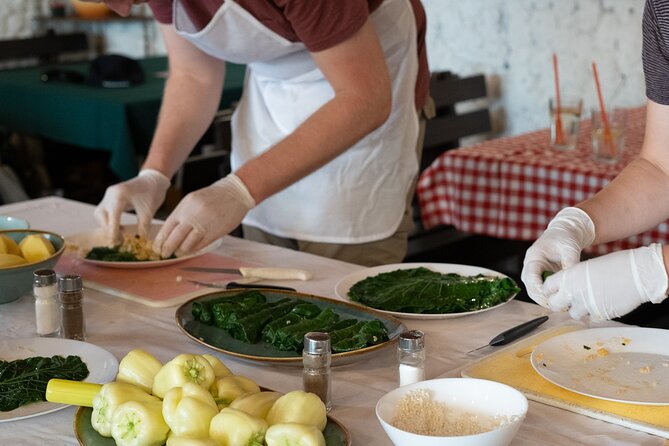
This isn’t a “watch a chef once, then take a guess” setup. You’ll have access to a commercial kitchen with the tools, spice supply, and ingredients you need to cook what you’re learning. That matters because good technique is hard to practice if you’re missing one key ingredient or you don’t have the right equipment.
When a class includes the basics—spices and ingredients included—it makes the lesson immediately usable. You can take home the method and the feel of the cooking, rather than just remembering a recipe list that assumes you found the right items on your own.
It also helps with consistency. Cooking in a proper kitchen setup means you’re working under similar conditions to what locals expect at home, so your results are more likely to turn out like the dish you’re aiming for.
Eating your work: rakija, wine/beer, and the joy of leftovers
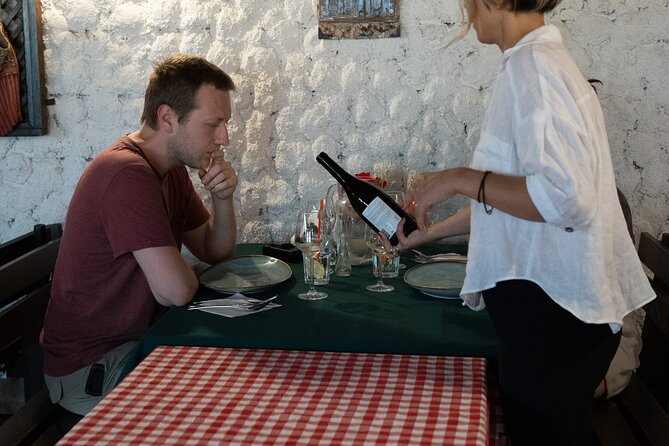
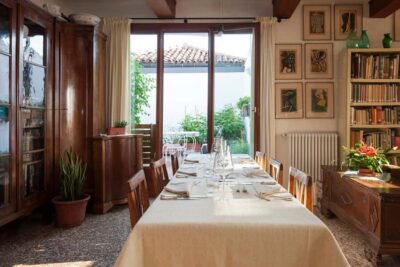
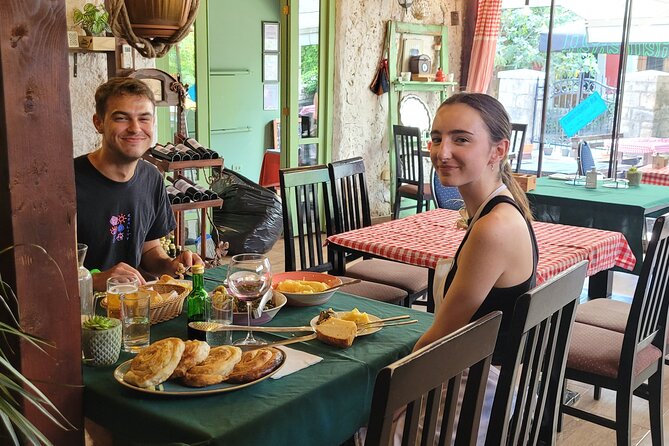
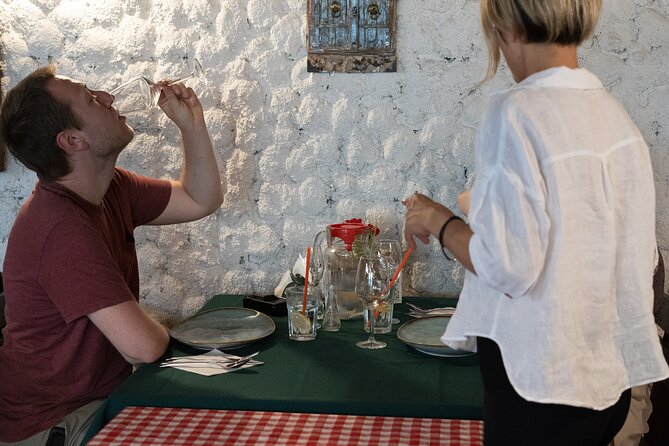
After you cook, you sit down and eat. This is part of the design: you make the food, then you eat it while it’s at its best. You’re also served a full 3-course lunch or dinner depending on the session you book.
Drinks are part of the experience. You get the rakija welcome drink, and your meal includes local wine or beer. If you’re 18+ and drink alcohol, that’s an added value boost because you’re not paying extra just to have a glass with your meal.
One small extra detail that comes through in people’s comments: there may be additional Bosnian-style drinks offered during the class flow, including something like elderberry, which gets singled out as a favorite. The overall takeaway for you is simple—this class leans into the food-and-drink rhythm of Bosnia, not just one meal and done.
Another practical plus: you may be able to take leftovers home. Several comments mention packing up extras for later, which turns a 3-hour class into a meal you can stretch into the next day or two. If you want maximum value, this is the kind of class where eating isn’t finished at the restaurant table.
Mostar context and cultural conversation around the table
You start in Mostar and you stay local—right at the Food House location. That keeps things efficient, especially if your day in Mostar is already packed with sights like the river views and old bridges. And because the class is set in a proper food venue, it feels grounded in where people actually eat.
There’s also room for cultural conversation. Amina, in particular, comes across as candid and thoughtful when questions come up—especially around Bosnia’s war history and real-life experiences. You shouldn’t expect this to be a forced lecture. But if you’re curious, the class setting is a place where those questions can be answered in a human way, not a textbook way.
That combination—hands-on cooking plus real conversation—tends to be what makes the experience stick. You’re not just learning recipes. You’re learning how people talk about food and life in the same room.
Price and value: what $90.11 really buys
At $90.11 per person, this isn’t a cheap snack-class. But it also isn’t a bare-bones “one dish and a soda” deal. You’re paying for an expert-led lesson, kitchen access with ingredients and tools, and a full sit-down meal.
Here’s what you get for the money, clearly:
- An English-speaking guide and traditional instruction
- A rakija welcome drink
- A 3-course Bosnian meal (lunch or dinner)
- Local wine or beer with your meal
- Access to the kitchen supplies so you can practice properly
For me, the value equation works best if you like food enough to want more than a tasting. If you eat well on your trip and you enjoy actually learning a process (dough handling, stuffing, seasoning), the price starts to feel reasonable for a 3-hour activity with meal service attached.
The other value angle is repeatability. If you learn the rolling and shaping technique for burek or the wrapping structure for dolma and similar stuffed dishes, you can bring that competence home and cook these dishes again. A cooking class is rarely only about the meal you eat that night—it’s about skills you can use later.
Who should book this cooking class, and who should skip it
This class fits best if you:
- Want hands-on learning in Mostar with traditional dishes you can name later (dolma, burek, stuffed vegetable variations)
- Like eating a proper meal, not just nibbling samples
- Prefer a smaller-group experience (max 20) where you can ask questions
- Want an instructor who works patiently with different skill levels, including dough skills
It might be less ideal if you:
- Want a primarily sightseeing experience with lots of walking and photo stops (this is centered on the kitchen and meal)
- Don’t enjoy alcohol at all. (You can still participate, but wine/beer are part of the meal plan for those who drink.)
- Have very strict time constraints, since the experience runs about 3 hours and ends back at the meeting point
Families can consider it too: the minimum age is 9 years. That’s a big deal if you’re traveling with kids who can handle a cooking activity and enjoy food. Just note the minimum drinking age is 18, so adults will handle the alcohol portion.
Also keep in mind that there’s no hotel pickup/drop-off. You’ll meet at the Food House Mostar address and go from there.
Should you book the Traditional Bosnian Cooking Class in Mostar?
Yes, if you want a Mostar experience that’s practical, social, and tasty—not just scenic. This class is one of those rare activities where you leave with both a full meal and actual cooking skills, especially for the dough-and-stuffing specialties like burek and dolma.
Book it if you’re the type of traveler who likes learning by doing and you’re happy to trade a bit of free time for a lesson that turns into lunch or dinner. If you’re also hoping for cultural conversation, the atmosphere around Amina’s instruction is often where that happens naturally.
Skip it only if your priority is seeing the city with minimal time in a kitchen. For a food-first visit, this is a strong choice.
FAQ
What is the duration of the cooking class?
It runs for about 3 hours.
Where do I meet for the class?
You meet at Food House Mostar, Rade Bitange 12, Mostar 88104, Bosnia and Herzegovina.
Do I need to arrange transportation from my hotel?
Hotel pickup and drop-off are not included. The activity ends back at the meeting point.
What language is the class taught in?
The guide speaks English.
What dishes do we make?
The class includes Bosnian specialties such as dolma and burek. The sample menu also lists Japrak, Bosnian mezze platter, and Hurmasice for dessert.
Is lunch or dinner included?
Yes. You’ll have lunch or dinner as part of the 3-course meal included with the class.
Are drinks included?
You get a rakija welcome drink, and the meal includes local wine or beer. Additional beverages are not included.
Do you accommodate dietary requirements?
You should advise any specific dietary requirements at the time of booking.
Who can join?
The minimum age is 9 years. The minimum drinking age is 18. A minimum of 2 people per booking is required, and the maximum group size is 20.