REVIEW · WINDHOEK
Traditional Cooking Class – Mahangu pap for beginners
Book on Viator →Operated by Anchor Adventures Namibia · Bookable on Viator
Pap lessons beat any souvenir. In Windhoek, you learn beginner-friendly mahangu pap and a braai-style meat grill in a real home kitchen, plus time for stories with Namibians.
I love that Linda and Iyaloo teach you hands-on, and you actually eat the pap and grilled dishes you make. It’s not a sit-and-watch show. You get real tasks, real smells, and a real plate at the end.
One consideration: the menu can include adventurous tastings like mopane worms and goat head (Smilie), so go in with curiosity, or tell them you prefer to stick to safer favorites.
In This Review
- Key Things That Make This Mahangu Pap Class Worth Your Time
- Why Mahangu Pap Feels Like the Real Namibia Lesson
- Cooking the Staple First: What You’ll Do With Mahangu
- Braai, Kapana, and the Skill Behind the Sizzle
- The Home-Kitchen Part: Why This Class Feels Authentic
- Tasting Options: Mopane Worms, Smilie Goat Head, and Vegetarian Plates
- What You Eat and Drink: Included Food vs. Alcohol
- Timing, Pickup, and How a 3-Hour Class Stays Pleasant
- Is This Good for Beginners, Families, and First-Time Visitors?
- Price and Value: Does $56.99 Make Sense for What You Get?
- Should You Book This Windhoek Mahangu Pap Class?
- FAQ
- What is included in the class price?
- Are vegetarian options available?
- Is this tour private?
- How long does the cooking class last?
- Is alcohol included?
- Can I get a full refund if my plans change?
- Bottom Line
Key Things That Make This Mahangu Pap Class Worth Your Time
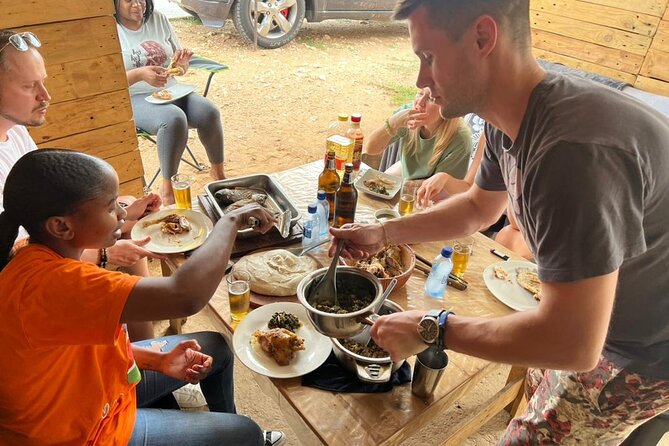
- Beginner-focused mahangu pap: learn how the staple porridge/dough gets made from start to finish
- Braai and kapana-style grilling: cook and learn the basics of Namibian BBQ
- A home setting in Windhoek: meet Namibians where they live and share stories while you cook
- Local desert-crop context: learn how farmers grow and store mahangu
- Food included, alcohol excluded: snacks, lunch, soda/pop, and bottled water are part of the price
- Open to different eaters: vegetarian options are available (spinach and marula fruits)
Why Mahangu Pap Feels Like the Real Namibia Lesson
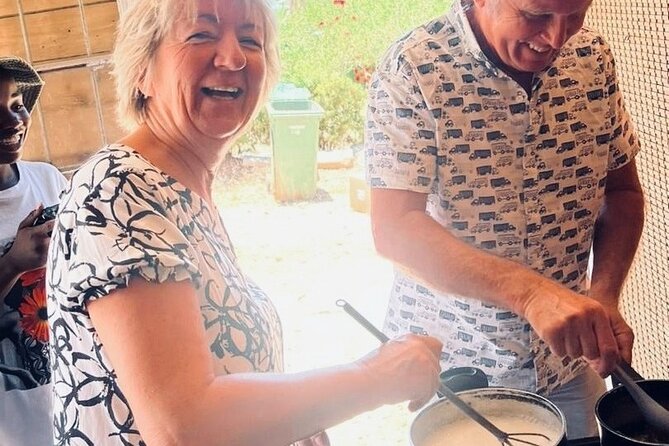
Mahangu pap is the kind of food that makes you understand a place fast. In this class, it’s not treated like a random local dish. It’s the starter point, the staple, and the backbone of the meal.
You’ll start by learning how to make pap from mahangu (a millet-based grain). The class is geared toward beginners, which matters, because pap can look intimidating until you see the texture you’re aiming for. Your tutor guides you through the process while you’re actually doing the work, not just listening.
The best part is what comes alongside cooking: you also learn how locals think about mahangu beyond the pot. That includes farming and storage—especially important in Namibia’s dry conditions. You come away with a basic understanding of why the grain is so central, not just how to mimic a recipe.
And yes, you get to eat what you made. That alone turns the class from a “nice tour” into a meal you’ll remember.
Cooking the Staple First: What You’ll Do With Mahangu
Expect to get your hands into the pap right away. The core goal is simple: learn to make the staple “pap”—described here as a porridge made from mahangu—and understand how it comes together.
As you prep, you’ll hear about mahangu farming and how it’s stored. This is one of those lessons that doesn’t feel like trivia. It explains why certain methods exist and why certain ingredients matter. In Namibia, where growing conditions can be tough, storage and preparation are part of the skill.
The class format is set up so you don’t feel lost. You’ll be working step by step, and the tutor’s focus is helping you build the technique, not just producing a pretty result. That’s what you want if your plan is to cook pap again at home later.
You’ll also learn how pap fits into the rest of the meal. It’s not just a side. In this food culture, pap is often the base that soaks up sauces and juices from grilled meat or stews.
Braai, Kapana, and the Skill Behind the Sizzle
After you’ve got pap underway, the class shifts to what many people picture as Namibian comfort food: grilling and hearty mains.
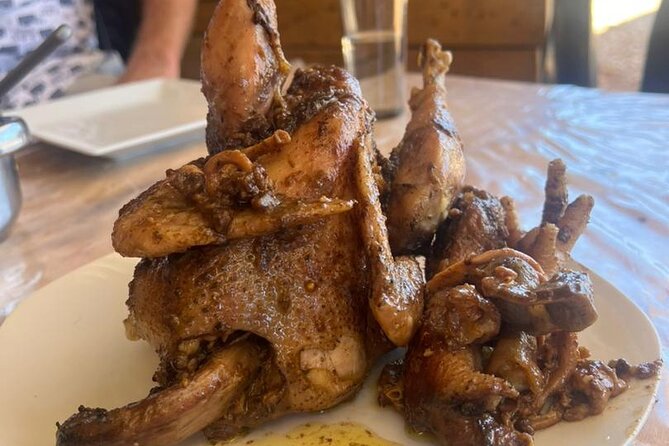
You’ll prepare classic beef for a braai (BBQ) and you’ll learn the basics of grilling as part of the cooking experience. If you’ve ever watched BBQ from a distance, this is the chance to translate that into real technique: managing heat, timing, and getting flavor into the meat in a way locals do it, not just how a restaurant would plate it.
Depending on the group and what’s planned, you might also find other meat-based dishes showing up as part of the same cooking session. The takeaway for you is consistent either way: you’re learning process, not just copying one recipe.
One thing I appreciate about this setup is that it keeps you practical. You don’t need to be a chef. You just need to follow instructions, ask questions, and be willing to get a little messy. Most people do.
The Home-Kitchen Part: Why This Class Feels Authentic
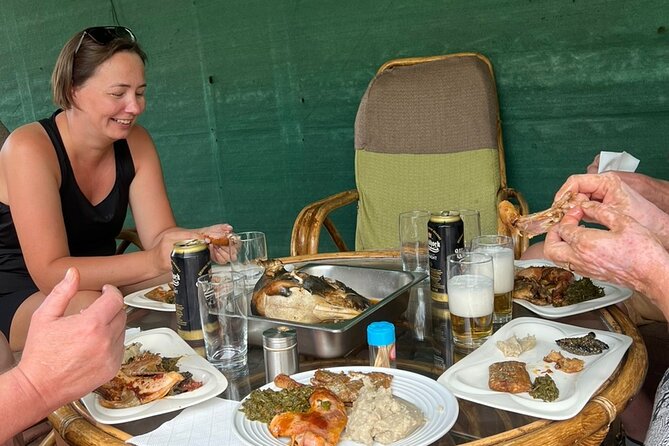
This isn’t about a big commercial kitchen. The structure is built around meeting Namibians in their homes, where you can exchange stories while you cook.
That’s the cultural payoff. Food is the doorway, but the conversation is the point. You’ll be spending real time with your hosts and tutors, and you’ll likely hear how everyday life shapes cooking habits—what people buy, what they grow, what they preserve, and what gets served when.
In Windhoek, this often means you’re cooking in a neighborhood home setting (some classes are noted around Katatura). The atmosphere tends to be relaxed and welcoming rather than staged. And it helps that the kitchen setup is practical: feedback from past sessions highlights cleanliness, working electricity (so a functioning fridge), and handwashing practices. In other words, you’re not dealing with “roughing it” kitchen vibes.
There’s also a subtle benefit for you as a traveler: you get better context for what you’ll see and eat later. When you understand mahangu and why it’s stored and prepared this way, Namibia stops being just a blur of landscapes and starts becoming a set of food systems you can actually follow.
Tasting Options: Mopane Worms, Smilie Goat Head, and Vegetarian Plates
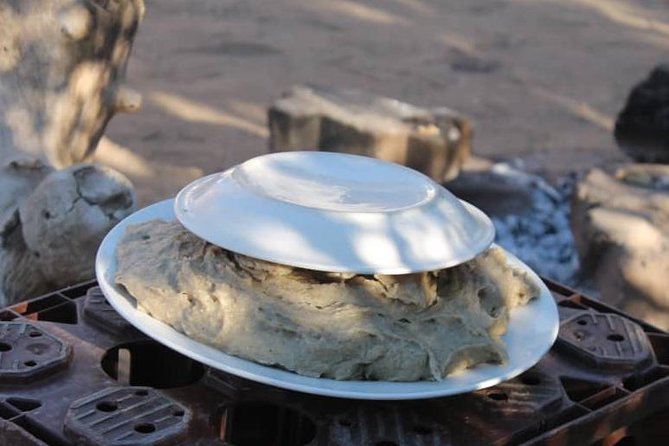
This class is open about adventurous tasting. If you want to try local delicacies, you’ll likely get the chance to taste mopane worms and goat head—called Smilie. That’s not included as a “gotcha” or a dare; it’s presented as part of the local food experience.
Here’s the practical way to handle it: if you’re curious but unsure, say so early. Tell your tutor what you’re comfortable with before you sit down to eat. That keeps the experience positive for everyone.
If you’d rather not do insect or offal-style tastings, the good news is that vegetarian options are available. The class can prepare local spinach and marula fruits for vegetarian guests. In some sessions, spinach shows up as the base for the veg side, and you’ll still get a full meal experience rather than a sad “bread and salad” substitute.
So you’ll likely end up with a plate that still feels Namibian, even if you skip the more intense items. The goal is that you leave understanding what people eat daily—and that means giving vegetarian guests a real role at the table.
What You Eat and Drink: Included Food vs. Alcohol
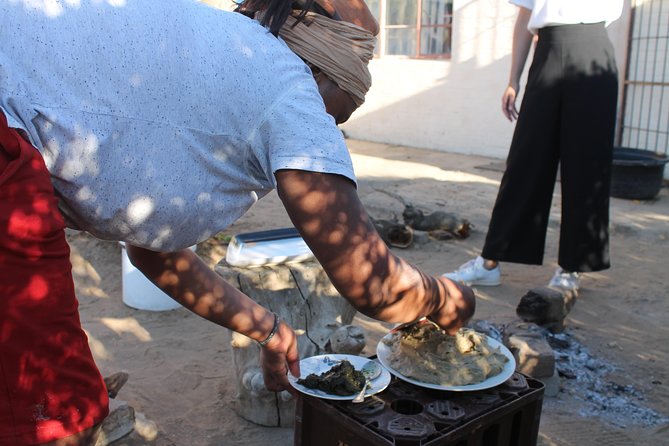
The price includes everything tied to the meal. You can count on snacks, soda/pop, lunch, and bottled water.
Alcoholic beverages are not included. That doesn’t mean the experience is dry in spirit—your hosts may still share stories alongside local drinks—but you should plan on paying for any alcoholic purchases separately.
For budgeting, this is a big deal. Many “food experiences” charge you extra once you reach the table. Here, the class price is built to cover the meal experience itself, so you’re not doing mental math while you’re hungry.
Also, because this is a cooking class in a home setting, the food isn’t just an attraction. It’s the ending. You cook, then you sit down and eat your own results, which makes the included lunch feel like part of the lesson rather than a separate transaction.
Timing, Pickup, and How a 3-Hour Class Stays Pleasant
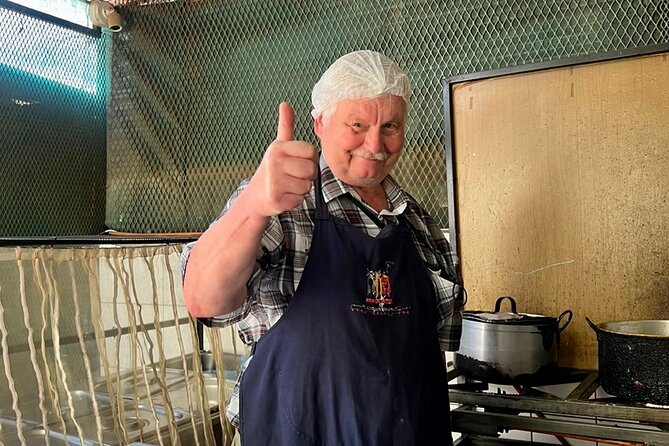
The class runs about 3 hours. That’s a sweet spot: long enough to learn technique and cook, short enough that it doesn’t eat your whole day.
Pickup is offered, and private transportation is included. The meeting point is near Christuskirche on Robert Mugabe Ave, and the class ends back at the starting meeting point. If you’re staying in town, this kind of pickup-and-return plan usually means less stress and more time on the activity itself.
Because it’s private (only your group participates), pacing is more flexible than a large group class. You’re less likely to be stuck waiting your turn while someone else handles the food.
Packing advice is simple: wear comfortable clothes you don’t mind getting a little splattered, and bring a good appetite. If you’re planning to try the adventurous items, decide what you want beforehand and let your tutor know. It keeps the whole meal more comfortable.
One more small point from past participants: handwashing and cleanliness were specifically noted, which matters when you’re cooking with your hands and eating what you prepare.
Is This Good for Beginners, Families, and First-Time Visitors?
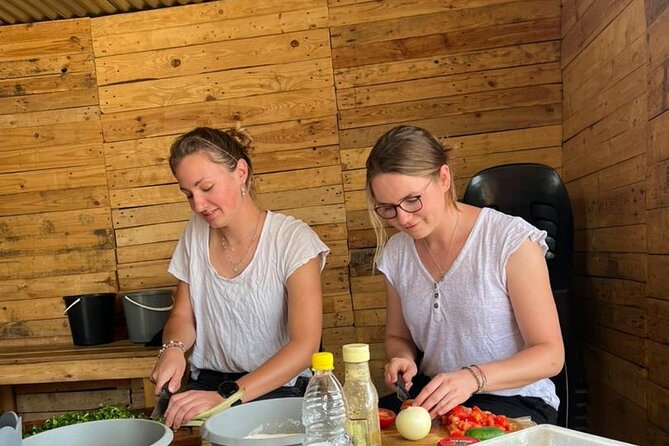
Yes—this is a beginner-friendly way into Namibian cooking. Pap is the perfect starting point because it’s a staple and the class teaches you the technique rather than assuming skill.
It also works well for people who want culture, not just food. You’ll learn about mahangu farming and storage. You’ll meet people in their homes. You’ll share stories while you cook. That’s ideal if you’re in Windhoek for a few days and want one experience that feels grounded.
Families: children are welcome. That matters for people traveling with kids, because many cooking classes end up being “for adults only” in practice.
If you’re a picky eater, you’re not out of luck. Vegetarian dishes are available, and the class can focus on spinach and marula fruits instead of the meat and adventurous sides. Just communicate your preferences early so your menu feels right for you.
If you’re extremely squeamish about mopane worms or goat head, I’d treat this as a “maybe-taste” situation rather than a guarantee. You can still enjoy the pap lesson and the core meal even if you skip those items.
Price and Value: Does $56.99 Make Sense for What You Get?
At $56.99 per person, this class is priced like a meal plus guided instruction plus transport. And that’s basically what you get.
You’re not just paying for a recipe sheet. You’re paying for:
- a guided, hands-on lesson on making mahangu pap
- help with cooking a braai-style beef meal
- a full lunch experience that includes snacks and drinks
- private transportation and bottled water
In practical terms, it’s good value if you want a real Namibian cooking session without having to organize ingredients, tools, and a place to cook. For many visitors, the value is also emotional: you leave with a skill you can repeat at home and a story you can tell that isn’t about a tour bus.
If you’re on a tight schedule, the 3-hour format helps the math. It’s long enough to matter, short enough to fit around other Windhoek plans.
Should You Book This Windhoek Mahangu Pap Class?
I’d book it if you want a beginner-friendly cooking lesson that connects food to real daily life. The mahangu pap training is the anchor, and the home setting with hosts like Linda and Iyaloo is the reason it feels authentic instead of performative.
Book it if you’re open-minded about taste and enjoy hands-on activities. Mopane worms and Smilie goat head are part of the possible tasting menu, but vegetarian options are available too, so you can still have a full meal without forcing it.
Pass or reconsider if you strongly dislike adventurous foods and you don’t want to compromise at all. In that case, you may still be able to focus on the vegetarian side, but confirm your comfort level before booking.
FAQ
What is included in the class price?
The class includes snacks, soda/pop, lunch, private transportation, and bottled water. All food and drink in the class are covered in the price.
Are vegetarian options available?
Yes. Vegetarian options are available and can include local spinach and marula fruits.
Is this tour private?
Yes. It’s a private tour/activity, and only your group will participate.
How long does the cooking class last?
The duration is about 3 hours.
Is alcohol included?
No. Alcoholic beverages are not included.
Can I get a full refund if my plans change?
Yes, you can cancel up to 24 hours in advance for a full refund. If you cancel less than 24 hours before the experience starts, the amount paid is not refunded.
Bottom Line
This is one of those Windhoek experiences where the value comes from doing, not just watching. You’ll learn mahangu pap basics, cook a Namibian-style BBQ meal, and eat what you make in a home setting—an efficient, memorable way to get beyond the tourist bubble.