REVIEW · TUSCANY
Siena: Organic Cooking Class & Tastings
Book on GetYourGuide →Operated by Slow cooking experience · Bookable on GetYourGuide
A good pasta lesson should taste like work that matters. In this Siena-area class, you learn fresh organic pasta techniques and get wine and olive oil pairing tips, all while you cook and eat together. It’s the kind of day where the details matter: dough texture, how to shape, and what to pair with what.
I especially liked how Alina keeps the focus on organic ingredient sourcing and practical cooking steps you can reuse later. The main heads-up: you’re in Località Dolciano 3 and the meeting point is at a specific borgo gate, so arrive a bit early and don’t trust every map pin.
In This Review
- Key things to know before you go
- Organic pasta in the Siena hills: why this class feels real
- Finding Località Dolciano 3 and your gate-side meeting point
- The hands-on pasta flow: dough, shapes, sauces, repeats
- Organic sourcing: what you learn about growing and using it
- Wine and olive oil tastings that actually connect to the meal
- Lunch with wines, dessert, and liquors: the built-in payoff
- What the one-day schedule means for your body and your time
- Price and value: is $124.61 per person fair for Tuscany?
- Who this is best for (and who might prefer something else)
- Simple booking considerations that will save you stress
- Should you book the Siena organic cooking class?
- FAQ
- How long is the Siena organic cooking class experience?
- Is the class taught in English?
- What’s included in the price?
- Where do I meet the instructor?
- What should I bring?
- Can I cancel or pay later?
Key things to know before you go
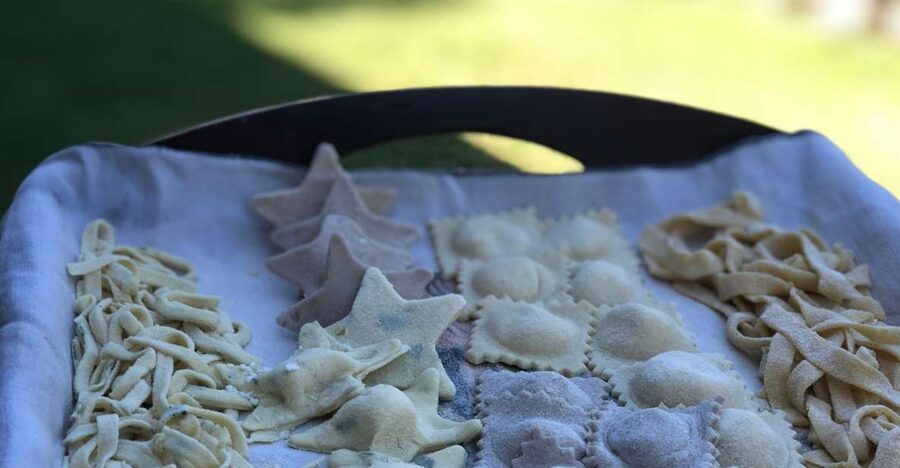
- Learn pasta from scratch: dough kneading, cutting, shaping, and cooking steps
- Organic ingredient focus: growing and using organic products from local producers
- Sommelier-guided tastings: wine and olive oil tastings paired to your dishes
- You eat what you make: lunch with wines plus dessert and liquors
- Small-group feel: easier Q&A and more attention during the hands-on parts
Organic pasta in the Siena hills: why this class feels real
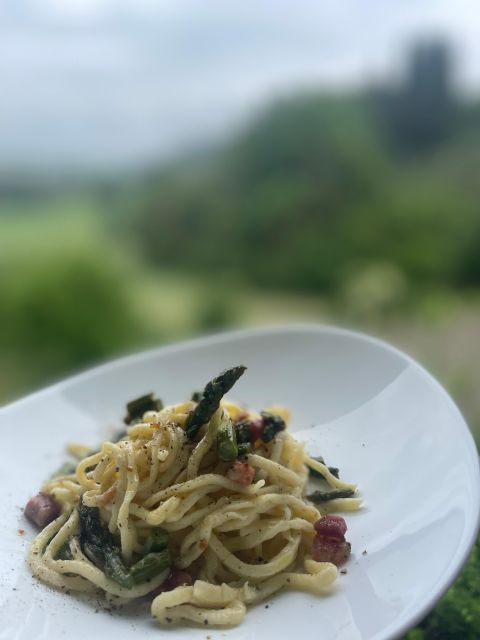
Tuscany cooking classes can sometimes feel like a performance where you just sample. This one leans the other way. You’re making pasta from scratch, and the day is built around how organic ingredients change the end result: flavor, freshness, and the way sauces stick and balance.
You also get a more grown-up view of Italian food culture. Alina talks through the why behind the steps, and she’s not just winging it. Her background as a professional sommelier shows up in how she links what you cook to what you drink and pour—so the meal feels like one connected experience, not separate activities.
You can also read our reviews of more tours and experiences in Tuscany.
Finding Località Dolciano 3 and your gate-side meeting point
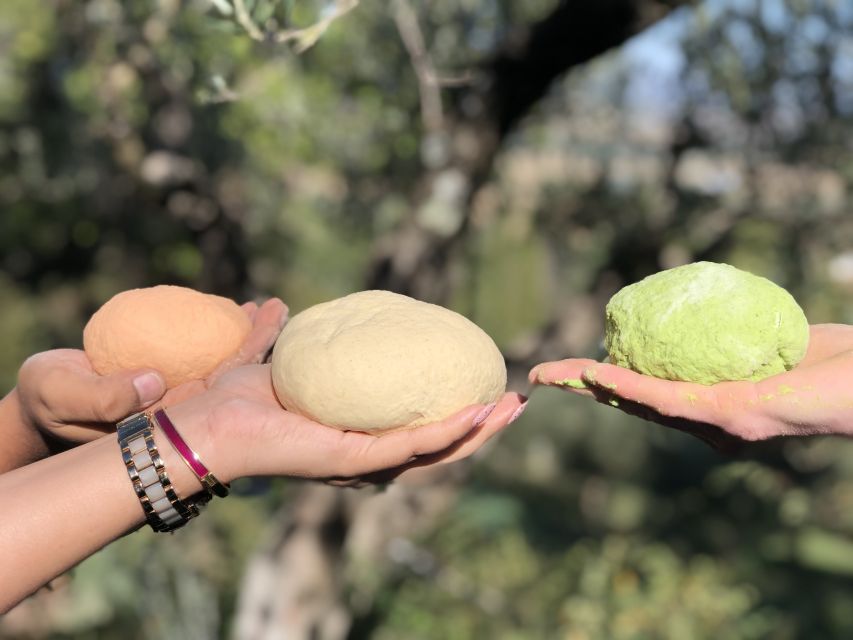
The day starts at Località Dolciano 3. Plan to arrive 5 minutes early and look for your instructor at the gate just after the gate of Borgo Dolciano.
One practical tip: the exact pin can be annoying on some map apps (Dolciano can show up in different ways). If you’re arriving by foot or rental car, get yourself there a little early and use the street/gate reference, not just the blue dot.
At the end, the class returns you back to the same meeting point at Località Dolciano 3. So there’s no mystery “where do we go next?” moment.
The hands-on pasta flow: dough, shapes, sauces, repeats
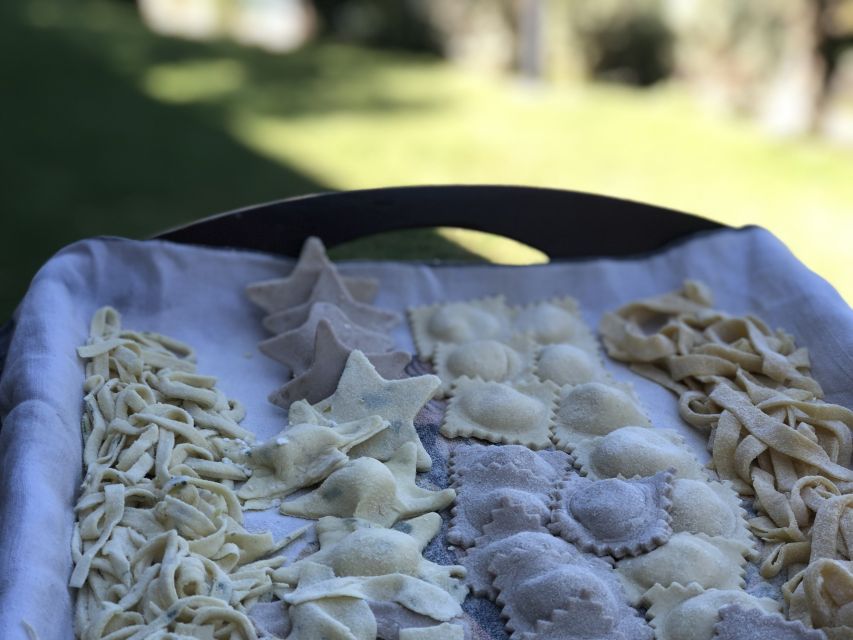
Here’s what you’re actually doing during the class, and why it’s worth your time.
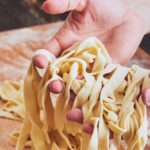
You start with dough. You’ll knead it until it hits the right texture—this is one of those skills that sounds simple until you’re doing it. The goal is consistency: dough that’s workable without being sticky, and elastic enough to shape without tearing.
Next comes the fun part: shaping. You’ll cut and shape pasta styles during the session, then learn how to cook each type properly. Pasta times can be tricky, and this is where instruction matters. Even when you think you know boiling water, knowing when the pasta is ready changes everything about your finished plate.
Then you move to sauces. You’re guided through sauce creation so it complements your pasta instead of fighting it. Italian pasta is picky about balance—too heavy, too acidic, too bland. The class keeps you thinking about pairing ingredients and flavors so the sauce supports the pasta rather than covering it.
Organic sourcing: what you learn about growing and using it
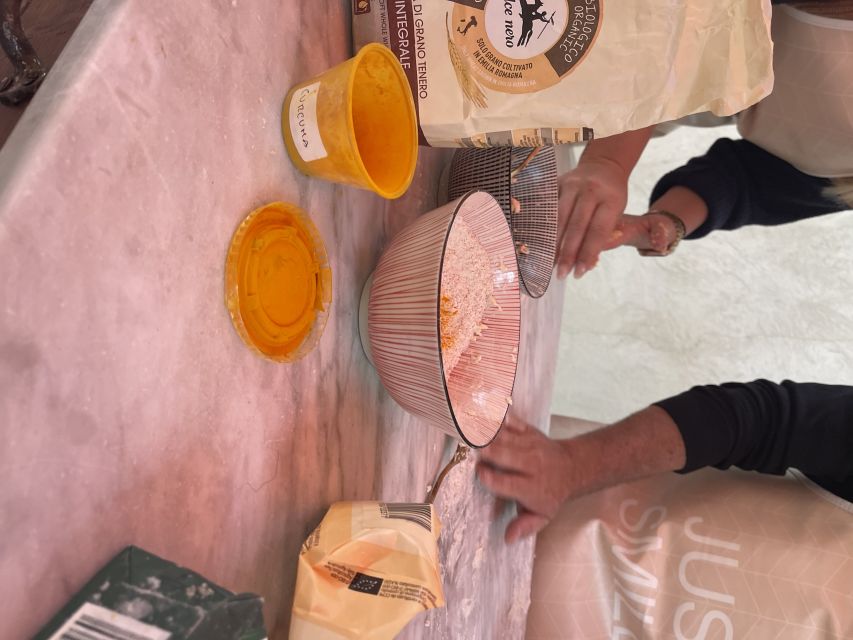
A lot of classes say organic. This one puts the focus on how organic ingredients are grown and then how to use them.
You’ll discuss organic ingredients sourced from local producers and how seasonal ingredients can change what you cook. That matters because in Italy, the calendar isn’t just a calendar—it’s your shopping list. When you learn to cook with what’s available and in season, you stop chasing perfect and start chasing flavor.
Even if you don’t leave with a farm schedule in your bag, you’ll walk away with a better eye for what makes an ingredient taste like itself. That’s a big deal if you cook at home. You’ll know what to look for when you’re shopping: freshness, ingredient quality, and simpler choices that let taste lead.
Wine and olive oil tastings that actually connect to the meal
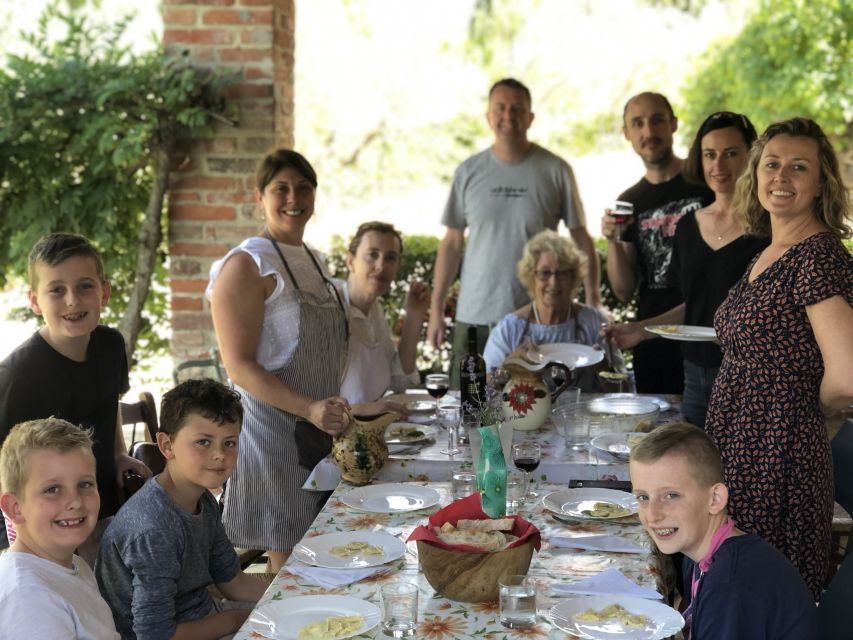
This is where the sommelier angle pays off. You get wine and olive oil tasting along the way, not as a separate side quest.
The teaching style is practical: Alina offers pairing tips and explains how different wines and olive oils work with your food. She also connects pasta shapes to the pairing idea. That’s the kind of detail you won’t get from a generic “here’s some Chianti” approach.
Olive oil is especially important here because you’re learning to think about taste layers. Olive oil isn’t just a pour—it’s flavor, aroma, and texture. Wine adds acidity and structure, which can either make a dish feel balanced or tip it into too much of one thing.
You’ll leave understanding why a pairing works, which means you can recreate it when you’re not standing in Tuscany with someone holding the tasting notes.
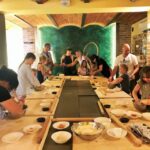
Lunch with wines, dessert, and liquors: the built-in payoff
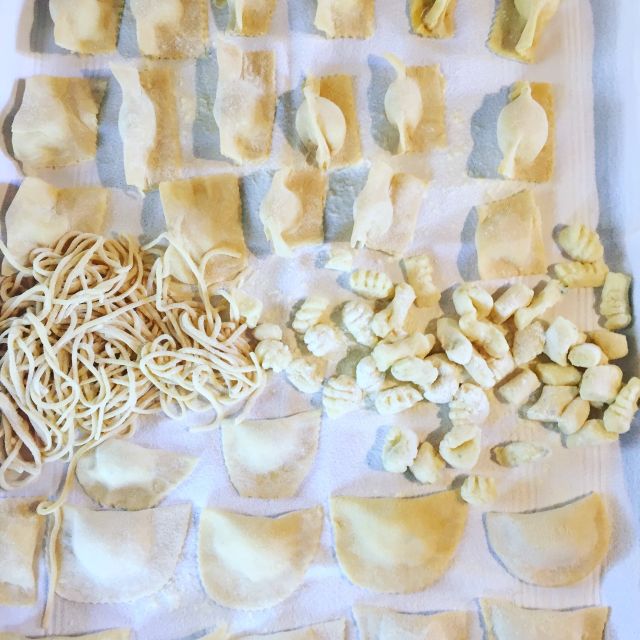
After all the work—kneading, shaping, cooking—you get lunch with wines. This is not just a sit-down break. It’s part of the lesson, because you’re tasting what you cooked in the context of the pairings you learned earlier.
You also get dessert and liquors. That keeps the meal feeling like a full Italian day rather than a half-class, half-snack setup.
One thing to note for your own expectations: since you’re eating as part of the experience, pace yourself. You’re tasting wine and olive oil, then drinking wines with lunch. If you’re sensitive to alcohol or you’re driving later, plan accordingly.
What the one-day schedule means for your body and your time
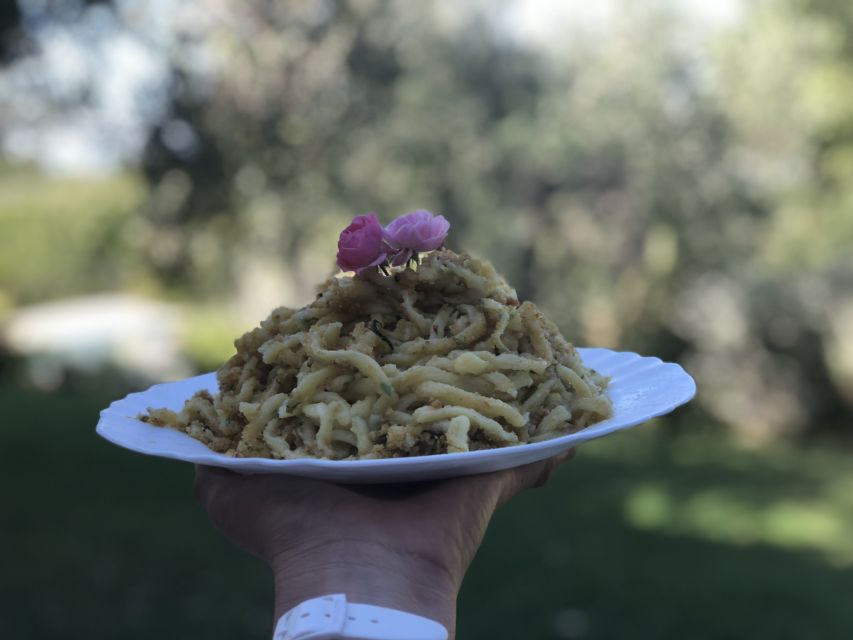
This experience runs for a valid 1 day, and starting times vary by availability. So you’ll want to check what time slot you’re booking and build the rest of your day around it.
Even though it’s “just one day,” it’s not passive. Expect hands-on work and lots of small steps. You’ll be standing, moving, shaping dough, and tasting. That’s why comfortable shoes matter more than you’d think at first.
If you love cooking, this won’t feel like a big time commitment. If you’re hoping for a long, slow sightseeing day with minimal effort, this may feel like more cooking than you expected. It’s a cooking class first—everything else supports the food experience.
Price and value: is $124.61 per person fair for Tuscany?
At $124.61 per person, you’re paying for more than instruction. You’re paying for ingredients, tastings, and meals—all tied to a hands-on format.
Here’s where the value shows up:
- You get a real pasta-making skill you can practice at home
- You also get structured tastings of wine and olive oil, plus pairing guidance
- Lunch with wines, dessert, and liquors turn the day into a complete meal experience, not just a class
You might find cheaper classes elsewhere, but the combo here—organic ingredient focus, sommelier pairing, and a full tasting-and-meal flow—helps justify the price if your goal is learning, not just eating.
I’d say it’s especially good value if you’re traveling with a small group or going solo. In a class format, you naturally get more attention than you would at a big group event.
Who this is best for (and who might prefer something else)
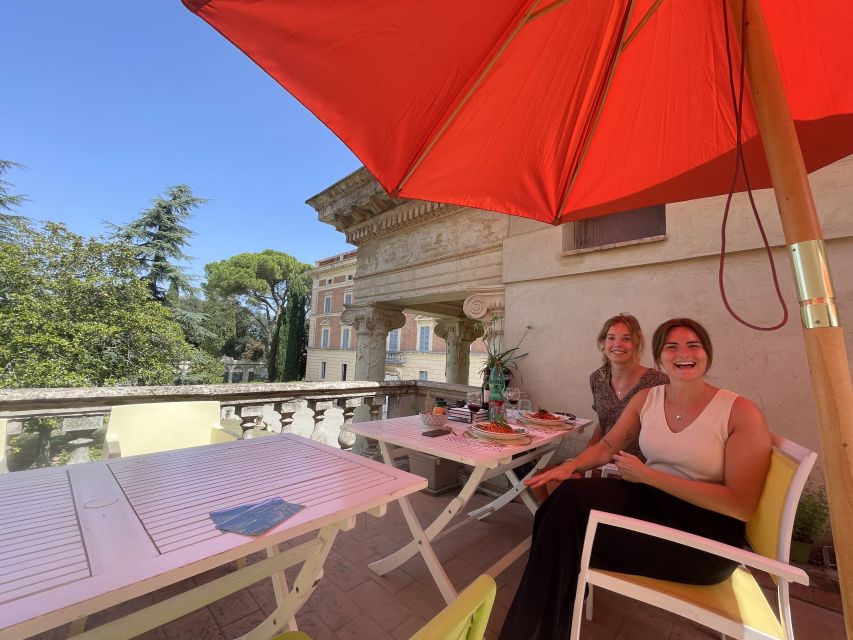
This class is ideal if you:
- Want hands-on cooking, not a lecture
- Care about organic ingredients and learning how to use them well
- Like wine and olive oil and want pairing knowledge you can reuse
- Prefer a small-group setting where questions aren’t lost
It’s also a good choice if you’re a confident home cook. You’ll likely enjoy the technique and the pairing reasoning.
If you only want a quick food tasting with minimal effort, you may find it’s too hands-on. And if you hate kneading dough or don’t enjoy cooking tasks at all, this will feel like the wrong fit.
Simple booking considerations that will save you stress
Before you book, do two quick checks:
- Confirm the starting time that matches your day, since it can vary.
- Plan your arrival to Località Dolciano 3 with extra time, because the meeting point is at a specific gate location.
If your plans change, you can cancel up to 24 hours in advance for a full refund, and there’s a reserve now & pay later option if you want flexibility.
Should you book the Siena organic cooking class?
Book it if you want a day in Tuscany that feels like learning Italian cooking the way locals would talk about it: technique, ingredients, and pairings that make sense together. The organic focus plus the sommelier-led wine and olive oil tastings give this class more depth than many pasta demos.
Skip it (or look for a different style) if your priority is sightseeing first and cooking last. This is a cooking class built around eating what you made, so you’ll get the most out of it when you’re ready to work a bit, taste a lot, and go home with skills.
If you like food you can recreate, this one is worth your time.
FAQ
How long is the Siena organic cooking class experience?
It’s a valid 1 day experience. Starting times depend on availability.
Is the class taught in English?
Yes, the instructor teaches in English.
What’s included in the price?
Coffee is included, along with the cooking class, a wine and olive oil tasting, lunch with wines, dessert, and liquors.
Where do I meet the instructor?
Meet at Località Dolciano 3. Arrive 5 minutes early and look for the instructor at the gate just after the gate of Borgo Dolciano.
What should I bring?
Wear comfortable shoes, since you’ll be standing and working during the class.
Can I cancel or pay later?
You can cancel up to 24 hours in advance for a full refund. You can also reserve now and pay later to keep plans flexible.