REVIEW · BELGRADE
Traditional Serbian Cooking Class in Belgrade with Locals
Book on Viator →Operated by Traveling Spoon · Bookable on Viator
Cooking Serbian food starts at a real home. This Belgrade experience lets you roll up your sleeves for a hands-on Serbian cooking class with Dragana in Ripanj, then sit down to a meal you helped make. I particularly loved learning Serbian bread techniques alongside the main dishes, because it feels practical, not just instructional.
You’ll be based in Ripanj (a Belgrade suburb), and since there’s no hotel pickup, getting to the meeting point on time is the main thing to plan for. If you can handle that, this is a warm, local way to taste Serbia beyond the usual restaurant routine.
In This Review
- Key Things I’d Book This For
- Belgrade’s Ripanj Cooking Lesson: A Home You Can Taste
- What You’ll Cook: Prebranac, Sarma, Pilav, and Serbian Bread
- Your main dish choices
- Bread is not an afterthought
- How much can change by season
- Inside Dragana’s Home Kitchen: How the Class Actually Works
- The setting: Ripanj, a real household kitchen
- What happens during the lesson
- English instruction and adapting to preferences
- Optional Banjica Green Market Walk and Picking Produce
- What you’ll do at the market
- A note on seasonality
- The Dinner Part: Sit Down, Set the Table, Eat What You Made
- What your table experience includes
- Why this dinner format matters
- Price and Value in Belgrade: Why $104 Can Make Sense
- Who Should Book This Serbian Cooking Class
- Quick Practical Tips for a Smooth 3 Hours
- Should You Book This Cooking Class in Ripanj?
- FAQ
- Where does the experience start and end?
- How long is the cooking class?
- Is hotel pickup and drop-off included?
- What do you learn to cook?
- Are meals and dessert included?
- Is there an English option?
- Can you accommodate dietary restrictions?
- What’s included if I add the optional market tour?
- Is this a private experience?
- What happens if I need to cancel?
Key Things I’d Book This For
- Dragana’s home cooking: you’re not stuck in a studio kitchen
- Hands-on main dishes: choose prebranac, sarma, or pilav
- Bread time: proja (cornbread) and other bread options are part of the lesson
- Optional Banjica green market: learn how to pick produce before you cook
- You set the table and eat what you made: the meal is the payoff
Belgrade’s Ripanj Cooking Lesson: A Home You Can Taste
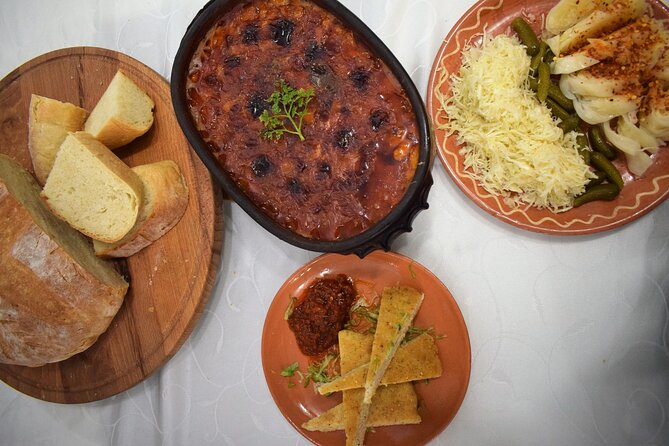
If you want Serbian food that feels personal, not performative, this is the kind of experience that makes sense. You’re invited into Dragana’s home in Ripanj, a suburb in Belgrade, for a cooking class that’s built around real household routines. That matters, because Serbian comfort food is all about technique you can actually use later—how you shape cabbage rolls, how you balance a bean base, how you bake bread that holds up with a meal.
I like that the class is structured and specific: you learn a main dish from scratch and also learn how to bake their famous bread. You’re not just watching someone else cook. And since you finish by sharing the food you prepared, the “activity” turns into dinner with context—what these dishes are for, how they’re typically served, and why the bread and sides matter.
The optional market walk adds another layer. You get to see ingredients in their natural setting—fresh fruit, vegetables, meat, eggs, and local foods—before you cook. That makes the meals feel more grounded, especially if you’re the type who likes understanding why certain ingredients pair so well.
What You’ll Cook: Prebranac, Sarma, Pilav, and Serbian Bread
The cooking portion is built around choosing a main dish. You’ll learn to make two key parts: the main dish (one of three options) and bread (from the provided options). The goal is simple: you leave with a stronger sense of Serbian home flavors, plus a clear idea of how these dishes come together.
Your main dish choices
You’ll select one option for the main course:
- Prebranac (baked beans): hearty, slow-cooked comfort with a baked texture
- Sarma (Serbian stuffed cabbage): cabbage rolls with a filling you assemble and bake
- Pilav (rice): a main built around rice, cooked as a dish rather than a side
Each main dish also comes with an appetizer option. For example:
- With prebranac, you may get suvi vrat (smoked meat), kajmak (clotted cream), and ajvar (eggplant and bell pepper dip)
- With sarma, you may get trljanica (a salad)
- With pilav, you may get dumpling soup
That pairing system is smart for first-time cooks. It prevents the meal from feeling random. You’ll taste how Serbian households often build a table: something savory and filling, plus something creamy, smoky, fresh, or tangy to balance it out.
Bread is not an afterthought
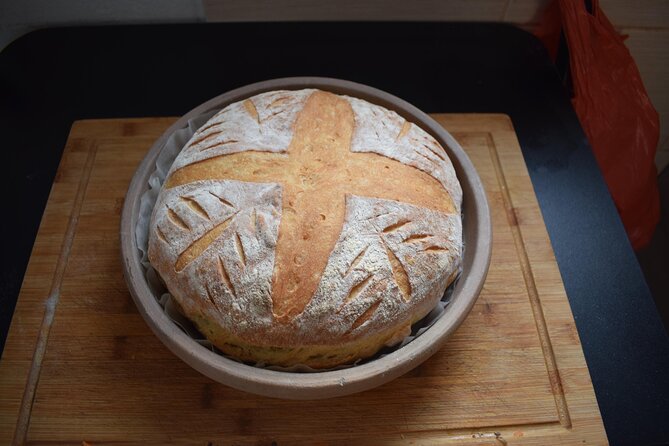
Bread is a major highlight here. You’ll learn to bake:
- Proja, a traditional Serbian cornbread
- And possibly hleb, a flatbread option (depending on what’s listed for your session)
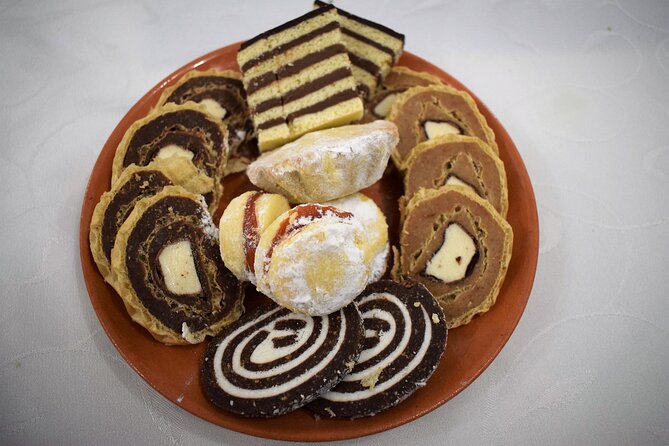
You also get salad and dessert as part of the meal. Salad is described as seasonal, and dessert is sitni kolaci, sweet cookies. This set-up is nice because you experience the full flow of a typical home meal: starter, main, bread, and a sweet finish.
How much can change by season
Menus can vary depending on the season. That’s not a problem—it’s part of why home cooking feels different from restaurant cooking. You’ll likely see shifts in what’s freshest, and you’ll get to cook with ingredients that make sense for the time of year.
Inside Dragana’s Home Kitchen: How the Class Actually Works
This is a private, personalized experience—only your group participates. That format helps a lot because Dragana can adjust to your pace and questions. If you’re the kind of traveler who learns best by doing, you’ll likely appreciate the hands-on focus.
The setting: Ripanj, a real household kitchen
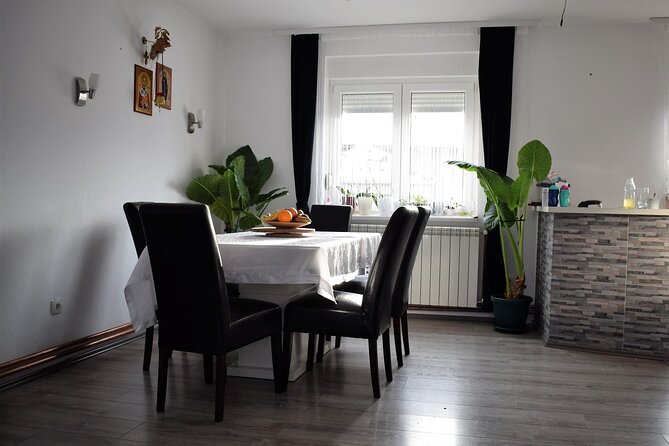
Dragana teaches in her home in Ripanj. That’s the big difference from many cooking classes in big cities that feel like a commercial setup. You’re in a working home space, which means you get a more accurate feel for what Serbian meals look like on an ordinary day.
One practical consideration: home kitchens can be small. The class is designed so it works best when the group is kept small. If you’re coming with friends, consider whether you want a hands-on pace versus a more “watch-and-try” style. For the best experience, you want enough room to actually work with ingredients, not just stand around.
What happens during the lesson
You’ll learn to make the main dish and also learn the bread process while that main dish is cooking. The lesson is essentially two workstreams:
- Make the main dish base and shape/assemble steps
- Bake the bread while the main finishes
Then you help with the table setting and share the meal. That last step sounds simple, but it’s where the experience locks in. You’re not leaving right after cooking. You’re participating in the whole rhythm—prepare, bake, serve, eat.
English instruction and adapting to preferences
The class is offered in English. There’s also flexibility around dietary needs on request, including vegetarian and vegan meals. If you have allergies or specific dietary restrictions, you should advise at booking, so the menu can be adjusted in advance.
Optional Banjica Green Market Walk and Picking Produce
There’s an optional market tour that can be added to your experience. If you choose it, you’ll start by visiting Dragana’s garden to see vegetables she grows (summer months only). Then you’ll walk to the Banjica green market, a spacious open-air farmers market.
Even if you never cook with garden ingredients at home, the market part changes your cooking mindset. You start noticing texture and ripeness instead of just shopping by price. And since the market is tied to what you’ll cook later, your choices become part of the meal story.
What you’ll do at the market
You’ll walk around with your host and guide, and they’ll take you to their favorite vendors. You’ll get hands-on pointers about picking the best produce. After shopping, you head back to Dragana’s home for the cooking class and meal.
This is also the moment where you learn how locals think about ingredients. Market guidance usually focuses on what you can’t easily judge from a supermarket: which herbs smell right, which tomatoes feel firm, which vegetables look ready to cook rather than just “decent.”
A note on seasonality
Dragana’s garden vegetables are only mentioned for summer months, which tells you the experience truly tracks the calendar. If you’re traveling outside summer, you might miss that garden stop, but you’ll still get the market walk if you select the option.
The Dinner Part: Sit Down, Set the Table, Eat What You Made
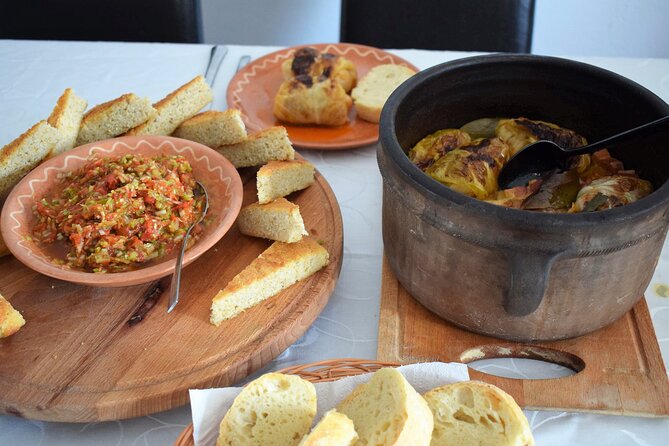
The food isn’t a separate event. It’s the point. After the cooking class, you help set the table and then share the meal you made. That turns the class into something more meaningful than a “ticketed activity.”
What your table experience includes
Your meal includes:
- A starter (you choose among the listed options for starters, with salad, bread, and dessert included)
- The selected main dish
- Bread (including proja or hleb depending on the session)
- A dessert of sitni kolaci sweet cookies
You’ll also get specific appetizers tied to your main dish choice. For example, suvi vrat, kajmak, and ajvar are classic flavors that show up in Serbian home meals and give you a strong taste of smoky, creamy, peppery balance.
Why this dinner format matters
I find that cooking classes can feel awkward when everyone eats something that’s mostly been prepared for them. Here, the act of cooking and the act of eating are connected. You’re more likely to remember the steps, because your brain ties technique to taste right away.
Also, setting the table makes it feel like you’re part of the household flow. You don’t just learn recipes—you learn how they land on a plate and in a family meal.
Price and Value in Belgrade: Why $104 Can Make Sense
At $104 per person for about 3 hours, this isn’t the cheapest thing you can do in Belgrade. But it’s also not a generic “food tour” where you sample small bites and move on.
Here’s why the value can feel solid:
- You’re paying for a private, home-based lesson with an actual host
- You get hands-on cooking of a main dish and bread, plus a full meal
- If you add the market tour, there’s a guided market component plus a garden stop in summer months
- The class includes all fees and taxes, plus gratuities, so the final cost is simpler to predict
One watch-out: there’s no hotel pickup and drop-off. That can add a bit of cost or time if you’re staying far from Ripanj. Still, if you’re already okay using public transportation and/or a short ride, the experience becomes easier to justify.
If you love practical cooking, this price starts to make more sense. You aren’t just buying food—you’re buying transferable know-how, plus a full meal in the same package.
Who Should Book This Serbian Cooking Class
This experience is ideal if you fall into at least one of these categories:
- You want hands-on cooking rather than a passive demo
- You like local hosts and real home environments
- You want to learn specific Serbian dishes like prebranac, sarma, or pilav
- You’re traveling in a small group and prefer personalized attention
- You’d enjoy adding the Banjica green market walk to connect ingredients to cooking
It’s also a great choice for food lovers who plan to cook later. Bread-making and assembling the main dish steps are the kinds of skills you can repeat at home without needing special equipment beyond standard kitchen tools.
If you’re short on time and hate transit logistics, you may find the lack of pickup annoying. But if you’re flexible and arrive on time, this kind of experience often pays you back with a meal that feels earned.
Quick Practical Tips for a Smooth 3 Hours
A few things will help your experience go smoothly:
- Plan to get to Avalska in Ripanj on time since there’s no pickup
- Bring a small notebook or phone notes for the steps you want to repeat later
- If you have allergies or dietary restrictions, mention them when booking so the menu can be adjusted
- Wear comfortable clothes for a home kitchen environment
- Expect a small working space; keep your group size in mind for the best hands-on pace
Also remember: confirmation is provided within 48 hours of booking (subject to availability). So if you’re planning a tight schedule, book early.
Should You Book This Cooking Class in Ripanj?
I’d book it if you want a Serbian meal that feels like more than a menu item. The combination of a home-based lesson, real recipes like prebranac or sarma, and bread plus dessert makes it a complete experience, not just a cooking demo.
Skip it if you need hotel pickup, prefer big-group formats, or only want casual sightseeing. This class is for people who want to cook, ask questions, and then eat the results at the table.
If you’re coming to Belgrade for authentic food culture, this is one of the most direct ways to get it.
FAQ
Where does the experience start and end?
It starts at Avalska, Ripanj, Serbia, and ends back at the same meeting point.
How long is the cooking class?
The duration is about 3 hours.
Is hotel pickup and drop-off included?
No. Hotel pickup and drop-off are not included.
What do you learn to cook?
You learn to make a main Serbian dish from scratch and bake Serbian bread (proja or hleb, depending on the session). You also choose one main dish option: prebranac, sarma, or pilav.
Are meals and dessert included?
Yes. You’ll enjoy a homecooked meal, including starter, salad, bread, and dessert (sitni kolaci sweet cookies).
Is there an English option?
Yes, the experience is offered in English.
Can you accommodate dietary restrictions?
Dragana can offer vegetarian and vegan meals on request, and you should advise about allergies or dietary restrictions at the time of booking.
What’s included if I add the optional market tour?
If you select the market tour, you’ll enjoy a guided tour of Banjica green market. In summer months, you may also visit Dragana’s garden to see vegetables she grows.
Is this a private experience?
Yes. It’s private, and only your group participates.
What happens if I need to cancel?
You can cancel for free up to 24 hours in advance for a full refund.