REVIEW · ST JOHN S
St. John’s: Rum Cooking Class with 6 Rum Tastings
Book on GetYourGuide →Operated by Nicole's Table · Bookable on GetYourGuide
Rum has a way of pulling you in. This Rum tasting and cooking class at Nicole’s Table in Antigua turns rum’s story into actual food, in a hilltop home above the Caribbean Sea. I love the hands-on feel and how the dishes are designed so you can recreate them later at home. One consideration: there’s no hotel pickup, so you’ll need to plan getting to the meeting point on your own.
It’s also the kind of class that feels social without being chaotic. You cook with a local host, taste six regional rums, and then settle in for a three-course lunch on the veranda, with the view doing half the work of keeping you relaxed.
In This Review
- Key highlights worth your attention
- A hilltop rum day in Antigua, where stories turn into dinner
- Nicole’s Table: meeting point, timing, and what “hands-on” really means
- The opening cocktail: local juice plus Nicole’s Old-Fashioned Rum Punch
- Starter prep: sweet potato soup with rum
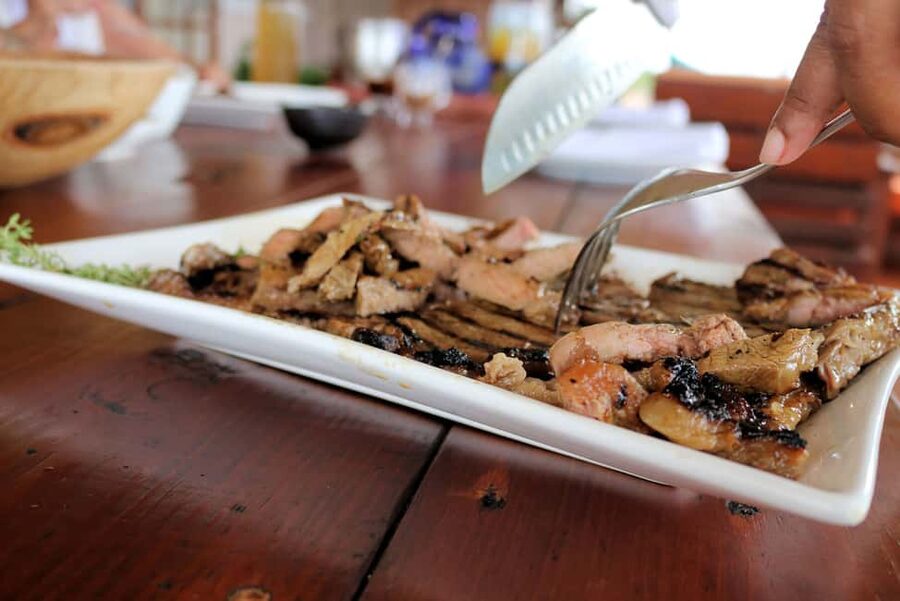
- Main course skills: rum and brown sugar flank steak plus onion jam
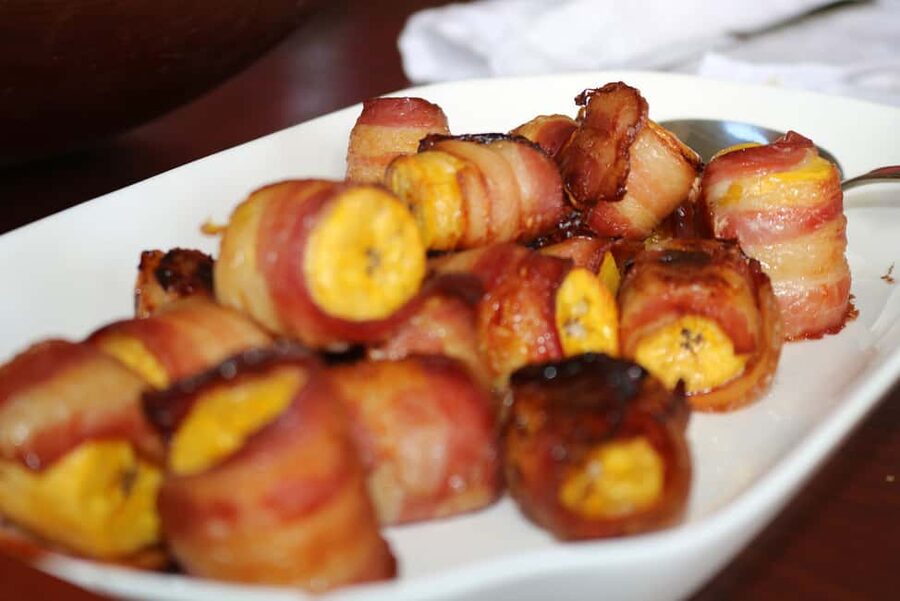
- Sides that round out the meal: bacon-wrapped plantains, red beans and rice, garden salad
- Dessert time: bread pudding with rum-soaked raisins and butter rum sauce or cake
- The six-rum tasting: Antigua to Guyana, Martinique, and Cuba
- Why the food stories matter (and how that helps you cook later)
- Lunch on the veranda: the part that makes four hours feel like less
- Price and value: what $164 covers, and what to watch for
- Who should book, and who might not love it
- Should you book this St. John’s Rum Cooking Class?
- FAQ
- How long is the rum cooking class?
- What time does the class start?
- Do they include hotel pickup and drop-off?
- What’s included in the price?
- Is there a rum tasting, and is there an age requirement?
- Is the class hands-on or more of a demonstration?
- Can I bring dietary restrictions or allergies to the booking?
Key highlights worth your attention
- Six rum tastings while learning how rum shifts flavors across different Caribbean cuisines
- Nicole and Adam as hosts, with a casual, story-driven approach that keeps the mood friendly
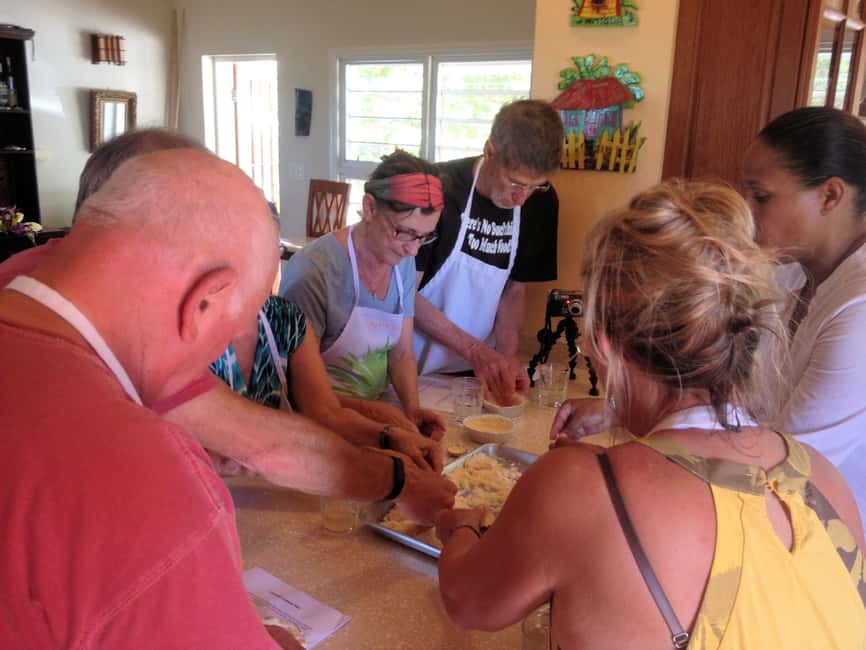
- Hands-on cooking where you actually prepare the recipes, not just watch
- Three-course lunch served on a veranda overlooking the sea
- A practical recipe booklet that makes it easier to repeat the meal later
- A timing sweet spot since classes start at 11:00 and usually end around 15:00
A hilltop rum day in Antigua, where stories turn into dinner
If you want an excursion that feels like you’re stepping into real Caribbean daily life (not a staged show), this one hits the mark. The class runs from a local home high on a hill above the sea. That elevation matters. You get breezes, you get light, and you get a view that makes the hours feel shorter.
What makes it special is the way rum stays in the conversation while you cook. You’re not just tasting alcohol. You’re learning where rum shows up in the Caribbean way of eating: in drinks, in savory sauces and marinades, and in desserts. The host, Nicole, keeps it informal and story-led, so you’re constantly connecting flavors to culture as you move through the meal.
The atmosphere also comes through in the hosting style. Nicole teaches in a very relaxed way, and her husband, Adam, joins in too, including being part of the rum tasting experience. It’s the kind of set-up where you can ask questions without feeling like you’re interrupting something formal.
You can also read our reviews of more tours and experiences in St John S.
Nicole’s Table: meeting point, timing, and what “hands-on” really means
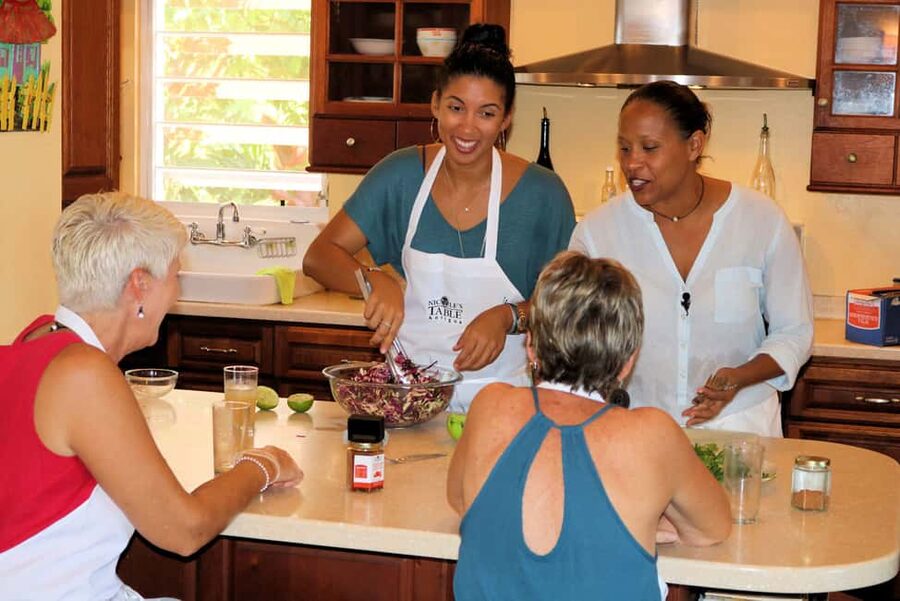
You meet at Nicole’s Table. There’s no pickup service, and once you reserve, you’ll be emailed directions. Plan on arriving on your own time, not as part of a shuttle chain. If you’re on a cruise, that can actually be a benefit: the class usually starts at 11:00 and ends around 15:00, which often fits common cruise or hotel schedules.
Duration is about four hours, so it’s not one of those half-day activities that drains your whole day. Also, it’s designed to be flexible in feel. The format is hands-on, but the hosting style can be laid-back depending on the group’s pace. If you like to cook, you’ll have plenty to do. If you prefer to listen and follow along, you can keep it simple and still take away real skills.
One practical note: you should come prepared for a home kitchen environment. That means washing hands is part of the process, and there’s a mask requirement if you have flu-like symptoms. Those rules help keep everyone comfortable, especially in a close-group setting.
The opening cocktail: local juice plus Nicole’s Old-Fashioned Rum Punch
The day starts with a drink, and it’s smart that they begin this way. Rum doesn’t show up as an afterthought. It’s treated as a flavor engine.
Expect a cocktail made from local juice paired with Nicole’s Old-Fashioned Rum Punch. Even if you don’t consider yourself a big drinker, this is a useful first taste because it sets a baseline for how rum behaves when it meets fruit and sweet elements. Then, when rum reappears in the recipes, you can trace what’s changing.
Also, there’s a clear age rule: the minimum drinking age is 18. If you’re traveling with a mixed group that includes younger people, you’ll want to think ahead. (The class itself also requires children to be accompanied by an adult, and unaccompanied minors aren’t allowed.)
Starter prep: sweet potato soup with rum
The starter is where rum often surprises people. Sweet potato soup is naturally warm and gently sweet, so adding rum gives it a second layer instead of just “tasting like alcohol.”
In the class, you’ll prepare a sweet potato soup with rum. Nicole walks you through not only what you’re doing, but why rum fits there. The general idea you’ll pick up is that rum contributes more than heat or bite. Depending on how it’s used, it can add depth, aroma, and a cooked sweetness that blends with starches and spices.
This is also a good moment to practice your own tasting skills. As you cook, pay attention to aroma changes when rum gets added. When people later reproduce the recipes at home, it’s usually the “when” and “how much” that makes the difference. You’re learning that through the class flow.
Main course skills: rum and brown sugar flank steak plus onion jam
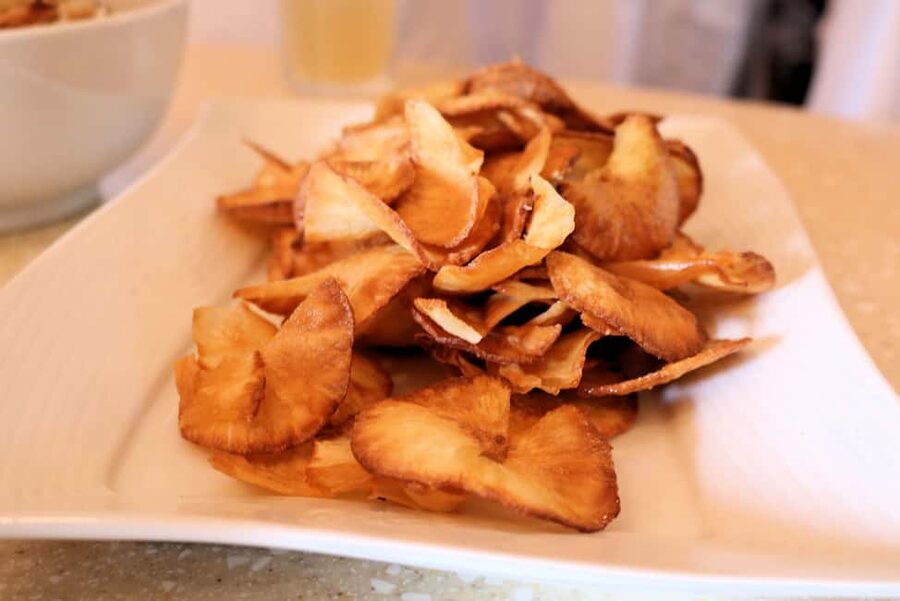
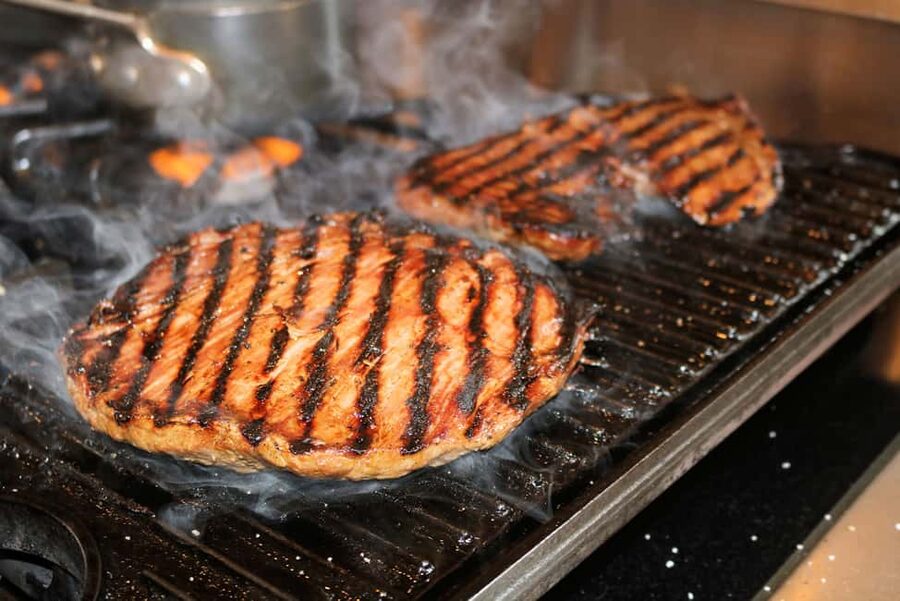
Now you move into a main course built on a classic Caribbean logic: sweetness and spice working together. The centerpiece is rum and brown sugar marinated flank steak served with onion jam.
You’ll learn how rum works in a marinade and why brown sugar matters. The marinade isn’t only for flavor. It also helps create that caramelized edge that people chase in good grilled or pan-cooked meats. Onion jam then adds softness, tang, and body. Put together, you get a main course that tastes like it took hours, even though it’s built around straightforward steps you can follow again.
If you like savory cooking, this part is your payoff. You get to see how rum’s role changes between the sweet start and the deeper, meat-forward main.
Sides that round out the meal: bacon-wrapped plantains, red beans and rice, garden salad
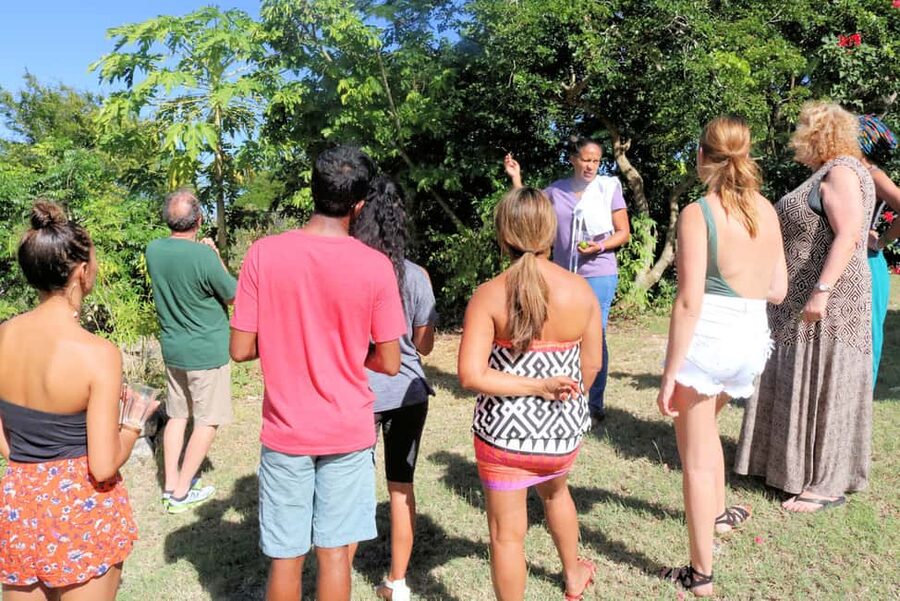
The sides are where you start building the whole meal in your head. The class includes:
- Plantains wrapped in bacon
- Red beans and rice
- A garden salad
Plantains are naturally sweet, so frying or baking them for side texture creates a contrast. Wrapping them with bacon adds salty smoke, and then the overall flavor balances out the steak’s sweetness from the marinade.
Red beans and rice bring structure and comfort. You’re not getting a random side dish; you’re getting a staple-style accompaniment that helps the rum flavors feel at home rather than “separate” from the meal.
And the garden salad matters more than it sounds. After heavier bites, fresh greens cut through, so the meal doesn’t feel heavy. It also makes the lunch experience feel complete on the veranda.
Dessert time: bread pudding with rum-soaked raisins and butter rum sauce or cake
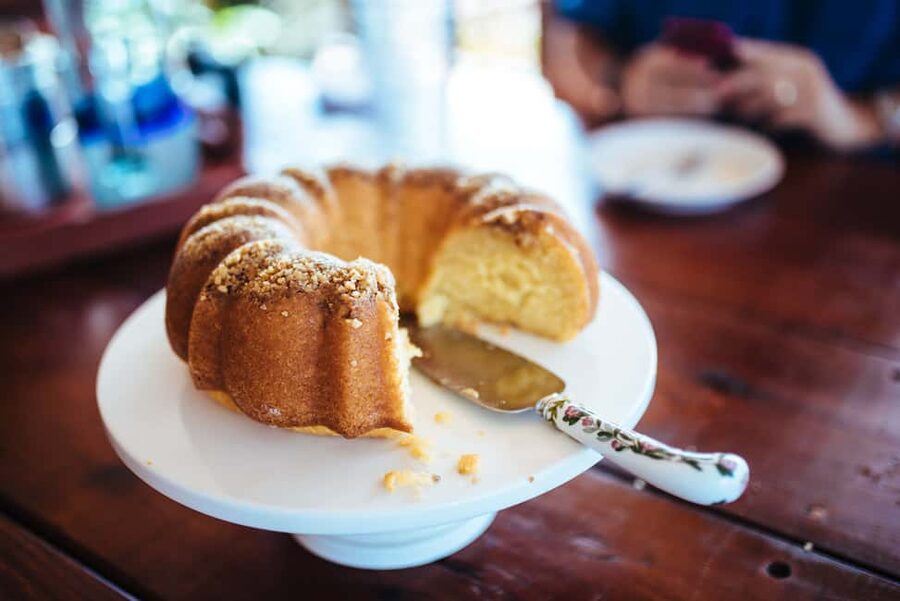
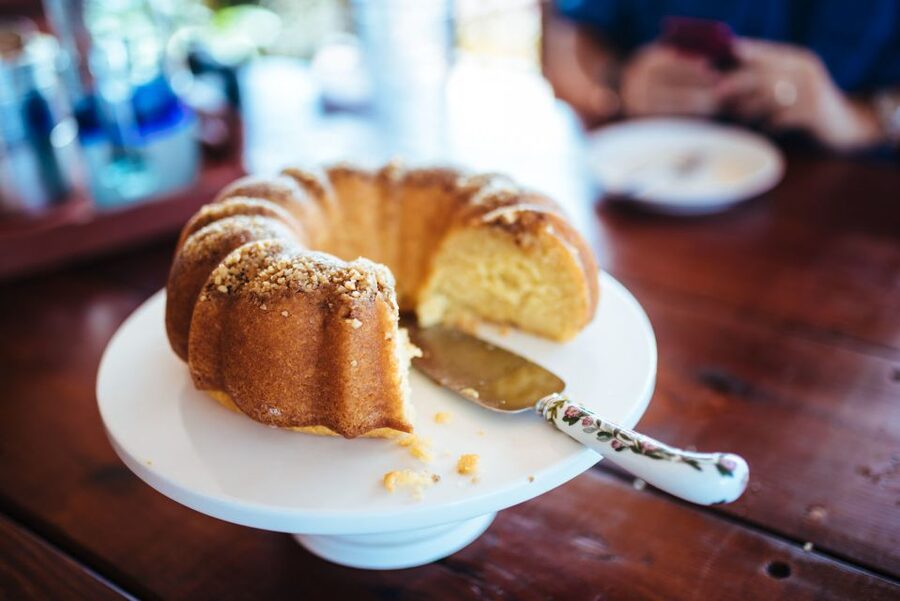
Dessert is where the rum education becomes very real. You’ll make a bread pudding with rum-soaked raisins with either butter rum sauce or a butter rum cake option, depending on what’s being served.
Bread pudding is already a comfort food made for soaking. The rum-soaked raisins add a concentrated burst of flavor in each bite. Then the butter rum sauce pulls it all together with a creamy sweetness.
If you want one reason to book this class even if you’re not hunting down rum brands, it’s the dessert lesson. Most people can’t reliably guess how rum should taste when used like this. In class, you’ll learn the practical side: how to integrate it into a dish so it feels like part of the recipe, not a separate ingredient you just poured in.
The six-rum tasting: Antigua to Guyana, Martinique, and Cuba
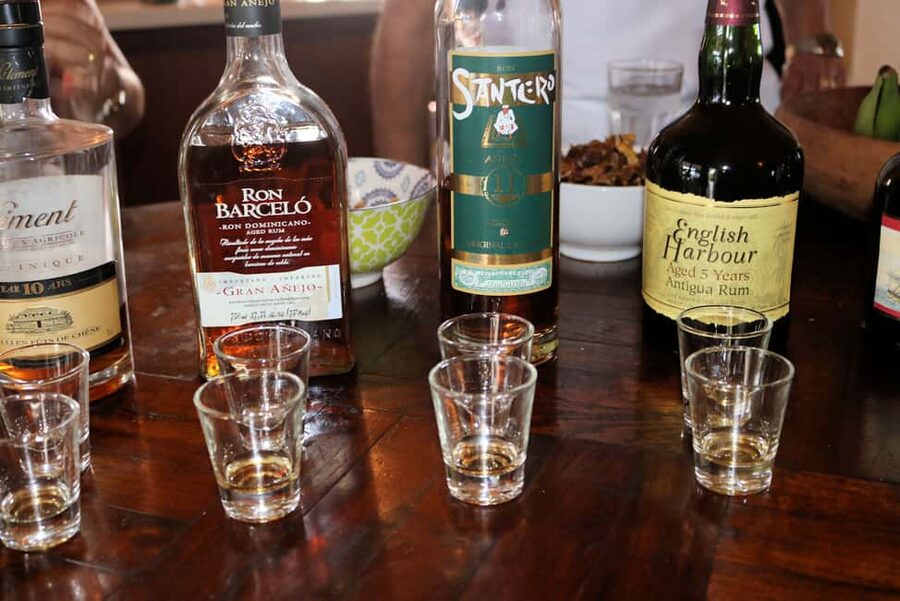
A highlight here is the built-in rum education. You’ll taste six regional rums spanning places like Antigua and Guyana, plus examples connected to Martinique and Cuba.
Tastings like this are most fun when you treat them as a comparison. Take a small sip, then focus on:
- how the aroma hits first
- whether it feels lighter or heavier on the tongue
- whether sweetness or spice shows up first
The value isn’t that you’ll memorize names. It’s that you’ll start noticing patterns. That’s what helps you understand why rum shows up differently in cocktails versus marinades versus desserts. And if Nicole tells stories while you taste, that context helps the flavors click faster.
Why the food stories matter (and how that helps you cook later)
I like cooking classes when they teach technique and taste. I also like them when they explain the “why,” because that’s what keeps you from copying blindly.
Here, Nicole ties rum’s use to Caribbean food culture, including the idea that rum’s roots in the Caribbean reach back to around the 17th century. You’re hearing how rum moved through everyday life, not just high-end bars. That viewpoint changes how you think about ingredients.
Practical payoff: when you get home, you won’t just have a list of recipes. You’ll remember what each dish was trying to accomplish. Sweetness against savory. Aroma in drinks. Depth in marinades. Rum in desserts as part of soaking and sauce-building.
And you’ll get a recipes booklet, which makes a difference. A booklet turns the day from a fun memory into something you can actually use.
Lunch on the veranda: the part that makes four hours feel like less
After cooking, you eat what you made on a veranda overlooking the Caribbean Sea. This isn’t a throwaway detail. Outdoor seating and a view change the whole pace. You’re not rushed through a meal. You’re sitting, talking, and eating dishes you prepared moments earlier.
This is also where the hosting style becomes real. People describe conversations with Nicole and Adam as a big part of the enjoyment. When a day like this works, it’s because you feel included, not just processed. The home setting helps with that.
Price and value: what $164 covers, and what to watch for
At $164 per person for a four-hour class with meals, drinks, and six rum tastings, the value depends on what you want from a vacation day.
Here’s what you’re actually buying:
- A hands-on cooking experience in a local home
- A full three-course lunch using the recipes you cook
- Drinks, including the rum punch and the six-rum tasting
- A recipes booklet to take home
That’s a lot bundled together, and it helps justify the price if you’re the type of traveler who likes learning flavors you can repeat. It’s also good value if you’re trying to get more out of a limited stop time, since it’s scheduled around common midday-to-afternoon timing.
The main thing to watch is logistics: no pickup. If you’ll struggle to reach Nicole’s Table without hiring extra transport, the effective cost rises. Also note that classes may shift if the group minimum isn’t met, since there’s a four person minimum. If your group is smaller, you may be moved to another day to meet that minimum or be combined into an existing class.
Who should book, and who might not love it
This is a great fit if you want:
- a local-home experience with a relaxed host
- hands-on cooking you can repeat later
- rum tasting that’s tied directly to food, not separate from it
- a meal you can eat without hunting for dinner plans afterward
It may be less ideal if:
- you need wheelchair accessibility (it’s not suitable for wheelchair users)
- you rely on hotel pickup for excursions (none is provided)
- you’re traveling with pets (pets aren’t allowed)
- you’re under the legal drinking age for alcohol tasting (minimum age is 18)
If you’re booking for a couple, a small group, or a cruise stop with limited time, the 11:00 start and typical 15:00 finish are a strong match.
Should you book this St. John’s Rum Cooking Class?
Yes, if you want a Caribbean food experience that feels personal, not packaged. The combination of hands-on cooking, a full three-course lunch, and six rum tastings gives you a lot more than a quick tasting event. I also like that the host approach is informal, with stories and conversation built into the class rhythm.
I’d skip it only if you can’t manage the self-arrival part or if the home-kitchen format won’t work for your needs. If your priority is authentic food learning with a sea-view meal at the end, this is one of those bookings that tends to leave you with both recipes and a better sense of how rum belongs in Caribbean cooking.
FAQ
How long is the rum cooking class?
The class lasts about 4 hours.
What time does the class start?
Classes start at 11:00 and usually end around 15:00.
Do they include hotel pickup and drop-off?
No. There is no pickup service, so you’ll need to make your own way to Nicole’s Table. You’ll get directions by email after booking.
What’s included in the price?
Meals and drinks are included, along with hands-on training and a recipes booklet.
Is there a rum tasting, and is there an age requirement?
Yes, the experience includes a rum tasting of 6 regional rums. The minimum drinking age is 18.
Is the class hands-on or more of a demonstration?
It’s taught hands-on. The format can also be laid-back, depending on how you want to participate.
Can I bring dietary restrictions or allergies to the booking?
Yes. You should advise specific dietary requirements, especially food allergies, at the time of booking.