REVIEW · XIAN
3-Hour Biang Biang Noodles Cooking Class in Xi’an
Book on Viator →Operated by Trippest Travel · Bookable on Viator
Biang biang noodles are louder than you expect. This 3-hour, small-group experience takes you from a local spice market to a professional cooking school, then ends with a tea-and-noodle meal you make yourself. I like that it keeps things practical and friendly, with an English-speaking chef/host guiding the whole flow.
My other favorite part is the walk-and-talk vibe, including the chance to wander through back-road streets tied to the ingredients you’ll use. The only drawback to plan around is that it’s not wheelchair accessible, so you’ll want to be comfortable moving between transit and the market/school areas.
In This Review
- Key things to know before you go
- Why biang biang starts with spices, not just noodles
- Finding your way: Sajin Qiao meeting point and how long it takes
- The spice market walk: where your flavor plan begins
- Inside the professional cooking school: tea, coffee, and the teaching style
- Learning the biang biang technique: what you’re really practicing
- The noodle party: eating what you made, with tea to match
- Price and value: is $74.88 worth 3 hours?
- Who should book this Xi’an noodle class
- Should you book it or skip it?
- FAQ
- Where is the meeting point?
- How long is the experience?
- Is it wheelchair accessible?
- Do I need hotel pickup?
- What’s included in the class?
- Can I get a refund if I cancel?
Key things to know before you go
- Small group limit (max 10): easier questions, less waiting, more time at your station
- Meet at Sajin Qiao Subway Station (Exit D, Line 1): straightforward start near public transit
- Spice market visit included: you get to see and select the ingredients behind the flavor
- Professional cooking school setting: a real food-focused space, not a demo corner
- English-speaking chef/host: the pace stays understandable even if your Chinese is limited
- You eat your own biang biang noodles: the finale is part meal, part victory lap
Why biang biang starts with spices, not just noodles
Biang biang noodles are famous in Xi’an for more than looks. The name comes from the sound the noodles make when they’re stretched and worked. That idea matters because it tells you what this class is really about: technique and texture, not just mixing ingredients.
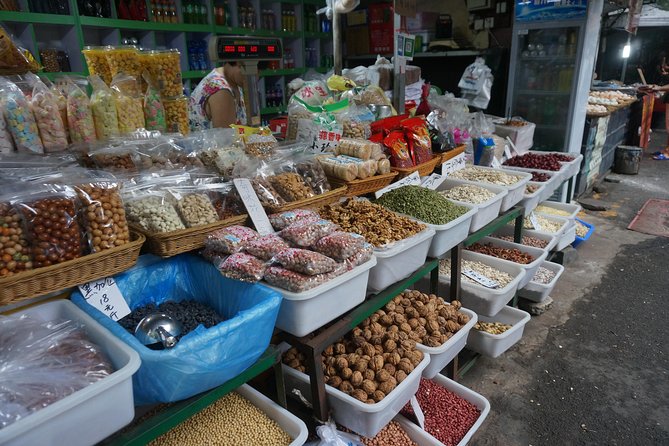
Before you touch dough, you’ll head out with your host to an authentic spice market. This isn’t filler. When you can actually see the seasonings, powders, oils, and dried ingredients up close, the later cooking steps click faster. You’ll also understand why Xi’an flavors hit the way they do—fragrant, bold, and built from layers.
If you prefer food experiences where you learn through doing (and eating), this fits. And since the group is limited to 10 people, you don’t feel like you’re watching from the back row.
You can also read our reviews of more tours and experiences in Xian.

Finding your way: Sajin Qiao meeting point and how long it takes
You’ll meet at Sa Jin Qiao Subway Station, Exit D, Line 1, at Sajin Bridge in Lian Hu Qu, Xi’an. The meeting point being near public transportation is a big deal here. You’re not relying on hotel pickup, so getting there on your own is part of the rhythm of the tour.
Timing is also worth noting. The total experience is about 3 hours, but the actual cooking class is around 1 hour. The rest of the time is split between the ingredient/market visit and settling in for the noodle meal afterward. If you’re thinking of pairing this with another Xi’an activity, treat it like a half-day anchor, not a quick afterthought.
One practical consideration: because it’s not wheelchair accessible, you should expect some walking and standing. Comfortable shoes matter more than anything fancy.
The spice market walk: where your flavor plan begins
The host takes you to an authentic local spice market to discover the ingredients you’ll cook with. This is the step where you stop thinking of spicy flavors as one thing. Instead, you start seeing how Xi’an recipes build complexity.
You’ll spend time looking at spices and other key ingredients used in biang biang noodles. The value here is simple: you get names, context, and a sense of what each ingredient is doing. That means when the cooking starts, you’re not just following steps—you’re understanding why the sauce tastes the way it does.
This is also where the experience earns points from past guests who liked the walking aspect and the chance to see back-road streets tied to everyday local life. Even if you only have a short window in Xi’an, you’ll get more than a photo stop.
Inside the professional cooking school: tea, coffee, and the teaching style
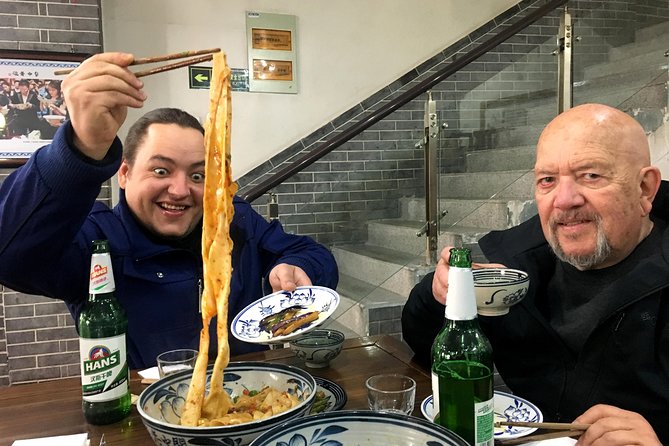
After the market, you’ll move into a professional cooking school setting connected to a famous local restaurant. That matters because you’re learning in a working food environment, not a makeshift classroom. Expect a guided format led by an English-speaking chef/host, with hands-on practice as the core.
The class style is also worth flagging. Even though it’s billed as a cooking class, it often feels like a mix of demonstration and accompanied practice. One past guest even pointed out it’s not strictly a cooking course—it’s a show-me-and-join-in approach. For most people, that’s a plus. It keeps the learning friendly, and you’re not left alone with dough that’s doing whatever it wants.
You’ll also drink tea or coffee during the learning and prep. That small detail helps with pace. You get a moment to reset between ingredient shopping and dough work, and you stay comfortable without rushing.
Learning the biang biang technique: what you’re really practicing
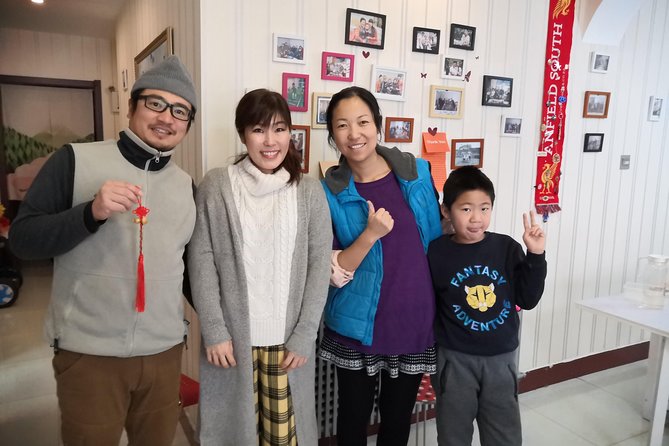
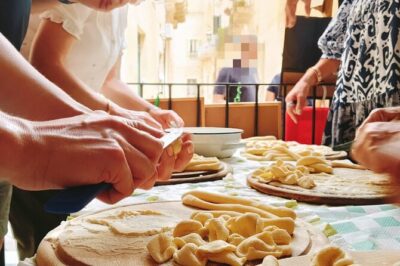
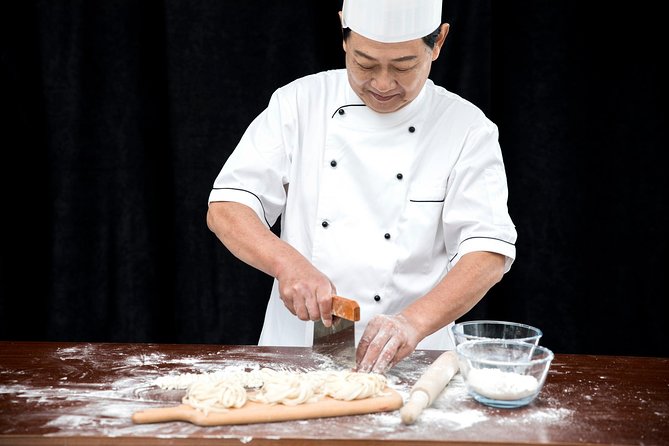
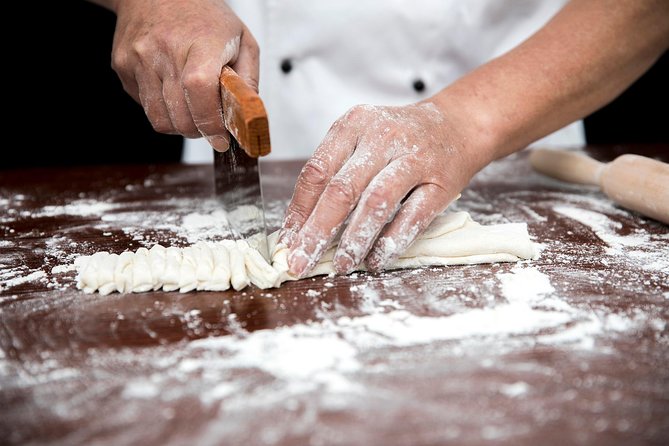
Biang biang noodles are all about working the dough correctly so the noodles get their shape and bite. In the class, you’ll learn how to make this Xi’an classic from your noodle teacher/chef.
Here’s what I think you should focus on as you cook:
- Timing: dough and stretching steps need rhythm
- Texture: the noodles should feel right before you move on
- Control: stretching is technique, not force
You’ll get guided practice, not just a one-minute tutorial. The goal is for you to end up with noodles you can serve and eat at the end of the session—not just something you make for the sake of making it.
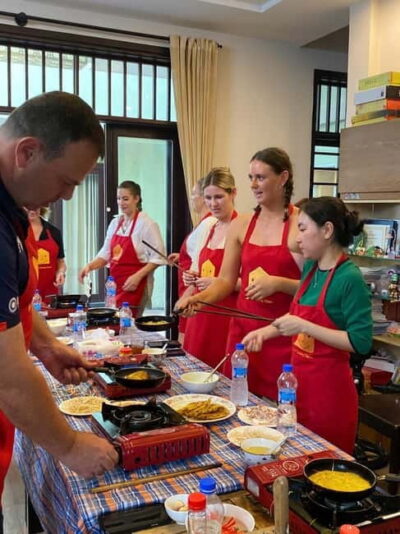
Also, because this is a small group, you have a better chance of getting personal help when your dough isn’t cooperating. That’s one of the hidden benefits of the max 10-pax setup. More people means more chaos; fewer people means your teacher can actually adjust what you’re doing.
The noodle party: eating what you made, with tea to match
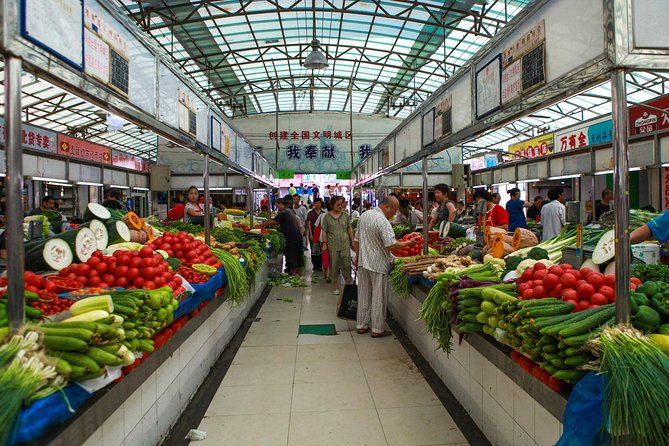
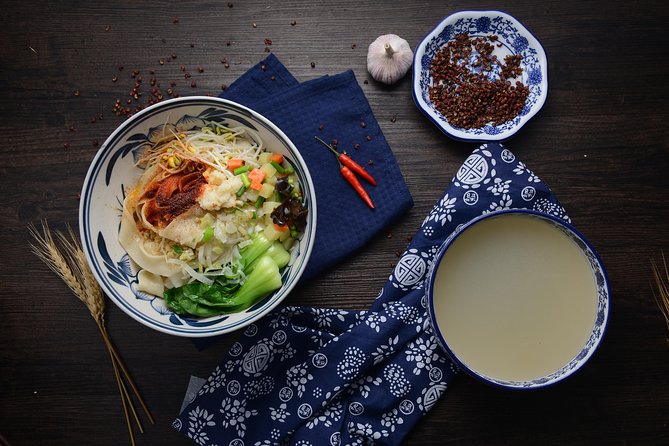
The final stage is where the class earns its keep. After you finish making the noodles, you get treated to a meal of Chinese tea and/or drinks, along with the biang biang noodles you prepared.
This part is not just a snack. It’s your chance to compare what you learned with what you taste. If you got the stretch and thickness right, you’ll feel it. If something was off, you’ll notice that too—then you’ll understand what to adjust next time.
And the shared table vibe is usually the fun factor. You’re not eating alone in a cold restaurant waiting for your order. You’re part of a small cooking group that finishes together, turning effort into a bowl you actually created.
Price and value: is $74.88 worth 3 hours?
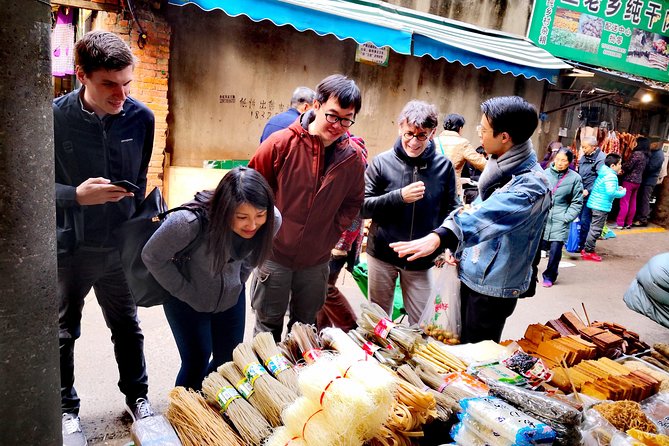
At $74.88 per person, this isn’t the cheapest thing you can do in Xi’an. But it also isn’t trying to be. You’re paying for several things that add up:
- A market component with ingredient discovery, not just a kitchen lesson
- A professional cooking school setting, linked to a well-known local restaurant
- An English-speaking chef/host, which is often the difference between enjoying a class and half-understanding it
- Your meal included, since you eat your own noodles
- Small group limit (max 10), which boosts attention and hands-on time
If you’ve done cooking classes in other countries, you know the pattern: the most expensive ones feel the most personal, because the teaching is built around small groups and practical steps. This one leans that way. The ingredients-and-sauce part is included, the drinks are included, and the class culminates in eating what you made.
If you want a hands-on food experience with real instruction and a clear payoff meal, it’s strong value. If you only want a quick taste and don’t care about technique, you might find it pricier than a casual street-food plan.
Who should book this Xi’an noodle class
This experience is a great fit if you:
- want a hands-on food activity, not just watching
- enjoy learning why flavors work (spices first, noodles second)
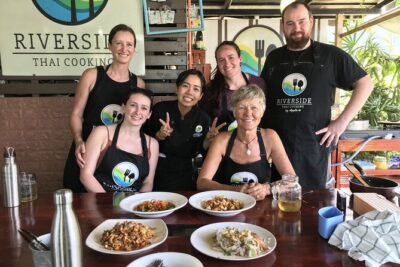
- like meeting people in a small group
- want to leave Xi’an with one specific dish you can actually talk about and recreate someday
It may be less suitable if you:
- need wheelchair access (the tour is not wheelchair accessible)
- hate any standing/walking around markets
- prefer solo, self-paced sightseeing over a guided flow
Should you book it or skip it?
I’d book this class if you want something practical and memorable in Xi’an—one dish, properly taught, with ingredients you saw before you cooked them, and a meal at the end. The spice market stop gives you context, and the professional school setup makes the lesson feel legit. Plus, the small-group limit helps the host keep things moving without losing you in the crowd.
I’d think twice only if mobility is a concern or if you don’t want to spend about 3 hours on a guided food session. Otherwise, for most food-focused travelers, this is exactly the kind of activity that turns local culture into something you can taste and remember.
FAQ
Where is the meeting point?
You meet at Sa Jin Qiao Subway Station, Exit D, Line 1, at Sajin Bridge in Xi’an.
How long is the experience?
It runs about 3 hours total, with the cooking class itself lasting about 1 hour.
Is it wheelchair accessible?
No. The experience is not wheelchair accessible.
Do I need hotel pickup?
No hotel pickup or drop-off is included. You’ll meet at the subway station and return back to the meeting point.
What’s included in the class?
You get the cooking class fee, complimentary tea and drink, an English-speaking chef, and you taste the biang biang noodles you make.
Can I get a refund if I cancel?
No. The experience is non-refundable and cannot be changed for any reason.