REVIEW · LECCE
Lecce: Cooking Class Orecchiette & Vino
Book on Viator →Operated by Puglia by Design · Bookable on Viator
A good orecchiette class feels like magic. You make the dough and taste it right away. I love the hands-on pace, plus the wine-and-food pairing that turns a short lesson into a proper meal. One thing to consider: it’s only about 1 hour 45 minutes, so if you want a long sit-down dinner, this may feel a bit short.
In Lecce’s old town, this experience starts with you at BALU’ Bistrot Shop, not at a distant kitchen studio. You’ll learn how to make pasta dough from scratch step by step, and the lesson is designed for English speakers with simple techniques and just a few ingredients. With a maximum group size of 10, the vibe stays friendly instead of chaotic.
If you’re trying to squeeze in a lot of sites, keep your schedule realistic. You’ll likely want a little breathing room before or after, since the class wraps back at the meeting point.
In This Review
- Key Highlights You’ll Care About
- Why Orecchiette Works for a Lecce Cooking Class
- Finding BALU’ Bistrot Shop in Lecce’s Old Town
- Pasta Dough From Scratch: the Real Skill You Take Home
- Orecchiette Shaping and the Appetizer-to-Meal Flow
- Your Plate: Orecchiette al Sugo con Cacioricotta
- Wine and Local Foods: Included, and Actually Part of the Point
- English Instruction and Group Size: How It Affects Your Outcome
- Price and Value: Does $72.10 Make Sense?
- Who Should Book This Lecce Cooking Class (and Who Should Skip)
- Book It or Skip It: My Decision Checklist
- FAQ
- How long is the Lecce cooking class?
- Where do I meet the group?
- Is the class offered in English?
- What do I eat during the class?
- What’s included in the price?
- Is there a limit on group size?
- What’s the cancellation policy?
Key Highlights You’ll Care About
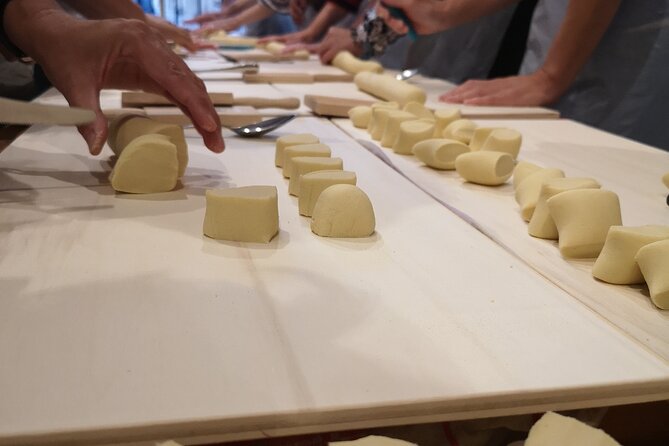
- Small group (up to 10), so you get real attention while shaping pasta dough
- English instruction focused on simple, repeatable steps
- Make-to-eat format: you taste the pasta you prepare in class
- Wine and local foods included, turning it into more than a quick demo
- Orecchiette al sugo con cacioricotta ties the lesson to a classic Apulian plate
- Runs even with very small numbers on some dates, so the mood can feel extra relaxed
Why Orecchiette Works for a Lecce Cooking Class
Lecce is one of those places where the food feels personal. Orecchiette fits that perfectly, because it’s not a “fancy” dish so much as a pasta tradition you can learn by doing. When a class teaches the dough process clearly, you walk away understanding what matters: texture, handling, and timing.
I also like that the cooking lesson doesn’t drown you in complicated steps. You’re guided through making a dough from scratch using simple techniques and only three ingredients. That approach makes it easier to repeat the result at home, even if your kitchen equipment isn’t a professional setup.
The other big win is pacing. From arrival to tasting, you’re not waiting forever for the meal. You’ll be working, then eating what you made, then finishing with the wine and local foods included.
You can also read our reviews of more tours and experiences in Lecce.
Finding BALU’ Bistrot Shop in Lecce’s Old Town
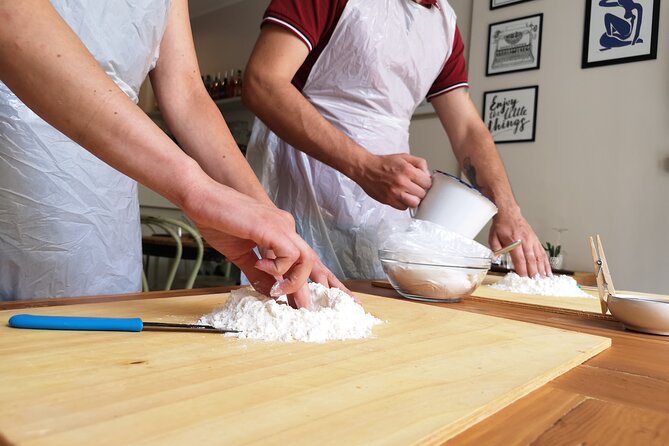
The meeting point is Via Giacomo Matteotti 29, right in Lecce. That’s a good location for two reasons. First, it’s central enough that you can pair the class with other old-town wandering. Second, the activity is listed as near public transportation, which helps if you don’t want to rely on a car.
You meet at BALU’ Bistrot Shop. In practical terms, that means you should build in a little time to get oriented before your start time. Lecce streets can be a bit twisty once you leave the main corridors, and you don’t want to sprint while carrying your appetite.
You’ll finish back at the meeting point. That’s convenient because you don’t need to rethink transport after tasting wine.
Pasta Dough From Scratch: the Real Skill You Take Home
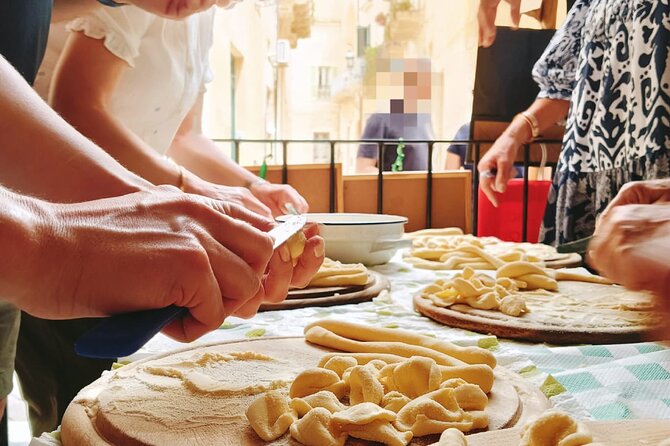
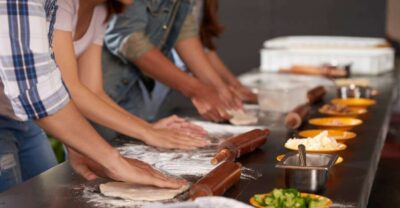
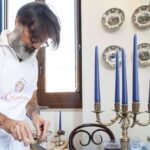
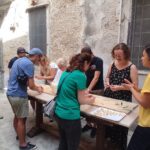
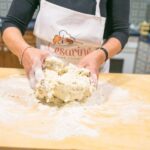
This is a hands-on class focused on pasta dough. You’ll follow step-by-step instructions and make dough from scratch. The core idea is simple: you’re learning how to create dough using three ingredients and straightforward techniques, not a complicated formula you’ll forget.
Here’s what that typically means for your experience. At each stage, you should expect guidance on the feel of the dough—how it should look, how it should behave, and what “correct” looks like in real life. Dough doesn’t care about theory. If it’s too dry, it fights you. If it’s too sticky, it won’t shape well. A good instruction flow helps you adjust without stress.
The class is also taught in English, which matters more than it sounds. When instructions are clear, you can focus on the physical learning: rolling, working, and shaping. Even if your Italian is basic, you’ll still be able to follow along and ask questions during the process.
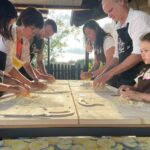
Small-group limits (up to 10) help here. With fewer people, the coach can likely correct your technique faster. And the lesson is designed so you’re not standing around watching while others cook.
Orecchiette Shaping and the Appetizer-to-Meal Flow
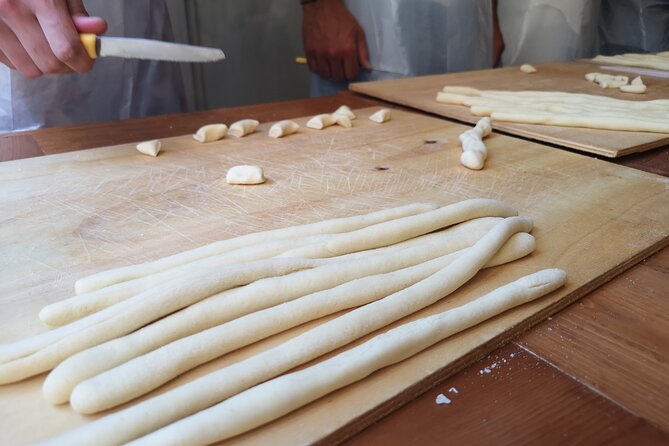
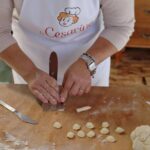
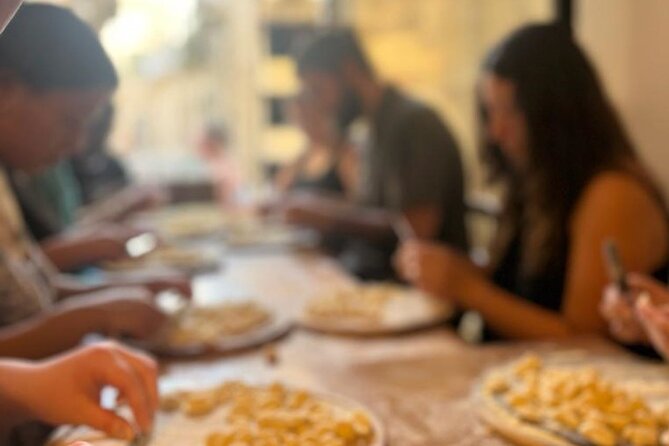
Once you’ve started with the dough, the class builds toward orecchiette. You’ll be making the pasta that becomes the centerpiece of your tasting. That “make it, then taste it” rhythm is exactly what turns a cooking class into a memory you actually keep.
You’ll also get taught in a way that keeps things moving. The aim is to keep your attention on doable steps, so the class doesn’t turn into a long lecture. You’re actively working, and that helps your brain store the process.
From there, the experience transitions into eating. You’ll taste Balu’s selection of wines and local foods, starting during the class-to-meal shift rather than saving everything for the very end. It’s a smart flow. You’re still warm from cooking, and the food feels connected to what you just made.
One note from a real-world perspective: if you’re the type who gets nervous about doing things in a group, this setup is usually more comfortable than big-school cooking shows. The small size and friendly pace make it easier to relax and focus on your dough.
Your Plate: Orecchiette al Sugo con Cacioricotta
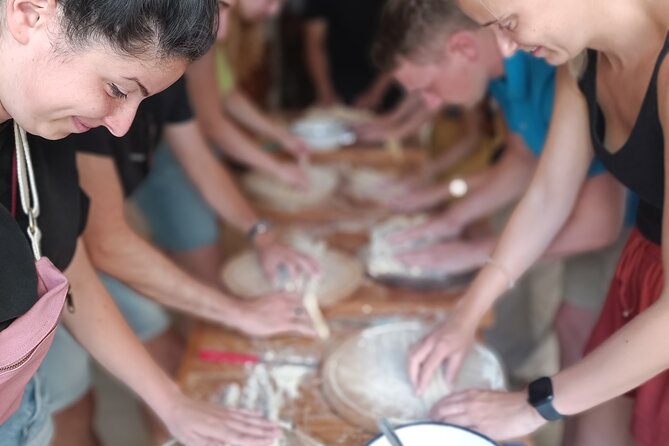
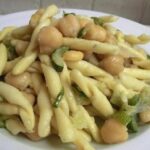
The sample menu centers on Orecchiette al Sugo con cacioricotta. That’s a classic-sounding plate with a clear logic. You’ve shaped and prepared the orecchiette, then you finish it with a sugo sauce and caciorelated richness through cacioricotta.
This matters because the tasting isn’t random. It’s not just a snack plate thrown in. The class is structured so the pasta you’re learning becomes the main bite you judge the lesson by. If the dough taught in class works, you’ll taste that immediately.
And because the class includes bottled water, you can pace your wine experience without needing to scramble for non-alcoholic options. That keeps the tasting portion comfortable, especially if you’re planning to walk around Lecce afterward.
Wine and Local Foods: Included, and Actually Part of the Point
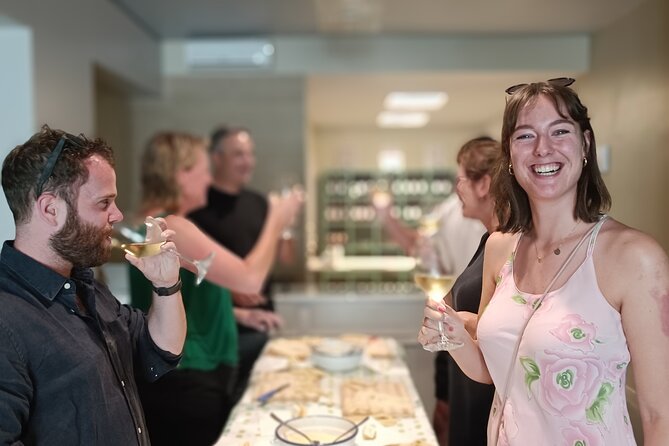
Wine is included, along with local foods. In other words, this isn’t only a cooking lesson with a token sip. You’ll taste Balu’s selection during the session, and the wine pairing supports the whole “Apulia at the table” idea.
I like that the class doesn’t treat wine like an afterthought. When it’s integrated into the flow, it helps you stay present. You cook, you eat, you taste, then you move into conversation or a relaxed final bite.
Local antipasti also come into the picture. The class includes local foods, so expect the tasting to feel rooted in the region instead of generic Italian “whatever they have in the fridge” variety. In Apulia, those small dishes often make the meal feel longer and more satisfying than the main course alone.
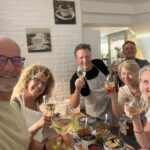
Also, the atmosphere is described as warm and conversational. You may get time to talk with other people in the class while food and wine are moving. With a maximum group of 10, those conversations are more likely to be easy rather than forced.
English Instruction and Group Size: How It Affects Your Outcome
This experience is offered in English. That’s a major quality-of-life factor for a cooking class because the fastest way to feel lost is language confusion during a hands-on moment. Here, the instruction is built for English speakers, with simple steps and a coach who can guide you through the dough process.
The class runs with a maximum of 10 travelers. That small size changes everything. You’re not waiting behind a crowd. You’re more likely to get help when your dough feels off, or when your shaping technique needs a quick fix.
It can also run even with very small numbers on some dates. That’s not something every tour advertises, but it shows up in real operation. If the group is tiny, you can expect a calmer pace and more attention per person.
Price and Value: Does $72.10 Make Sense?
At $72.10 per person, this is priced like a focused, ingredient-included cooking class plus tasting. The value case here isn’t just the cooking. It’s the package: you make pasta dough, you taste what you make, and you get wine and local foods included.
For a short, 1 hour 45 minute session, the biggest question is whether you’ll leave feeling fed and satisfied. The menu is built to do that: the class ends with orecchiette al sugo con cacioricotta after your tasting portion.
I also like that bottled water is included. It sounds small, but it affects the experience. You can drink wine if you want, and still feel comfortable staying hydrated.
What’s not included is private transportation. That’s normal, but it’s worth planning around if you’re staying outside the old town.
Who Should Book This Lecce Cooking Class (and Who Should Skip)
This class is a great fit if you want:
- a hands-on Lecce activity that ties directly to local cuisine
- a small-group setting where you can ask questions
- an experience with wine and local foods included rather than just making pasta and leaving
It’s also a good choice if you’re traveling with limited time. One hour 45 minutes is a workable chunk for a day that includes walking and sightseeing.
You might skip it if you’re looking for a super-deep food history lesson or a long dinner evening. This is practical, meal-centered, and to-the-point. If your dream tour is hours of wandering through markets first, you may prefer something different.
Book It or Skip It: My Decision Checklist
Book this cooking class if you match the vibe. You’re likely to enjoy it if you:
- like learning by doing, especially with pasta dough
- want a short evening plan in Lecce’s old town that ends where it starts
- appreciate a simple English-led format with wine included
Skip it if you only want sightseeing or if your schedule is so tight that arriving on time will be a stress. Also skip if you’re not into wine at all; the class does include it, though you can still choose how much you drink.
If you want a friendly, small-group way to eat what you make, this is one of the more sensible ways to spend an evening in Lecce.
FAQ
How long is the Lecce cooking class?
It runs for about 1 hour 45 minutes.
Where do I meet the group?
You meet at BALU’ Bistrot Shop at Via Giacomo Matteotti, 29, 73100 Lecce (Italy).
Is the class offered in English?
Yes. The experience is offered in English.
What do I eat during the class?
You’ll taste Balu’s selection of wines and local foods, and the sample main dish is Orecchiette al Sugo con cacioricotta.
What’s included in the price?
Bottled water and wine are included.
Is there a limit on group size?
Yes. There’s a maximum of 10 travelers.
What’s the cancellation policy?
You can cancel for free up to 24 hours in advance for a full refund.