REVIEW · KHAO LAK
3 hours Khao Lak Cooking Class and Market Visit
Book on GetYourGuide →Operated by Khao Lak Ethical Elephant Sanctuary · Bookable on GetYourGuide
Thai cooking starts at the market. In this Khao Lak class, you pick ingredients on site and learn how Thai flavors are built step by step. It’s a hands-on, English-led experience designed for all skill levels, with plenty of food to taste as you go.
I especially like the small-group feel, because it makes the chef’s attention feel personal. The cooking can include some prep done ahead, so if you want every step from scratch, plan to enjoy learning technique more than doing 100 percent raw production.
You’ll also get a culture layer beyond the recipes: market knowledge, flavor balance, and a few fun Thai touches like fruit carving or coconut milk preparation, plus a Certificate of Achievement to take home.
In This Review
- Key things you’ll do in 3 hours
- The 3-hour rhythm: market snacks, then four wok-cooked dishes
- Market visit: why ingredient choice matters in Thai cooking
- Inside the cooking class: expert-led, hands-on, and guided for all levels
- Four dishes you’ll cook and eat (and the flavor lessons behind them)
- Fun Thai extras: fruit carving and coconut milk preparation
- Elephant sanctuary connection: respectful observation, not forced interaction
- Price and value: is $87 per person worth it?
- What to bring (and how to show up comfortably)
- Who this cooking class suits best
- Should you book this Khao Lak cooking class?
Key things you’ll do in 3 hours
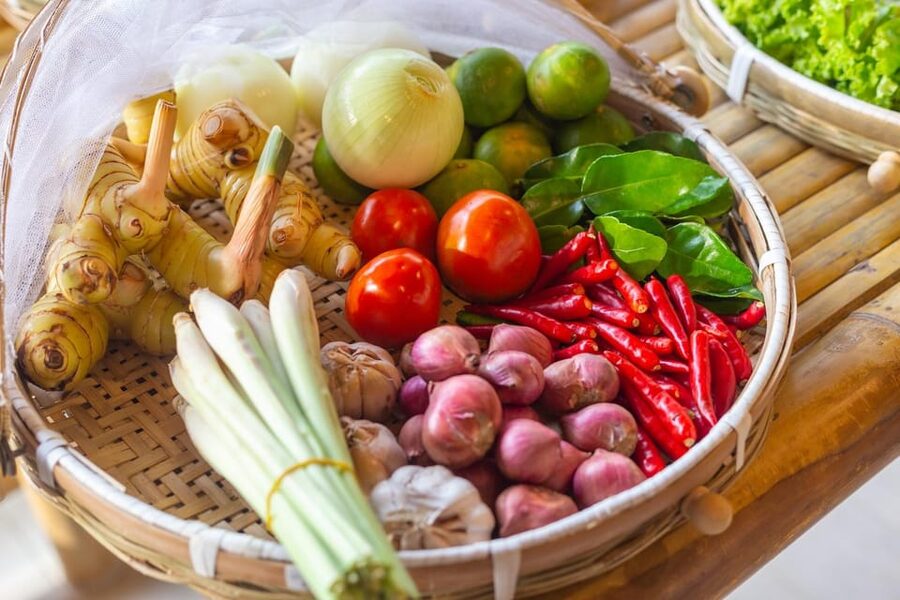
- Market tour + ingredient picking so you understand what goes into each dish
- Hands-on cooking with a chef focused on sweet, sour, salty, and spicy balance
- Four dishes cooked and eaten, plus market snacks to start
- Thai desserts and tasting time including mangoes with sticky rice
- Elephant sanctuary time with respectful observation that depends on the elephants’ comfort
The 3-hour rhythm: market snacks, then four wok-cooked dishes
This experience is built like a food sprint that still feels complete: market time first, then cooking, then eating. Total duration is about 3 hours, so it’s an easy fit if you want a big culinary hit without eating up a whole day.
The flow usually starts with a market visit where you learn what’s important for Thai cooking: ingredients, how they’re chosen, and what they contribute to flavor. After that, you move into cooking mode and get a station-based, hands-on lesson that ends with you eating what you cooked.
One pattern I like here is that the class includes both snack time and the main meal. There’s often enough food on the way that coming hungry really pays off. A helpful tip: plan to skip breakfast if you can—this is the kind of activity where you’ll be tasting along the route, not just sampling at the end.
You can also read our reviews of more tours and experiences in Khao Lak.

Market visit: why ingredient choice matters in Thai cooking
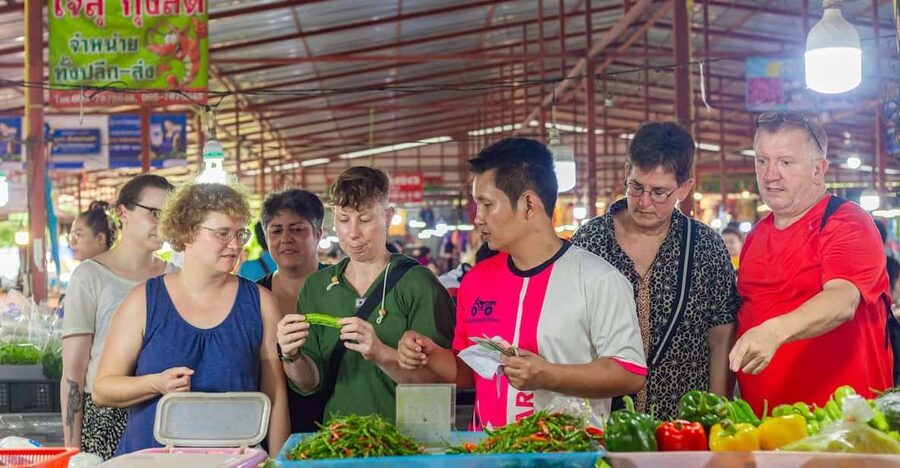
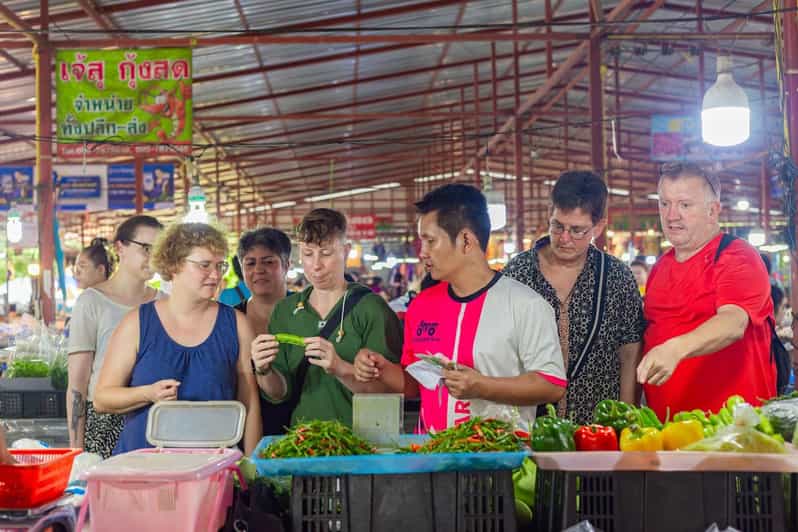
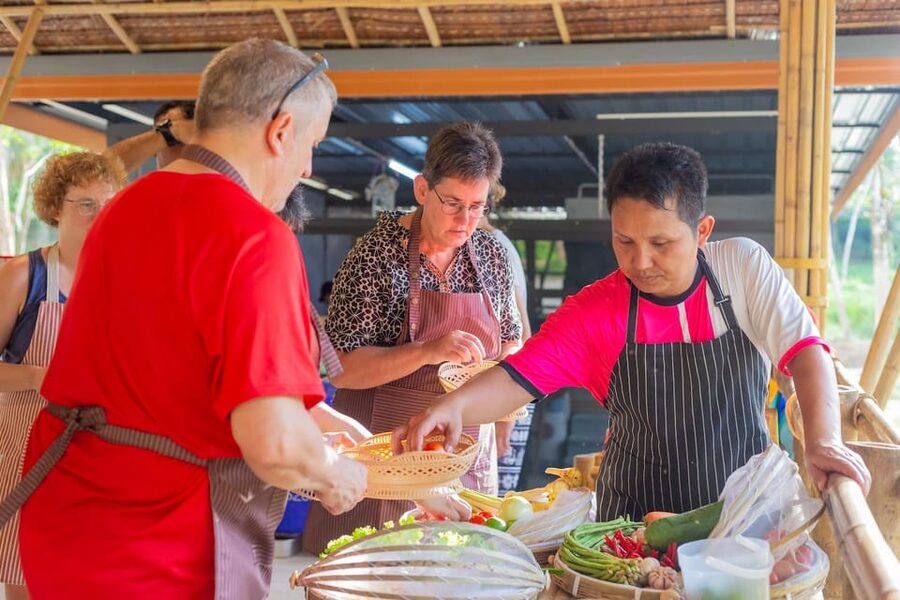
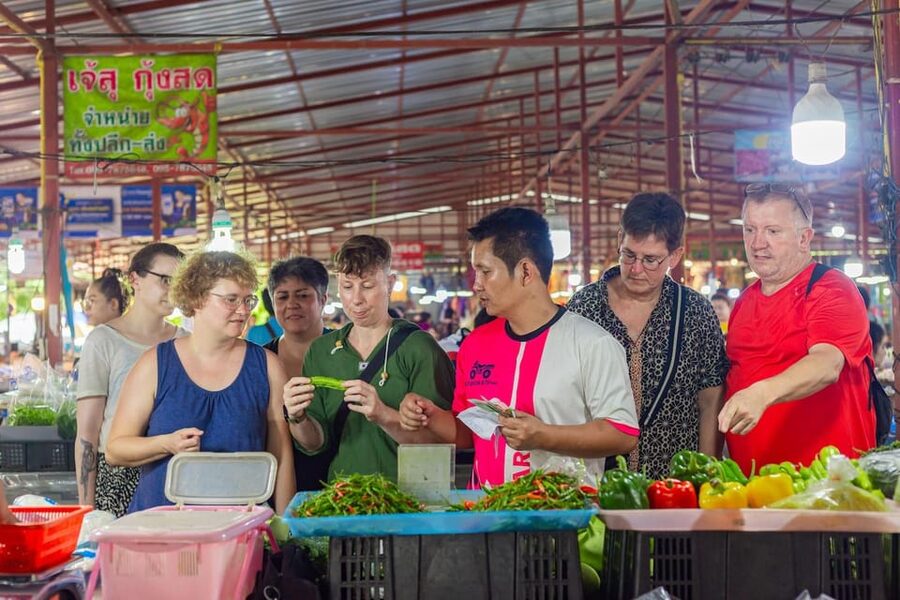
The market stop isn’t treated like a quick photo break. You’re there to handpick ingredients for the meal you’ll cook later, and that changes how you understand the food once you’re back at the stove.
Thai flavor depends on balance, and the market is where that balance starts. You’ll learn how cooks think about sweet, sour, salty, and spicy—not as separate flavors, but as a system. When you choose your own ingredients, you’re more likely to remember what to look for next time you cook.
Market time also helps with confidence. Even if you’re not a strong cook, the lesson is structured so you’re not guessing. You can follow along because the chef ties each step back to ingredients you already handled—like why certain herbs show up in Tom Yum Goong, or why mango and sticky rice are a natural finishing combo in Thai dessert culture.
Inside the cooking class: expert-led, hands-on, and guided for all levels
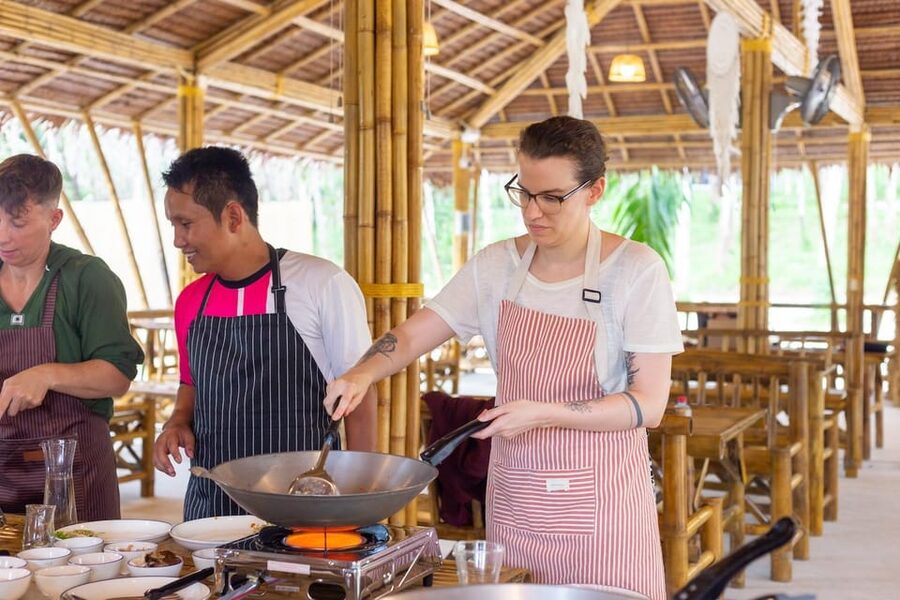
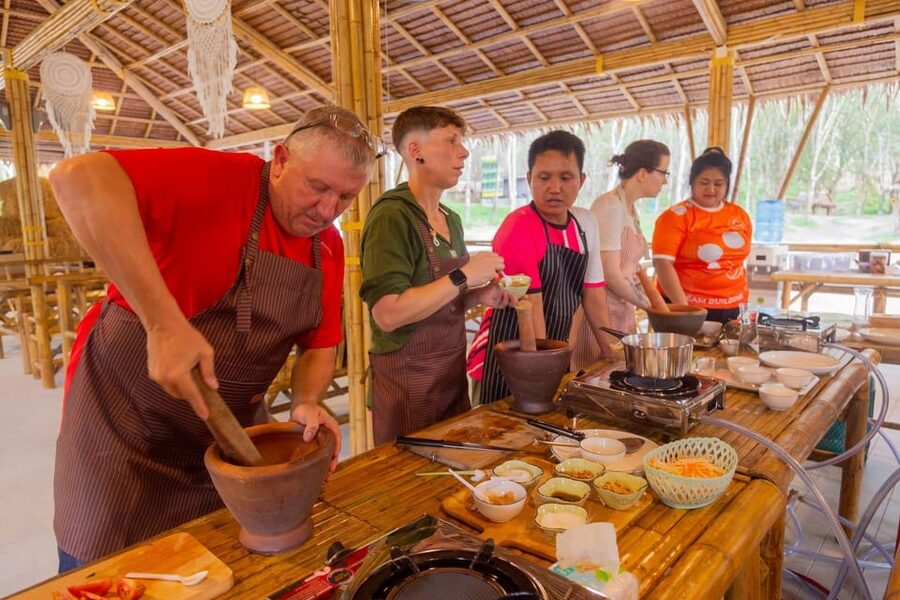
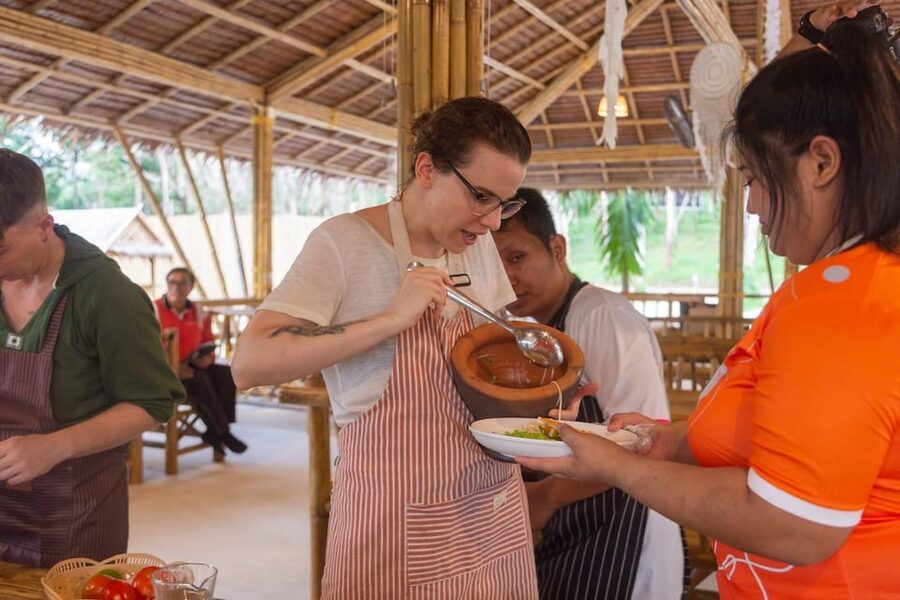
Cooking happens with an English-speaking chef, and the teaching style is meant to work for different skill levels. You’re not expected to be a pro. You’ll get technique cues, and you’ll be cooking while the lesson is happening instead of watching from the sidelines.
The class includes all the ingredients and equipment needed, so you don’t have to worry about bringing anything special besides the small packing list. You’ll also receive recipe guides, which are there to help you reproduce what you made later.
One extra detail that affects expectations: some parts of the cooking may be prepared in advance, and then you finish and cook the dishes to a shared meal table. That’s not a deal-break—it can make the class smoother, faster, and more focused on your learning—but it does mean the experience is more about technique and flavor than about doing every prep step from zero.
Four dishes you’ll cook and eat (and the flavor lessons behind them)
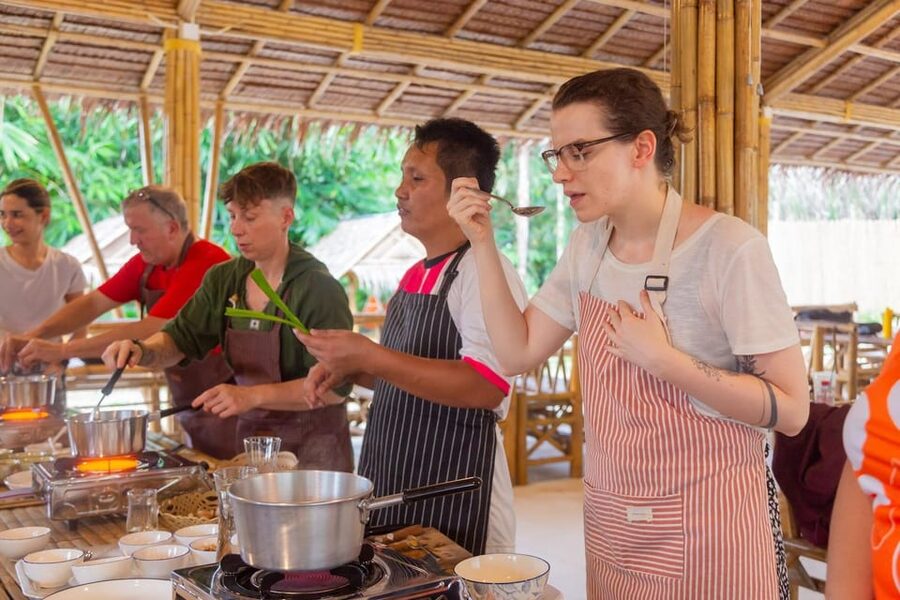
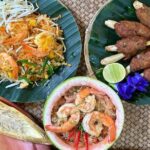
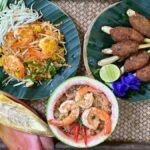
The menu is designed to teach range: classic street staples, a sour-salty papaya salad, and a dessert finish. You’ll cook four dishes, then eat them as part of the meal. It’s a smart format because you taste the results right away, not hours later.
Here’s what you can expect to learn through the dishes:
Pad Thai
Pad Thai is often where people think Thai food is just about noodles. The class helps you connect the dots—how the ingredients work together so it’s not bland, not too sweet, and not just salty. If you’ve ever wondered why one Pad Thai tastes fuller than another, this dish is the answer.
Tom Yum Goong
Tom Yum Goong is the flavor roller coaster: sour, fragrant, and spicy in a way that feels precise rather than random. This dish teaches aroma as a core ingredient—how herbs and broth notes combine, and how balancing matters more than heat level alone.
Som Tum (papaya salad)
Som Tum is a great teacher because it forces balance. Sweet fruit, sour dressing, salty elements, and chili heat all show up together. If you like the idea of Thai cooking being measured and intentional, Som Tum shows that side fast.
Mangoes with sticky rice
Dessert is not an afterthought here. You’ll get the classic Thai combo of ripe mango and sticky rice, which rounds out the meal and helps you see how Thai sweetness isn’t just sugar—it’s texture, ripeness, and timing.
A bonus tasting item shows up during the day as well: you may sample market snacks, and in some classes you might also get a taste like homemade ice cream. If you’re the type who likes to learn as you eat, this is one of the reasons the day feels like more than just cooking instructions.
Fun Thai extras: fruit carving and coconut milk preparation
One of the nice surprises included here is a Thai-style hands-on add-on: fruit carving or coconut milk preparation. Even if you mainly came for cooking, this part helps you understand that Thai culinary culture isn’t only about flavor—it’s also about presentation and technique.
Fruit carving can be quick and fun, and coconut milk preparation connects you to a major Thai flavor base. Either way, this extra step gives you something tangible to remember beyond the big dishes.
You’ll also earn a Certificate of Achievement, which sounds small, but it’s the kind of detail that makes the whole experience feel official and complete.

Elephant sanctuary connection: respectful observation, not forced interaction
Because this experience is run through the Khao Lak Ethical Elephant Sanctuary, there may be time connected to the elephants. The important part is how it’s handled.
You’re not forced to engage. If the elephants choose not to participate as planned, there are no refunds. The sanctuary approach focuses on respecting natural behavior and providing interaction opportunities based on comfort and willingness.
What this means for you practically: keep your expectations flexible. If elephants are in a calm mood, you may have observation or interaction time. If they’re not, the experience still continues with what’s scheduled. This is a good fit if you want a responsible animal encounter style, not a rigid checklist.
Price and value: is $87 per person worth it?
At $87 per person for a 3-hour experience, the value comes down to what you get for that time.
You’re paying for more than a cooking session:
- Market tour + ingredient picking
- Chef-led cooking for four dishes
- All ingredients and equipment
- Recipe guides
- Free tea or coffee
- A Certificate of Achievement
- A Thai add-on like fruit carving or coconut milk prep
- Hotel pickup and drop-off
When you compare that to the cost of doing a half-day of food tour and a separate class, the package makes sense. Most of the value is in the combination: you learn the ingredients at the market, then you use them immediately while cooking the meal.
If your goal is purely to cook, you might find cheaper standalone lessons. But if you want the ingredient context—and you like eating what you cook—this price is fair.
What to bring (and how to show up comfortably)
The packing list is simple, and I like that. Bring:
- A hat
- Change of clothes
You’re moving through a market and then cooking. Even without messy disasters, you’ll likely be warmer than you expect. A hat helps with sun, and a change of clothes keeps the day comfortable afterward.
Also note what’s not allowed: alcohol and drugs. Keep it clean and focused, and you’ll get the most from the meal, tasting, and instruction.
Who this cooking class suits best
This is a strong match if you:
- Want a hands-on Thai cooking lesson rather than a lecture
- Enjoy street-food favorites like Pad Thai and Tom Yum Goong
- Like learning through tasting, not just following recipes
- Prefer small-group attention, where you can ask questions easily
It’s not the best match if you:
- Want a long, slow cooking deep dive where everything is made fully from scratch
- Expect super-detailed written step-by-step instructions for every move beyond the provided guides
One small caution to keep in mind: one guest noted that recipe instructions weren’t as detailed as expected. You’ll get recipe guides, but if you need very specific step-by-step sheets, it’s worth mentally preparing to rely on chef guidance while you’re cooking.
Should you book this Khao Lak cooking class?
If you want a 3-hour food experience that actually teaches Thai technique—starting with ingredient choice—you should book it. The pairing of market picking + chef-led cooking + four-dish meal is the real win, and the extra Thai activities (like fruit carving or coconut milk prep) make it feel rounded.
Book it especially if you’re the kind of traveler who likes to go home with more than photos—like you want something you can recreate. Come hungry, bring a hat and a change of clothes, and keep your expectations flexible for any elephant-related interaction.