REVIEW · PALERMO
Cooking class in a villa with Palermo view
Book on Viator →Operated by Carlo · Bookable on Viator
A Sicilian cooking lesson beats any restaurant meal. This class happens in Carlo’s home in the Conca D’Oro, overlooking Palermo, and the food is built around what’s growing there—pesto from the garden, plus pasta flavors like alla norma or fresh tomato sauce. I really like the farm-style ingredients and the fact that you learn hands-on pasta and cannoli, not just watch. One thing to consider: the location is outside central Palermo, so you’ll want to plan how to get to Via Nazionale in Portella di Mare.
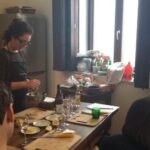
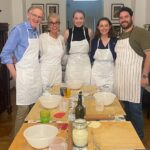
You’ll start with an aperitif made with local products, then you cook together for about 3 hours before sitting down to eat what you made. The group stays small, capped at 12 people, which makes it feel more like joining a family dinner than lining up at a demo kitchen.
If you’re expecting a strict, classroom-style experience, this won’t be that. It’s relaxed, storytelling heavy, and the schedule depends a bit on what’s happening with the garden and the day’s flow.
In This Review
- Key Things I’d Zoom In On
- Why This Palermo Cooking Class Feels Like Dinner With Friends
- Your 3 Hours From Aperitif to Your Finished Plate
- Start with local aperitifs and a welcome
- Garden walk and ingredient picking
- Cooking time (pasta first, then sweets)
- Sit down and eat what you made
- Garden-Grown Pasta: Tagliatelle, Pesto, and Alla Norma Options
- Fresh pesto that actually tastes fresh
- Alla norma flavor profile
- Fresh tomato sauce for a lighter route
- Why this helps you back home
- Cannoli or Tiramisu: The Sweet Part You’ll Want to Repeat
- Cannoli filling and the joy of doing it yourself
- Tiramisu when that’s the dessert focus
- Expect to leave with more than hunger
- The View From the Terrace: Conca D’Oro Over Palermo
- Price and Value: Is $139.13 Worth It?
- Who This Cooking Class Is Best For
- Families and kids
- Solo travelers
- Couples and friends
- Food nerds and pasta beginners
- One practical note for accessibility needs
- Practical Tips Before You Go (So You Enjoy It More)
- Plan your transport to Portella di Mare
- Wear shoes you can stand in
- Bring your appetite
- Ask about dietary needs ahead
- Should You Book Cooking With Carlo?
- FAQ
- Where does the cooking class start?
- How long is the experience?
- How big is the group?
- What language is the class taught in?
- What food will I learn to make?
- What happens if the weather is bad?
Key Things I’d Zoom In On
- Garden-grown ingredients you pick and use in your meal
- Small group size (maximum 12) for real help while you cook
- Hands-on pasta and cannoli from dough-making through plating
- Aperitif to dessert pacing that keeps you fed the whole way
- Palermo-view terrace setting that makes the meal feel special
Why This Palermo Cooking Class Feels Like Dinner With Friends
This is a cooking class set up around one big idea: Sicily tastes best when the ingredients have a story. Carlo’s place looks out over Palermo from the Conca D’Oro, and that view matters because it frames the entire experience. You aren’t just learning recipes—you’re learning the pace of a Sicilian meal.
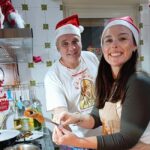
The other thing I like is that the teaching feels human. Carlo and his family members get involved, and that means more attention when your dough is sticky or your cannoli shells are being stubborn. One review described the vibe as spending time with friends while making your own pasta, which fits what this class is aiming for: food plus warmth, not just technique.
You can also read our reviews of more tours and experiences in Palermo.
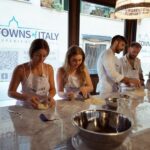
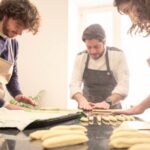
Your 3 Hours From Aperitif to Your Finished Plate
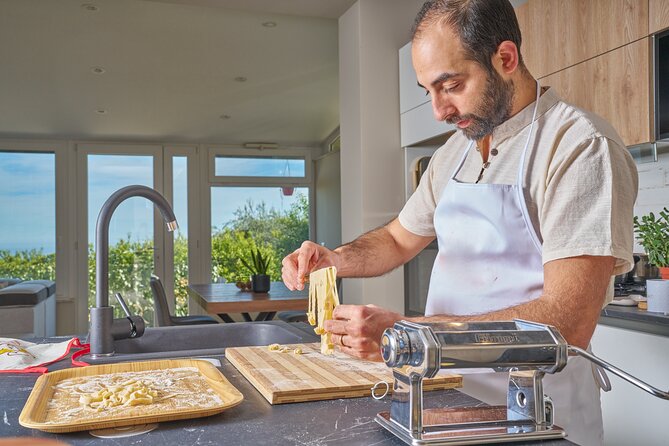
Plan on roughly 3 hours, and expect the time to feel full, not rushed. The flow is built to keep you moving: you arrive, settle in with something local to sip or snack on, then you transition into cooking.
Here’s how the experience typically unfolds:
Start with local aperitifs and a welcome
You begin with an aperitif using local products. That’s a smart move for two reasons: you’re not hungry while learning, and it puts you in the mood for Sicilian flavors right away. Expect a relaxed start that eases you into the kitchen rhythm.
Garden walk and ingredient picking
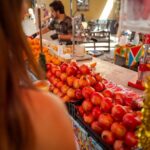
Next comes the garden component. You’ll see and pick ingredients that end up in the food you’ll cook—think herbs and produce tied to the day’s harvest. In practical terms, this means your pesto and sauces aren’t abstract. They taste like something picked hours earlier, not like it came from a shop weeks ago.
Cooking time (pasta first, then sweets)
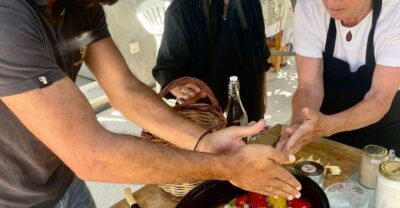
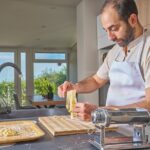
Then you get into the main event: making fresh tagliatelle and building sauces. After that, the class turns toward dessert: Sicilian cannoli or tiramisu, depending on the menu that day.
Sit down and eat what you made
You finish by eating the meal you cooked, with local drinks alongside. Several accounts highlight wine and prosecco as part of the dining experience, and the general feel is that you get multiple eating moments—snacks or small bites during cooking, then the full meal.
Garden-Grown Pasta: Tagliatelle, Pesto, and Alla Norma Options
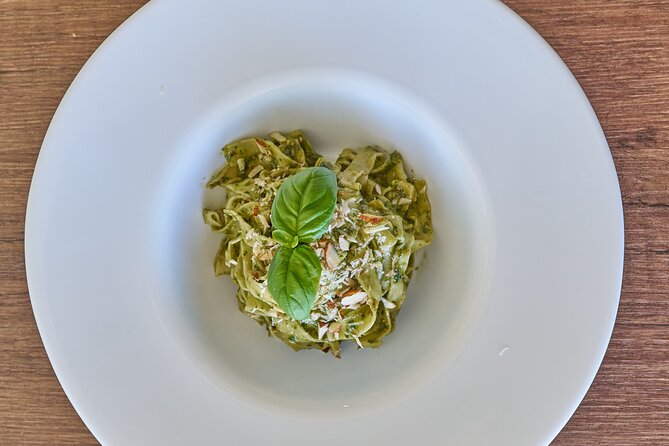
The pasta portion is the backbone of the class. You’ll make fresh tagliatelle and pair it with flavors like pesto from the garden, alla norma style, or a fresh tomato sauce.
Fresh pesto that actually tastes fresh
Pesto usually sounds simple, but it can go wrong if the ingredients are dull. Here’s the advantage: you’re working with herbs grown on-site, plus the whole process is guided step-by-step so you understand what the sauce should feel like. If you’ve only had pesto from jars, this is the moment you’ll realize why Italians talk about it like it’s a skill.
Alla norma flavor profile
Alla norma is a classic Sicilian direction—tomatoes plus eggplant vibes—so even if you aren’t making a full restaurant version, you’ll learn the core idea of balancing savory richness with bright tomato notes. You’ll leave understanding how that flavor combination comes together in real cooking, not just what to order.
Fresh tomato sauce for a lighter route
If the menu leans toward fresh tomato sauce, it’s still hands-on cooking, and that matters. You’ll learn how to build a sauce that tastes like tomatoes instead of like something watered down. This is great if you don’t want pesto as your only learning focus.
Why this helps you back home
Even if you never plan to make pasta often, the techniques stick. You’ll learn dough handling, timing, and how sauce consistency should match your pasta shape. That’s why this class is more valuable than a one-off meal: you’re picking up kitchen logic, not just eating.
Cannoli or Tiramisu: The Sweet Part You’ll Want to Repeat

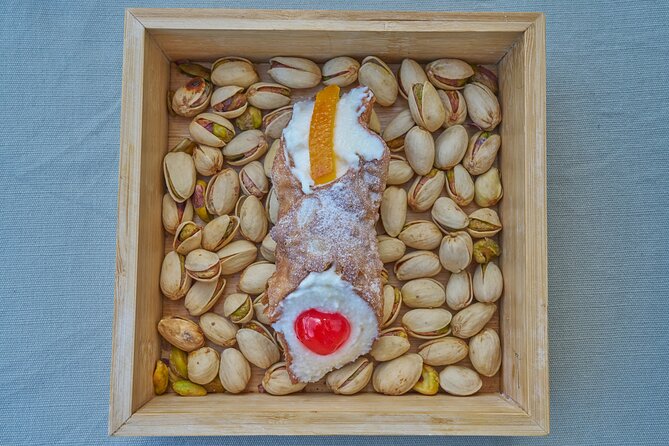
Dessert is where the class gets extra satisfying. You’ll make Sicilian cannoli, and some days include tiramisu as well. Cannoli especially is a great skill because it has multiple steps—shells and filling—so it feels like you accomplished something real.
Cannoli filling and the joy of doing it yourself
Cannoli can be intimidating because the texture needs to stay right. The good news is that the class is guided, and Carlo’s teaching style is repeatedly described as patient and clear. When you’re working in a friendly group, you can ask the quick question you need instead of guessing.
Tiramisu when that’s the dessert focus
If tiramisu is on your menu, you’ll still get a dessert lesson with the same hands-on approach. The key is that you don’t just watch dessert happen—you participate in the process.
Expect to leave with more than hunger
A common highlight is walking away with the recipes. That matters because Sicily cooking is easy to recreate once you have a real framework, not a vague memory of what someone made for you once.
The View From the Terrace: Conca D’Oro Over Palermo
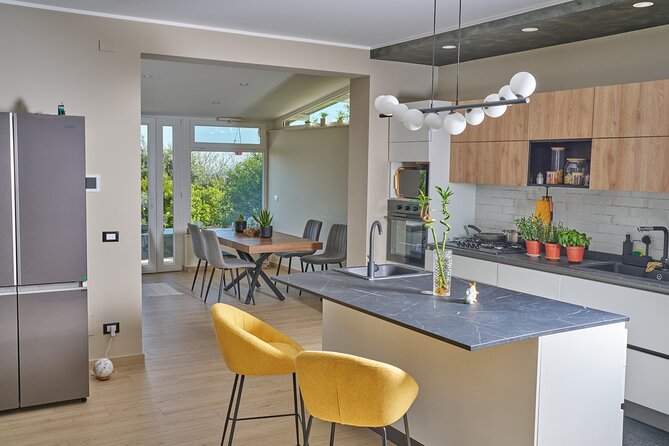
This is one of those experiences where the setting isn’t a decoration—it’s part of the flavor. You cook while looking out over Palermo, and that changes how the meal feels. Your brain reads the day as special, so even simple ingredients taste more vivid.
You’ll be spending time outdoors or near open-air spaces, especially during garden viewing and eating. If you’re sensitive to sun or heat, that’s useful to keep in mind when you pick your time slot.
Also note the class depends on good weather. That’s not a minor detail. When the day is right, the whole experience gets better—views, outdoor garden time, and the general relaxed pacing.
Price and Value: Is $139.13 Worth It?
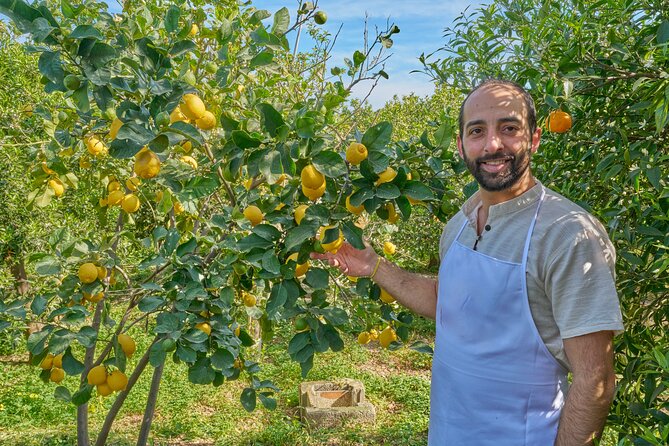
At $139.13 per person, the price might feel high at first glance—until you break down what’s included. You’re paying for ingredients you can trace back to the garden, instruction for fresh pasta and dessert, and a full meal experience (not just a bite-sized tasting).
You also get:
- Small-group attention (max 12), which reduces the “watching instead of doing” feeling
- A real home-villa setting, not a standardized studio kitchen
- Local aperitif start and a sit-down finish, so you’re not buying dinner afterward
If you compare this to the cost of a great Palermo meal plus a separate cooking guide or workshop, it quickly starts to look like a strong deal. The best value comes if you actually want to learn. If you only want to eat, there are cheaper options. If you want skills—pasta, cannoli, sauce logic—this is the kind of class that pays you back in future dinners.
Who This Cooking Class Is Best For
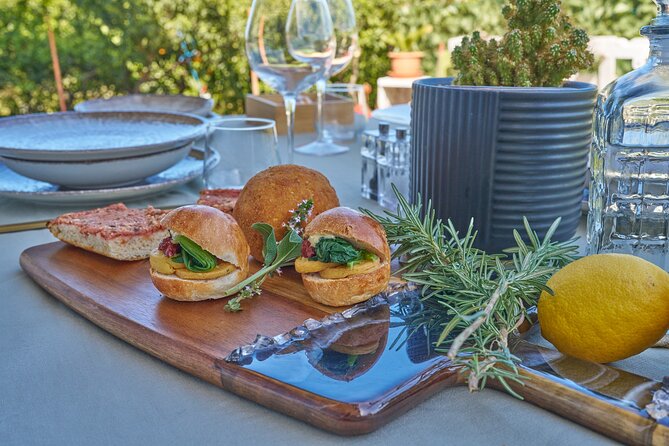
This experience fits a surprising range of travelers because the class is structured around getting everyone cooking, even if you’re a beginner.
Families and kids
Several accounts mention that families are welcome, and Carlo’s approach works well even with children. If your kids enjoy hands-on tasks, this is the kind of activity that keeps them engaged while you learn.
Solo travelers
Going solo doesn’t feel awkward here because the group stays small. You’ll be part of the cooking rhythm, and Carlo and family members tend to keep things moving with humor and warmth.
Couples and friends
If you want a date-like experience without the stiffness of a restaurant, this is a good option. You get shared tasks, shared food, and a memorable setting.
Food nerds and pasta beginners
Even if you think you can’t cook pasta, the class is designed to make the process approachable. The repeated theme is that Carlo teaches in a way that turns tricky steps into doable steps.
One practical note for accessibility needs
One review highlighted that Carlo made sure a senior with hearing problems understood everything. That’s a good sign: you can speak up if you need extra repetition or slower pacing.
Practical Tips Before You Go (So You Enjoy It More)
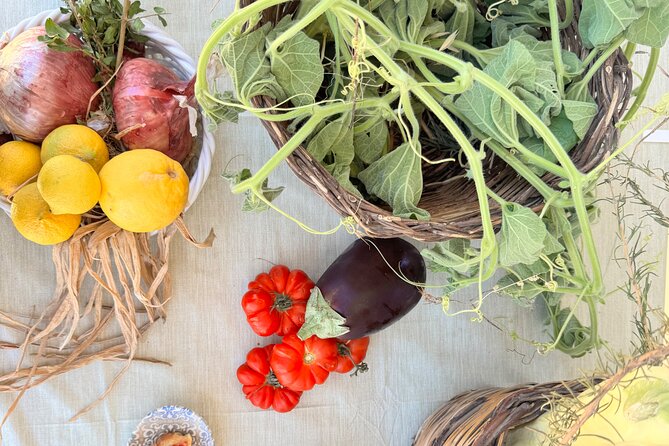
A few simple prep steps make a big difference.
Plan your transport to Portella di Mare
The meeting point is Via Nazionale, 240, 90036 Portella di Mare, PA. That’s not inside the busiest parts of Palermo, so build in time for getting there and back. If your plan is taxi or private car, do it early and confirm timing.
Wear shoes you can stand in
You’ll likely move between kitchen areas and garden spots. Comfortable shoes help more than you’d expect.
Bring your appetite
Even though the class runs about 3 hours, it’s not a light snack experience. You’ll start with an aperitif and end with a full meal, plus dessert.
Ask about dietary needs ahead
The tour info doesn’t list specific dietary accommodations. Still, you’ll do best if you message ahead about allergies or dietary restrictions so the team can tell you what’s possible.
Should You Book Cooking With Carlo?
Yes—if you want authentic Sicilian food made with real ingredients and you like the idea of learning. This is one of those rare activities that hits multiple goals: tasty eating, hands-on cooking skills, and a memorable setting above Palermo.
I’d especially book it if:
- You want to take home recipes you can actually use
- You enjoy garden-to-table experiences
- You’re traveling with kids, friends, or a group that likes to participate
- You want more than a meal—something you’ll repeat at home
Skip it only if you’re purely time-crunched or you dislike cooking activities. If your ideal day is sightseeing only, this might feel like a full detour.
FAQ
Where does the cooking class start?
The class starts at Via Nazionale, 240, 90036 Portella di Mare PA, Italy, and it ends back at the meeting point.
How long is the experience?
It runs for about 3 hours.
How big is the group?
The maximum group size is 12 travelers.
What language is the class taught in?
The experience is offered in English.
What food will I learn to make?
You’ll make fresh tagliatelle with options like pesto from the garden, alla norma, or fresh tomato sauce, and you’ll have dessert such as Sicilian cannoli or tiramisu.
What happens if the weather is bad?
The experience requires good weather. If it’s canceled due to poor weather, you’ll be offered a different date or a full refund.