REVIEW · BARI
Apulian Cooking Class with Aperitif and Wine in Polignano a Mare
Book on Viator →Operated by Pugliamare · Bookable on Viator
Make pasta in Polignano, the local way. This 2-hour class is built around learning orecchiette hands-on and then eating what you make with an aperitif that includes taralli, seasonal vegetables, and Apulian wine. One catch: the old-town meeting spot (Via S. Vito 20) can be a little tricky to find if you rely only on GPS and arrive without a buffer.
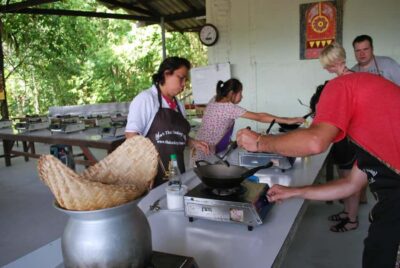
You start in the Centro Storico di Polignano a Mare, then move into a kitchen setup designed for small groups (max 12). The pace stays friendly and in English, with instruction focused on how pasta really works, plus a full brunch lunch or dinner built around the pasta.
In This Review
- Key things that make this class worth your time
- In Polignano, a small-group orecchiette lesson that feels like family table time
- Centro Storico start: where you begin and what to notice right away
- Aperitif hour: taralli, seasonal vegetables, and Apulian wine pairings
- Orecchiette from scratch: dough, shaping, and the tips that help you succeed
- Your full Apulian meal: Bari-style focaccia, simple sauce logic, and local add-ons
- Is it worth $78.61? Value, who it fits, and the main drawback to plan for
- Should you book this Apulian cooking class in Polignano a Mare?
- FAQ
- How long is the Apulian Cooking Class in Polignano a Mare?
- What does the class teach you?
- Is the class offered in English?
- How much does it cost?
- How large is the group?
- Where do I meet for the class?
- What’s included in the price?
- Is private transportation included?
- Do I need to share dietary restrictions?
- What happens if the weather is bad?
Key things that make this class worth your time
- Orecchiette technique, not just a demo: You work the dough and practice the shaping steps
- Wine + aperitif early: Taralli and local products kick off the meal pairing
- A real meal, not a snack: Brunch lunch or dinner centers on orecchiette with Apulian typical foods
- Small group size (max 12): More attention and easier questions while you cook
- Instruction in English: Clear guidance for non-Italian speakers, including practical sauce logic
- Good “back home” takeaways: You leave with a sense of how to build the whole dish
In Polignano, a small-group orecchiette lesson that feels like family table time
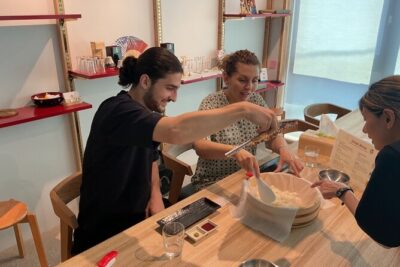
This isn’t one of those quick, watered-down cooking tours where you watch while someone else works. The format here is hands-on from the start, with enough elbow room to actually practice shaping orecchiette. And because the group is capped at 12, you’re not stuck yelling across the table for help.
What I like most is that the teaching stays practical. You’re not only learning how to make pasta, you’re also getting guidance on how the meal comes together. The class includes instruction that covers pasta basics and the sauce side of the equation, plus notes that help you cook with confidence later.
Another strong point is how the food arrives in a sequence that makes sense. You get an aperitif with typical Apulian items (taralli and other local bites), then the main pasta focus, then a sit-down portion built around your orecchiette. That rhythm matters when you want to enjoy the experience instead of feeling rushed.
Time-wise, plan for about 2 hours. It’s short enough to fit into a busy day in Polignano a Mare, but long enough for you to learn steps, eat well, and still feel like you did more than just taste.
You can also read our reviews of more tours and experiences in Bari.

Centro Storico start: where you begin and what to notice right away
The meeting point is Via S. Vito 20, 70044 Polignano a Mare. You’ll start in the Centro Storico di Polignano a Mare, and the activity ends back at the same meeting point, so you’re not stuck figuring out a second location.
This is a real plus for anyone sightseeing in Polignano. You can do this as part of your day without arranging transportation to a distant countryside address. The trade-off is that old-town wayfinding can be messy. If you’ve ever watched a navigation app try to place you in the wrong alley, you know the problem. Give yourself extra time, and if something feels off, ask locally rather than spinning your wheels.
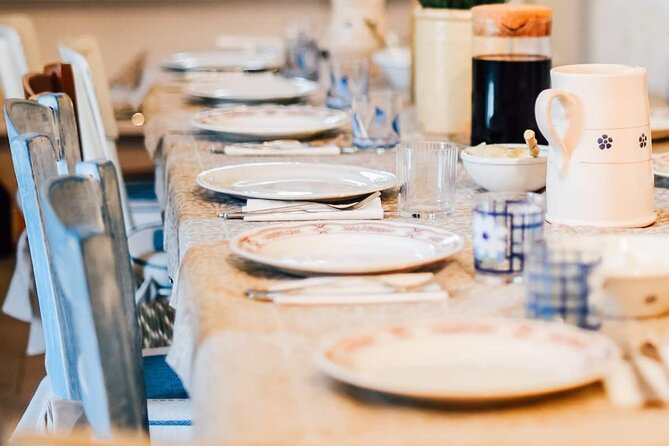
Also, the class’s location ties into the feel of the experience. The kitchen setting is described by past participants as cozy and close to that local architecture vibe, which helps the workshop feel less like a production and more like a regular home-style meal. That matters when you’re trying to learn techniques, because you tend to pay closer attention when the setting feels personal.
Finally, since the tour is offered in English, you can follow along without hunting for translations. Just plan to be present and ask questions while you’re at the station. In a small group, those moments are where the instruction becomes useful.
Aperitif hour: taralli, seasonal vegetables, and Apulian wine pairings
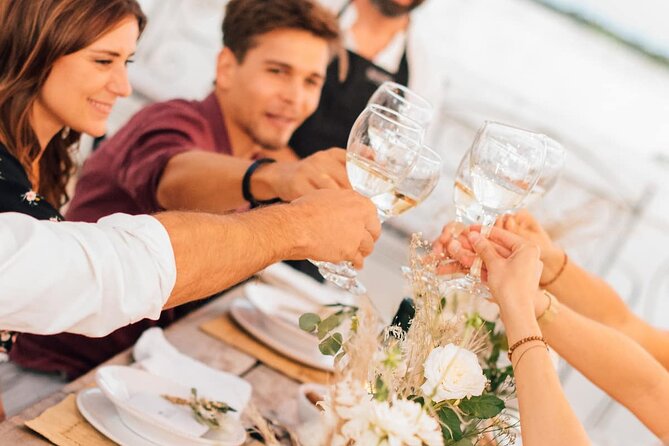
The aperitif isn’t an afterthought here. It’s part of the learning experience because it slows you down enough to notice flavor and texture before you cook.
Expect typical Apulian bites like crispy taralli, plus seasonal vegetables and a selection of regional specialties. You’ll also have Apulian wine paired with the spread. This pairing concept is simple, but it works: you get a feel for the region’s bread-and-snack culture first, then the pasta lesson feels like it belongs to a bigger meal.
The wine component also explains why many people leave in a good mood. It’s not a party vibe, but it is a relaxed, social moment. If you’re traveling with others, it’s also a natural way to chat with your instructor and the group before you roll up your sleeves.
One practical note: because the aperitif and wine are included, you’ll want to keep water handy and stay mindful of timing if you plan other activities afterward. Two hours passes quickly, and you’ll likely finish feeling pleasantly full.
If you’re picky about food pairings, you still should enjoy this. The aperitif is built from local items (not international snack stand-ins), and it sets up the flavors you’ll see again in the meal: olive-oil logic, tomato basics, and that classic Apulian snack board feel.
Orecchiette from scratch: dough, shaping, and the tips that help you succeed
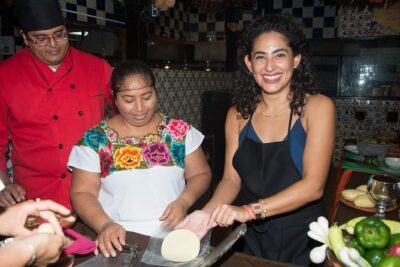
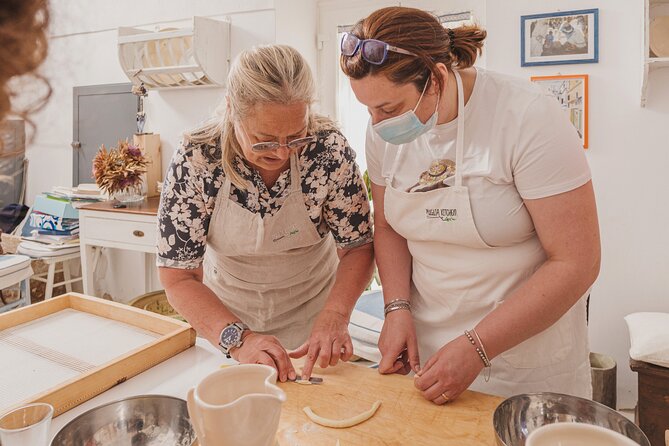
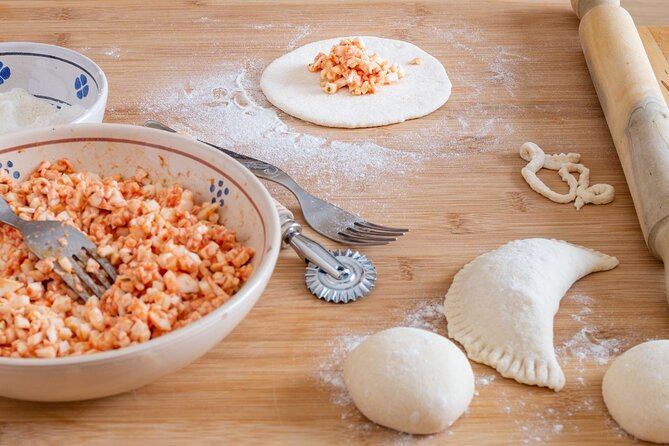
The core of the class is making orecchiette from scratch. You’ll learn the process step by step under a chef’s guidance, and you’ll get the chance to shape and work the pasta yourself.
This is one of the most praised parts, and for good reason. Orecchiette has a distinct form, and getting it right is half technique, half rhythm. Past participants highlight teachers like Daniele/Daniela and Annamaria/Anna Maria as especially clear, patient, and fun—exactly what you want when the goal is to build muscle memory, not just memorize steps.
You’ll also hear about the food science side of cooking pasta. That doesn’t mean fancy jargon for show. It usually translates into things like how dough behaves, what to watch for as you shape, and why boiling and timing matter for texture. You’ll also get help with the meal logic around pasta, including sauce-making guidance and key details about boiling water.
One of the smartest parts of the class is that it doesn’t treat orecchiette as a standalone trick. It frames the pasta as the base of a full Apulian plate. That changes how you cook at home later, because you stop thinking in single-recipe terms and start thinking like a cook: pasta texture, sauce grip, and how the components fit together.
And yes, orecchiette can look intimidating at first. But the instruction style here aims to make it approachable. You’re in a small group with a real chef, and the pace is designed so you can keep up instead of getting left behind.
Your full Apulian meal: Bari-style focaccia, simple sauce logic, and local add-ons
After the aperitif and pasta practice, the class turns into a meal: brunch lunch or dinner, depending on the session. The menu centers on orecchiette, plus Apulian typical products.
What you can expect includes:
- Starter: Bari-style focaccia bread
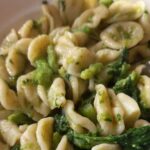
- Main: Orecchiette, served with local wine
- Additional Apulian bites: typical snacks such as taralli and items like a selection of products in oil
Several participants also mention extras that make the meal feel very Puglian, like focaccia barese and olives such as Leccino. The key idea is that you’re not just eating pasta. You’re tasting the region’s way of doing a full plate: bread, oil, olives, and simple, direct flavors.
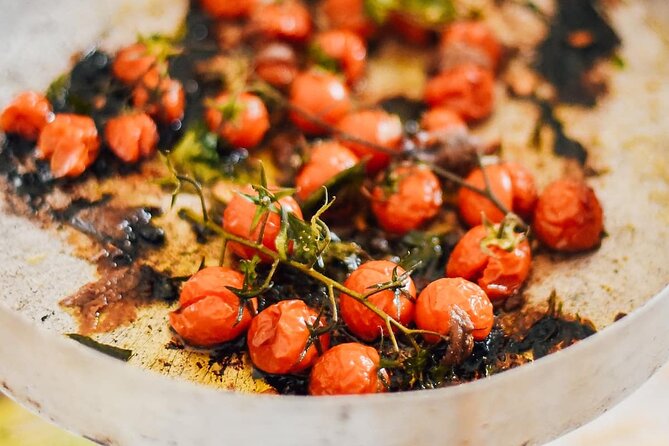
If tomato sauce is part of your interests, pay attention during the sauce portion. Some people call out learning proper tomato sauce making and the logic behind it. That matters because the best sauce is often about balance and consistency, not complicated ingredients. Even if you’re not a beginner, you’ll likely pick up a few techniques that make store-bought sauce seem flat afterward.
Also, this kind of class helps you learn how to build a dish in sequence—pasta first, then sauce, then the supporting components. That’s exactly the structure that helps you repeat the meal at home without guessing.
Finally, you’re not left without options. Soda/pop is included, and the class notes that you should inform them about any food allergies or intolerances when booking. If you have dietary needs, send the details early so the team can plan.
Is it worth $78.61? Value, who it fits, and the main drawback to plan for
For $78.61 per person, you’re paying for more than a quick tasting. You’re getting:
- A professional chef and kitchen utensils
- Hands-on instruction for orecchiette
- Tasting of local products
- A brunch lunch or dinner built around the orecchiette meal
- Aperitif items plus wine, and soda/pop
In practical terms, that price is most fair if you’re the type who wants to learn something you can actually repeat. If you love cooking but get annoyed by classes where you do nothing, this one is designed for participation. If you’re traveling as a couple or with family, it also has a social side without becoming chaotic, since the group size stays small.
The biggest drawback is logistics around finding the meeting spot. Several past participants mention incorrect addresses or confusing navigation links, and even when reminders help, it can still be stressful. I’d solve that by arriving early, checking the exact address (Via S. Vito 20), and planning an extra 15–30 minutes before you need to be seated.
This class fits best if you:
- Want an English-taught cooking experience focused on one iconic regional pasta
- Like wine and local snacks as part of the meal
- Prefer small-group instruction over crowded workshops
- Enjoy learning sauce and pasta timing, not just shaping dough
You might skip it if you:
- Don’t want to handle food yourself at all
- Are extremely sensitive to wine (since it’s included with the aperitif and meal)
- Need very specific accommodations that aren’t addressed at booking
If you keep those points in mind, the value feels solid because you’re paying for a full, structured experience, not just ingredients and a brief chat.
Should you book this Apulian cooking class in Polignano a Mare?
If your idea of a great day in Puglia includes hands-on pasta skills plus a proper local meal, I’d book it. The small group size, the English instruction, and the focus on orecchiette techniques make it more useful than most “taste and watch” experiences. And the fact that you eat what you make, with taralli and Apulian wine up front, helps it feel like a real slice of local life.
Just do one thing to protect your day: plan extra time to reach Via S. Vito 20 and don’t wait until the last second to locate it. If the weather is questionable, note that the experience requires good weather, so you may need flexibility.
FAQ
How long is the Apulian Cooking Class in Polignano a Mare?
It runs for about 2 hours.
What does the class teach you?
The main focus is making orecchiette (handmade pasta from scratch) along with guidance that covers parts of the meal, including sauce.
Is the class offered in English?
Yes. The experience is offered in English.
How much does it cost?
The price is $78.61 per person.
How large is the group?
The maximum group size is 12 travelers.
Where do I meet for the class?
You meet at Via S. Vito, 20, 70044 Polignano a Mare BA, Italy, and the activity ends back at the meeting point.
What’s included in the price?
Included are a professional chef, kitchen utensils, tasting of local products, brunch lunch or dinner with orecchiette and Apulian typical products, and soda/pop.
Is private transportation included?
No. Private transportation is not included.
Do I need to share dietary restrictions?
Yes. If you have any food allergies or intolerances, you should inform the provider at the time of booking.
What happens if the weather is bad?
The experience requires good weather, and if it’s canceled due to poor weather you’ll be offered a different date or a full refund.