REVIEW · TOKYO
Japanese Home Cooking Class & Walk in Todoroki Temple Tokyo
Book on Viator →Operated by Casa de Tomokita Japanese Home Cooking Class · Bookable on Viator
Tokyo, you can learn to cook. Then you can actually taste it.
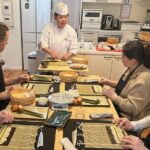
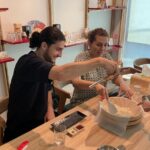
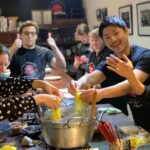
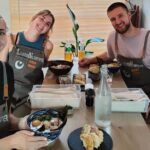
In this small-group class at Casa de Tomokita, you start with a calm walk to Todoroki Valley landmarks, then cook lunch at the host’s home with Tomoko (and sometimes Junko helping along). I love how the class stays personal—up to four people, so you’re not stuck watching from the sidelines. I also love that the menu is designed around what you want to make, so your meal feels connected to your trip instead of generic.
One thing to consider: it’s a hands-on session with a short walking segment between stops, and you’ll get the best results if you decide your main in advance (and share dietary needs early).
In This Review
- Key things to know before you go
- Todoroki Valley, then a home-cooked lunch you can recreate
- Price and what you’re really paying for ($110.99)
- Getting there: Todoroki Station meeting point and the timing window
- Stop 1: Todoroki Fudoson temple visit (10 minutes, free)
- Stop 2: Todoroki Valley views (5 minutes, free)
- Stop 3: Casa de Tomokita cooking class (the real reason to book)
- What you’ll eat: multi-course Japanese home cooking (and drinks)
- How the class adapts to your food preferences
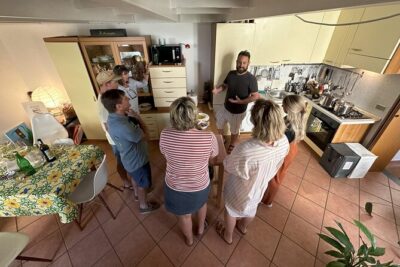
- Small-group coaching: what “up to four travelers” changes
- What to ask your host before class
- Who should book this, and who might want a different fit
- Should you book Casa de Tomokita’s Japanese Home Cooking Class?
- FAQ
- How long is the Japanese home cooking class experience?
- Where do I meet for the experience?
- What does the class include?
- What cooking does the class focus on?
- Is the experience suitable for beginners?
- How many people are in the group?
- Are any of the sightseeing stops paid?
- Do I get recipes to take home?
Key things to know before you go
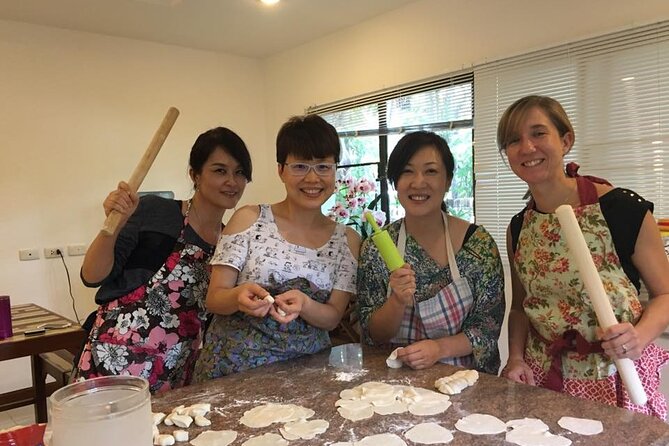
- Tiny group size (max 4) means more hands-on help and clearer feedback.
- Todoroki Valley + a nearby temple sets a quieter tone before you cook.
- Choose your main dish ahead of time (options include okonomiyaki, ramen, sushi rolls, and more).
- Dietary customization is a big deal—vegetarian, pescatarian, vegan, and allergy needs have been accommodated.
- Recipes are provided so you can recreate the food at home.
- Food and drinks are included, including hot drinks and alcoholic beverages.
Todoroki Valley, then a home-cooked lunch you can recreate
This experience feels like the Tokyo you don’t always see: a short walk through Todoroki Valley, then into a residential home where you cook with care—not speed. The day starts with a simple rhythm: arrive at Todoroki Station, follow your host to Todoroki Fudoson, take in the valley views, then head to Casa de Tomokita for the class.
What makes it satisfying is that you’re learning Japanese home cooking in the place it actually happens. You’re not just collecting food facts. You’re building technique: how to season, how to manage timing, how to adjust texture, and how to put together a meal that makes sense as a full lunch (appetizer, main, and dessert).
If you like food travel that goes beyond eating, you’ll appreciate the structure. You’ll still eat lots—because you made it—but the real win is learning how the flavors are built. And because the group is so small, you’re able to ask questions when something doesn’t click.
You can also read our reviews of more tours and experiences in Tokyo.
Price and what you’re really paying for ($110.99)
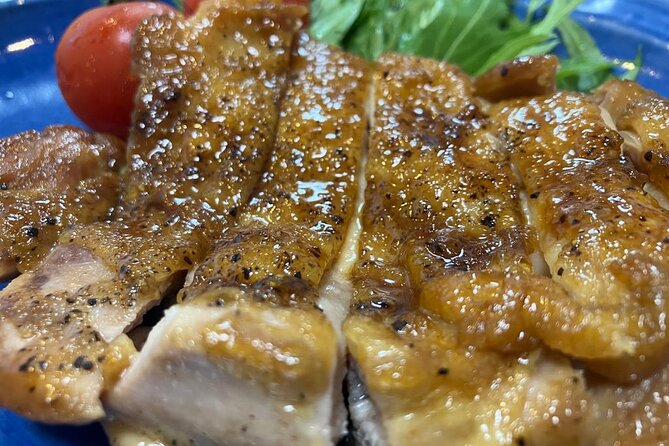
At $110.99 per person for about 2 hours 30 minutes, this isn’t a “cheap meal.” But it also isn’t just a ticket to eat. You’re paying for a few things that add up fast in Tokyo:
- Personal instruction in a max-4 setting (so the teacher can watch you work).
- Ingredients included, plus bottled water and hot drinks.
- Alcoholic beverages included, which changes the value if you plan to drink with lunch.
- Your own meal, cooked by you, including multiple courses.
- Recipes provided so you get carry-home value, not just a one-day memory.
If you compare it to buying ingredients and trying to guess your way through Japanese home-style dishes, this class often feels like the smarter shortcut. You pay for guidance, portioning, timing, and practical substitutions that make the food come out right.
The only “cost” to consider is mental: you’ll want to pick (or at least think about) the main dish you want to cook, because that selection affects ingredient planning.
Getting there: Todoroki Station meeting point and the timing window
You meet at Todoroki Station (3 Chome-1 Todoroki, Setagaya City, Tokyo 158-0082). The activity ends back at the meeting point, which keeps the day from turning into a log-in, log-out travel puzzle.
The published operating window is Monday through Friday, 11:00 AM to 2:00 PM. That matters because the class length is listed at about 2 hours 30 minutes. In practice, you should assume the full experience runs right through that midday stretch, starting promptly from Todoroki.
Tip that helps: arrive a little early, and take a moment to settle your order of operations. You’ll walk between stops, then cook, then eat. If you show up rushed, the day’s pace can feel tight.
Also note: you’ll get a mobile ticket, so bring your phone (and make sure your battery is happy). This is one of those small conveniences that prevents stress later.
Stop 1: Todoroki Fudoson temple visit (10 minutes, free)
Before you touch any ingredients, you get a quick, local-feeling reset at Todoroki Fudoson. It’s a short stop—about 10 minutes—and admission is listed as free.
What I like about this kind of opening is that it puts you into a real neighborhood flow. You’re not sprinting across famous landmarks. You’re walking like people who live nearby might: calmly, with short pauses.
This temple stop also helps you understand the day as more than a cooking class. Your host is showing you the context around her home area—why this neighborhood feels peaceful, and how it connects to the valley walk that follows.
Stop 2: Todoroki Valley views (5 minutes, free)
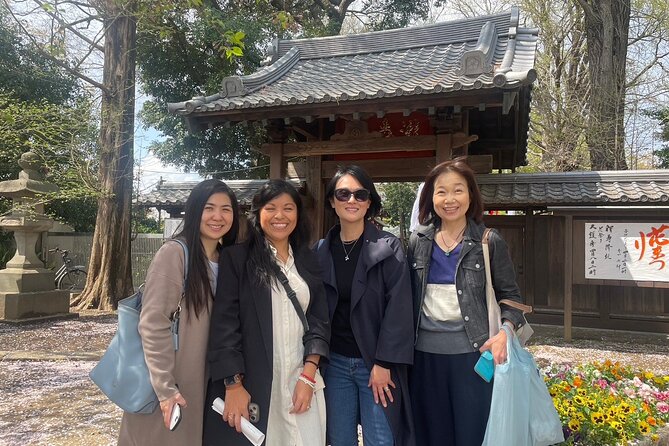
Right after, you move to the Todoroki Valley viewpoint area, listed at about 5 minutes with free admission.
That short time is exactly what it sounds like: a look and a breather. In a city like Tokyo, even a small pocket of quiet matters. The valley walk turns the day from hectic-city energy into a calmer mood before you switch into cooking mode.
If you’re the type who likes to digest your day in steps—see something first, then do something—this part will feel well placed. It also gives you a gentle introduction to the area around Setagaya, without eating up half your itinerary.

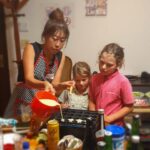
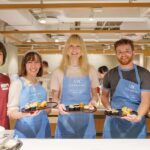
Stop 3: Casa de Tomokita cooking class (the real reason to book)
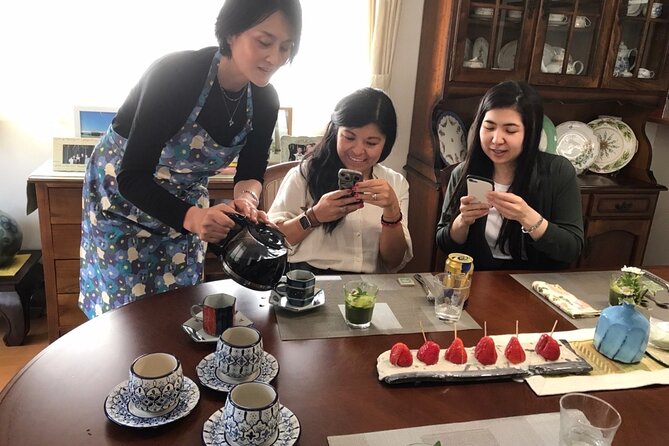
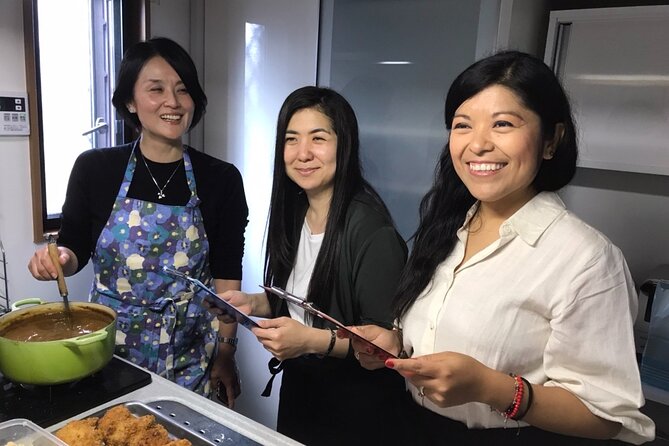
After the valley, it’s a short walk (about 5 minutes) to the cooking location, Casa de Tomokita. This is where the lesson happens.
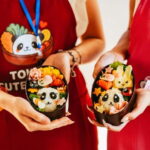
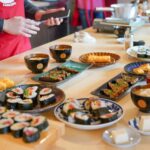
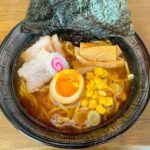
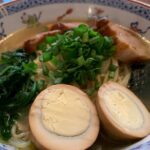
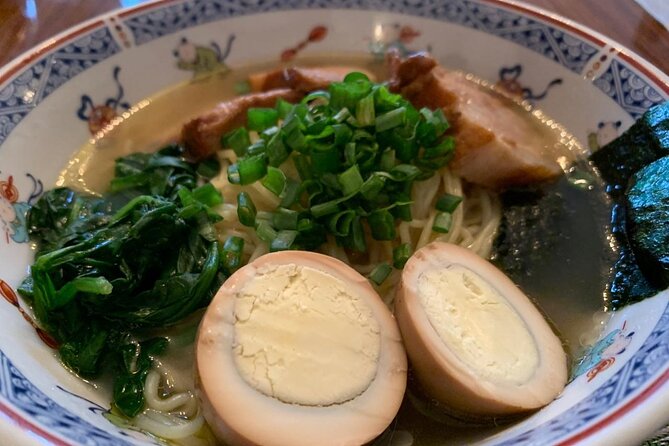
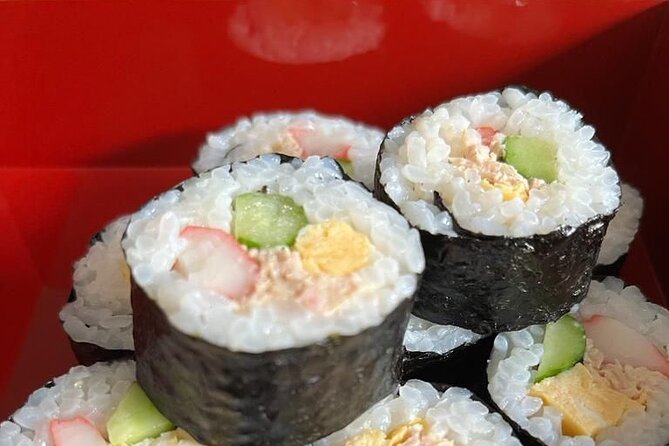
The class format is straightforward and learner-friendly: you’ll make an appetizer, a main, and a dessert, then eat what you cooked together. The main dish is chosen in advance (examples offered include okonomiyaki, ramen, sushi rolls, and other delicacies), so the kitchen is stocked with what you need.
What you can expect during the cooking portion:
- Clear step-by-step guidance as you prep and cook
- Time to actually participate, not just watch
- Explanations tied to flavor and technique (why something gets done a certain way)
- A shared meal at the end, so you taste the results while the instructions are still fresh
From the many class experiences shared by past participants, the menus often include dishes like gyoza, takoyaki, fried rice, okonomiyaki, curry rice, oyakodon, tempura like kakiage, and multiple side dishes. Desserts commonly show up as matcha-based or mochi-and-ice-cream style.
If you’re a beginner, that’s still fine. The class is described as welcoming for all skill levels, and the teaching style seems to aim for clarity over intimidation.
What you’ll eat: multi-course Japanese home cooking (and drinks)
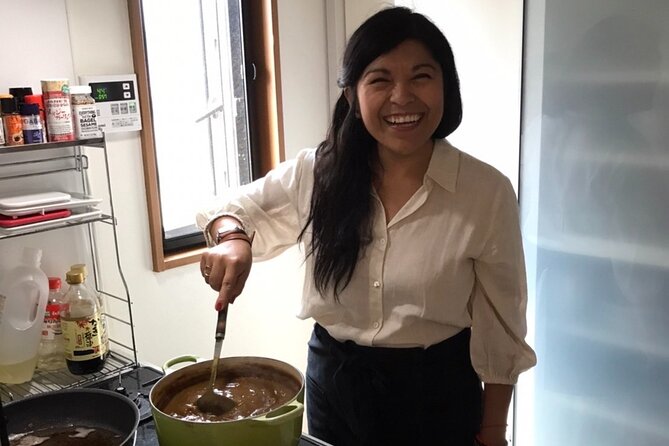
One of the best “value surprises” here is how complete lunch feels. It’s not a single dish and a snack. It’s typically built like a proper meal.
You’re guided to cook:
- Appetizer (often something crisp or savory to start)
- Main dish (your chosen option)
- Dessert (often matcha-focused, sometimes mochi-based)
Drinks are included too: bottled water, hot drinks, and alcoholic beverages. That means the meal is basically handled start-to-finish, and you don’t have to hunt for extras afterward.
A few practical reasons I like this setup:
- You get to practice multiple flavors, not just one technique.
- Side dishes help you learn how Japanese meals balance taste and texture.
- Dessert finishes the lesson so you can ask questions while everything is fresh.
In past sessions, homemade plum wine (umeshu) has been served, along with things like matcha ice cream and seasonal toppings. If you enjoy Japanese sweets, this part can feel like the reward for doing the work.
How the class adapts to your food preferences
This is where the class seems to score big. People have reported that the host adjusts the menu for different dietary needs, including pescatarian and vegetarian options, and vegan requests. Allergy accommodations also come up in the experience accounts.
That matters because Japanese cooking often relies on specific ingredients (like dashi, certain sauces, and seafood-based flavors). A good class doesn’t just tell you what’s in the dish—it helps you translate it to your needs without losing the point of the flavor.
You’ll also notice a recurring theme: you’re not only taught how to cook, you’re given something usable afterward. Many participants mention receiving recipes, sometimes printed, and getting help so they can recreate the flavors at home.
A small but smart detail: the host sometimes helps with finding ingredients unique to Japan at grocery stores after class. If you’re trying to cook again later, that kind of guidance can be more valuable than a shopping list.
Small-group coaching: what “up to four travelers” changes
With a group size capped at four, the dynamic becomes different fast. You’re more likely to:
- Get direct attention while you cook
- Ask questions without waiting
- Get feedback on technique
- Move at a pace that makes sense for learning
That’s a big reason the experience gets so much praise. In bigger classes, the teacher can become a conveyor belt of steps. Here, the instruction feels more like conversation plus coaching.
Communication also seems to be a strength. Participants have said Tomoko’s English is excellent, and she also speaks Spanish, so you’re not stuck guessing with a dictionary.
If you’re worried about language barriers, you’ll probably feel less stress here than in a typical food stop.
What to ask your host before class
You’ll get the best experience if you communicate your needs and interests early. Here are smart, practical questions to bring to the table:
- Which main dishes are available based on what I want to cook?
- Can you adjust for my dietary needs or allergies?
- What’s the easiest Japanese ingredient to buy locally, and what’s worth getting in Japan?
- Which parts of the recipe matter most for getting the flavor right at home?
Also, if you have limited time in Tokyo and want to maximize learning, ask which ingredients make the biggest difference for the dishes you choose. That helps you spend your souvenir budget wisely.
Who should book this, and who might want a different fit
This fits best if you:
- Want hands-on cooking, not just watching
- Like learning practical technique you can use at home
- Enjoy Japanese food beyond sushi and ramen storefronts
- Prefer small-group experiences with real conversation
- Care about dietary flexibility
You might consider another option if:
- You prefer only famous sights with minimal walking
- You want a classroom-style lesson with no meal involved (here, the meal is part of the teaching)
- You don’t want to drink alcohol at lunch, even though drinks are included
One more note: the day runs on a schedule window around late morning to early afternoon. If your Tokyo plans don’t line up with that timing, your options will be limited.
Should you book Casa de Tomokita’s Japanese Home Cooking Class?
If you like your Tokyo food experiences local, personal, and hands-on, I’d say yes. This is one of those classes where the surroundings (Todoroki Valley and the temple stop) set a calm tone, and the cooking part rewards you with skills plus recipes—not just a full stomach.
Book it if you:
- Want to cook one or two dishes you actually care about (choose your main in advance)
- Want small-group coaching (max 4)
- Need dietary accommodations
- Want to bring Japanese flavors home in a realistic, repeatable way
Pass if your schedule can’t fit the midday hours, or if you’re looking for a big-ticket, sightseeing-only day. For everyone else? This is the kind of Tokyo moment you’ll still talk about when you’re back home, trying to recreate that first perfect bite.
FAQ
How long is the Japanese home cooking class experience?
It’s listed at about 2 hours 30 minutes total.
Where do I meet for the experience?
You meet at Todoroki Station, 3 Chome-1 Todoroki, Setagaya City, Tokyo.
What does the class include?
You’ll cook and eat a meal that includes food, bottled water, hot drinks, and alcoholic beverages.
What cooking does the class focus on?
You’ll make an appetizer, a main dish, and a dessert. The main dish is chosen in advance.
Is the experience suitable for beginners?
Yes. All skill levels are welcome, including beginners.
How many people are in the group?
The maximum group size is 4 travelers.
Are any of the sightseeing stops paid?
Todoroki Fudoson and Todoroki Valley are listed with free admission.
Do I get recipes to take home?
Yes. Recipes are provided so you can recreate the dishes later.