REVIEW · HONG KONG SAR
Asian Favorites Cooking Class in Hong Kong (4-Course Meal)
Book on Viator →Operated by Cozymeal Cooking Classes · Bookable on Viator
Sushi, but in donut form, is fun. This small-group Hong Kong class turns the usual sushi ritual into something playful, from learning to season rice to shaping sushi donuts. I really like how hands-on it is, and I also love that the meal ends with a creamy mango coconut dessert built with pomelo and sago.
The only real catch is ingredient comfort. You’ll be working with fresh seafood, including raw fish for the sushi donut course, so if that’s not your thing, flag it when you book or consider another option.
In This Review
- The “How It All Fits Together” Highlights
- Hong Kong’s Sushi Donut Idea: Why This Class Feels Different
- Meeting Point and Timing: Planning for a 3-Hour Cooking Block
- Course One: Mixed Seafood Scallion Pancake with Chili Sauce
- Course Two: Sushi Donuts, Seasoned Rice, and Raw Seafood Handling
- What you’re really learning
- The texture lesson you’ll feel
- Course Three: Garlic Stir-Fry Choy Sum with Local Green Leaves
- Dessert: Mango Coconut Soup with Pomelo and Sago
- Price and Value: What $184.51 Gets You in Hong Kong
- Who This Class Fits Best (And Who Might Think Twice)
- What to Bring, What to Eat, and What You’ll Probably Want to Repeat
- Should You Book This Sushi Donut Cooking Class?
- FAQ
- How long is the Asian Favorites Cooking Class in Hong Kong?
- Where does the class start?
- What courses will I make during the class?
- Is it a small group?
- Is the class BYOB?
- Is confirmation provided after booking?
- Does the class accommodate dietary needs?
- Are service animals allowed?
- What is the cancellation policy?
The “How It All Fits Together” Highlights
- Max 4 travelers means more time with the chef and less standing around.
- Four courses in about 3 hours gives you real output, not just demos.
- Donut-shaped sushi is the party trick you’ll actually remember and repeat.
- Live wok-fry cooking teaches a technique you can use at home (not just assembly).
- Mango coconut soup with pomelo and sago brings a sweet, cold finish that feels distinctly Hong Kong-style dessert.
Hong Kong’s Sushi Donut Idea: Why This Class Feels Different
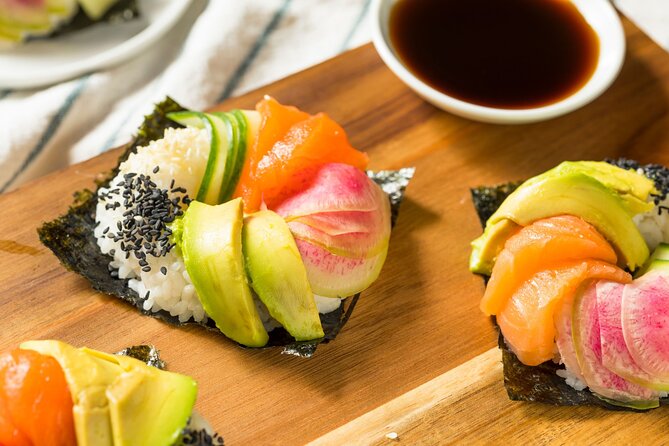
Most cooking classes teach you one thing. This one teaches a whole flow of skills. You start with savory seafood cooking, move into sushi-making, then add a quick green vegetable stir-fry, and finish with a dessert that’s creamy and bright.
That matters because it changes how you leave. You don’t just walk away with a recipe. You walk away with a mental checklist for timing, texture, and how to handle ingredients without freezing up.
The class is hosted through Cozymeal in a welcoming Hong Kong kitchen, and it’s guided by a local chef. It’s also capped at 4 travelers, so the vibe stays relaxed. You can ask questions without feeling rushed. And if your knife skills or rice skills are shaky, you’ll get the kind of pacing that helps.
You can also read our reviews of more tours and experiences in Hong Kong SAR.
Meeting Point and Timing: Planning for a 3-Hour Cooking Block
This experience runs for about 3 hours, and it starts at Reach Summit Hong Kong in Yuen Long (Tai Tong Rd, 99A號). It ends back at the same meeting point. You’ll get a mobile ticket, which is convenient because you don’t need to hunt for paper.
Here’s the practical side: plan to arrive a few minutes early. When you’re about to cook, being punctual keeps the chef’s flow on track, and it gives you time to settle in, put on an apron if they provide one, and get your bearings.
Also, bring an open mind about Hong Kong logistics. Yuen Long is not the “walk out of your hotel and you’re there” part of town for everyone. If you’re staying far away, factor in transit time so you don’t end up sprinting into a cooking class.
Course One: Mixed Seafood Scallion Pancake with Chili Sauce
The first course is a mixed seafood scallion pancake with oysters, squid, prawns, scallions, and chili sauce. This isn’t just “cook seafood and eat.” It’s a training ground for how flavors and textures work together.
You’ll learn how to prep and cook a savory base while keeping seafood from going rubbery. The scallions bring bite and aroma. The chili sauce adds heat, so you learn how to balance richness with something sharp.
One thing I appreciate about starting here: it warms you up. Before you touch anything that needs careful handling, you’re already getting used to the kitchen rhythm—what’s happening next, what you should watch for, and how the chef communicates technique.
And yes, there’s a playful angle here too. The class centers on donut shapes later, so you might see the team lean into fun presentation from the start, not just strict plating.
Course Two: Sushi Donuts, Seasoned Rice, and Raw Seafood Handling
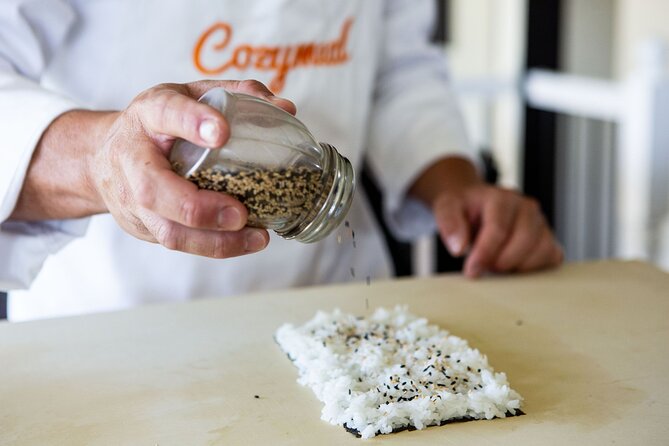
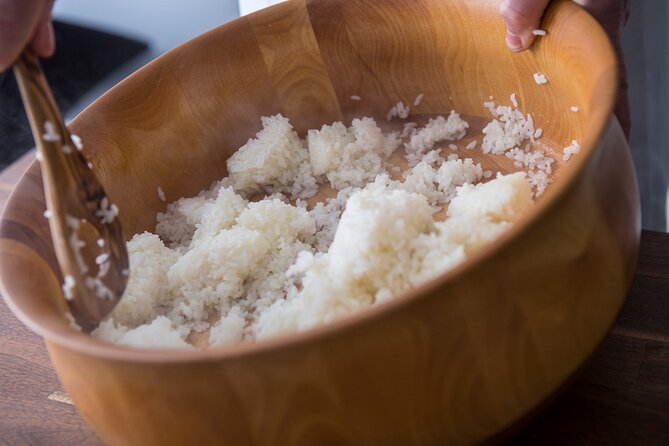
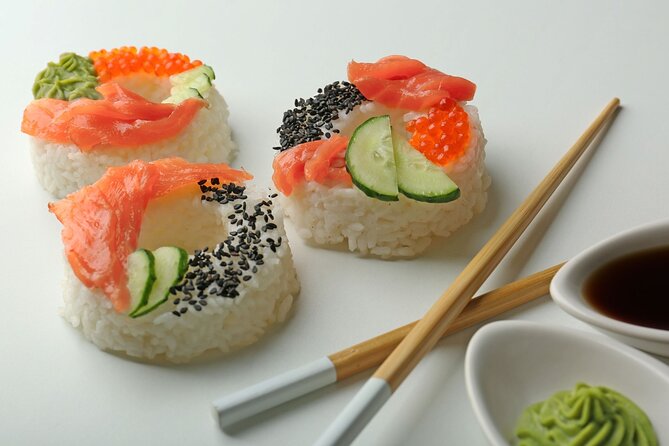
This is the headline course. You’ll make sushi donuts using Japanese rice, seaweed, raw fish, salmon roe, prawns, and squid. The chef guides you through key steps like seasoning the rice and shaping the donuts.
Why this is valuable: sushi isn’t hard because it’s fancy. It’s hard because rice has to be right and seafood has to be treated with care. When you learn these steps in a controlled kitchen with an attentive chef, it clicks faster than trying to copy a video at home.
What you’re really learning
- How to get rice ready with proper seasoning so it’s flavorful, not bland.
- How to work with seaweed and fillings without tearing or overstuffing.
- How to handle raw seafood confidently, including cutting fish properly.
- How to assemble so the donut shape holds together.
Some chefs also show extra sushi formats during class time. Based on the way this class is described, you may get a look at additional rolling styles such as maki, nigiri, or hand rolls, even if the main theme is the donut presentation. Don’t assume every format is guaranteed, but it’s a good sign when a chef is teaching technique rather than just the final dish.
The texture lesson you’ll feel
Sushi donuts ask for a balance between structure and bite. Too much filling and the shape collapses. Too little and it feels dry. You’ll learn that sweet spot quickly because you’re building it with your hands, not watching someone else do it.
Also, salmon roe adds a pop of saltiness and a burst of texture. That’s the kind of ingredient most home cooks skip until they try a proper sushi class and realize what they’re missing.
Course Three: Garlic Stir-Fry Choy Sum with Local Green Leaves
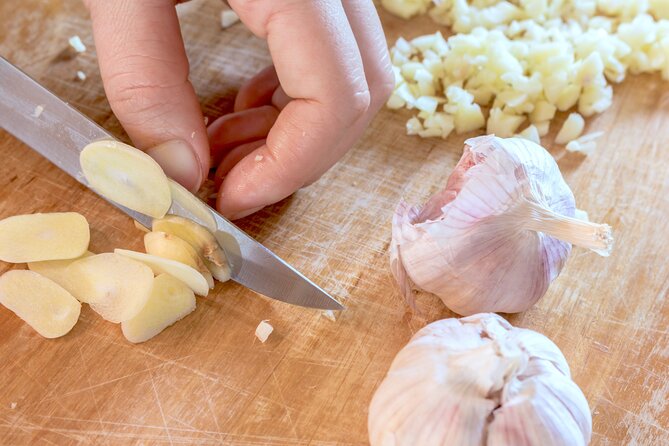
After the hands-on seafood and rice work, you get a third course that resets your palate: garlic stir-fry choy sum with garlic paste and local green leaf vegetables.
Choy sum is forgiving and fast-cooking, which makes it a great balance after earlier courses. Garlic and green vegetables also add that clean, aromatic contrast you want before dessert.
In a class like this, the real skill is how heat changes everything. Stir-frying is about timing and movement, and it’s hard to learn that from a cookbook. Even if you only cook for a short time, you should come away with a better instinct for when greens hit their best texture—tender but not limp.
And since the class is small, the chef can correct small things like how much garlic paste you’re using or how quickly you’re combining ingredients.
Dessert: Mango Coconut Soup with Pomelo and Sago
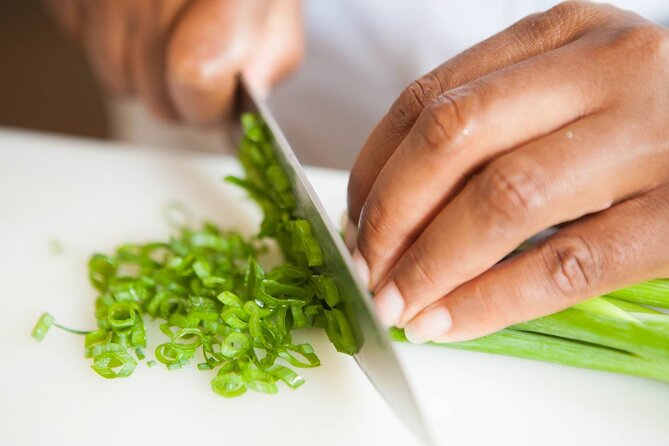
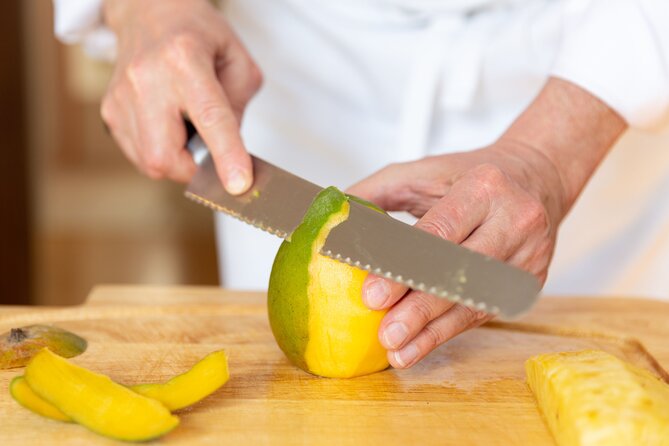
Dessert is mango coconut soup with pomelo made from mango, sago, coconut cream, and pomelo. This is a strong finish because it’s creamy but not heavy.
Coconut cream brings richness. Mango brings perfume and sweetness. Pomelo adds a lighter citrus bite, and sago gives little soft pearls that make the dessert feel fun to eat, not just sweet.
I also like that this course makes the meal feel complete. After seafood and rice, you want something that actually changes the flavor profile. This dessert does that. It’s also the kind of Hong Kong dessert combination that feels like you experienced the food culture rather than just learned a generic cooking technique.
Price and Value: What $184.51 Gets You in Hong Kong
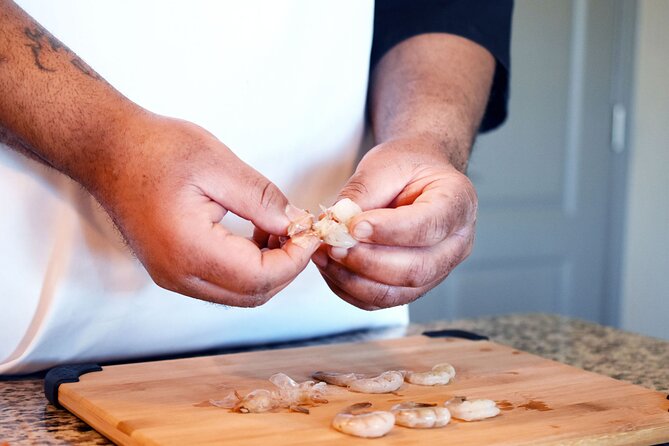
At $184.51 per person, this class is in the “you’re paying for a chef-led, hands-on meal” category. The good news is you’re not just paying for ingredients. You’re paying for coaching time and the setup of a kitchen where you can actually practice.
You get:
- A four-course meal you help make
- A local chef guiding you through rice seasoning, sushi donut shaping, and seafood handling
- A small-group experience with up to 4 travelers
- Hands-on instruction, not passive watching
So the value really depends on your cooking motivation. If you want to eat sushi and take photos, you could find cheaper options. But if your goal is learning a skill you’ll use at home—like how seasoned rice should feel and how to assemble sushi components—then the price makes more sense.
Also, the class is BYOB. Guests are welcome to bring wine and beer. That can reduce your total spend if you were going to buy drinks anyway.
Who This Class Fits Best (And Who Might Think Twice)
This class fits best if you’re:
- A sushi lover who wants to learn more than ordering
- Curious about Korean-ish/Japanese-ish fusion internet trends, but with real technique underneath
- Comfortable with seafood, including raw fish
- Interested in learning assembly skills like shaping and filling without mess
It might be less ideal if you:
- Strongly avoid raw seafood
- Want a quiet, sit-down dining experience rather than active cooking
- Are short on time for Yuen Long travel
The good part is that the class is designed to accommodate a variety of dietary needs, and you can tell the organizers in advance so they can tailor the experience. Still, since the menu includes raw fish in the sushi donut course, you’ll want to communicate early if you need a substitution approach.
What to Bring, What to Eat, and What You’ll Probably Want to Repeat
You don’t need to bring special gear based on the info provided. The key “bring” is an appetite for learning with your hands.
Plan to eat what you make. With four courses, you’ll get a full meal experience. Expect you’ll taste along the way, and you’ll likely leave with a better understanding of how each component matters.
And then there’s the part I think you’ll remember: the sushi donut shape. Even if you never make it at home exactly the same way, you’ll keep the rice-to-filling logic and the assembly habits. That’s the kind of technique that transfers.
Should You Book This Sushi Donut Cooking Class?
Yes, if you want a small, chef-led Hong Kong cooking experience with real skill-building. The sushi donut focus is the hook, but the bigger win is that you also learn seafood pancake cooking, a garlic stir-fry technique, and a mango coconut dessert that feels like a proper finish.
Book it with confidence if you’re comfortable with seafood and you enjoy hands-on cooking in a relaxed setting. Consider a different class (or message ahead for substitutions) if raw fish isn’t for you.
If you’re the type who likes learning one repeatable thing—rice seasoning, assembly, or wok timing—this is a solid use of a half-day. You’ll leave with food, technique, and something fun enough to tell people about without sounding like you watched a cooking show.
FAQ
How long is the Asian Favorites Cooking Class in Hong Kong?
The class lasts about 3 hours.
Where does the class start?
The meeting point is Reach Summit Hong Kong, Yuen Long, Tai Tong Rd, 99A號. The experience ends back at the meeting point.
What courses will I make during the class?
You’ll make four courses: mixed seafood scallion pancake, sushi donuts (with Japanese rice and seafood), garlic stir-fry choy sum, and mango coconut soup with pomelo and sago.
Is it a small group?
Yes. The class has a maximum of 4 travelers.
Is the class BYOB?
Yes. Guests are welcome to bring wine and beer.
Is confirmation provided after booking?
Yes. Confirmation will be received at the time of booking.
Does the class accommodate dietary needs?
Yes. It’s designed to accommodate a variety of dietary needs. Let the provider know in advance so they can tailor the experience.
Are service animals allowed?
Yes, service animals are allowed.
What is the cancellation policy?
Free cancellation is available. You can cancel up to 24 hours in advance for a full refund. If you cancel less than 24 hours before the start time, the amount paid is not refunded.