REVIEW · KATHMANDU
The best Private Nepali Cooking Class in Kathmandu
Book on Viator →Operated by Kalpana's Cooking Course Training · Bookable on Viator
Skip the tourist kitchen and go home-style. I love the market-and-farm ingredient hunt and the way Kalpana Thapa turns cooking into a real family lesson, not a performance. The one drawback: this is hands-on and a bit labor-heavy, so it is not for anyone who just wants to sit back and snack.
Hotel pickup and drop-off means you lose less time to Kathmandu traffic, and all your food is covered. You’ll leave with PDF recipes, a full meal you cooked yourself, and plenty of small techniques you can actually repeat later.
In This Review
- Key highlights to look for
- Cooking in Kalpana Thapa’s Kathmandu home: what makes it different
- Price and value: private transfers, ingredients, and lunch for about $24
- Getting there from your hotel: the pickup that buys you time
- From market and private organic farm to the garden table
- Hands-on cooking: spices, chopping, and the dal bhat rhythm
- The set meal you’ll make and how to recreate it at home
- Dietary needs and vegetarian swapping without stress
- How long it takes and what to do before you go
- Who this class suits best (and who should rethink)
- Should you book this private Nepali cooking class in Kathmandu?
- FAQ
- Is hotel pickup and drop-off included?
- How long is the cooking class in Kathmandu?
- Is this a private experience?
- What’s included in the meal?
- Do they offer a vegetarian option?
- What dishes will I learn to make?
- Are dietary requirements handled?
Key highlights to look for
- Private, in-a-local-home setting: You cook in a family kitchen, not a rented classroom.
- Ingredient sourcing starts early: You choose what you’ll cook at a local market and a private organic farm.
- Hands-on spice work: Grinding whole spices and pounding ginger and garlic are part of the class, so you learn real process.
- A set meal you can recreate: Expect items like plain rice, dal soup, seasonal vegetables, spinach, chicken, and pickle papad fry.
- Dietary changes are built in: Vegetarian options exist, and the menu can be adjusted if you tell them ahead of time.
Cooking in Kalpana Thapa’s Kathmandu home: what makes it different
This is the kind of Kathmandu experience that feels practical. You are not just tasting Nepali food in theory. You are learning how it gets made at home, with real ingredients chosen in advance and cooked right where people actually live.
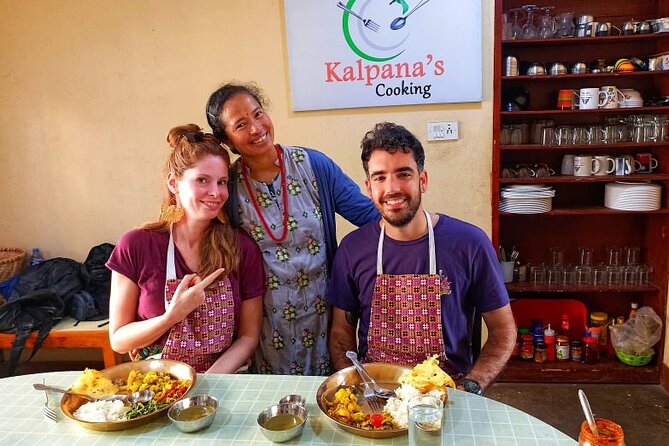
I especially liked the energy around hands-on participation. Kalpana Thapa teaches as you work—chopping, mixing, and cooking steps, with time to ask questions and record what you need on your phone. The class also starts gently with warm hospitality: you’re picked up and welcomed with homemade masala tea or coffee, so you ease in before you start sweating over the cutting board.
And then there’s the other thing I really appreciate: it’s not just “learn the recipe.” You also learn why the cooking steps matter—like how spice grinding and flavor building change the final taste. If you’re the type who likes to understand food, this class clicks fast.
You can also read our reviews of more tours and experiences in Kathmandu.
Price and value: private transfers, ingredients, and lunch for about $24
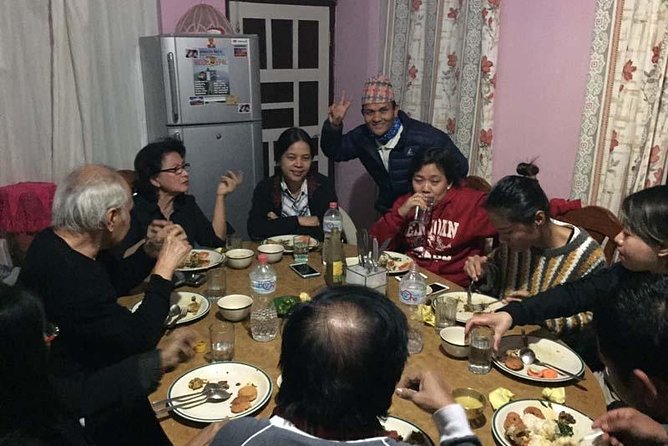
At about $24 per person, the value is mostly in what’s included. You get hotel pickup and drop-off, private vehicle transport, morning tea or coffee, and lunch—plus all the food used during the class. For a private session where only your group participates, that adds up.
Here’s how to think about it: you are paying for (1) instruction, (2) ingredients, and (3) the comfort of being transported door-to-door. If you’ve ever tried to learn cooking while traveling—buying ingredients, finding a kitchen, and guessing measurements—this removes the hard parts. You end up with a meal you can replicate and a recipe PDF to take home.
One small reality check: the food is included, and you will eat what you cook. If you show up with a huge breakfast habit, you may not finish everything.
Getting there from your hotel: the pickup that buys you time
The class includes hotel pickup and drop-off, and it’s a big deal in Kathmandu. Traffic can be unpredictable, and this saves you from figuring out transport on your own while also trying to arrive on time.
Expect a ride a short distance out from the city bustle—enough to feel like you’ve changed settings—before you settle into the home space. The practical upside is simple: you get comfort, easy logistics, and a smoother start to your day.
From market and private organic farm to the garden table
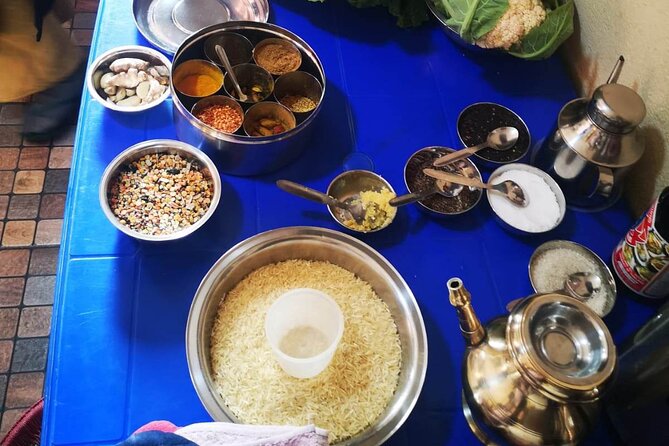
The best cooking classes start before the stove. Here, you begin by selecting ingredients at a local market and a private organic farm. That step matters because Nepali dishes live or die by ingredients and season.
Then you transition to the home side of the experience. You’ll work with vegetables grown and gathered close to the kitchen, including crisp seasonal produce from a garden setting. It’s a calm way to understand why the flavors taste the way they do—vegetable freshness, herb character, and how spice blends behave when they meet ingredients that weren’t sitting around too long.
If you love food photography, this is where you’ll want to pay attention. There are real visuals in the spice work, the ingredient selection, and the kitchen setup—plus you’ll have chances to capture your steps.
Hands-on cooking: spices, chopping, and the dal bhat rhythm
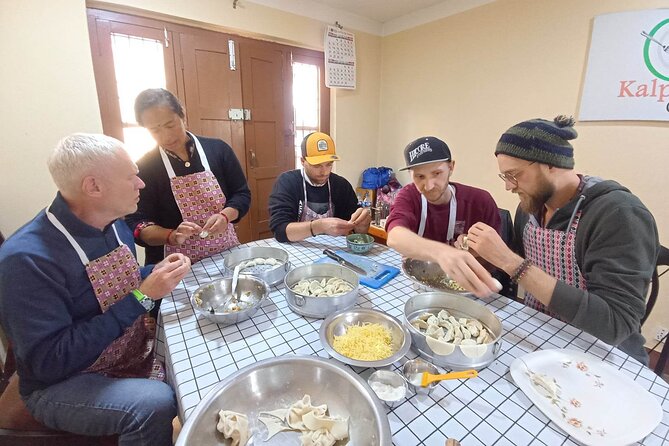
This class is built around participation. You don’t just watch. You chop and prepare as Kalpana Thapa guides you, then you cook your way through the meal steps.
A few specific skills stand out:
- Grinding whole spices: This isn’t just mixing powder. You’ll learn how whole spices are processed so aroma and flavor distribute properly.
- Pounding fresh ginger and garlic: The class treats this like a core technique, not a shortcut.
- Layering flavors while cooking: You’ll be shown the sequence that gives dishes their depth.
Kalpana Thapa and her family also keep the experience friendly and interactive. You’ll have time to ask questions, and the pace is structured so you can do the work without feeling lost.
Also, a note on effort: traditional Nepali cooking can be labor-intensive. If your idea of cooking is pressing buttons, you might feel the workload. If you enjoy the satisfaction of doing things with your hands, you’ll have a great time.
The set meal you’ll make and how to recreate it at home
You’ll cook a full set meal, and it’s not just one dish. The class includes:
- Plain rice
- Dal soup
- Seasonal vegetable
- Spinach
- Chicken
- Pickle papad fry
Here’s why this lineup works for taking the flavors home. It covers the common building blocks of a Nepali meal: rice as the base, lentil soup for comfort and protein, vegetables for freshness, greens for depth, and cooked items to round it out.
Dal soup is the backbone lesson. You’ll learn how to build the lentil base with the right spice character and texture. Rice seems simple, but getting it right matters because it carries the sauce. The vegetable and spinach components teach you timing—how long you let vegetables cook and when flavors start to lock in. The chicken and pickle papad fry bring contrast: something savory and cooked through, plus something sharp and crunchy that livens up each bite.
Afterward, you get to eat what you made. Then comes the part that helps you actually use the experience later: you leave with PDF recipes. Use them to remember proportions and steps, then tweak once you’re back in your own kitchen.
Dietary needs and vegetarian swapping without stress
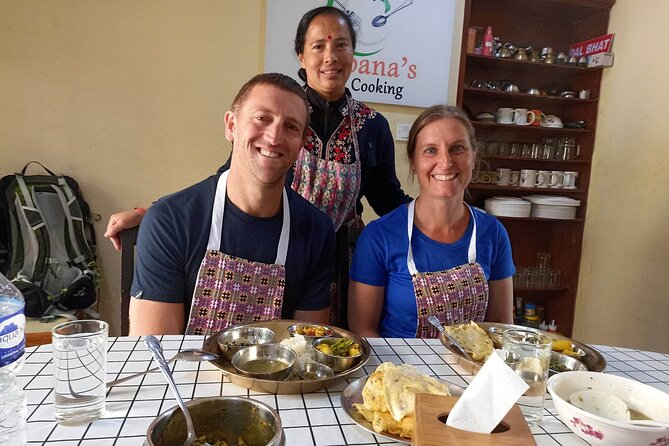
If you have dietary needs, tell the organizer when you book. The class can cater to special dietary requirements, and a vegetarian option is available.
In practice, that means you’re not stuck with a generic “one-size” plan. The menu can be adjusted so you can still participate in the hands-on work and eat the meal with the group.
If you’re vegetarian or need a specific avoidance (like certain ingredients or allergies), be clear upfront. The smoother it is for the kitchen, the better the class runs for you.
How long it takes and what to do before you go
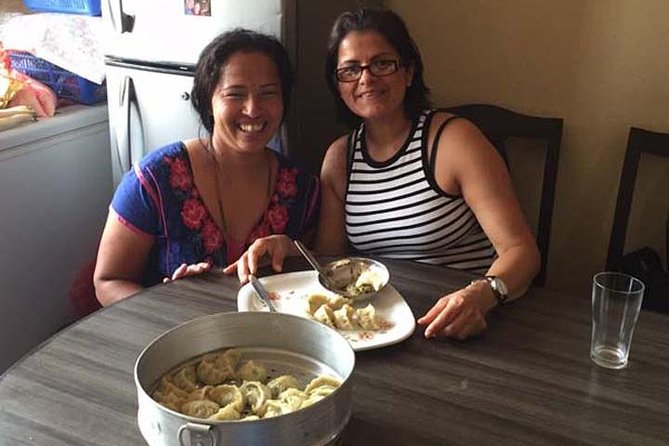
The duration is about 4 hours 30 minutes. That’s enough time to pick ingredients, cook with guidance, and sit down for lunch without rushing.
Plan to arrive hungry enough to enjoy the meal you cook. One common travel mistake: thinking you’ll just taste a few bites. This class is built around eating the results, so eating a huge breakfast beforehand can make it harder to enjoy everything.
What should you wear? You’ll be working in a home kitchen. That usually means comfortable clothes, something you can move in, and shoes that can handle a little kitchen mess. Also, bring your phone if you like to record steps—photos and videos are encouraged so you can remember details for your cooking later.
Who this class suits best (and who should rethink)
This private Nepali cooking class suits you if you want:
- A real home-style lesson in Kathmandu, with hotel pickup
- Hands-on cooking you can repeat at home
- A calm break from temples and street walking, with a garden-and-kitchen focus
- A food-centered cultural experience that also teaches technique
It might not be ideal if you dislike kitchen work or you want a mostly observational experience. Since the class includes grinding, chopping, and cooking steps, you’ll be actively involved.
Also, the experience requires good weather. If weather is poor, you’ll be offered a different date or a full refund, so keep your schedule flexible if possible.
Should you book this private Nepali cooking class in Kathmandu?
Yes—if you want a Kathmandu day that feels personal and useful. The big wins are the home setting, the ingredient selection (market plus private organic farm), and the fact that you cook a full meal, not just taste. The included pickup/drop-off and lunch also make it low-stress for a half-day to a full half-day block.
Book it especially early in your trip if you want to understand how Nepali flavors work. And if you’re vegetarian or have dietary needs, send those details at booking so the menu can be adjusted smoothly.
If you’re the type who loves learning by doing, Kalpana Thapa’s class is a smart use of your time in Kathmandu.
FAQ
Is hotel pickup and drop-off included?
Yes. The experience includes hotel pickup and drop-off, plus transportation by a private vehicle.
How long is the cooking class in Kathmandu?
It runs for about 4 hours 30 minutes (approx.).
Is this a private experience?
Yes. It’s a private tour/activity, so only your group will participate.
What’s included in the meal?
Lunch is included, along with morning tea or coffee. All food used during the class is also included.
Do they offer a vegetarian option?
Yes. A vegetarian option is available, and you should advise them at booking if you need it.
What dishes will I learn to make?
The set meal includes plain rice, dal soup, seasonal vegetable, spinach, chicken, and pickle papad fry. The class also focuses on Nepali favorites such as dal bhat and momos.
Are dietary requirements handled?
Yes. You should share any specific dietary requirements when you book, and the class can cater to travelers with special dietary needs.
If you’d like, tell me your travel dates and whether you’re vegetarian (or have any dietary restrictions), and I’ll help you decide what to ask when you book.