REVIEW · SAN SEBASTIAN
Authentic Basque Cooking Class in San Sebastian Old Town
Book on Viator →Operated by Devour San Sebastian Food Tours · Bookable on Viator
Basque cooking here means more than a meal. You get an up-to-10 class in a family-run kitchen and you’ll help make five signature dishes with the chef explaining what’s behind each one. I especially like the tight group size and the fact that it’s built around a finished meal, not a quick tasting.
One thing to consider: the whole experience is standing up in San Sebastián’s pedestrian Old Town, so plan for some time on your feet and comfortable shoes.
In This Review
- Key Points at a Glance
- Meet in Parte Vieja and Jump Into the Evening
- The Five-Dish Basque Menu You’ll Cook in the Old Town
- Gilda Pintxos: Build-Your-Own Basque Bar Bites
- Spanish Potato Omelet (Tortilla): The Simple Dish With Real Technique
- Cod in Pil Pil: The Sauce That Turns Into Its Own Star
- Stuffed Red Piquillo Peppers: A Softer, Sweeter Contrast
- Burnt Cheesecake: The Dessert With the Recognizable Look
- Basque Cider and Wine Pairings That Actually Match the Menu
- How the Class Works: Two Leads, Shared Cooking, and a Real Meal
- Tips I’d Watch For (and Use at Home)
- Recipe Copies and the Apron: What You Keep After the Meal
- The People Behind It: Guides and Chefs You Might Meet
- Price and Value in a San Sebastián Old Town Kitchen
- Who This Basque Cooking Class Is For
- Quick Practical Notes Before You Go
- Should You Book This Basque Cooking Class?
- FAQ
- Where is the meeting point?
- What time does the class start?
- How long is the cooking class?
- What dishes are included in the meal?
- Is this class in English?
- Do you include drinks and recipe copies?
Key Points at a Glance
- A small group (max 10) in a proper restaurant kitchen, not a demo stage
- Five dishes you can actually recreate later, with recipe copies to take home
- Drink pairings included: Basque cider plus two glasses of wine
- Two-host setup (a local guide and a professional chef), so food and context both get covered
- Built for adults and not recommended for vegetarian, vegan, or kosher diets
Meet in Parte Vieja and Jump Into the Evening
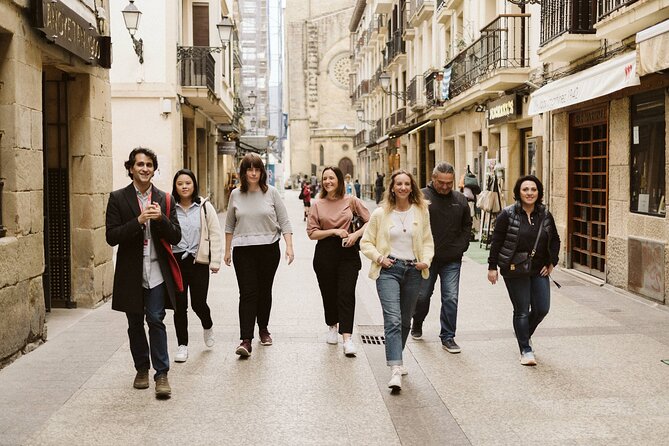
This class starts at 6:00 pm in San Sebastián’s Old Town, at De Valle Lersundi Plazatxoa, 1 (Parte Vieja). You’ll meet up near public transportation, but the actual area is a pedestrian zone, so expect a short walk from the closest stop to the historic streets.
What I like about this meeting setup is how direct it is: you’re not doing a long circuit first. You’re getting your bearings fast and getting into the kitchen-work mindset quickly—then the tour ends back at the starting point.
Also note the pace and comfort rules. The class experience is standing up, and while there’s a closed space where you can leave your belongings, you’ll want to wear shoes that handle uneven Old Town stone and some standing time.
You can also read our reviews of more tours and experiences in San Sebastian.
The Five-Dish Basque Menu You’ll Cook in the Old Town
The heart of the experience is cooking a full spread of Basque favorites. Your menu is built for a complete meal: you’ll make Gilda pintxos, a Spanish potato omelet (tortilla), cod in pil pil sauce, stuffed red piquillo peppers, and the famous burnt cheesecake.
Gilda Pintxos: Build-Your-Own Basque Bar Bites
Gilda is one of those “small but mighty” San Sebastián classics—pin-shaped, salty, and meant for pinxtos culture. In this class you’ll build your own version, which is fun because it’s less about perfection and more about getting the balance right.
The chef and guide also frame it as something more than a snack. You learn where this kind of bar food fits into Basque life—quick gratification, social rhythm, and a local pride in tiny plates.
Spanish Potato Omelet (Tortilla): The Simple Dish With Real Technique
The Spanish potato omelet sounds basic, but Basque kitchens treat it seriously. You’ll cook it as part of a full meal, which means you’re not just learning one “homework step.” You’ll understand how potatoes and eggs come together into something that holds its texture.
What makes it valuable is that this is a dish you can repeat back home without a special trip to an obscure market. It’s also the kind of recipe where small timing tweaks matter, so you’ll come away with practical habits.
Cod in Pil Pil: The Sauce That Turns Into Its Own Star
Then comes the famous pil pil cod. Even if you’ve eaten it before, this is the part where cooking classes pay off: you’ll learn why the sauce behaves the way it does and what to watch for while it comes together.
Pil pil is all about creating a silky cling—so you’ll focus on the mechanics, not just the ingredients. That’s the technique you’ll actually carry home, especially if you like cooking fish and sauces.
Stuffed Red Piquillo Peppers: A Softer, Sweeter Contrast
Next, you’ll work with stuffed red piquillo peppers, a dish that brings sweetness and gentle heat into the meal. The peppers are also a great lesson in balance because they’re flavorful on their own, then they get even better once filled and served as part of a composed plate.
This course is a reminder that Basque cuisine often plays with contrast: rich and light, salty and mild, warm sauce and tender pepper.
Burnt Cheesecake: The Dessert With the Recognizable Look
Finally, you’ll make the dessert everyone talks about: burnt cheesecake. This isn’t a complicated finale on paper, but it has that signature browned top that makes it instantly recognizable.
In class, you’ll learn what gives it that character and how the bake finishes. It’s a strong closer because it’s both a satisfying dessert and a real “I can make this again” recipe.
Basque Cider and Wine Pairings That Actually Match the Menu
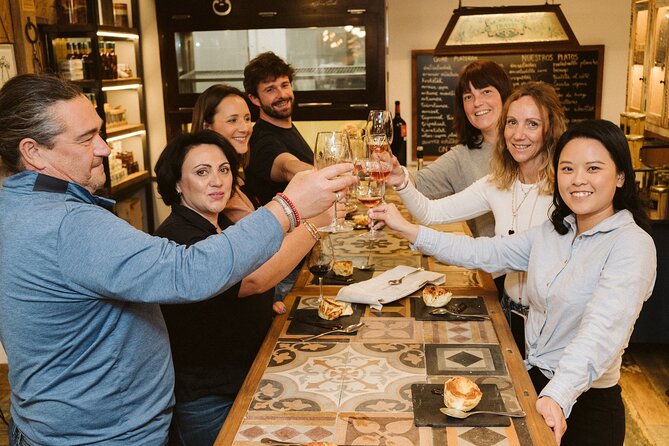
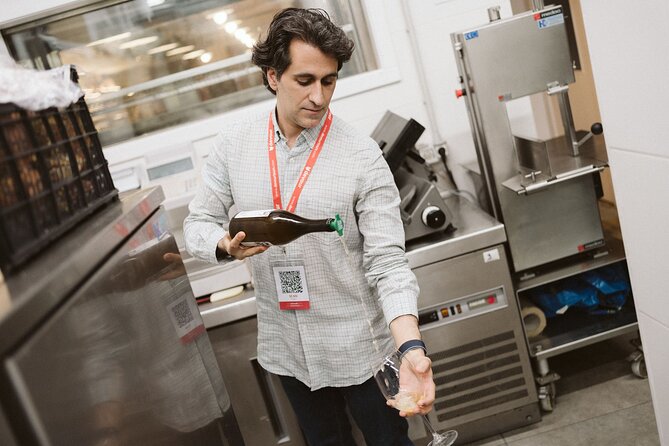
This is a full meal with paired drinks. You’ll have Basque cider and two glasses of wine, served alongside what you cook.
I like pairing included like this because it keeps you from needing restaurant planning after class. Instead of guessing what to drink with each dish, you learn how locals think about it: cider for the overall Basque bite and wine for the richness of fish, peppers, and dessert.
And since cider and wine are part of the culture around pintxos and longer dinners, the drinks also help you understand the broader eating rhythm of San Sebastián—not just the flavors on the plate.
How the Class Works: Two Leads, Shared Cooking, and a Real Meal
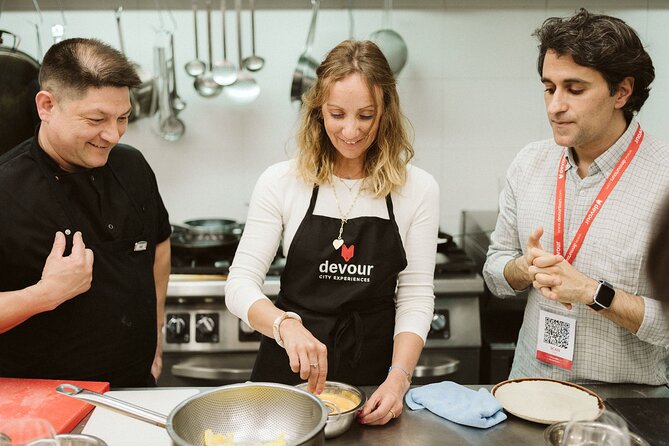
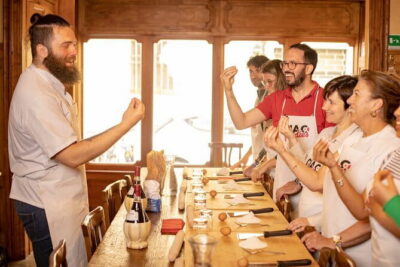
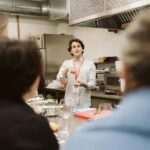
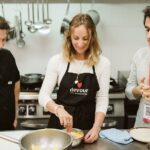
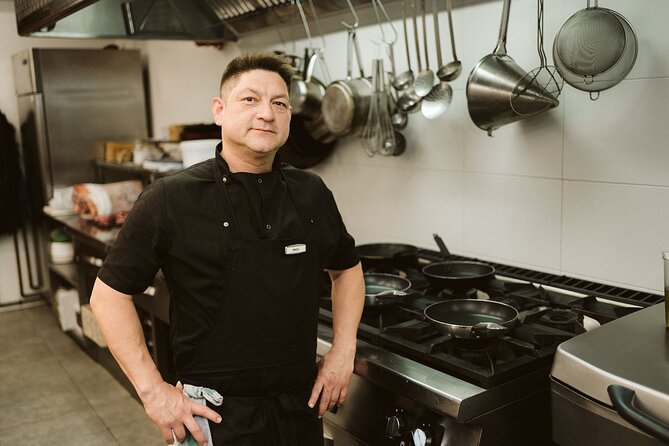
You’re not just watching. The class is built around working with a professional chef, with two hosts: a local guide and the chef who teaches the kitchen method. The setup is designed for a small group (max 10 people), so you get chances to take turns and stay involved.
In practice, some courses naturally require more active chopping or assembling than others, so your level of hands-on work may vary a bit depending on timing and group flow. Still, the overall structure aims to teach you how each dish comes together and then feeds you what you make.
Tips I’d Watch For (and Use at Home)
Even without fancy equipment, these Basque classics reward attention to small details. Expect to pick up cues about:
- timing (so omelet texture and sauce behavior come out right)
- consistency (pil pil style sauce should cling, not stay watery)
- balance (salt level in pintxos and pepper filling)
Those are the lessons that make the recipes useful after your trip.
Recipe Copies and the Apron: What You Keep After the Meal
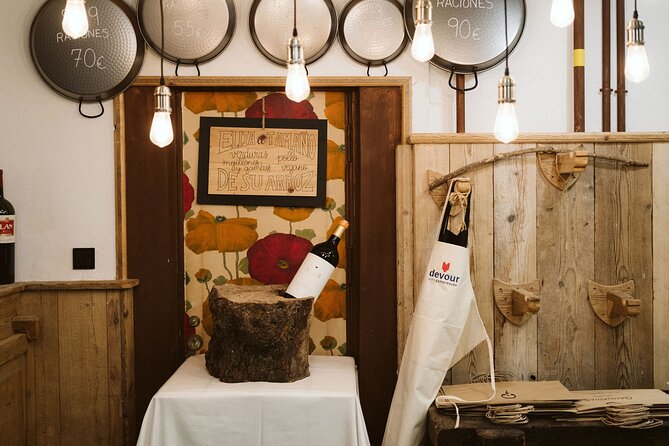
A major part of the value is what you leave with. You’ll get copies of the recipes and also an apron to take home. That matters because the meal isn’t the end goal—the class is meant to turn into future cooking.
You’ll find that the recipe handouts help you recreate the dishes without needing to remember every step. And the apron is a small touch, but it’s exactly the kind of practical souvenir that gets used again, not something that gets shoved into a drawer.
The People Behind It: Guides and Chefs You Might Meet
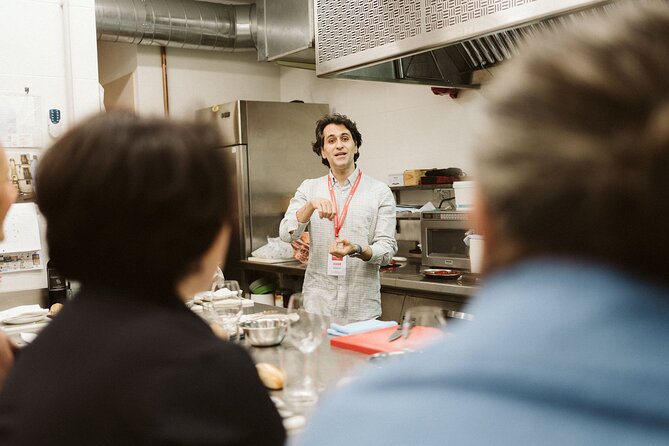
This class runs through a historical, family-run restaurant kitchen, and you’ll be taught by a chef plus a local guide. Names rotate by date, but from past classes you could meet folks such as Begona, Gorka, Mila, or Mikel as the guide, and chefs like Natalia, Angel, Carlos, Saul, or Hector in the kitchen.
What I like about this two-person setup is the split between skills and stories. The chef tends to focus on the how—technique and timing—while the guide adds context so the dish makes sense in the Basque picture.
Price and Value in a San Sebastián Old Town Kitchen
At $167.74 per person for about 2 hours 30 minutes, this isn’t a budget activity. But it also isn’t just a cookbook show. You’re paying for:
- a professional kitchen environment
- five dishes that add up to a full meal
- drink pairings (cider plus two glasses of wine)
- recipe copies and an apron
- a small group cap that helps keep the class personal
When I judge value, I look at what you walk away with. In this case, you get a full meal and a repeatable set of recipes—so it functions like both an evening out and a cooking workshop. If you want a hands-on food experience in San Sebastián’s Old Town, this price starts to feel easier to justify.
If you want more cooking time than instruction, then you should still go in with the right expectations. The format includes teaching and shared prep, but it’s not guaranteed that every course will feel like constant chopping for every person.
Who This Basque Cooking Class Is For
This class is best for adults who want a structured, guided cooking night without guessing what to order. You’ll get real technique and a full meal in a small group setting.
It’s also adaptable for:
- pescatarians
- gluten free needs (not celiac)
- non-alcoholic options
- pregnancy
It’s not recommended for:
- vegetarian
- vegan
- kosher
And it’s not suitable for children.
So if your group has dietary complexity, message ahead so the kitchen can plan. If your needs are outside those categories, this might not be the best match.
Quick Practical Notes Before You Go
The event is in the Old Town, a pedestrian area, and the full experience is standing. Wear comfortable shoes and plan for moderate walking at a steady pace.
Hotel pickup isn’t included, and the class ends back at the meeting point. You’ll also use a mobile ticket. If you’re looking to pair this with other evening plans, keep the start time in mind—6:00 pm is not a casual “sometime tonight” slot.
Should You Book This Basque Cooking Class?
I’d book it if you want a fun evening that teaches you real Basque classics and feeds you what you cook—especially if you care about details like pil pil sauce behavior and why pintxos matter in San Sebastián.
Skip it if standing for a while in a pedestrian Old Town doesn’t sound pleasant, if your group needs vegetarian/vegan or kosher options, or if you expect a long, uninterrupted “everyone cooks constantly” format.
If you’re coming for the food of San Sebastián and want a skill you can use at home, this class is one of the more practical ways to turn a single evening into something you’ll repeat.
FAQ
Where is the meeting point?
You’ll meet at De Valle Lersundi Plazatxoa, 1, 20003 Donostia / San Sebastián, Gipuzkoa, Spain.
What time does the class start?
It starts at 6:00 pm.
How long is the cooking class?
The duration is about 2 hours 30 minutes.
What dishes are included in the meal?
You’ll cook and eat five dishes: Gilda pintxos, Spanish potato omelet, cod in pil pil sauce, stuffed red piquillo peppers, and burnt cheesecake.
Is this class in English?
Yes, it’s offered in English.
Do you include drinks and recipe copies?
Yes. You’ll have Basque cider plus two glasses of wine, and you’ll also receive recipe copies to take home (along with an apron).