REVIEW · SAN SEBASTIAN
San Sebastian: Authentic Basque Cooking Class
Book on GetYourGuide →Operated by Devour Tours · Bookable on GetYourGuide
Cook like a Basque local for one night. Step into a working restaurant kitchen in San Sebastián and you’ll make five beloved dishes with a pro chef, guided by a local host. On some nights you may be welcomed by guides like Mila, with chefs such as Natalia or Carlos running the stove.
What I like most is the small group (10 people or fewer), which keeps the class relaxed and interactive. I also love that you don’t just watch: you’ll cook and eat a full Basque meal, including everything from pintxos to the famous burnt cheesecake.
One consideration: the whole experience is standing up in the Old Town, and it isn’t set up for wheelchairs, strollers, or mobility limits.
In This Review
- Key highlights worth getting excited about
- Why San Sebastián’s Basque cooking class feels more than a meal
- De Biteri Plaza to the kitchen: how the 2.5 hours play out
- The five Basque recipes you’ll make (and what skills they teach)
- Gilda pintxo and the art of quick flavor
- Potato omelet (tortilla de patatas) and the wrist problem
- Cod in pil pil: why sauce texture is everything
- Red piquillo peppers: sweet, smoky, and structured
- Burnt cheesecake: the signature finish that tastes like a dessert victory
- Drinks that match the menu: cider pouring, wine, and ice apple cider
- How hands-on is it, really: the cooking versus watching line
- Price and value: is $164 per person worth it?
- Small group dynamics: why 10 or fewer changes everything
- Who should book, and who should skip this Basque cooking class
- Should you book this $164 Basque cooking class?
- FAQ
- Where is the meeting point?
- How long is the cooking class?
- How many people are in the group?
- What will I cook and eat?
- What drinks are included?
- Is it suitable for kids or people with mobility needs?
Key highlights worth getting excited about
- Real restaurant kitchen time instead of a classroom setup
- Five traditional dishes you’ll prepare and eat, not just sample
- Basque cider, wine, and ice apple cider paired with each course
- Learnable techniques for things like tortilla de patatas and cod pil pil
- Small group vibe with plenty of chances to ask questions
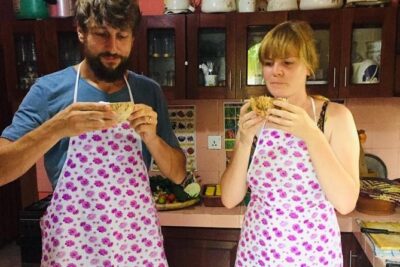
- Take-home recipes and an apron so you can repeat the meal later
Why San Sebastián’s Basque cooking class feels more than a meal
San Sebastián is famous for food, but it’s also a city built on small rituals: where ingredients come from, how they’re treated, and who makes the rules in the kitchen. This cooking class gives you those rules in plain language, with an expert chef teaching techniques as you go.
Because it’s a small group, you’ll get the kind of attention that’s hard to find in big tour groups. You’re not squeezed in for quick photos; you’re at a work station learning how the dishes actually come together. And since the restaurant kitchen is opened exclusively for your group, it feels like you’re borrowing a real cook’s workspace for the evening.
I also like the pacing. Two and a half hours can feel rushed in other experiences, but here you’re guided through each dish step-by-step, then you eat what you made. That feedback loop matters: you cook, you taste, and you quickly understand what the chef meant.
You can also read our reviews of more tours and experiences in San Sebastian.
De Biteri Plaza to the kitchen: how the 2.5 hours play out
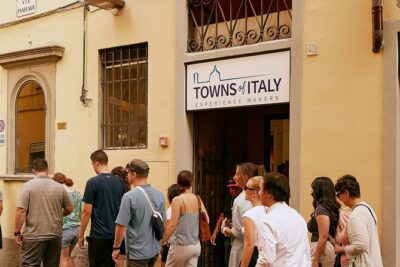
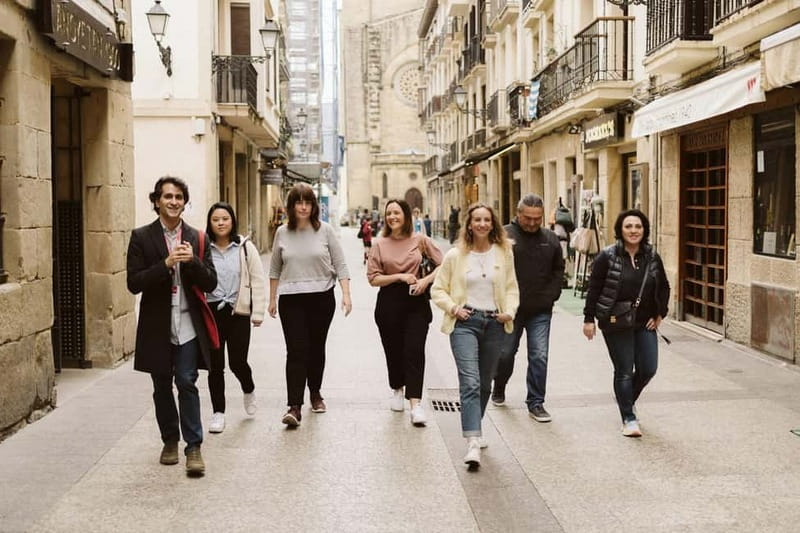
Your night starts in the Old Town at De Biteri Plaza, 1, in front of San Ignatius church. Show up about 15 minutes early and look for your guide holding a red bag or a Devour Tours sign. From there, you’ll do a short walk to a historic, family-run restaurant.
This matters because the Old Town is pedestrian-only. So you’ll want comfortable shoes and a steady pace. The experience itself stays on your feet, which keeps things efficient in the kitchen but means you should plan for standing the whole time.
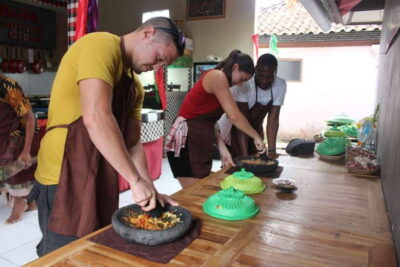
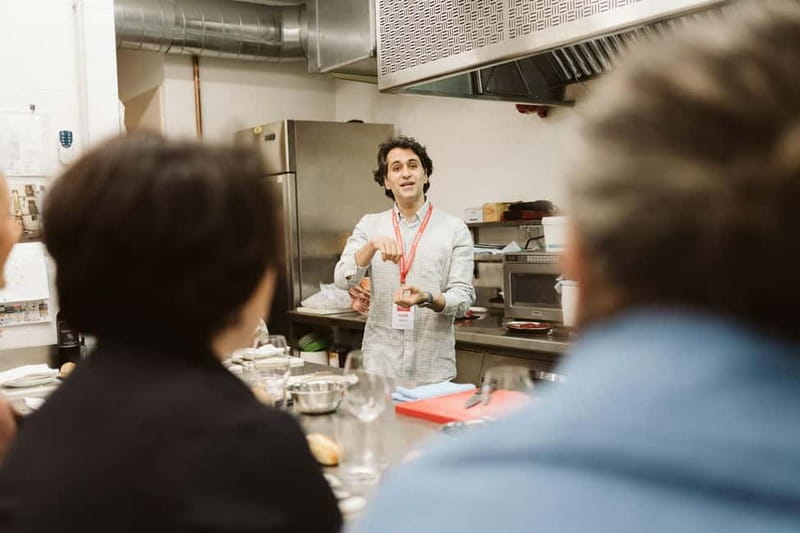
Once you’re inside, you’ll meet a professional chef and your local guide. Then the kitchen becomes your classroom. Your group gets set up to prep and cook multiple courses, and you’ll be taught how to make standout Basque dishes without needing special equipment beyond what’s already in the restaurant.
The big “real life” difference is that the chef isn’t demonstrating for a crowd. You’re working alongside the team, which is why the meal feels so satisfying at the end.
The five Basque recipes you’ll make (and what skills they teach)
This is a full menu, built around classics you’ll see across Basque Country. You’ll prepare five dishes, and each one has a technique lesson hiding inside it.
Gilda pintxo and the art of quick flavor
A Gilda pintxo is small on the plate and big on attitude. Expect a flavor-packed assembly that teaches you how Basque snacks balance salty, briny, and punchy notes. It’s also a useful warm-up because you can usually participate right away without overthinking.
Potato omelet (tortilla de patatas) and the wrist problem
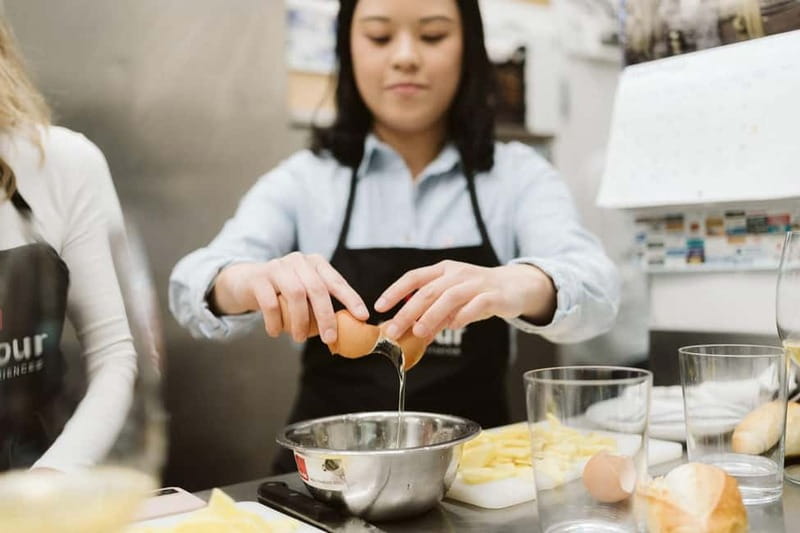
The potato omelet is where many people discover how much the details matter. You’re not just cooking potatoes; you’re creating a texture that stays tender. One practical idea you’ll likely use at home is learning the method for flipping or turning so the omelet cooks evenly.
The chef’s approach here is about control: heat management, patience, and knowing when it’s set. Even if you’ve made an omelet before, Basque tortilla de patatas has a distinct rhythm.
Cod in pil pil: why sauce texture is everything
Codfish in pil pil sauce is a classic Basque move, and it’s all about the sauce turning glossy and cohesive rather than oily or broken. You’ll follow the steps the chef explains, and you’ll learn why timing and gentle handling matter.
Pil pil isn’t complicated in ingredients, but it’s demanding in technique. That’s why it’s such a good dish to learn in a professional kitchen: you can watch how the chef responds when the sauce changes.
Red piquillo peppers: sweet, smoky, and structured
Red piquillo peppers bring a different skill set—handling delicate peppers and building flavor without drowning them. You’ll learn how Basque cooking treats peppers as something more than a side.
The goal is balance: enough intensity to feel dramatic, but still clean and focused. This course also tends to be a nice breather between the more hands-on, stir-and-sauce-focused dishes.
Burnt cheesecake: the signature finish that tastes like a dessert victory
The iconic burnt cheesecake ends the meal with the kind of payoff you remember. You’ll work through the process with the chef and then see why the top gets that characteristic look.
Burnt cheesecake is the perfect final course for a cooking class because it’s forgiving in the sense that people almost always enjoy it, yet the result is distinct. You’ll come away with a repeatable method you can use for future gatherings.
Drinks that match the menu: cider pouring, wine, and ice apple cider
One thing I appreciate here is that the drinks aren’t an afterthought. Each dish is paired with a specific beverage, so you experience Basque flavors in full context.
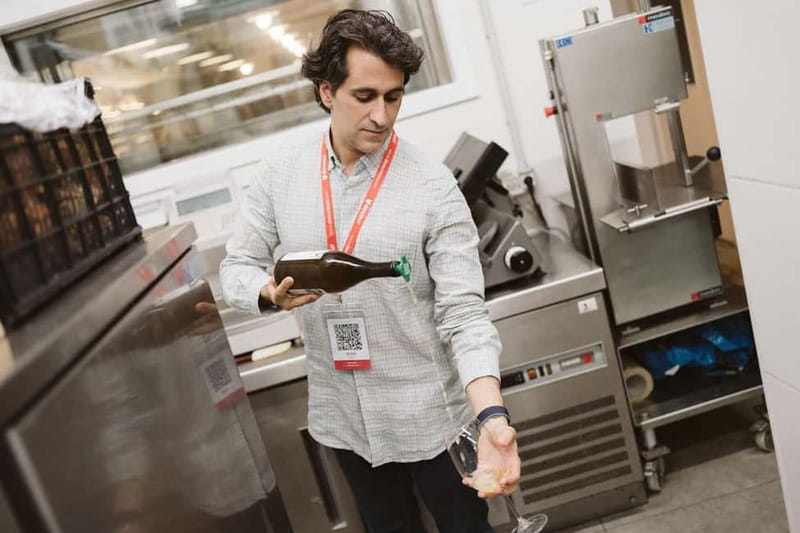
You’ll drink Basque cider, and you’ll even learn how to pour it properly. That may sound small, but cider pouring is part of the ritual. It changes how the drink feels in your glass, and the act of pouring gives you something to do besides just eat.
You’ll also have red and white wine paired with the courses. The pacing helps: you’re not constantly sipping; you’re tasting the pairing alongside the dish so you can actually connect flavors.
Then there’s ice apple cider, described as a special fermented beverage made with natural juices of frozen apples. It’s a memorable local twist, and it fits the menu’s theme of Basque cooking being both traditional and a little surprising.
How hands-on is it, really: the cooking versus watching line
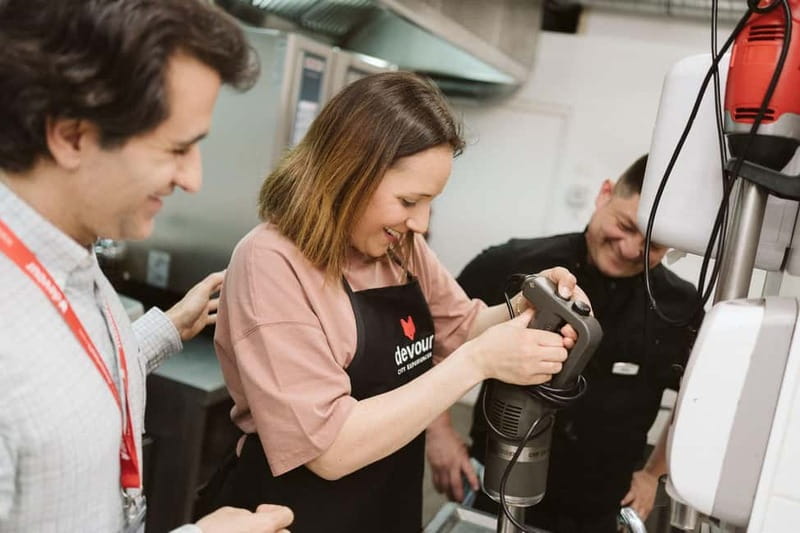
The overall vibe is hands-on, but there’s a key reality: you’re in a restaurant kitchen with multiple courses moving at once. That means your involvement depends on the flow of the evening and how you jump into each station.
Most people end up participating in the cooking stages because the class is built around making and eating the menu. You’ll be guided through the steps, and the chef will explain what to do next as you work.
Still, there’s one potential mismatch to watch for. A few people have felt the experience can lean toward demonstration rather than full control of every step. If you’re the type who wants to be “in charge” of every part of the meal, I’d go in knowing that the chef will drive timing, while you’ll handle key tasks and learn the process.
The good news is that the class is flexible. You can participate as much or as little as you want, which helps if you’re newer in the kitchen or just want to focus on technique without stressing about speed.
Price and value: is $164 per person worth it?
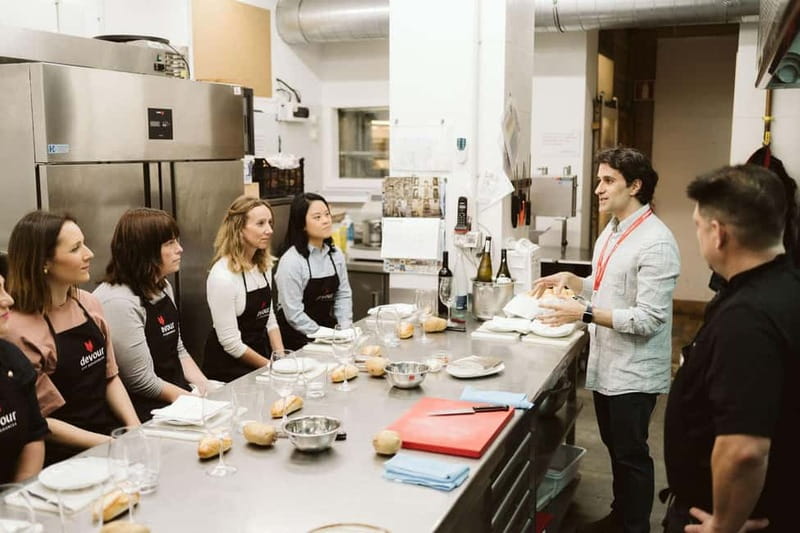
At $164 per person for a 2.5-hour class, you’re paying for more than recipes on paper. You’re buying expert instruction, access to a real working kitchen, a full meal, and multiple drinks.
Here’s what makes the value click for me:
- You leave fed: five dishes plus drink pairings means you’re not adding extra dinner costs afterward.
- You’re not just watching: you work through techniques with the chef, which is far more useful than a tasting-only experience.
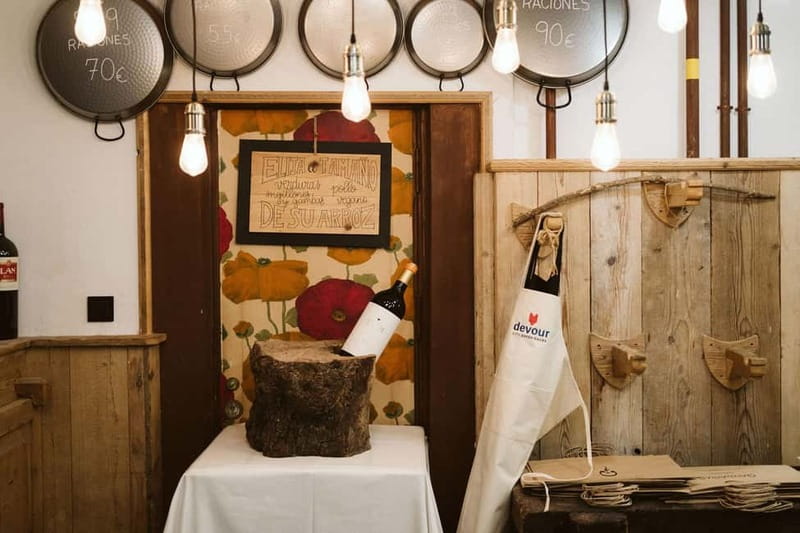
- You get materials to repeat: recipes to take home (and an apron) turn the class into a future cooking project, not a one-time memory.
The possible drawback is that value is partly about expectations. If you want a hardcore, every-minute cooking session where you do the cooking alone, this might feel expensive. If you want a guided, social, technique-focused Basque meal you can recreate later, it’s a strong use of money in San Sebastián.
Small group dynamics: why 10 or fewer changes everything
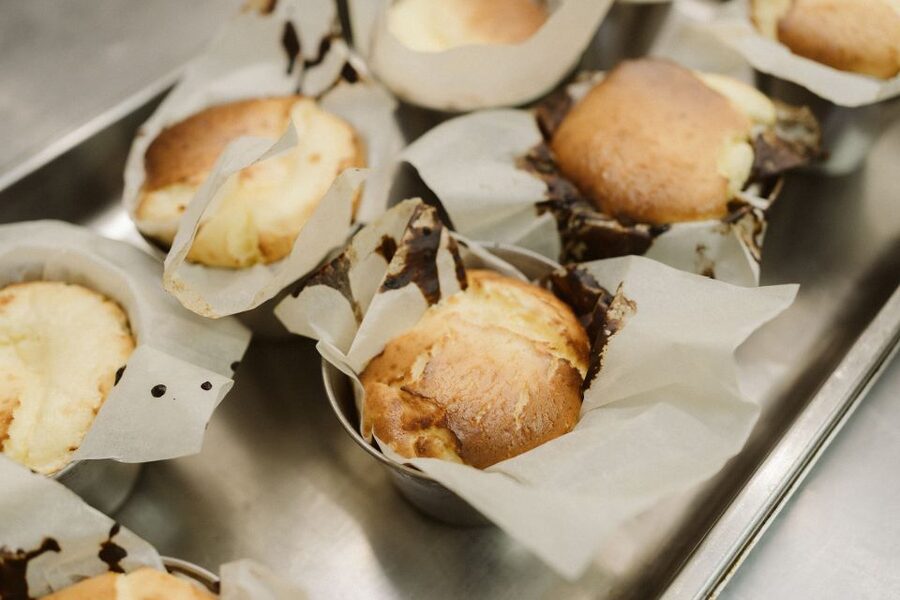
A group of 10 or fewer isn’t just a comfort detail. It changes how well you can learn. In a small class, the chef can correct your technique and the guide can answer questions without repeating everything ten times.
You’ll also have more chances to talk with other food lovers. Several participants mention how the group turned social in a natural way, and that tracks with the format: you’re working side by side, then eating the results together.
If you’re traveling solo, this structure can feel especially good. You get interaction without the awkwardness of forced icebreakers. And if you’re with a partner or friend, the small group still keeps things lively rather than chaotic.
Who should book, and who should skip this Basque cooking class
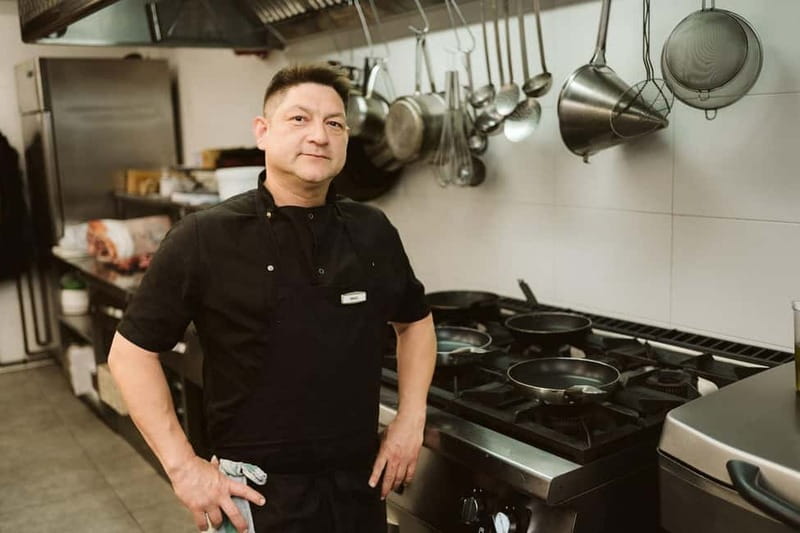
This class is a great fit if you:
- Love cooking and want a real technique lesson, not just a meal
- Want a food-focused evening in San Sebastián’s Old Town
- Prefer small-group experiences with a pro chef and a local guide
- Like learning cultural food stories while you cook
It’s also suitable for a range of needs, with limits. The experience is adaptable for pescatarians, gluten-free (not celiac), non-alcoholic options, and pregnant women. It is not recommended for vegetarian, vegan, or kosher diets, based on how the menu is built.
Skip it if you:
- Need a wheelchair or stroller-friendly setup, since the experience is inside a pedestrian Old Town and it’s standing-based
- Want a child-friendly activity, since it is not suitable for children
- Struggle with moderate walking, since it’s a walking tour and you’ll move to the restaurant
Should you book this $164 Basque cooking class?
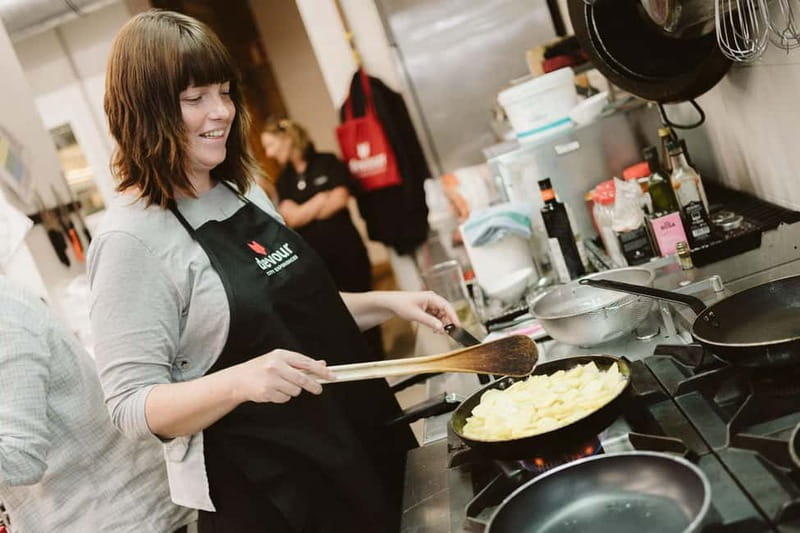
I’d book it if you want an evening that mixes technique, local culture, and a full meal you actually helped create. The biggest wins are the real kitchen, the small group, and the fact that you’ll finish stuffed after eating everything you cooked.
I’d think twice if your main goal is maximum cooking control with zero watching, or if standing for the full session is an issue. Also consider that the menu format isn’t built for vegetarian or vegan preferences.
If you’re comfortable with those trade-offs, this is a smart way to experience Basque cuisine beyond restaurants: you learn the how, then you get the proof on your plate.
FAQ
Where is the meeting point?
The tour meets at De Biteri Plaza, 1, 20001 Donostia, Gipuzkoa, in front of San Ignatius church. Arrive about 15 minutes early.
How long is the cooking class?
The experience lasts 2.5 hours.
How many people are in the group?
It’s limited to a small group of 10 people or fewer.
What will I cook and eat?
You’ll make and eat five traditional Basque dishes. The menu includes a Gilda pintxo, potato omelet, codfish in pil pil sauce, red piquillo peppers, and burnt cheesecake.
What drinks are included?
Each dish is paired with drinks, including Basque cider, red and white wine, and ice apple cider.
Is it suitable for kids or people with mobility needs?
It is not suitable for children. It is also not suitable for guests with mobility impairments, wheelchairs, or strollers, since the experience is standing up in a pedestrian Old Town area.