REVIEW · BEIRUT
Authentic Lebanese Cooking Lesson and Meal with Tania’s Family in Beirut
Book on Viator →Operated by Traveling Spoon · Bookable on Viator
Cooking with a real Beirut family hits different. This is hands-on Lebanese cooking in a traditional home, led by Tania, with culture talk as you learn garden-fresh Lebanese flavors. You’ll cook five dishes, then sit down to a home meal with soft drinks and a couple of glasses of arak, plus plenty of family-style conversation.
One heads-up: there’s no hotel pickup, so you’ll want to know how to reach Forn El Chebbak on your own.
In This Review
- Key things that make this class work
- Cooking in Tania’s Home Beats a Restaurant Meal
- Meet Tania: Agronomist, Food Safety Specialist, and Piano Player
- What You’ll Cook: Five Lebanese Dishes with Family-Style Coaching
- The Garden-to-Plate Part of Beirut You Can’t Fake
- Inside the Kitchen: A Family Meal Rhythm, Not a Script
- Dinner with Arak: What Included Drinks Mean for Your Night
- Price and Value: Is $100 Worth It?
- Practical Notes for Forn El Chebbak and a 11:00 am Start
- Who Should Book This Beirut Cooking Lesson
- Should You Book This Experience?
- FAQ
- Where does the experience start and what time?
- How long is the cooking lesson and meal?
- What’s included in the price?
- What drinks should I expect with dinner?
- Is there a vegetarian option?
- Will I be picked up from my hotel?
- Can I get a full refund if I cancel?
Key things that make this class work
- A home kitchen, not a classroom: you cook with Tania and her parents, in the rhythm of real family meals.
- Five Lebanese dishes, with real technique: you get hands-on coaching, not just watching.
- Agronomist + food safety expert: Tania’s background adds thoughtful, practical food handling context.
- Garden-to-plate produce: her father grows fruits and vegetables on the outskirts of Beirut, and it shows in the flavors.
- Meat knowledge from a former butcher: serious cuts and prep matter here, and you’ll feel that in how you cook.
- Arak with dinner: included local alcohol (1–2 glasses) makes the meal feel complete, not staged.
Cooking in Tania’s Home Beats a Restaurant Meal
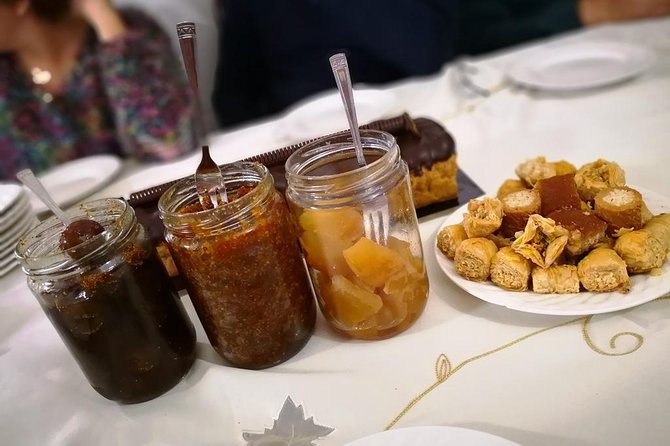
Beirut can be a feast for the senses, but it’s hard to see the daily food side of the city without an inside connection. This experience is built around one simple thing: you’re not just eating Lebanese food, you’re making it with the family behind it.
I like that it’s genuinely hands-on. You’re in the kitchen during the work, not parked at a counter waiting for plated portions. I also like the dinner part: you cook, then you eat what you made, in the same home atmosphere where recipes are shared and traditions get explained.
The one consideration is logistics. Since there’s no hotel pickup, you’ll need to travel to the meeting point in Forn El Chebbak yourself and arrive ready to start at 11:00 am.
Meet Tania: Agronomist, Food Safety Specialist, and Piano Player
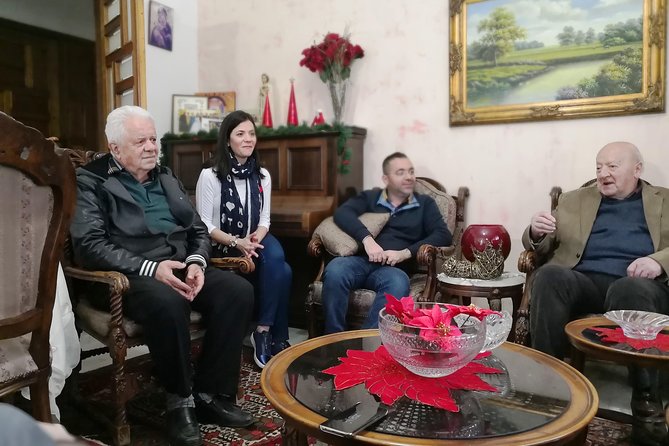
Tania runs the show, and her background is a big reason this class feels more grounded than a typical cooking tour. She’s an agronomist and a food safety specialist, so you get more than steps for recipes. You also get a practical way of thinking about ingredients, handling, and why certain methods matter.
Then she brings personality to the table. She sings, plays the piano, and enjoys traveling, so the experience doesn’t drag. In a setting like this, that matters. When the host is relaxed and confident, the kitchen feels like a place you can ask questions without feeling awkward.
The family side is the other anchor. Tania’s father is a former butcher and he’s very serious about meats. He’s retired and grows fruits and vegetables in his garden outside Beirut. Her mother is the home chef who’s been cooking traditional meals for the family for life, using family recipes and home experience.
What You’ll Cook: Five Lebanese Dishes with Family-Style Coaching
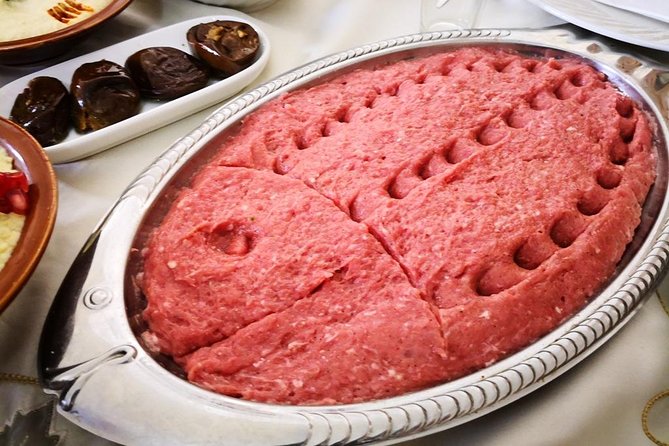
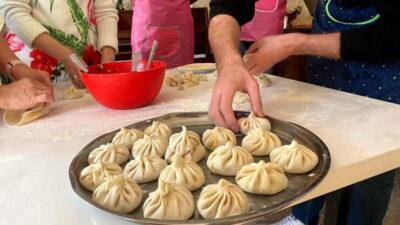
The core promise is clear: you’ll learn how to cook five authentic Lebanese dishes during the lesson. You’ll work in the kitchen with Tania and her parents, with the kind of back-and-forth that makes technique stick.
In many sessions, the dishes include classics such as hummus and baba ganoush, plus eggplant salad and stuffed zucchini. Depending on the flow of the evening and what the kitchen is cooking, you may also handle dishes like kibbeh and even kibbeh naye. That range is a great way to understand Lebanese cooking as a whole: dips and salads sit next to main-course work, and the methods are taught in a way that connects flavor to technique.
Here’s how to think about the learning, so you get value even if you’re not an advanced cook:
- Dips teach fundamentals
Hummus and baba ganoush are about texture and balancing flavors. You’ll learn what consistency looks like and how taste changes as ingredients combine. That’s useful at home because these are recipes you can repeat easily.
- Eggplant dishes teach timing and moisture control
Eggplant can go from silky to watery fast. Working on an eggplant salad helps you understand when to stop cooking, how to handle bitterness, and how to season so it tastes bright instead of heavy.
- Stuffed vegetables teach patience and structure
Stuffed zucchini isn’t just assembly. It trains you to manage filling texture and keep the result cohesive. Once you’ve made one stuffed dish, you’ll understand how many Lebanese meals are built: a filling + a cooking method + a seasoning approach.
- Kibbeh teaches shape and meat technique
Since Tania’s father is serious about meats, this is where the family knowledge tends to show. Kibbeh is a comfort-food staple, and technique matters. Even if you only partially nail it during the class, you’ll leave knowing what to aim for next time.
The big value here is that you’re learning how a Lebanese family thinks about food: ingredients first, then method, then taste. It’s not a “watch and go home” tour. You build muscle memory in a real kitchen.
The Garden-to-Plate Part of Beirut You Can’t Fake
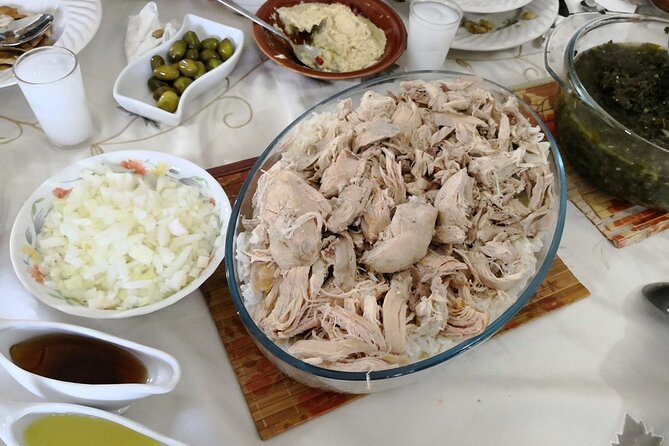
One of the most interesting elements is that a chunk of the home’s produce comes from the family garden in the outskirts of Beirut. That means the cooking story isn’t only about what’s on the plate. It’s about where ingredients come from, how they’re selected, and what freshness does for flavor.
This matters for two reasons.
First, it helps you understand the practical side of Lebanese home cooking. When someone grows their own fruits and vegetables, they notice when something is ripe, when leaves are tender, and when flavor peaks. You’ll hear this through Tania and her parents as they talk about their garden produce and how they use it.
Second, it gives you a better flavor compass for making Lebanese dishes later. Freshness isn’t magic, but it’s noticeable. If you ever tried to make baba ganoush or an eggplant salad with mediocre eggplant, you know the result can feel dull. After this, you’ll understand what to look for next time you shop.
Inside the Kitchen: A Family Meal Rhythm, Not a Script
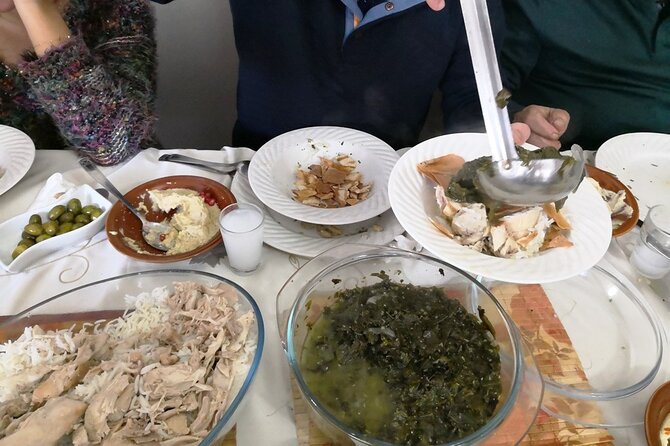
Cooking classes can feel staged. This doesn’t. Your parents-and-host setup means the pace is closer to a real home dinner, where people jump in, taste, adjust, and explain.
Tania’s mother is the home chef, so you learn through family habits: how food is seasoned, how dishes are assembled, and how questions get answered. In one memorable part of the experience, you’re welcomed into the flow with hospitality that feels warm and unforced, including coffee to help you get into the mood before you start.
Here’s what you should expect from the atmosphere:
- You’ll be working in an intimate kitchen setting, which makes it easier to ask for help when something doesn’t look right.
- The adults in the home contribute, so you get multiple angles on the same dish.
- Conversations are part of the experience, so you’ll learn cultural context as you cook.
If you like foodie tours where you leave with both recipes and perspective, this is the format that gets you there.
Dinner with Arak: What Included Drinks Mean for Your Night
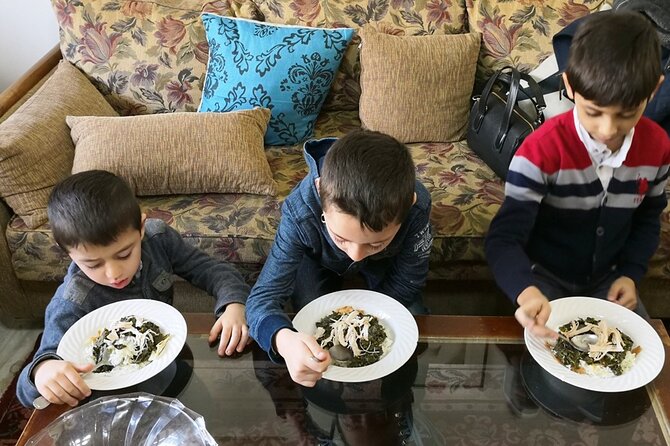
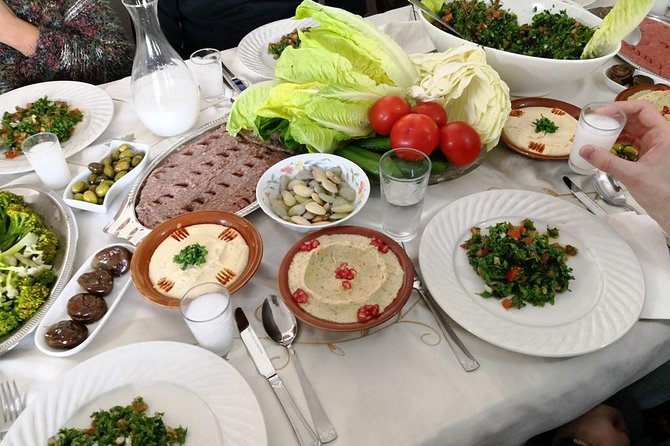
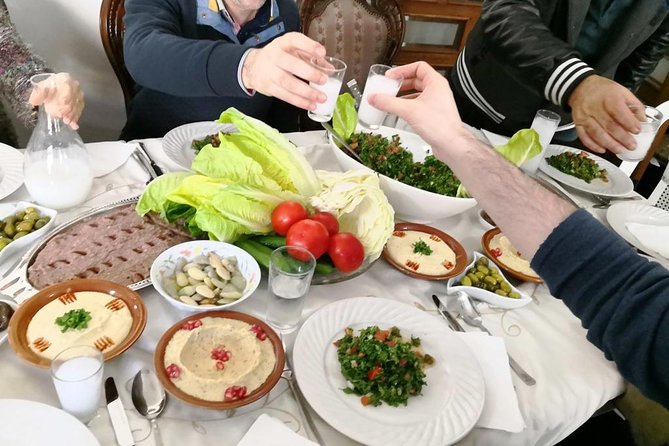
After the cooking work, you sit down and eat a home-cooked meal. The meal includes soft drinks, and local alcohol: 1–2 glasses of arak. Alcoholic beverages are included, so you don’t have to do the awkward budgeting math after you arrive hungry.
Arak is part of Lebanese dining culture, and it changes the feel of the meal. It turns the night from a class into a shared table. If you’re curious about how arak fits with food, you’ll get a simple, direct way to experience that pairing.
If you prefer to keep things non-alcoholic, you’re covered by the included non-alcoholic beverages. Just tell your host about preferences in advance so the table can be set right for your group.
Price and Value: Is $100 Worth It?
At $100 per person for about three hours, the question isn’t just cost. The real value is what’s bundled and what you’re learning.
You’re getting:
- A private, personalized cooking lesson with your host, Tania
- A home-cooked meal at the end of the work
- Non-alcoholic beverages plus local alcohol (1–2 glasses)
- Taxes, fees, and handling charges
- Gratuities and alcoholic beverages included
Two practical points make this feel fair.
First, it’s a real home experience with family participation. Cooking in a private home usually costs more than a public workshop because it’s labor-intensive and requires hosting. Here, you’re also learning multiple dishes, not just one.
Second, you’re paying for access. You can find recipes online, sure. But getting instruction in a kitchen with a butcher’s meat knowledge, an agronomist’s ingredient lens, and a home chef’s family techniques is harder to replicate alone—especially in a place like Beirut where daily food culture is local and relationship-driven.
If you’re the type of traveler who likes paying for experiences that change what you do at home later, this is a strong match.
Practical Notes for Forn El Chebbak and a 11:00 am Start
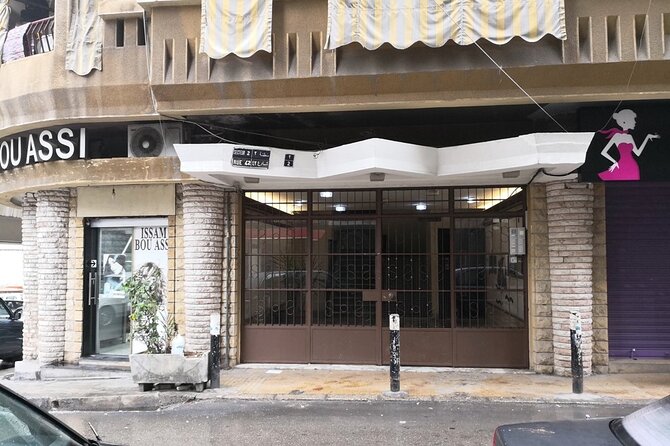
The meeting point is Forn El Chebbak, Lebanon, and the start time is 11:00 am. The activity ends back at the meeting point, so you’re not forced into a long wandering day afterward.
Since there’s no hotel pickup or drop-off, plan your route in advance. Give yourself buffer time. In a home-hosted experience, showing up late doesn’t just shift your schedule; it affects the kitchen flow.
You’ll want to go with an empty stomach (or close). This is one of those classes where you cook first and then you eat. If you arrive already full, you’ll miss a big part of the fun.
If you have allergies, dietary restrictions, or cooking preferences, tell the booking team at the time of reservation. A vegetarian option is available, but it needs to be arranged ahead of time so it can match the meal planning in the home.
Who Should Book This Beirut Cooking Lesson
This one clicks if you:
- Want a cooking class with family context, not just recipes
- Enjoy Lebanese food and want to learn how it’s made, not only how it’s served
- Like hands-on work in smaller, intimate settings
- Appreciate hosts who bring both food know-how and real personality
- Want to experience Beirut through an everyday home story, including a garden-to-plate angle
It’s also a good choice if you’re traveling with someone who likes food but isn’t sure they want a bigger tour day. This is compact, personal, and focused.
Should You Book This Experience?
If you want a Beirut meal with a real point of view, I’d book this. The reason is simple: you learn multiple Lebanese dishes, you eat them in the same home environment, and you get access to the family knowledge behind the cooking—Tania’s agronomist and food safety lens, a father’s butcher seriousness about meat, and a mother’s lifelong home-chef traditions.
Skip it only if you strongly prefer restaurant dining over kitchen time, or if you don’t want to handle getting yourself to Forn El Chebbak without pickup.
FAQ
Where does the experience start and what time?
It starts at Forn El Chebbak, Lebanon at 11:00 am.
How long is the cooking lesson and meal?
The experience runs for about 3 hours.
What’s included in the price?
You get the private cooking lesson and home-cooked meal, non-alcoholic beverages, local alcohol (1–2 glasses), and all taxes, fees, and handling charges. Gratuities and alcoholic beverages are also included.
What drinks should I expect with dinner?
You’ll have non-alcoholic beverages and local alcohol, typically 1–2 glasses of arak.
Is there a vegetarian option?
Yes, a vegetarian option is available. You should advise at booking.
Will I be picked up from my hotel?
No. Hotel pickup and drop-off are not included.
Can I get a full refund if I cancel?
You can cancel up to 2 days in advance for a full refund. If you cancel less than 2 days before the start time, the amount paid is not refunded.