REVIEW · ROME
From Rome: Pasta Fresca Cooking Class in a Farmhouse with a Local
Book on Viator →Operated by Curioseety SRLS · Bookable on Viator
Pasta tastes different outside Rome. This small-group cooking class brings you to the Roman countryside to cook with Claudia and her family in a real farmhouse kitchen, then eat what you make with homemade wine.
I especially like that it’s designed around an Italian Sunday lunch rhythm, so you’re not just learning one dish—you’re building a full meal.
I also love the farm-to-table details. You may gather herbs from the property, work with ingredients that are tied to local rhythms (like flour from a local mill and eggs from a farmer), and learn the hands-on techniques behind Roman favorites. One consideration: while most days run smoothly, there’s at least one reported case of a no-show, so it’s smart to keep your host contact info handy and confirm timing close to departure.
In This Review
- Zagarolo Farmhouse Cooking: Why This Day Works So Well
- Key Highlights You Should Know Before You Go
- Going From Rome to Zagarolo Without Making It Complicated
- The Real Star: Claudia’s Kitchen and the Roman Sunday Lunch Flow
- What You Might Cook: A Menu That Changes With the Season
- A note on dietary needs
- The Farm-to-Table Touches That Make It More Than Cooking
- Getting Your Hands Dirty: Learning Pasta the Helpful Way
- The Family Meal Part: Wine, Conversation, and Bruno’s Music
- Value for Money: Why $119.48 Feels Fair
- Who Should Book This Class (and Who Might Pass)
- Should You Book the Farmhouse Pasta Class?
- FAQ
- How long is the cooking class?
- What language is the class offered in?
- Is there a limit on group size?
- Where does the experience start and end?
- How do I get there from Rome?
- What might you cook during the day?
- What is the cancellation policy?
Zagarolo Farmhouse Cooking: Why This Day Works So Well
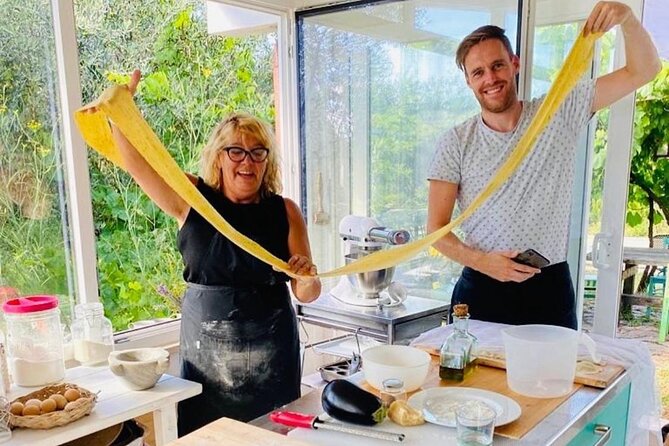
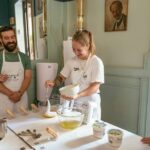
This experience is built for people who want more than a cooking demo. You’ll cook in a home setting, not a commercial studio, and the day has the feel of getting invited into someone’s kitchen for the afternoon.
You’re also getting a very Rome-specific angle. In Italy, recipes shift by season and region, and here the menu adapts like locals do. In warmer months, that can mean desserts like sorbetto or ice cream. In winter, you might see classics such as sfogliatelle and stuffed pasta instead. That seasonal thinking is part of what makes it feel real.
Key Highlights You Should Know Before You Go
- Up to 8 people: it stays personal, with plenty of attention while you cook
- Claudia teaches the core pasta technique: hand-rolling with local ingredients like mill flour and farm eggs
- Italian Sunday lunch format: you’ll work through multiple courses, not one recipe
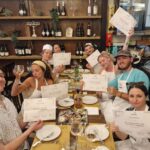
- Eat with homemade wine: you cook, then sit down together and enjoy the meal
- Music on the property: Bruno often plays piano/keyboard and sings while you work and linger
You can also read our reviews of more tours and experiences in Rome.

Going From Rome to Zagarolo Without Making It Complicated
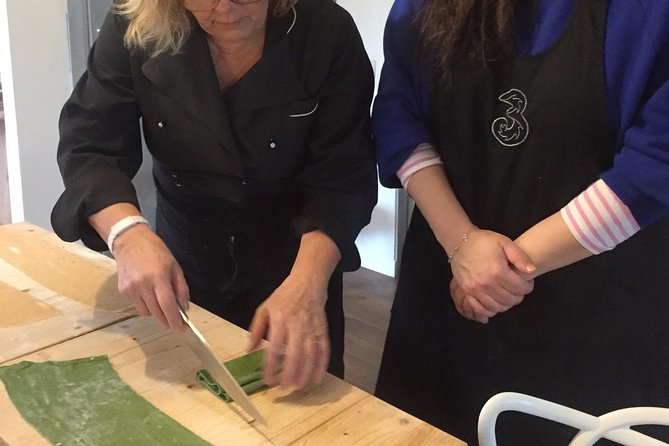
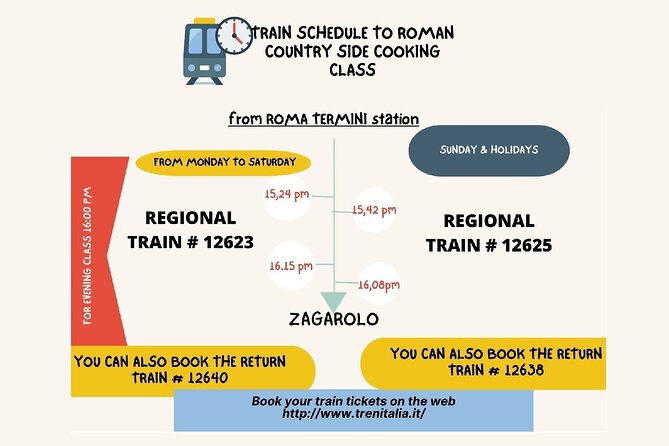
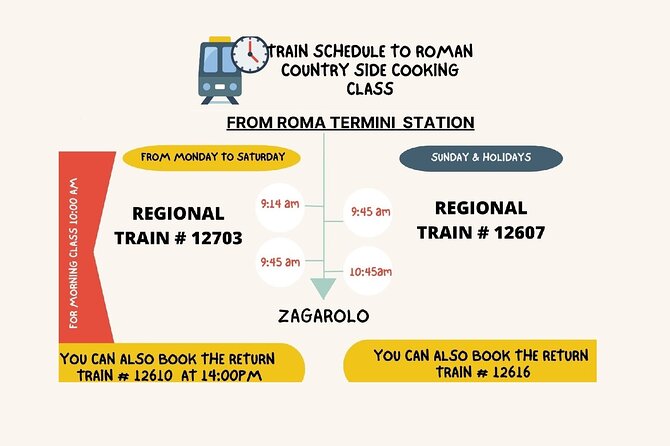
The easiest way to picture this day: you take a train from central Rome to Zagarolo (about a half-hour in practice), then your host meets you there. From the moment you arrive, the pace slows down on purpose. Bruno typically picks you up at the station and gets you settled with a quick orientation—some days that includes a short look at the medieval feel of the area.
This matters because so many Rome food experiences are either:
- stuck in the city with a quick stop at most, or
- long and frustrating to reach for a “class” that feels more like a meal ticket than a learning day
Here, the travel time stays reasonable, and the countryside part actually shows up in your schedule.
If you’re planning this around other Rome sights, treat it like a half-day outing with a real reset afterward. You’re not just going somewhere “near Rome”—you’re stepping into the countryside rhythm for hours.
The Real Star: Claudia’s Kitchen and the Roman Sunday Lunch Flow
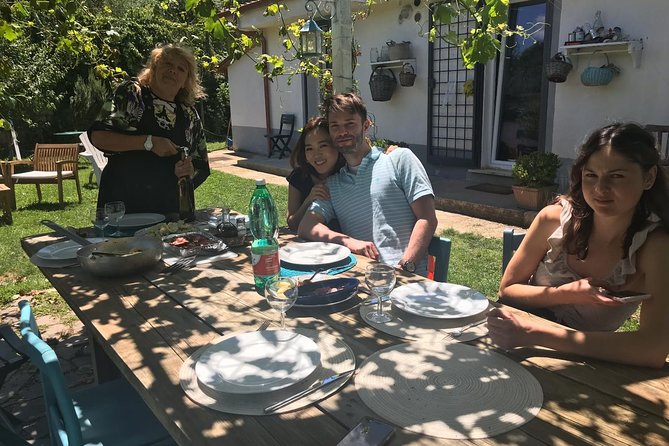
Claudia’s reputation isn’t based on a single signature dish. The whole structure of the lesson is about how Italians cook and eat as a family.
Here’s the general meal arc you can expect:
- A first set of small bites: things like vegetable fritters or savory strudel, plus croutons with vegetables and cheese
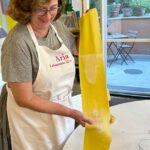
- Handmade pasta: options can include lasagne, ravioli, or fettuccine, with sauce you make alongside the pasta
- A typical second course: rolls or saltimbocca-type dishes show up depending on the day, and there’s a vegetarian alternative when needed
- Dessert together: a parfait or a tart, finished as part of the group meal
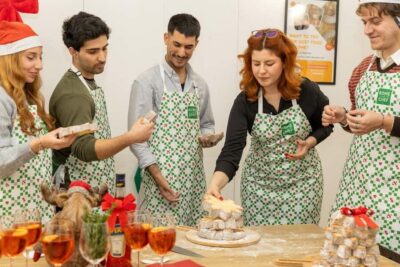
What you’ll like most is how the cooking mirrors the way Sunday lunch is treated in Italy. It’s not rushed. You dress up with an apron, you learn step-by-step, then you switch gears and eat what you made—still in the same spirit.
Claudia’s kitchen is also described as widely respected, including coverage by major newspapers, which lines up with what you’ll feel during the class: the teaching is serious, not performative.
What You Might Cook: A Menu That Changes With the Season
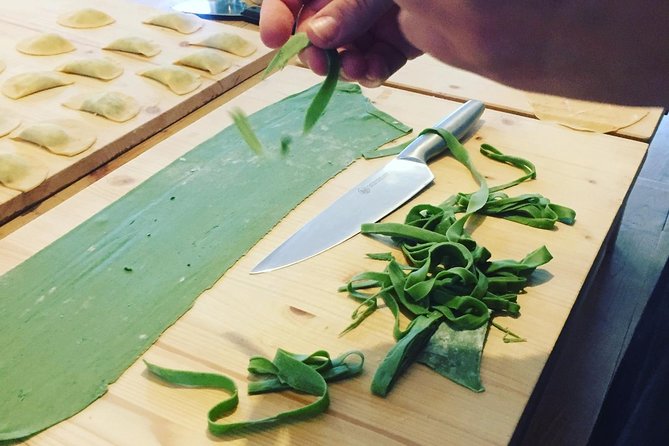
The exact dishes can vary by season and what’s available, but several common favorites show up in the kinds of menus people experience here. You might see combinations like:
- Spinach-based pasta and ravioli styles
- Carbonara-style pasta (sometimes with spinach pasta)
- Stuffed ravioli and other filled pasta variations
- Fried vegetable fritters or fried squash blossoms with sage leaves
- Herb-forward sides using garden-grown flavors
- Meat-wrapped or rolled second courses that reflect Roman home cooking
- Tiramisu or other dessert formats like parfaits/tarts
One thing I like about this approach: you’re not locked into one recipe path. If the season points toward certain produce, the menu follows that lead. That’s how you get skills you can actually reuse when you’re home.
A note on dietary needs
You can ask for dietary preferences. Claudia has made adjustments for preferences like gluten-free, including switching menu items and rearranging ingredients when needed. If you have a dietary requirement, message it clearly ahead of time so the shopping and prep can be handled.

The Farm-to-Table Touches That Make It More Than Cooking
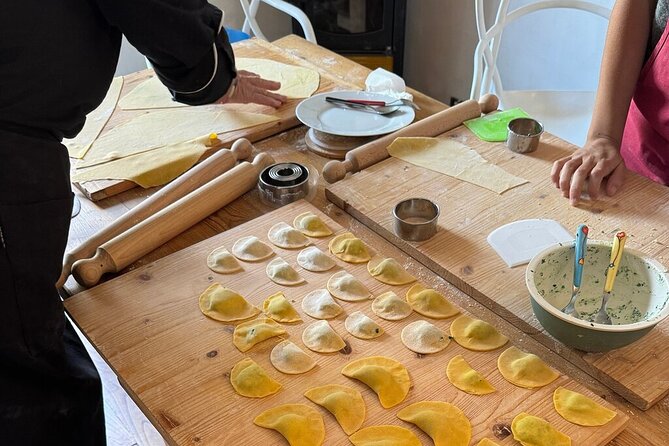
A lot of cooking classes say farm-to-table. This one leans in harder.
From the property, you may pick fresh herbs and ingredients to use right away—things like rosemary, olives, berries, and other garden produce (the specifics depend on what’s growing during your season). In some cases, people have picked cherries and mulberries, which then became part of a dessert like sorbetto.
The practical payoff for you:
- you learn how flavors get built from scratch (herbs, olive oil, simple ingredients)
- you see how Roman food uses what’s seasonal instead of imported “restaurant shortcuts”
- you taste the difference immediately because you’re cooking and eating on site
And the ingredient sourcing details make it feel grounded. The class uses flour from a local mill and eggs from a farmer, so you’re working with inputs that match the local food chain, not just generic supermarket items.
Getting Your Hands Dirty: Learning Pasta the Helpful Way
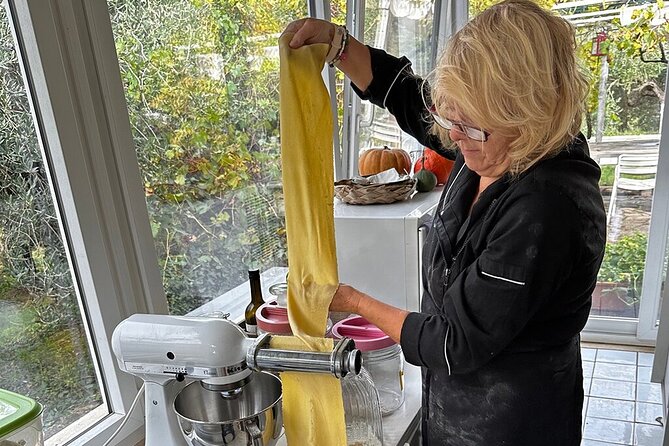
This is a hands-on class, and the teaching style matters.
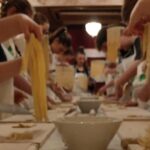
You’re guided through the steps with clear technique focus—especially with pasta. People highlight the idea of learning the secrets and methods behind making pasta that holds up, tastes right, and doesn’t fall apart when you’re cooking it.
During the session, you’ll do things like:
- roll and shape filled pasta (like ravioli-type formats)
- build sauces to pair with the pasta
- assemble second courses and sides with correct seasoning flow
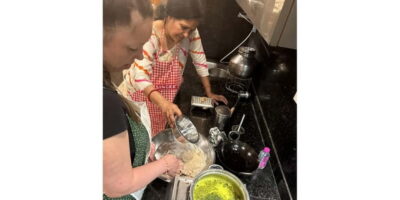
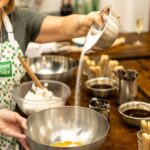
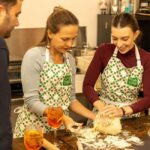
Also, you’re not just watching while someone else does the hard parts. You’re working through the steps with Claudia and her team, so when you leave, you’re taking home muscle memory—not just flavor memories.
The Family Meal Part: Wine, Conversation, and Bruno’s Music
Cooking is only half the magic. The other half is what happens after.
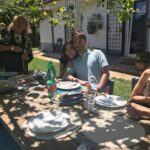
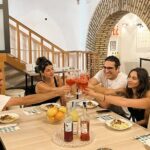
After you finish the prep, you sit down and eat in a romantic home setting. Depending on the day, that can be inside the living room or outside in the garden. The homemade wine is served with the meal, so you don’t have to chase a separate “wine tasting” later. You’ll also taste things like olive oil from the property in the course of the day.
Then there’s Bruno’s music. More than one person describes him playing piano or keyboard and singing during parts of the cooking and the evening stretch. It’s not background noise—it adds that sense of hanging out with a real household, not moving through a scripted event.
And yes, a few small, human moments stick: coffee and biscuits during the transition, a tour around the olive grove and vineyard, and even a dog welcome at arrival in some experiences. Little things like that build the feeling that you’re visiting people, not just purchasing a ticket.
Value for Money: Why $119.48 Feels Fair
At $119.48 per person for about 3.5 hours, you’re paying for several things at once:
- a small-group setting (not a big class)
- a real instructor with hands-on teaching
- a multi-course Roman meal
- homemade wine as part of the experience
- and a countryside setting that would cost more than that to recreate on your own
You could absolutely find cheaper classes in Rome. But cheaper usually means one or two dishes, less time with the instructor, and a meal that’s more like “you eat now” than “you cooked this.” Here, the structure is longer, fuller, and more personal.
I think the price is strongest if you care about learning technique and eating together—especially if you’re doing this as a break from the city’s constant sprint.
Who Should Book This Class (and Who Might Pass)
This fits best if you:
- want an authentic local-style meal in the Roman countryside
- like hands-on cooking with a calm, small group
- care about pasta technique and seasonal food
- enjoy a relaxed, family-table vibe with wine and music
It may not be the best fit if you:
- want a strict, timed “museum tour” style schedule
- prefer impersonal, no-chat learning environments
- can’t handle the slight risk of an unusual failure day (the rare no-show report is the big caution)
Should You Book the Farmhouse Pasta Class?
I’d book it if you want one of the more memorable, genuinely different food days near Rome. The combination of small-group instruction, a full Roman Sunday lunch flow, and the fact that the meal happens in the same home setting where you cooked is hard to beat for value.
Just do one practical thing: before you go, confirm your pickup timing and keep communication open the day of. In a normal operation, you’ll be met and taken care of. But since there’s at least one report of a no-show in the past, you’ll feel better having a plan if your message thread doesn’t get answered in time.
If you’re ready to trade a standard Rome pasta class for a countryside farmhouse afternoon with real teaching and real dinner energy, this is a very strong choice.
FAQ
How long is the cooking class?
It lasts about 3 hours 30 minutes.
What language is the class offered in?
The experience is offered in English.
Is there a limit on group size?
Yes. The maximum group size is 8 travelers.
Where does the experience start and end?
It starts in Zagarolo (00039 Zagarolo, Metropolitan City of Rome Capital, Italy) and ends back at the meeting point.
How do I get there from Rome?
You can take a train to Zagarolo. Bruno typically meets people at the train station and takes them to the farmhouse, then helps them get back to their train on time.
What might you cook during the day?
You’ll make a Roman-style meal. Dishes can include vegetable fritters or savory strudel, croutons with vegetables and cheese, handmade pasta such as lasagne/ravioli/fettuccine, a typical second course like rolls or saltimbocca, and a dessert such as parfait or tart. Seasonal menus may include sorbets and ice cream in summer, or sfogliatelle and stuffed pasta in winter.
What is the cancellation policy?
Free cancellation is available. You can cancel up to 24 hours in advance for a full refund. Cancellation within 24 hours of the start time is not refunded.