REVIEW · BEIRUT
Private Lebanese Cooking Class in Beirut with Amal + Transfers
Book on Viator →Operated by Traveling Spoon · Bookable on Viator
Lebanese cooking class days feel like visiting family. In Amal’s home outside Beirut, you’ll cook a full trio of dishes using family recipes and garden-fresh produce, then eat what you made together at a real table. I especially love how private means you’re not squeezed into a group rhythm. One thing to consider: you’re doing hands-on cooking for about an hour, so it’s not a sit-and-watch “food show.”
The setting helps a lot. Amal welcomes you with a drink, and her home has a fireplace plus a terrace with views over the capital, so even bad weather doesn’t kill the mood. After the class, the meal can include hearty classics like kibbi and mtabal, so if you don’t eat meat or fried foods, you’ll want to flag your preferences ahead of time.
In This Review
- Quick take: what makes this class worth your time
- Stepping into Amal’s Aramoun home (fireplace and all)
- How the timing and transfers work for a smooth day
- The menu you’ll likely cook: appetizer, salad, dessert
- What to expect from the salad
- What to expect from the dessert
- The hands-on hour: learning Lebanese techniques the real way
- Lunch at the dining table: eat what you cooked
- The big win: sharing the table with the cooks
- Veg, vegan, halal, and allergies: how to make it work for you
- Price and value: $142 for a private class with transfers
- Who this cooking class is for (and who might skip it)
- Should you book? My practical take
- FAQ
- How long is the private Lebanese cooking class?
- Is this class private or shared with other people?
- Does it include pickup and drop-off from Beirut?
- What dishes will I learn to make?
- Can you accommodate vegetarian, vegan, or halal meals?
- What if I have allergies or dietary restrictions?
- When will I receive confirmation after booking, and what about cancellation?
Quick take: what makes this class worth your time
- Hands-on cooking in a real home kitchen, not a demo space
- Garden-fresh ingredients from Amal’s family garden, used in the dishes
- Multi-course lunch with drinks paired with what you cooked
- Three generations at the table, with Amal and her family cooking and hosting
- Hotel pickup and drop-off around Beirut for an easy day out
- Dietary options available (vegetarian, vegan, halal) when you book
Stepping into Amal’s Aramoun home (fireplace and all)
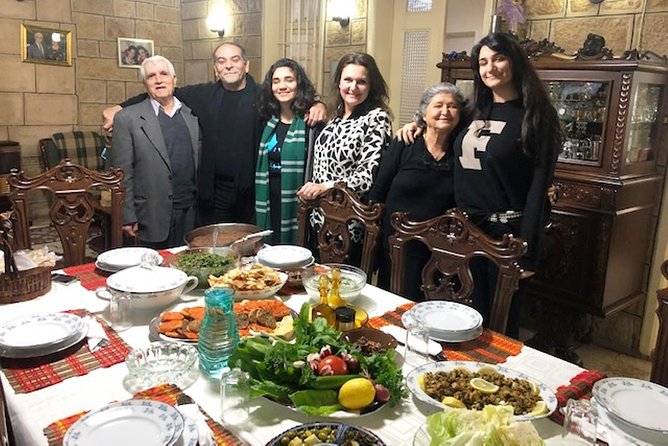
This experience happens in Aramoun, a suburb outside Beirut, in Amal’s classic Lebanese family home. You’ll arrive to a space that feels lived-in and welcoming: there’s a fireplace and a terrace with views over the city. Even though you’re not in central Beirut, the change of pace is part of the value. It’s the difference between reading about Lebanese food and actually standing in the kitchen where the recipes get made.
Amal starts you off by introducing Lebanese cuisine and its background—how everyday ingredients become the dishes you see across Lebanon. Then you’re not just learning ingredients. You’re learning technique: the timing, the textures, and how flavors are layered with lemon, olive oil, garlic, herbs, and spice. That matters, because Lebanese cooking often comes down to balance. A good tabouli, for example, isn’t just “chopped herbs.” It’s how herbs, bulgur (or grain), lemon, and oil come together so everything tastes fresh instead of flat.
You can also read our reviews of more tours and experiences in Beirut.

How the timing and transfers work for a smooth day
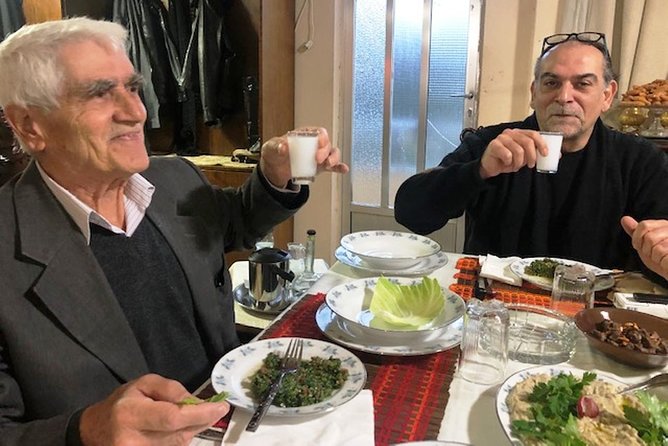
The full experience runs about 3 hours. That’s a sweet spot: long enough to cook, eat, and ask questions, but not so long you lose half your day to traffic and waiting.
Pickup is offered from your Beirut hotel, with drop-off after. For me, that’s not a small perk. Lebanese food is easy to love, but getting out of the city and into a residential suburb can take time if you’re figuring out transport. With transfers included, you can just show up hungry.
You’ll also have the reassurance that the tour is private—only your group participates. That affects the experience in a practical way: you can ask Amal about ingredients, substitutions, or what to look for next time you shop for Lebanese cooking at home.
The menu you’ll likely cook: appetizer, salad, dessert
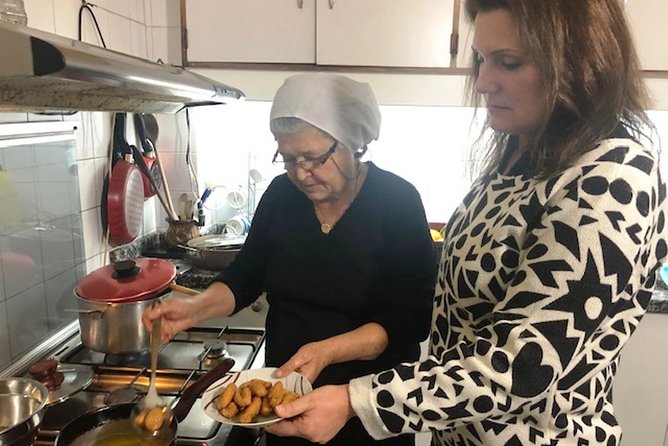
You’re preparing a traditional Lebanese meal in three parts: an appetizer, a salad, and a dessert. The exact menu can vary, but these are examples of what you might make:
- Chickpeas with lemon, olive oil, and garlic sauce
- Tabouli (a herb-forward salad)
- Kibbi (minced meat with herbs and nuts)
- Mtabal (grilled and mashed eggplant with tahini, lemon juice, and garlic)
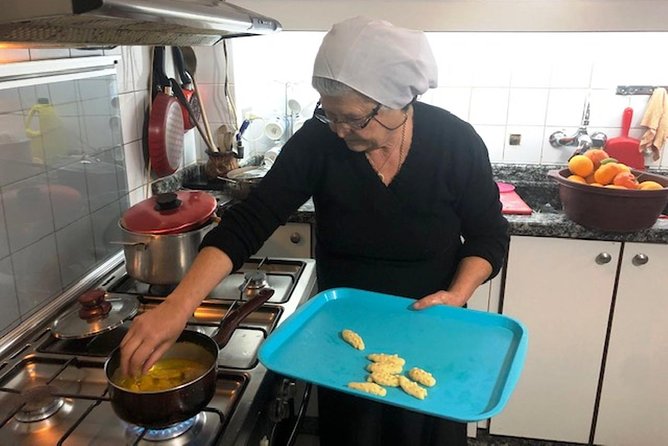
- Maakaroun for dessert (fried semolina fingers soaked in sugar syrup)
Even if you already know a couple of these dishes, cooking them yourself is the key. Lebanese classics can look simple on a menu, but the differences show up when your hands are involved—how you season, how you mix, and how you shape or mash. For example, mtabal lives or dies by texture and balance: smoky eggplant, then a smooth tahini-lemon-garlic sauce that tastes creamy without being heavy.
What to expect from the salad
Tabouli is often described as a salad, but it’s also a lesson in freshness. You’ll be working with herbs as a main ingredient, not a garnish. Expect that your final taste depends on lemon and oil timing. When it’s done right, it tastes bright and lively rather than one-note.
What to expect from the dessert
Maakaroun is deep-fried semolina, finished with sugar syrup. It’s sweet, yes—but it’s also part of what makes Lebanese meals feel complete. If you’re sensitive to very sweet or very fried foods, tell Amal up front so the cooking plan can match your comfort level.
The hands-on hour: learning Lebanese techniques the real way
The cooking time is about 1 hour, hands-on in Amal’s family kitchen alongside Amal and her mother, with support from local cooks. This is where the private setup really pays off. A small group means you’re more likely to get personal guidance: how to hold the knife for herbs, how to mix without overworking, and how to adjust seasoning as you go.
You’re not just learning recipes. You’re learning how Lebanese kitchens operate. You’ll use ingredients grown and pulled from the family garden—organically grown fruits, vegetables, and herbs. That ingredient detail sounds like a nice-to-have, but it changes the flavor. Herbs taste different when they’re fresher, and that freshness makes a salad like tabouli taste “clean” instead of dull.
Amal also talks during the cooking, so you’ll pick up practical context—why certain combinations work, and how families prepare these dishes for everyday meals and gatherings. When you leave, you’ll likely understand the logic behind the food, not just the steps.
Lunch at the dining table: eat what you cooked
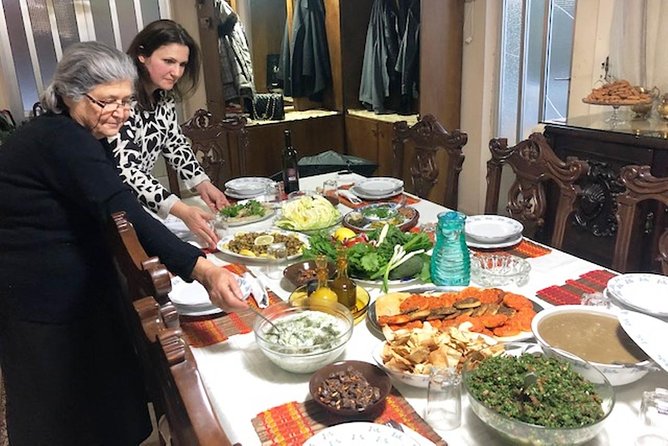
Once the cooking portion is finished, you sit down with Amal and her parents to enjoy the meal you helped prepare. This is a key part of the value: you’re not sent away to your next stop with a recipe card and a vague memory. You eat the result while it’s fresh and while the family is right there to answer questions.
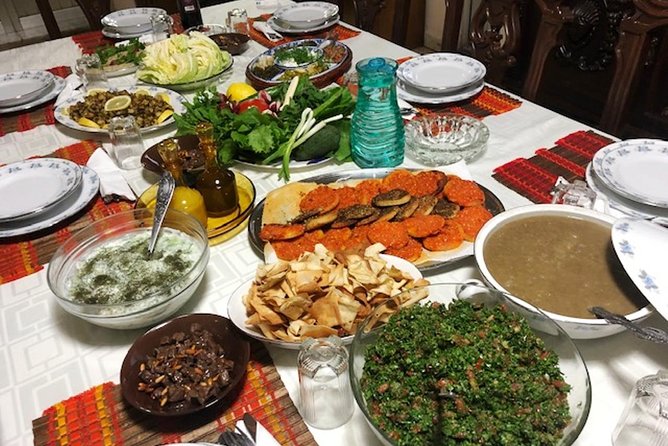
Meals often include combinations such as chickpeas with lemon-garlic sauce, tabouli, kibbi, and mtabal, depending on your class flow. The meal also comes with drinks, which makes it feel like a proper lunch—not a snack between attractions.
The big win: sharing the table with the cooks
There’s something about eating in the same home where you cooked that sharpens everything. You notice textures. You recognize why one dish tastes brighter than another. And you can ask directly, like why lemon is handled the way it is, or how the herb mixture should smell before it’s served.
One small “heads up,” depending on your tastes: the menu examples include meat (like kibbi) and fried dessert (like maakaroun). The good news is that the experience supports changes. If you need vegetarian, vegan, or halal options, you can arrange that when you book.
Veg, vegan, halal, and allergies: how to make it work for you
The tour can provide vegetarian, vegan, and halal meals when you advise ahead of time. That’s important because at least a few of the example dishes aren’t naturally vegetarian (for example, kibbi uses minced meat). If you wait until the day of, you risk missing the chance to adjust the cooking plan.
Allergies and dietary restrictions also need to be shared at booking. The class uses ingredients from a family garden, plus standard Lebanese staples like lemon, garlic, tahini, and herbs. If you have any allergies, this is the point to be very clear—so Amal can plan around it.
If you’re not sure what’s safe, ask in your message while booking. It’s better to be specific about ingredients than to hope the right version appears.
Price and value: $142 for a private class with transfers
At $142 per person, this isn’t a budget activity. But it also isn’t priced like a restaurant meal plus a pat on the head.
You’re paying for a few things at once:
- A private class (your group cooks together)
- Hotel pickup and drop-off in Beirut
- A full meal that includes what you cooked
- Drinks with lunch
- Use of garden-fresh ingredients and family recipes
For my money, the best “value” here is the home setting. You’re not just learning how Lebanese food is made—you’re eating it where it’s made. That blend of instruction + lunch + transfers is exactly what you want if you’re trying to understand a cuisine beyond the usual restaurant order.
Also, average booking timing is about 19 days in advance, so plan ahead if your dates are firm. Private cooking classes can be easier to schedule when you’re early.
Who this cooking class is for (and who might skip it)
This fits best if you want:
- a hands-on Lebanese food experience rather than a walking tour
- a small, welcoming atmosphere with Amal and her family
- a way to learn techniques you can repeat later
It may not be your best match if you’re searching for strict sightseeing with lots of monuments. This is about food and table time. Also, because it’s in a residential home setting, you should expect a relaxed pace. You’re not in a high-tech cooking studio, and that’s part of why it feels real.
If you’re traveling as a couple or small group, private works especially well. The format also suits people who like asking questions and want clear guidance during cooking, since your time is focused on your group.
Should you book? My practical take
If you’re in Beirut and you want more than “one good meal,” book this class. I’d choose it when you want to understand Lebanese flavors at the source: Amal’s family recipes, garden ingredients, and the way the dishes come together on one table.
Book it sooner rather than later, since it’s private and the schedule can fill. And when you book, be direct about dietary needs or allergies so Amal can shape the menu to match your situation. If you do that, you’re likely to come away with both full bellies and a real sense of how to recreate Lebanese dishes with confidence back home.
FAQ
How long is the private Lebanese cooking class?
The experience is about 3 hours.
Is this class private or shared with other people?
It’s private. Only your group will participate.
Does it include pickup and drop-off from Beirut?
Yes. Pickup is offered and you’ll also get drop-off at your Beirut hotel.
What dishes will I learn to make?
You’ll learn to prepare an appetizer, salad, and dessert using Lebanese ingredients and family recipes. Example dishes can include chickpeas with lemon-garlic sauce, tabouli, kibbi, mtabal, and maakaroun.
Can you accommodate vegetarian, vegan, or halal meals?
Yes. Vegetarian, vegan, and halal meals can be provided, as long as you advise at the time of booking.
What if I have allergies or dietary restrictions?
If anyone in your group has allergies or dietary restrictions, tell the provider at booking so the menu can be adjusted.
When will I receive confirmation after booking, and what about cancellation?
You should receive confirmation within 48 hours of booking (subject to availability). Cancellation is free up to 24 hours in advance for a full refund.