REVIEW · CABO SAN LUCAS
Azteca Tacos Cooking Class
Book on Viator →Operated by Dharma Expeditions · Bookable on Viator
Cactus tacos in a real Baja rancho beat bingo. This Azteca Tacos cooking class takes you off the main drag to a humble working rancho where the focus is the nopal—why it grows here, what it’s used for, and how the ranch family turns it into dinner. I especially liked the hands-on tortilla and salsa making, plus the chance to share a table with the ranch family rather than eat in a scripted setup. The main thing to watch: it runs only in good weather, and pickup coordination matters if your spot isn’t listed—so message ahead if you’re outside Cabo San Lucas.
If you’re choosing a class for value, this one makes sense on paper. At $135 per person for about 4.5 hours, you’re getting an air-conditioned ride, bottled water, and dinner that you help make, in a group capped at 6 people and offered in English. You’ll meet at McDonald’s in El Medano, then head out at 3:00 pm and return to the same meeting point at the end.
In This Review
- Key Things I’d Circle Before You Go
- A Real Baja Rancho for Your Nopales Tacos
- 3:00 pm Pickup and How Logistics Work in Cabo
- What You’ll Actually Do on the Ranch (Step by Step)
- 1) Arrive and get oriented in ranch life
- 2) Nopal talk: properties, production, and relevance
- 3) Make tortillas by hand with corn flour
- 4) Grind salsa using the molcajete
- 5) Build nopales tacos and cook your meal
- 6) Share the meal with the ranch family
- Meet the Guides and Why Their Tone Matters
- The Value Call: Is $135 Worth It?
- Who This Class Fits Best (and Who Might Not Love It)
- Weather and Timing: The Two Real Constraints
- Should You Book the Azteca Tacos Cooking Class in Cabo?
- FAQ
- Where is the meeting point for Azteca Tacos Cooking Class?
- What time does the class start?
- How long is the experience?
- Is pickup available, and where?
- What’s included in the price?
- What do you make and eat during the class?
- Is the tour offered in English?
- How big is the group?
- What if the weather is bad or I need to cancel?
Key Things I’d Circle Before You Go
- Working rancho setting: you visit a Baja agricultural place where nopal is part of everyday life
- Nopal lesson with real context: how the cactus is harvested and why it matters economically
- Handmade tortillas: you make tortillas by hand using corn flour
- Molcajete salsa practice: you grind salsa ingredients using the traditional stone grinder
- Dinner is the payoff: you cook the meal and share it family-style with the rancho family
- Small group size: maximum 6 travelers, so questions don’t get lost
A Real Baja Rancho for Your Nopales Tacos
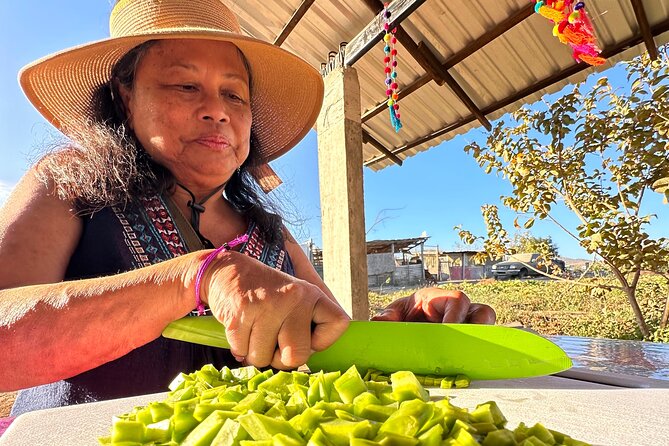
Most Cabo cooking classes are really about the menu. This one starts earlier, with the farm. You’re headed to a true Baja humble rancho where agriculture is the main economy—and the star crop is the ancestral cactus called the nopal. You’ll learn about it, including properties and how it connects to production and the ranch’s economic relevance.
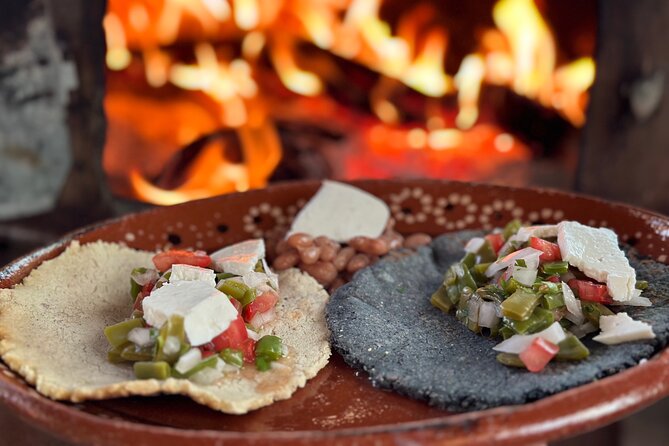
Then, instead of just watching someone else work, you help cook. That’s the difference that makes the experience feel grounded. You’ll make tortillas from scratch (using corn flour), prepare salsa the traditional way (with a molcajete), and then build nopales tacos with toppings like tomato, cilantro, onion, goat cheese, beans, and salsa.
It’s also not a lonely experience. You’re going to end with your meal cooked by you, shared at the ranch family table. That family-table element is the part that tends to stick, because it turns the class into a conversation, not a performance.
You can also read our reviews of more tours and experiences in Cabo San Lucas.


3:00 pm Pickup and How Logistics Work in Cabo
The class starts at 3:00 pm, with the meeting point at McDonald’s on Valentín Gómez Farias, Blvd. Lázaro Cárdenas, El Medano Ejidal, 23479 Cabo San Lucas, B.C.S., Mexico. The activity ends back at the meeting point, so you’re not stuck figuring out the last-mile ride.
Pickup is offered, and the ride is in an air-conditioned vehicle with bottled water included. One practical detail: pickup coverage can depend on where you’re staying. If your resort or location isn’t shown, you’ll need to send a direct message to arrange pickup—pickup is only stated as possible within Cabo San Lucas.
If you’re driving yourself or taking a bus, you’ll also want to message for further instructions. That’s worth doing early, because the tour time is fixed and you don’t want to arrive late and miss the start.
What You’ll Actually Do on the Ranch (Step by Step)
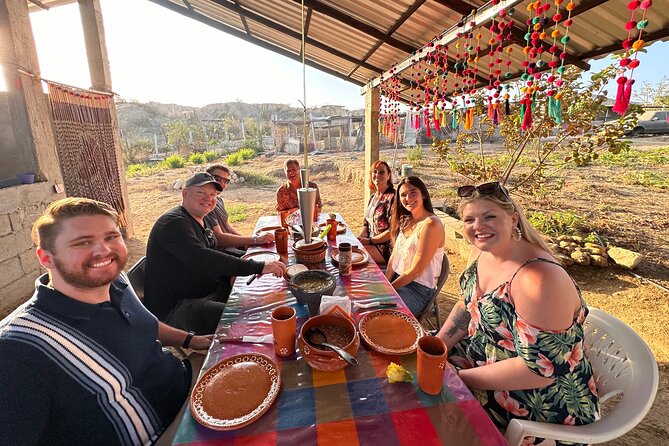
This is a 4 hours 30 minutes class (approx.), and the flow is fairly straightforward: learn the ranch basics, then get your hands involved in cooking.
1) Arrive and get oriented in ranch life
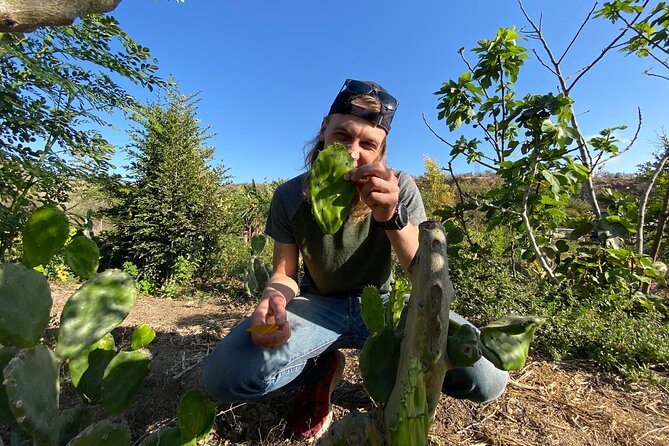
Once you’re picked up and arrive at the rancho, you’ll shift from city time to farm time fast. This is the part where the tour doesn’t feel like a kitchen demo. The focus stays on the agriculture: nopal is harvested, and you’ll learn why it’s important here—both in terms of what it is and how it shows up in daily production.
In the kind of place where agriculture drives everything, you also pick up the quiet details: how work rhythms shape food, and how a crop becomes a meal. It’s the kind of learning that stays practical, because it’s tied directly to what you’re going to eat later.
2) Nopal talk: properties, production, and relevance
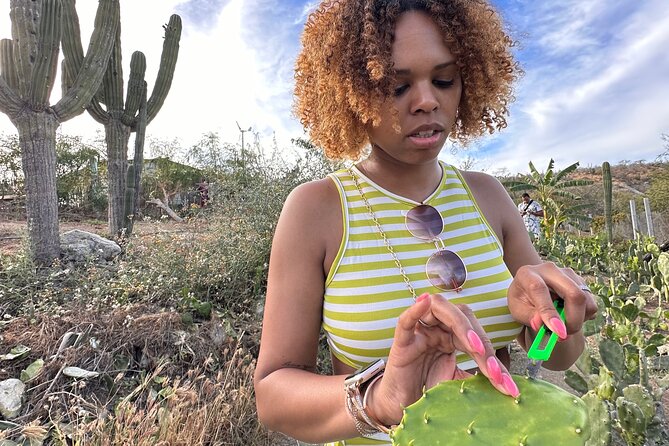
You’ll spend time learning about the nopal—its properties, how it’s produced, and its economic relevance to the ranch. Even if you’ve had nopales before, this adds a layer you usually don’t get in restaurants.
Think of it as the “why” behind the “what.” When you later see the ingredient appear in your tacos, you’ll understand it as more than a garnish.
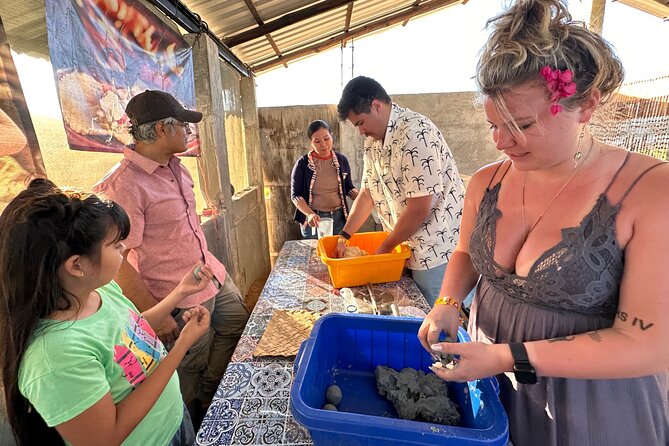
3) Make tortillas by hand with corn flour
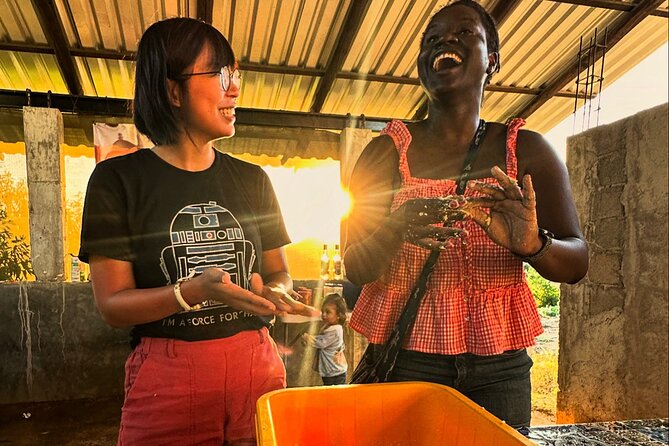
Next comes the flour-to-tortilla moment. You’ll make your own tortillas by hand using corn flour. This is hands-on work, and it’s also where you get the most immediate satisfaction.
You’re not just shaping food. You’re learning technique: how dough feels, how texture changes as you work, and how tortillas come together when you handle them yourself. Even if your first attempt looks a little lopsided, that’s part of the fun.
4) Grind salsa using the molcajete
Then you’ll tackle salsa. You’ll make your own salsa using the traditional Mexican grinder the molcajete. This isn’t just about having salsa on the table. Grinding with a stone changes the process. It takes a little time, and it helps you pay attention to how ingredients break down and combine.
You end up with salsa that tastes like it belongs to the ingredient chain you just saw—especially since you’re doing it in the same rancho setting, not in a kitchen that could be anywhere.
5) Build nopales tacos and cook your meal
Your sample menu shows where everything goes:
- Nopales tacos as a main dish
- Tortillas you made by hand
- Salsa you made with the molcajete
For the toppings, you’re looking at tomato, cilantro, onion, goat cheese, beans, and salsa. You’ll cook and assemble as part of the meal process, which is the part people remember: you’re responsible for your food from start to finish.
6) Share the meal with the ranch family
The final step is dinner—cooked by you, then shared at the table with the ranch family. That’s the “human” piece of the class.
The vibe here is less formal than a restaurant meal. You get to sit down with the people who live the agricultural life you learned about. And because the group is capped at 6, there’s room to talk instead of rushing through awkward introductions.
Meet the Guides and Why Their Tone Matters
Guides help set the tone. In this experience, you might interact with guides named Danny and Jordan, and both come through as the kind of people who can explain what you’re seeing without talking over you.
That matters more than you’d think. When you’re learning about nopal and then cooking with it, you want the explanations to connect to the hands-on steps. A guide who keeps things practical helps you leave with understanding, not just a full stomach.
The Value Call: Is $135 Worth It?
At $135 per person, it’s not the cheapest thing on the Cabo list. But the structure supports the price.
Here’s what you’re paying for:
- a working rancho experience (not a staged kitchen in town)
- a hands-on session: tortillas and salsa
- you cook and eat dinner that includes nopales tacos
- pickup and an air-conditioned vehicle
- bottled water and dinner included
The dinner included detail is more important than it sounds. You’re not doing a class and then paying again for food nearby. You’re making the meal as part of the activity, then eating it.
Also, the group size is capped at 6. Small groups often mean you get more time with the people teaching, more time to ask questions, and a calmer pace.
The one cost detail to budget for: gratuity is not included.
Who This Class Fits Best (and Who Might Not Love It)
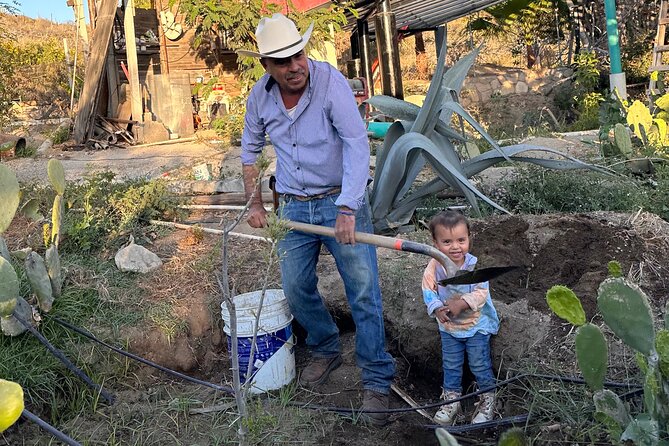
This is a great fit if you want food that comes with context. If you care about how ingredients connect to place—especially Baja agriculture—this class delivers. It also suits anyone who likes tactile cooking: rolling dough, shaping tortillas, grinding salsa.
It’s also a good choice for people who prefer smaller groups. With a maximum of 6, you’re less likely to feel lost in a crowd.
You might skip this if you want a purely tourist-friendly, quick-photo style experience. This isn’t about chasing sights. It’s about learning and making food in a real working rancho setting.
Weather and Timing: The Two Real Constraints
This experience requires good weather. If it’s canceled due to poor weather, you’ll be offered a different date or a full refund.
Timing matters too. Starting at 3:00 pm means you’ll spend your afternoon learning and cooking, then end back at the meeting point. If you’re the type who likes to keep evenings free, you’ll want to plan accordingly.
Should You Book the Azteca Tacos Cooking Class in Cabo?
Yes—if your idea of a great Cabo day is less “checklist” and more “handmade food with real people.” The combination of nopal agriculture education, hands-on tortillas, molcajete salsa, and dinner you actually cook hits a sweet spot for value and authenticity.
If weather is likely to be tricky or if you’re unsure about pickup at your exact location, message in advance so everything is smooth. Get that sorted, and you’ll likely end the day with both a full plate and a story you can’t get from a restaurant menu.
FAQ
Where is the meeting point for Azteca Tacos Cooking Class?
The tour starts at McDonald’s, located at Valentín Gómez Farias, Blvd. Lázaro Cárdenas, El Medano Ejidal, 23479 Cabo San Lucas, B.C.S., Mexico.
What time does the class start?
The start time is 3:00 pm.
How long is the experience?
It lasts about 4 hours 30 minutes.
Is pickup available, and where?
Pickup is offered. If your resort or location isn’t shown, you can send a direct message to arrange pickup, but pickup is only stated as possible within Cabo San Lucas.
What’s included in the price?
Included are an air-conditioned vehicle, bottled water, and dinner.
What do you make and eat during the class?
You make tortillas by hand with corn flour, make salsa using the molcajete, and prepare nopales tacos with tomato, cilantro, onion, goat cheese, beans, and salsa.
Is the tour offered in English?
Yes, it’s offered in English.
How big is the group?
The tour has a maximum of 6 travelers.
What if the weather is bad or I need to cancel?
The experience requires good weather. If it’s canceled due to poor weather, you’ll be offered a different date or a full refund. Free cancellation is available up to 24 hours in advance for a full refund.