REVIEW · ROME
Pasta Making and Tiramisù Cooking Class in Rome
Book on Viator →Operated by Inrome Cooking Srl · Bookable on Viator
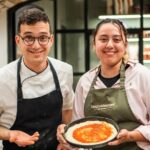
Rome has cooking classes. This one gives you the skills to use them later. You’ll make fresh pasta and tiramisù in a proper kitchen setting in central Rome, and you’re not just watching. Two things I especially like are the hands-on pacing (you’re kneading and shaping, not just tasting) and the small-group feel that keeps you close to the chef, like David and Simone, who show up in the class stories.
The main trade-off to consider is that this experience can run lively and a bit tight, especially in a space that also hosts another group with a second chef. If you’re easily distracted by noise, go in expecting a fun kitchen energy.
In This Review
- Quick Reality Check on the Setting
- Key Highlights at a Glance
- Where You Cook: Central Rome, Piazza Navona Energy, and a Real Kitchen
- Welcome Bites and Drinks: How the Included Meal Raises the Value
- The Core Lesson: Fresh Pasta From Scratch, With Two Styles
- Roman Sauces: Learning Flavor Building, Not Just Toppings
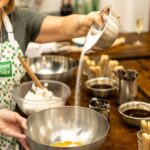
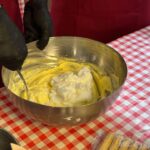
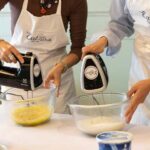
- Tiramisù Class: The Cream, the Timing, and the No-Fear Method
- Sitting Down to Your Own Work: How the Meal Works
- Timing and Session Style: Morning Toward Lunch, Evening Dinner Energy
- Who This Class Fits Best (and Who Might Want a Different Option)
- Price and Value: Why This Feels Worth It for Most People
- A Practical Tip: How to Get the Most Out of Your Time
- Should You Book This Pasta Making and Tiramisù Class in Rome?
- FAQ
- How long is the pasta making and tiramisù class?
- What dishes will I learn to make?
- Is the class offered in English?
- Is the group small?
- Are vegetarian or gluten-free options available?
- What’s included in the price?
- Is hotel pickup or drop-off included?
- Where do I meet for the class?
- Can I cancel and get a full refund?
Quick Reality Check on the Setting
The class starts at Corso del Rinascimento (a central meeting point), but you should expect a short walk to the working kitchen. That’s not a problem when you’re there for cooking, but it can be annoying if you like everything to happen in one exact spot. One more note: the end result isn’t meant to be restaurant-perfect plated food. It’s meant to be your pasta and your tiramisù, with technique taught as you go.
Key Highlights at a Glance
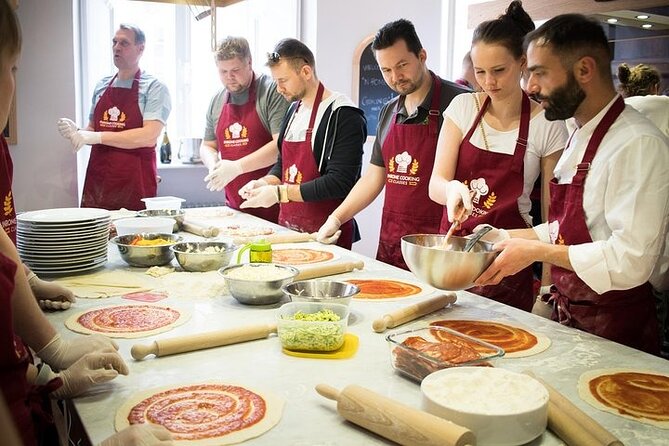
- Fresh pasta from scratch with kneading and shaping you’ll repeat later
- Two pasta types plus Roman sauce practice so you understand how flavors build
- Tiramisù with real method, not just a quick assembly
- Prosecco, antipasti, and wine included, turning it into an actual meal
- English-speaking chef instruction in a small class size (max 15)
- Take-home recipes and tips so your next attempt at home feels less guessy
You can also read our reviews of more tours and experiences in Rome.
Where You Cook: Central Rome, Piazza Navona Energy, and a Real Kitchen
This class is positioned in the heart of Rome. One of the big reasons it feels “Roman” is the location vibe: you’re in the central area where Piazza Navona and the surrounding lanes make it easy to pair the class with a stroll after. You’ll start at Corso del Rinascimento, and then you likely move to the kitchen space nearby. That short transfer is the only part that can feel slightly logistical, but it also signals something important: you’re going to a functioning cooking setup, not a classroom theater.
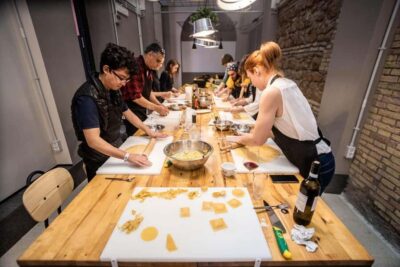
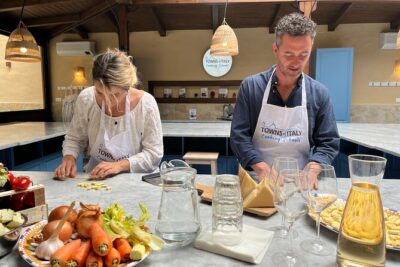
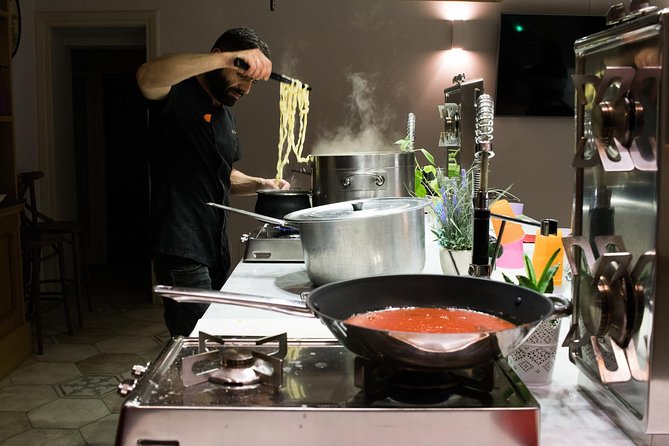
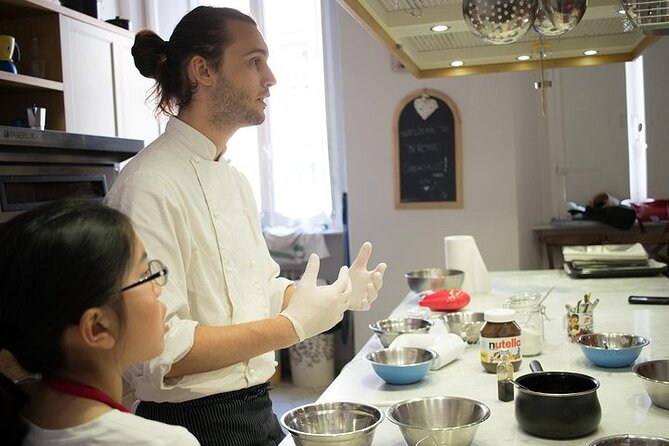
The kitchen itself is professional-grade. You’ll be working in a setup designed for food prep and live instruction, which makes a difference. When a class is set up like a working kitchen, you can actually learn technique: how the dough should feel, what “emulsion” looks like in a sauce, and how tiramisù comes together with timing. In smaller classes, you’re more likely to get corrected in real time, whether your pasta thickness is off or your tiramisù needs a gentler hand.
Welcome Bites and Drinks: How the Included Meal Raises the Value
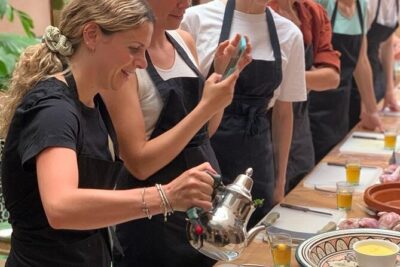
For $119.77 per person, what makes this feel like a good deal is what comes with the cooking. You get a welcome drink (Prosecco) plus Italian antipasti, and the experience ends with a sit-down meal that includes a full two-course setup. Alcoholic beverages, bottled water, and soft drinks are included, and you’ll also have wine with the meal.
This matters because cooking classes can sometimes feel like “time in the kitchen” plus a small snack at the end. Here, the food and the drinks are treated like part of the experience. You’ll taste what you make with local wines, and that gives you feedback right when your brain is still sharp from learning the process.
Also, the included food isn’t just filler. The starter is meant to get you comfortable and ready, and the final meal is where you evaluate your own work. One of the repeated positives from people who loved the class is that they left feeling like they had both: cooking instruction and a real dinner out.
The Core Lesson: Fresh Pasta From Scratch, With Two Styles
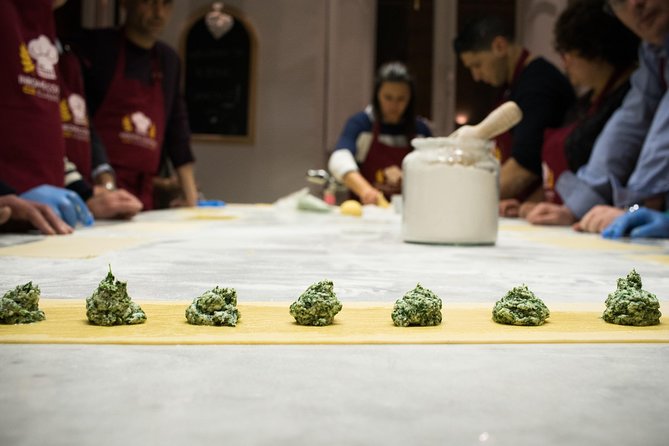
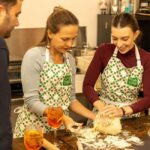
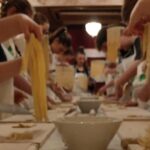
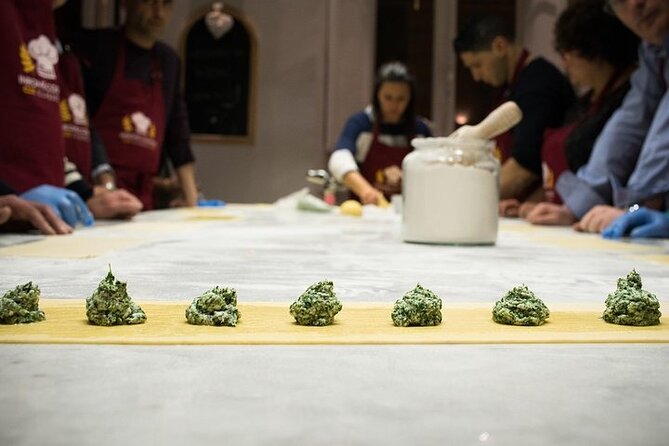
The heart of the class is learning to make fresh pasta from scratch. You’ll knead dough by hand, shape it, and work your way through an actual pasta-making flow. You’ll make two types of fresh pasta, and depending on the session, that can include styles like spaghetti and other pasta shapes (some classes in feedback mention choices such as fettuccine, ravioli, and spaghetti-like formats).
The teaching approach is practical. Chefs in the class storylines are described as clear and patient, with step-by-step guidance. What I like about that for you is that pasta has a few sensitive points: dough hydration, gluten development from kneading, and thickness consistency. When the chef explains the why behind each ingredient and step, you stop relying on luck. Instead, you start using cues—texture, elasticity, and how the dough behaves under your hands.
You’ll also get technique tips that help beyond one recipe. People mention substitutions and home-practice advice. That’s a big deal. In Italy, the recipe is only half the story. The other half is how you adjust when your kitchen is warmer, your flour behaves differently, or you don’t have the exact tools you used in class.
Roman Sauces: Learning Flavor Building, Not Just Toppings
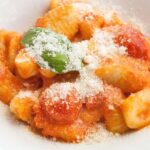
Pasta in Rome is rarely “plain noodles.” It’s about sauce logic. This class teaches you to make pasta with two types of authentic Roman sauces. Even when you’re not told every chemical detail, the instruction is aimed at helping you understand how a base flavor can turn into multiple outcomes.
In the feedback, one pattern stands out: instructors spent time explaining the ingredients and how they interact, and that made people feel like they learned something they could transfer home. You’ll leave knowing what to aim for when you make a sauce—texture, thickness, and the balance that makes Roman-style comfort food taste like Roman-style comfort food.
A bonus: there’s flexibility. Some sessions may allow you to do an extra sauce beyond the original plan, especially when it doesn’t derail timing. That flexibility is also part of why people rate this so highly for value: you’re not treated like you’re on an assembly line.

Tiramisù Class: The Cream, the Timing, and the No-Fear Method
Then comes tiramisù. You’ll learn to prepare a classic creamy version and, importantly, you’ll be taught the method and reasoning. People often think tiramisù is only about layering and sweet taste, but the real skill is handling the cream and timing so it sets without turning watery.
This class frames tiramisù as something you can learn quickly, even if you’re not a confident cook. In feedback, instructors are praised for making the dessert steps feel easy to follow, and for keeping the class fun while still teaching technique. If you’ve ever tried tiramisù at home and ended up with a runny filling or soggy layers, you’ll likely appreciate how hands-on coaching helps you avoid the most common problems.
One more practical point: you’ll understand what to look for visually as it comes together. That means the dessert isn’t just a set of measurements. You learn what a correct texture feels like and how to keep it stable.
Sitting Down to Your Own Work: How the Meal Works
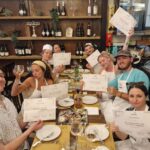
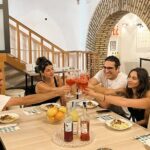
After cooking, you sit down and eat. This is where the class turns from “activity” into “dinner plans.” You’ll enjoy what you made with wine and soft drinks, plus bottled water. Some classes feel like a family meal at the end: small groups around tables chatting, sharing the results, and comparing how each person’s pasta turned out.
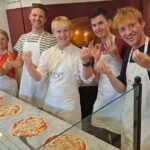
The small-group structure is one of the reasons people call it intimate. A maximum of 15 travelers is also a ceiling that usually keeps things manageable. In feedback, people highlight that the chef takes time rather than rushing through. You’ll often hear that the instructor is energetic, funny, and encouraging, which matters in a kitchen class. When you’re learning by doing, a cheerful chef reduces stress, and stress is what makes beginners mess up.
One consideration: because more than one chef can run classes in nearby kitchen space, the noise level can be lively. If you’re the type who needs quiet to focus, plan to lean into the group energy or choose an off-peak moment if offered.
Timing and Session Style: Morning Toward Lunch, Evening Dinner Energy
The program description includes the idea that morning classes are timed to finish around lunch, leaving you time to eat your creations and keep exploring. But the specific start time provided for this option is 5:30 pm, and the class runs about 2 hours 30 minutes.
So what should you do with that? Think of it like this: you’re booking an evening cooking lesson that ends back at the meeting point, with a full meal afterward. If you’re planning the rest of your day, build in the fact that you’ll be eating as part of the class flow, not just snacking.
If you’re the kind of traveler who likes a “one main thing” block in your itinerary, this fits well. You show up, cook, eat, and then you’re free to stroll. And since you’re in central Rome, your post-class walk can be the fun part.
Who This Class Fits Best (and Who Might Want a Different Option)
This is a strong choice if you want an interactive food experience, not a lecture. Couples, friends, and solo travelers all fit, and families can work too. In feedback, parents mention that kids enjoyed the hands-on pace and that they were excited to cook again at home. The range of ages reported is wide, so you don’t have to be a “serious cook” to enjoy this.
You should consider a different class if you dislike group cooking environments or if you’re sensitive to sound. One unhappy experience mentioned difficulty hearing the instructor in a tight, loud setting, along with a rushed feeling. The provider response explains how the kitchen can host two chefs with two groups, which can make the room lively. That means your best strategy is to go in prepared for a shared, energetic kitchen.
If you care most about perfect plating, a cooking class might never fully satisfy you. But if you care about technique, comfort food mastery, and leaving with recipes you can actually use, this one does the job.
Price and Value: Why This Feels Worth It for Most People
Let’s talk value in plain terms. You pay $119.77 per person, and you’re getting far more than a brief cooking demo. Included items cover food tasting, light refreshments, and a two-course meal. You also get drinks: Prosecco at the start and wine with the meal, plus water.
When a class includes both instruction and a full meal, you’re paying for an experience that replaces part of your normal restaurant budget. In Rome, that matters. It’s not just “buying pasta lessons.” It’s also paying for dinner, drinks, and a chef guiding your technique.
The other side of value is learning depth. People consistently praised instructors for clear directions, explaining reasons, and providing home tips. That’s why the high rating feels believable: you’re not only getting something to eat, you’re learning something you can repeat.
A Practical Tip: How to Get the Most Out of Your Time
If you want this to feel like money well spent, come with two mindsets:
1) Treat it like a skill session, not a performance. Ask questions while the chef is still teaching that step.
2) Pay attention to texture cues. Pasta dough and sauce consistency are easier to control when you know what to look for.
Also, bring your curiosity. The best classes tend to feel like conversations: people chat, learn from each other, and the chef keeps things moving at a pace that still allows hands-on practice. If you meet an instructor like Marco, Francesco, Simone, or Sara in your session, lean into their teaching style and humor. It often turns the class from “work” into a memorable night.
Should You Book This Pasta Making and Tiramisù Class in Rome?
I’d book it if you want a fun, hands-on Roman food night with real technique, not just a souvenir meal. The included drinks and full sit-down eating make it feel like you’re getting more than a cooking workshop. And the small-group setup generally keeps instruction personal enough that beginners feel guided and confident.
Skip it or at least be cautious if you need quiet or you’re worried about hearing instruction in a lively kitchen. Also, be mentally ready for a short walk from the meeting point to the working kitchen space.
If you’re aiming to leave Rome with both recipes and confidence, this is a very solid pick.
FAQ
How long is the pasta making and tiramisù class?
It runs for about 2 hours 30 minutes.
What dishes will I learn to make?
You’ll learn to make fresh pasta (two types) and tiramisù, plus Roman pasta sauces.
Is the class offered in English?
Yes, it’s offered in English.
Is the group small?
Yes. The maximum group size is 15 travelers.
Are vegetarian or gluten-free options available?
Vegetarian and gluten-free options are available.
What’s included in the price?
Food tasting, light refreshments, lunch 2-course meal, bottled water, and alcoholic beverages.
Is hotel pickup or drop-off included?
No. Hotel pickup and drop-off are not included.
Where do I meet for the class?
You meet at Corso del Rinascimento, 65, 00186 Roma RM, Italy, and it ends back at the meeting point.
Can I cancel and get a full refund?
Yes. Free cancellation is available up to 24 hours in advance of the experience for a full refund.