REVIEW · GOREME
Cappadocia Cooking Class
Book on Viator →Operated by AND Travel Consulting · Bookable on Viator
First off, this is cooking, not a food show. You’ll get hotel pickup and drop-off in Cappadocia, then head to Urgup for shopping before cooking with a local family—often with guides like Kadir helping translate and add context. What I like most is the hands-on feel (you’re doing the work), and the fact that you’re learning how Cappadocians eat, not just memorizing recipes from a menu. One thing to consider: the format can lean more toward assisting than true solo-cooking, depending on the host and how prep is handled.
You can choose a lunch session or a dinner session, and the schedule is built to fit into a typical day in Göreme. After the meal, you’re sent back to your hotel, which makes this easy to slot in without wasting time on logistics. As for the drawback, you should plan for a more casual group setup—small and friendly, but not everyone will stand at the counter equally for every step.
In This Review
- Key Highlights at a Glance
- From Your Hotel to a Local Kitchen in Cappadocia
- Choosing Lunch vs Dinner: Pick the Timing That Fits Your Day
- The Ürgüp Market Stop: Where Ingredients Get Real
- Hands-On Cooking at a Host House (and Why That Matters)
- Your Menu: The Dishes You’ll Cook and Eat
- Starters and Salads
- Main Courses
- Dessert
- Guides and Group Size: Cozy, Not Chaotic
- Value and Price: Is $176.61 Fair for Cappadocia?
- Who Should Book This Cooking Class (and Who Might Skip It)
- Practical Tips Before You Go
- Should You Book This Cappadocia Cooking Class?
- FAQ
- What times are the lunch and dinner cooking classes?
- Where are you picked up from?
- What’s included in the class?
- Are alcoholic drinks included?
- Is there a minimum age for drinking?
- How many people are in the group?
- What is the cancellation policy?
Key Highlights at a Glance
- Free hotel pickup and drop-off across Göreme, Avanos, Üçhisar, Ortahisar, Cavuşin, Ürgüp, Mustafapaşa, Ayvalı, and Nevşehir
- Market shopping in Ürgüp before you cook, so ingredients actually make sense when you start cooking
- Small group size (max 6 travelers) for a more personal, low-pressure class
- A real local home-style meal with 3 courses (lunch or dinner)
- English support plus a local interpreter, so you can ask questions and get real explanations
- You’ll eat what you make, plus water/black tea/coffee and included snacks
From Your Hotel to a Local Kitchen in Cappadocia
This class works because it respects your time. You’re picked up from your hotel and brought into the Cappadocia routine instead of trying to figure it out yourself. The tour runs about 4 hours, starting either at 10:00 AM for a lunch class or 4:00 PM for a dinner class. In a place like Cappadocia—where you might otherwise spend a half-day bouncing between viewpoints—that time-saving structure matters.
The biggest value here is that the experience centers on a local household. You’re not stuck in a demo restaurant where someone cooks while you watch. Instead, you join the process: shopping, prep, cooking, then eating as a group. And yes, the vibe is friendly. Several hosts and guides (including people like Özgül, Basa, Feliz, Nihat, and Gül, depending on the day) are welcoming in a way that feels more like visiting than touring.
One small practical point: “English offered” is paired with an interpreter, which is the right setup for a cooking class. You want translation for ingredients, technique, and food stories—not just directions. That’s usually what turns a normal meal into something memorable.
You can also read our reviews of more tours and experiences in Goreme.
Choosing Lunch vs Dinner: Pick the Timing That Fits Your Day
Both options follow the same concept—local shopping, cooking, eating, then you’re back at your hotel—but the timing changes the mood.
A 10 AM lunch session is often better if you like moving earlier, or if you want your evening free (maybe for a pottery shop, a walk through Göreme, or just a long dinner). A 4 PM dinner session can feel more relaxed, especially if you’re already active during the day and just want a cooler, indoor hour that ends with a full meal.
Also, since the tour is built around a real home or host setup, the schedule matters. I’d choose based on when you’re likely to be fresh enough to talk, ask questions, and actually participate while cooking.
The Ürgüp Market Stop: Where Ingredients Get Real
Before you cook, you’ll shop in Ürgüp town. This part is one of the smartest pieces of the experience. In Turkey, ingredients are more than “items in a basket.” They’re part of the local food logic—what’s seasonal, what’s common at home, and what people actually cook for regular meals.
You’ll get to see small shops and typical ingredients used in Turkish cooking. This is the moment where your future dishes start making sense. When you recognize the ingredients later—purslane, grape vine leaves, and the herbs/vegetable mix used for salads—you’re not just eating; you’re connecting.
From a practical standpoint, this stop also helps with pacing. The tour has a natural flow: market → home/kitchen → cooking → eating. It keeps you from feeling like the class starts out of nowhere.
Hands-On Cooking at a Host House (and Why That Matters)
After shopping, you continue to the host house where your class begins with a local cook. This is the heart of the experience, and it’s where the best moments tend to happen: you’re working alongside your host and guide, not hovering on the edge of the kitchen.
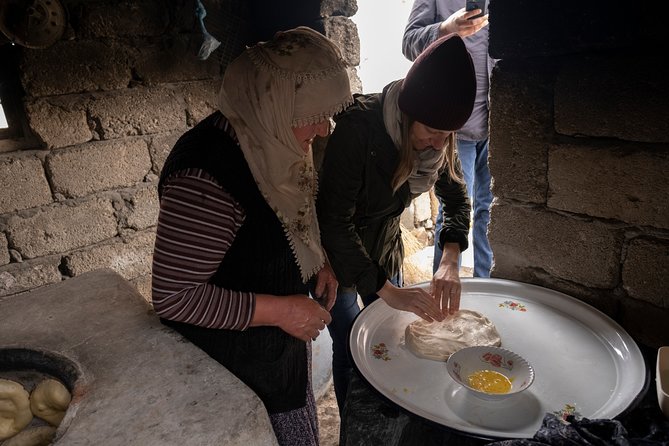
What you can look forward to (based on what’s described) is a mix of learning and doing—things like chopping, stirring, assembling, and preparing multiple courses. Some sessions even include special touches like trying bread made with a tandoor oven, which feels very Cappadocia because it’s tied to real local cooking methods.
Here’s the balanced truth: you might not always cook every single step completely on your own. One review noted a setup where ingredients were partly pre-cooked and that the class felt more like helping with a pot than fully running the show. That doesn’t make it bad. It just means expectations matter. If you’re the type who loves learning technique step-by-step, you’ll still benefit, but you’ll probably be doing the hands-on work in a shared, family-style way rather than producing a dish start-to-finish alone.
The upside is exactly that shared setup. It’s less stiff. You can ask why something is seasoned a certain way. You can talk about daily life, modern Turkish living, or even local history and economics—especially when guides like Kadir are in the mix.
Your Menu: The Dishes You’ll Cook and Eat
The sample structure is 3 courses for lunch or dinner. You’ll likely see a menu along these lines:
Starters and Salads
- Seasonal salad
- Purslane salad
- Minced seasonal vegetables salad
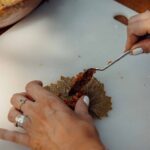
- Stuffed grape wine leaves
Purslane is one of those ingredients that surprises people who think they only know the standard salad lineup. It’s common in Turkish cooking and it tastes fresh and slightly peppery when prepared well. Grape vine leaves are another classic—tender, herby, and often built around a comforting balance of filling and sauce.
Main Courses
- Stewed vegetables
- Meat stew with vegetables
- Turkish ravioli
Stews are practical food in any season. They teach you the logic of flavor: patience, heat control, and building taste through cooking time. The Turkish ravioli piece adds variety—stuffed, portioned, and a clear sign you’re not just eating “home food” that looks basic. It has structure.
Dessert
- Aside (a Cappadocian dessert)
- The dessert described is made from flour, grape molasses, and butter or sunflower oil
Grape molasses is the ingredient that turns this kind of dessert into something you’ll remember. It has that dark, sweet depth—less like plain sugar and more like fruit-syrup comfort. If you like desserts that aren’t overly airy, you’ll probably enjoy this one.
One extra practical note: you’re also given water, black tea, or coffee with the meal. Snacks and beverages are included as well, which keeps you from feeling hungry while you’re switching between shopping and cooking.
Guides and Group Size: Cozy, Not Chaotic
This tour caps at 6 travelers. That small number changes how the class feels. You get more time to ask questions, and hosts can correct what you’re doing without it turning into a production line.
The English support and interpreter setup also matters. You’re not stuck with a phrasebook. You can talk about what you’re cooking, why certain ingredients show up, and how food connects to everyday life.
In the reviews, the guide role shows up in a clear way. People specifically named Kadir for being informative and easy to talk with, and others described hosts and kitchen leaders like Nihat, Özgül, Basa, Feliz, Gül, and Erkan as welcoming, patient, and focused on explanations. That range tells me the experience isn’t one-size-fits-all. It’s dependent on who’s hosting that day, which is usually a good sign for authenticity.
Value and Price: Is $176.61 Fair for Cappadocia?
At $176.61 per person for about 4 hours, you’re paying for several things that add up:
- Door-to-door convenience with hotel pickup and drop-off
- A small-group format (max 6), which is rarely cheap in popular areas
- A 3-course lunch or dinner that you cook and then eat
- Included drinks (water/tea/coffee) and snacks
- An interpreter so you actually understand what’s happening
If you price it like you would locally—transport + guide time + meal—this starts to look more reasonable. It’s not the cheapest way to eat in Cappadocia, but it’s one of the more useful ways, because you leave with cooking know-how and a better feel for how people live and eat.
My only caution on value is this: if you expect to cook independently every minute, you might find some sessions are more guided and shared (some ingredients prepped ahead). That still counts as learning, but it changes the experience from solo “master chef” to family-style participation. Decide what you want to get out of it.
Who Should Book This Cooking Class (and Who Might Skip It)
This is ideal if you want an authentic, local meal and you like hands-on experiences. It’s also a good choice if you’re traveling as a couple or small group and you’d rather have a calm, intimate time than a crowded tour.
It’s especially strong if you enjoy conversation while cooking. A lot of the joy here comes from talking with the host family and guide—about modern life, food choices, and local culture.
You might consider another activity if:
- you want a totally independent, step-by-step cooking class where you do everything start to finish
- you’re mainly looking for food tasting with minimal participation
- you’re not interested in market shopping and ingredient explanations
Diet notes: one review mentioned accommodations for vegetarian and gluten-free needs. That’s a great sign, but it may depend on the host and what they can source. If dietary needs matter to you, ask in advance.
Practical Tips Before You Go
A few small things make this class smoother:
- Come hungry but not rushed. The schedule moves from shopping to cooking to eating fast.
- Ask questions about ingredients. That’s where the experience becomes more than just meal prep.
- Plan for a shared kitchen pace. You’ll be working with others, so expect moments where you’re helping rather than owning every step.
- Bring a mindset for conversation. If a guide like Kadir or your host is chatty (and many are), this becomes half cooking class, half local storytelling.
Also remember: alcoholic beverages are not included and the minimum drinking age is 21. If you drink, plan to buy alcohol separately if it’s offered.
Should You Book This Cappadocia Cooking Class?
Yes, if you want something hands-on, local, and not just another performance meal. The combination of hotel pickup, small group size, and a home-style 3-course lunch or dinner you actually help prepare makes this a high-value way to spend a few hours in Cappadocia.
Book it if your priority is learning how people eat—through shopping, cooking, and conversation. Skip it only if you specifically need a fully independent chef-style experience where every step is yours alone. Otherwise, this is the kind of evening (or lunch) that leaves you with real memories you can bring home, not just photos.
FAQ
What times are the lunch and dinner cooking classes?
Pickup is at 10:00 AM for a lunch class and at 4:00 PM for a dinner class.
Where are you picked up from?
Pickup is available from hotels in Göreme, Avanos, Üçhisar, Ortahisar, Cavuşin, Ürgüp, Mustafapaşa, Ayvalı, and Nevşehir.
What’s included in the class?
It includes 3 courses (lunch or dinner), water/black tea/coffee, snacks and beverages, a local interpreter, and free hotel pickup and drop-off in the listed towns.
Are alcoholic drinks included?
No. Alcoholic beverages are not included.
Is there a minimum age for drinking?
Yes. The minimum drinking age is 21.
How many people are in the group?
The tour has a maximum of 6 travelers.
What is the cancellation policy?
You can cancel for a full refund up to 24 hours in advance of the experience start time. If you cancel less than 24 hours before, the amount paid is not refunded.