REVIEW · ROME
Cesarine: Home Cooking Class & Meal with a Local in Rome
Book on Viator →Operated by Cesarine: Cooking Class · Bookable on Viator
A Roman dinner taught at home. This private cooking class turns Roman food into something you can make yourself, in the kitchen of a local family in Rome. I especially like the chance to cook alongside people who actually live the routine, and the fact that you get wine, water, and espresso with the meal. One thing to consider: it’s inside a private home, so you’ll need to follow the meeting details closely (the exact address isn’t typically shared up front).
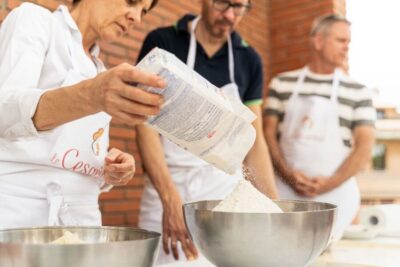
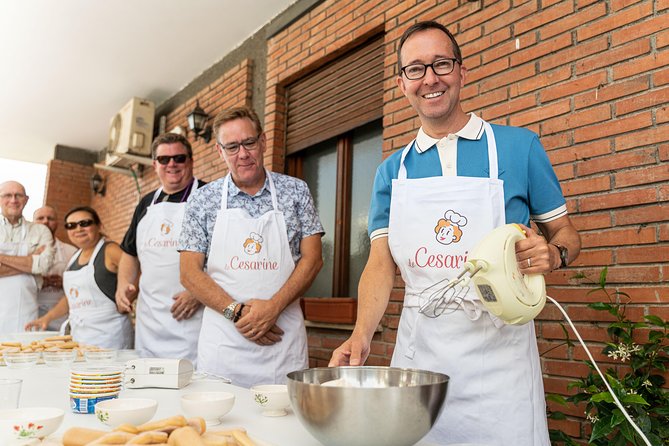
Here’s what makes this experience feel different from a typical class: you’re not just watching recipes. You learn the “how” and “why” behind Roman favorites, then you sit down and eat what you made, often with conversation that turns the time into a proper evening meal. In English and for a small, private group, it’s built for people who want hands-on food training without the big-tour feeling.
In This Review
- Key Things You’ll Notice
- A Private Roman Meal in Someone’s Home Kitchen
- What You’ll Cook: Starter, Fresh Pasta Shapes, and Roman Dessert
- Starter: seasonal and Roman-leaning
- Main: fresh pasta with Roman shapes
- Dessert: classic Roman options
- The Pasta Session: From Rolling Dough to Sauce Choices That Make It Taste Roman
- You’ll work the dough
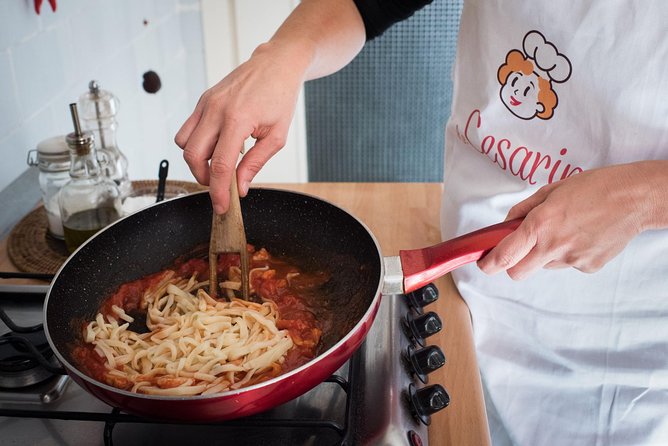
- You’ll see how Roman sauce logic works
- Expect personal attention
- Wine, Water, Espresso, and the Pace of a Real Meal
- How the 3 Hours Usually Flow (So You Don’t Feel Rushed)
- Best way to plan your day
- Price and Value: Why $118.94 Can Make Sense for Rome
- Small Risks to Know Before You Book a Home Kitchen Class
- Who This Cesarine Class Is Best For
- Should You Book This Cesarine Home Cooking Class in Rome?
- FAQ
- Is this class private?
- How long is the cooking class?
- What language is the class taught in?
- What’s included in the price?
- What dishes can I expect to cook and eat?
- Are service animals allowed?
Key Things You’ll Notice
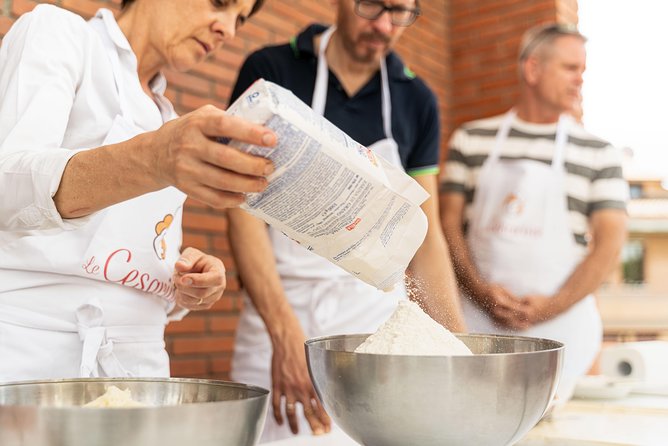
- Private, home-kitchen setting with only your group in the space
- Hands-on Roman dishes plus a finished meal you eat together
- Included ingredients and drinks (wine, water, espresso)
- Fresh pasta focus with Roman shapes like rigatoni, bucatini, and gnocchi
- English instruction and casual, friendly learning style
- Real family atmosphere—some hosts you may meet include Giovanna, Maria, and Emma
A Private Roman Meal in Someone’s Home Kitchen
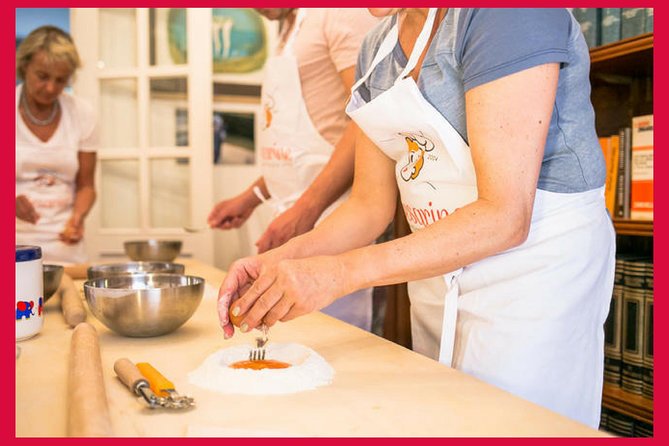
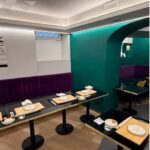
Rome can be great at selling you dinner on a schedule. This is different. You’re stepping into a real home kitchen, not a showroom, and the tone is usually relaxed—like you’re learning from someone who enjoys feeding people.
Because it’s private, you can ask questions without worrying about slowing a group down. That matters for pasta, where small choices—how you roll, how you cut, how you manage texture—make a visible difference. The best part is that you don’t leave with a bundle of notes; you leave with a meal experience you can taste immediately.
This home setting also explains why the experience can feel personal. Reviews mention hosts such as Giovanna, Maria, and Emma, and the common thread is warmth and conversation—food plus life, not just instructions.
One consideration: home addresses can be sensitive for privacy, so you’ll want to check your exact details after booking and plan to arrive on time. If you show up vaguely near the meeting area without the precise guidance, you may waste time.
You can also read our reviews of more tours and experiences in Rome.

What You’ll Cook: Starter, Fresh Pasta Shapes, and Roman Dessert
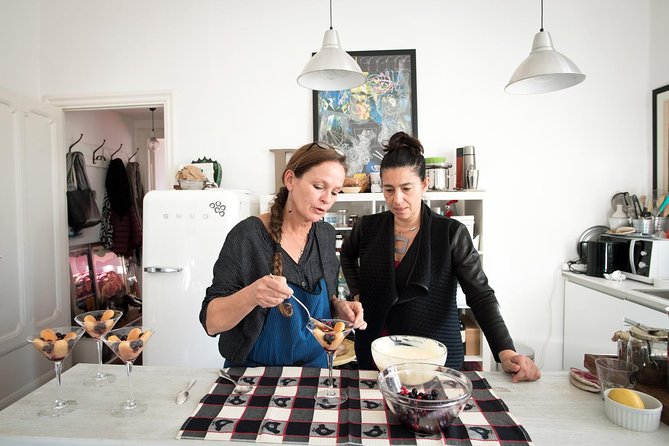
This class is built around a full Roman-style meal, not a snack demonstration. Expect three phases: a seasonal starter, a fresh pasta main, and a Roman dessert.
Starter: seasonal and Roman-leaning
The starter is described as seasonal, which is smart in Italy. It means you’re tasting what a family would reasonably put on the table instead of eating something overly staged for tourists. You’ll learn how the starter fits the meal rhythm, so it’s not random—Roman dining is about flow.
Main: fresh pasta with Roman shapes
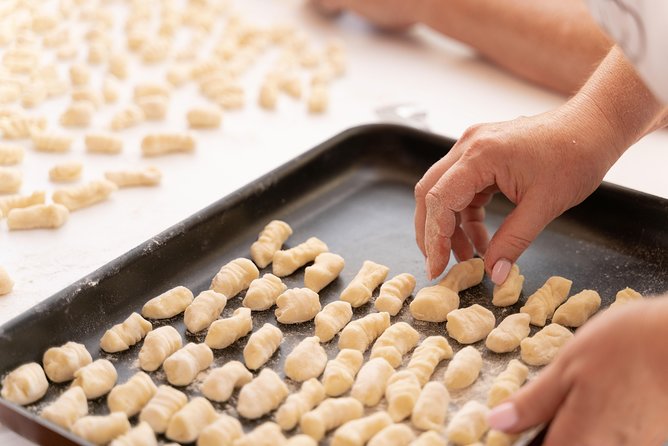
The menu centers on fresh pasta. Depending on the day, you might make shapes like rigatoni, bucatini, or gnocchi. You may also see other handmade pasta types mentioned by hosts in past experiences, such as cavatelli, which points to the same theme: you’re learning technique, not just assembling pre-made food.
That’s the practical win. You’ll likely roll, cut, and shape dough, then learn how to handle it properly so it doesn’t turn gummy or dry.
Dessert: classic Roman options
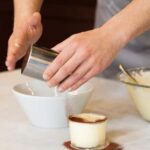
Dessert is Roman and could include things like ricotta and cherry tart or Roman tiramisu. Other options mentioned include chocolate shortbread or similar typical desserts. One review notes that part of tiramisu may be prepared in advance, which is common in kitchens that want you to focus on the hands-on steps while still ending with a full dessert.
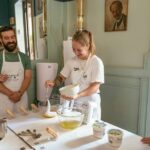


The Pasta Session: From Rolling Dough to Sauce Choices That Make It Taste Roman
Fresh pasta classes can go two ways: you either learn technique, or you learn performance. This one leans hard toward technique.
You’ll work the dough
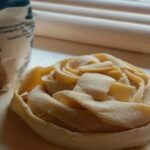
You should expect real hands-on time—rolling and shaping. If you’re the type who learns best by doing (not just watching), you’ll feel in the flow quickly. Several experiences describe the joy of rolling and shaping together, and that’s exactly what you want from a private home class.
You’ll see how Roman sauce logic works
Roman food is often about simplicity with smart choices. One example from a past host’s menu describes a straightforward tomato sauce paired with mozzarella/parmesan. The takeaway isn’t the exact pairing—it’s the idea that sauce should support the pasta shape and the texture you created.
That’s why the class matters even if you don’t cook often. You’ll start thinking like a cook: what you choose affects what the dish tastes like, not just what ingredients you list.
Expect personal attention
With only your group, you can get help that’s specific to what’s happening in your hands. If your dough needs more resting time, or if your shaping is too thick, you can correct it on the spot. That’s the quiet value of a private format: you don’t wait for the instructor to finish with someone else.
Wine, Water, Espresso, and the Pace of a Real Meal
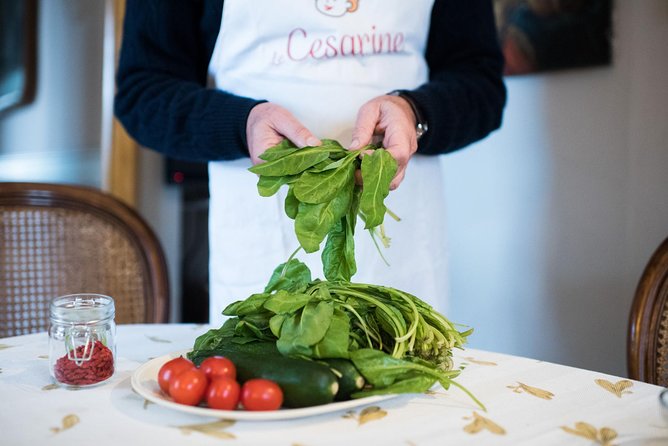
Food classes can feel like school. This one aims for something closer to a Roman dinner at home—without losing the teaching part.
A glass of local wine is included with the meal, and water and espresso come along too. That matters because coffee and wine aren’t just add-ons in Italy; they’re part of the pace, and they make the experience feel complete.
One host experience also mentions starting with coffee before cooking began. Even if your day starts slightly differently, the message is consistent: hospitality comes first, then the kitchen work, then the sit-down meal.
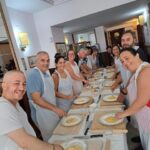
If you love conversation, you’re likely to get it here. Reviews describe discussion with hosts and family members, with wine present during the meal. The best classes don’t just explain recipes; they explain context—how a family thinks about flavors, how they talk about tradition, and what they consider worth doing with patience.
Practical note: if you’re the type who prefers only light alcohol, you can still enjoy the class. Wine is included, but you’re not forced into a drinking contest. The goal is the meal, not the buzz.
How the 3 Hours Usually Flow (So You Don’t Feel Rushed)
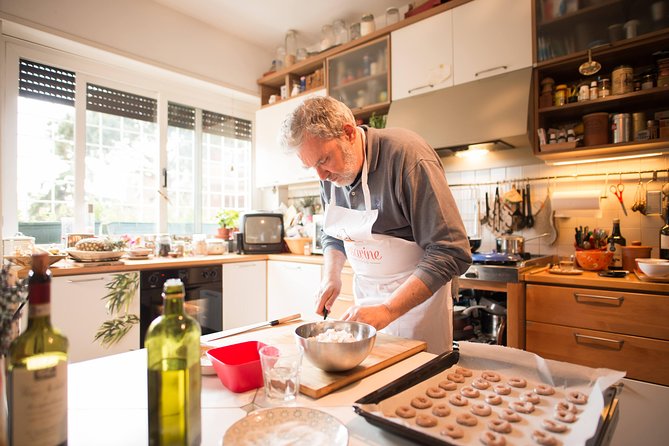
The class runs about 3 hours. That’s a sweet spot in Rome. You get enough time for real cooking without turning your whole day into a kitchen shift.
A typical flow looks like this:
- You meet at the start location in Rome and settle in
- You begin with instruction and prep steps in the kitchen
- You cook together through the pasta and sauce work
- You finish with dessert and sit-down tasting
- The meal ends back at the meeting area
Because it’s private, the schedule can flex slightly based on how fast your group cooks and how much time you spend chatting. That’s not a bad thing. In a home kitchen, the “timing” is human, not industrial.
Best way to plan your day
I’d treat this like a dinner anchor. If you’re touring hard in the afternoon, leave enough time to arrive, wash up, and get comfortable. Rome can be chaotic on foot, and you’ll enjoy the class more if you’re not arriving out of breath and stressed.
Also, choose a day when you won’t be running to a late show right afterward. You’ll want that final sit-down moment.
Price and Value: Why $118.94 Can Make Sense for Rome
$118.94 sounds like a splurge until you look at what’s included and what you’re actually buying.
You’re paying for:
- A private class (so it’s not shared with strangers)
- A real home kitchen experience
- Ingredients for the meal
- Drinks: wine, water, espresso
- Instruction in English
- A full meal you can eat after cooking
In other words, you’re not just paying for labor; you’re paying for a package. In Rome, that kind of structured hosting can be hard to replicate unless you’re willing to book multiple experiences (food lesson plus meal out plus drinks).
The value gets even better if you’re the type who enjoys cooking. If you’ll actually use what you learn—how to shape, how to think about sauce, how to finish a dessert properly—this turns into more than a one-night meal.
One more detail: the class is often booked weeks in advance (on average, about 77 days). That’s a clue it’s popular and tends to sell out, especially around peak travel times. If you have a food-focused trip plan, book sooner rather than later.
Small Risks to Know Before You Book a Home Kitchen Class
This experience is mostly smooth, but you should go in with realistic expectations.
1) It’s a private home. That’s the charm, and it’s also why you need to follow your meeting details carefully. If you rely on casual directions without the specific info from your confirmation, you could end up at the wrong entrance.
2) It depends on host coordination. One past issue involved not meeting the host and not receiving a refund. I can’t predict how your day will go, but it’s a reminder to keep your phone handy, double-check the exact meeting area details, and avoid arriving late.
3) You might not get an exact dish lineup every time. The menu is provided as a sample, with options like rigatoni/bucatini/gnocchi and desserts such as ricotta-and-cherry tart or Roman tiramisu. That flexibility is normal for seasonal ingredients and home cooking, so don’t treat it like a rigid menu at a restaurant.
The upside is that these “risks” are usually small. When the class runs well, it becomes one of those Rome memories that feels personal rather than checklist-like.
Who This Cesarine Class Is Best For
This fits best if you:
- Love Roman food and want to cook it at home
- Prefer a private experience over a large group class
- Want instruction in English without feeling lost
- Enjoy learning technique—especially fresh pasta shapes
- Want a memorable meal that includes wine, espresso, and homemade dishes
You might choose something else if you want:
- A totally hands-off food experience (this is actively cooking)
- A strict, factory-style schedule with zero conversation or flexibility
- A location that’s easy to find without following home-based meeting instructions carefully
Should You Book This Cesarine Home Cooking Class in Rome?
If you want a Rome experience that feels like food culture, not just food tourism, I’d book it. The combination of private instruction, fresh pasta technique, and a full meal in a real home kitchen is exactly the kind of value that works well on a short trip.
Do it especially if pasta is your thing, or if you want to bring something back you can actually make later. Just be disciplined about meeting details, since this is inside someone’s home.
If your travel style favors warm hosts, hands-on cooking, and a sit-down meal you helped create, this is one of the best ways to spend a few hours in Rome.
FAQ
Is this class private?
Yes. This is a private tour/activity, and only your group participates.
How long is the cooking class?
It’s about 3 hours (approx.).
What language is the class taught in?
The experience is offered in English.
What’s included in the price?
Ingredients for the meal are included, along with wine, water, and espresso.
What dishes can I expect to cook and eat?
You’ll have a seasonal starter, then fresh pasta (with examples like rigatoni, bucatini, or gnocchi), and a Roman dessert (examples include ricotta and cherry tart or Roman tiramisu).
Are service animals allowed?
Yes, service animals are allowed.