REVIEW · HANOI
Hanoi: Maya Traditional Cooking Class & Market Tour
Book on GetYourGuide →Operated by Crossing Vietnam Tour · Bookable on GetYourGuide
Market shopping first makes Hanoi make sense. You get a Yen Thai market walk to learn ingredients and swaps, then a step-by-step cooking class where you make classic dishes like Nem Ran (fried spring rolls) plus Pho Cuon (pho rolls) and Pho Tron (mixed pho). If Ca Phe Trung (egg coffee) sounds like a dare, this is your chance to learn it the Vietnamese way, not just order it.
One thing to plan around: for afternoon sessions, the market stop may not run every day since local markets often operate in the morning. If you’re flexible, a morning slot usually gives you the full flow.
In This Review
- Why This Hanoi Cooking Class Feels Worth It
- Yen Thai Market: Where Ingredients (and Substitutes) Make Sense
- Meet at Crossing Vietnam Tour and Step Into a Small-Group Kitchen
- Hands-On Cooking: Nem Ran, Pho Cuon, and Pho Tron One Technique at a Time
- Nem Ran (Fried Spring Rolls): the roll-and-flip skill
- Pho Cuon (Pho Rolls): texture and timing matter
- Pho Tron (Mixed Pho): learn the mix, then the logic
- What makes the teaching work
- Papaya Salad in Hanoi Style: Sour-Sweet Balance You Can Taste
- Ca Phe Trung Egg Coffee and Local Wine Tasting: the Hanoi Aftertaste
- Price and Time: What You Really Get for $22
- Who This Class Is Best For (and Who Might Want Something Else)
- Should You Book Maya Traditional Cooking Class & Market Tour in Hanoi?
- FAQ
- Where is the meeting point?
- What dishes and drinks are included?
- Is the market tour part of the experience?
- How long does the cooking class last?
- How large is the group, and what languages are used?
- Is local wine tasting included?
- Is hotel pickup and drop-off included?
- What if I book an afternoon session?
Why This Hanoi Cooking Class Feels Worth It
- Yen Thai market focus: You’re not just window-shopping. You learn what you’re buying and why certain ingredients can be swapped.
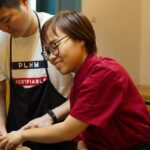
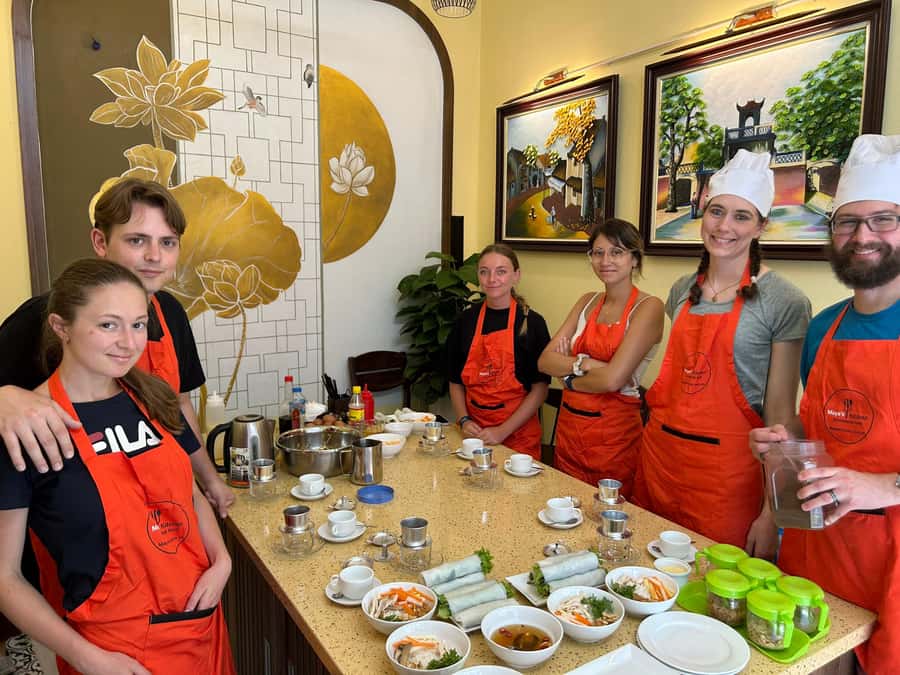
- Small groups (up to 10): It’s laid-back but hands-on. You’ll be involved, not stuck watching.
- Four classics plus egg coffee: Spring rolls, papaya salad, pho rolls, mixed pho, and Ca Phe Trung all in one session.
- Real cooking guidance: Instructors teach in English and Vietnamese and walk you through techniques as you go.
- You eat what you make: The meal is part of the experience, with seasonal fruit dessert.
- Local wine tasting included: It adds a Hanoi touch beyond cooking and coffee.
Yen Thai Market: Where Ingredients (and Substitutes) Make Sense
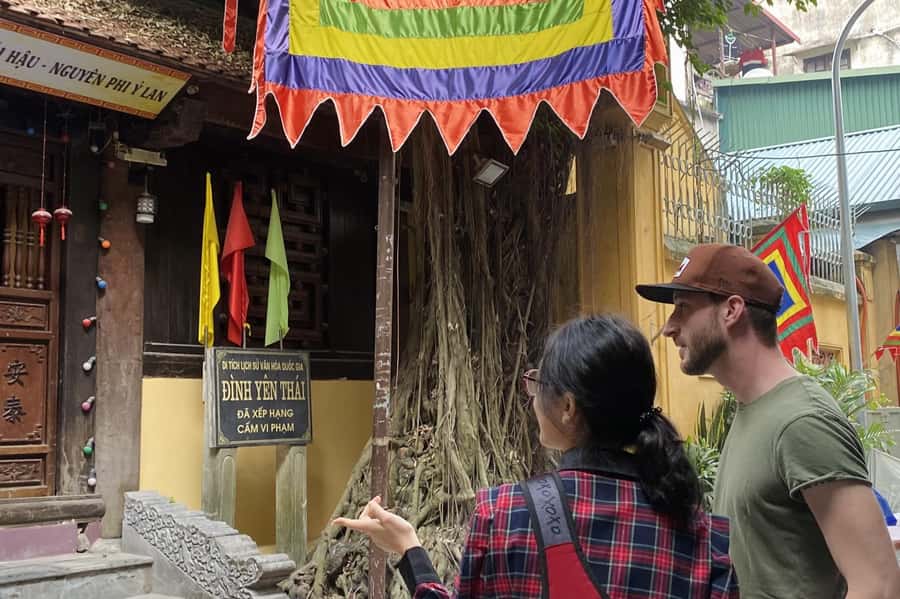
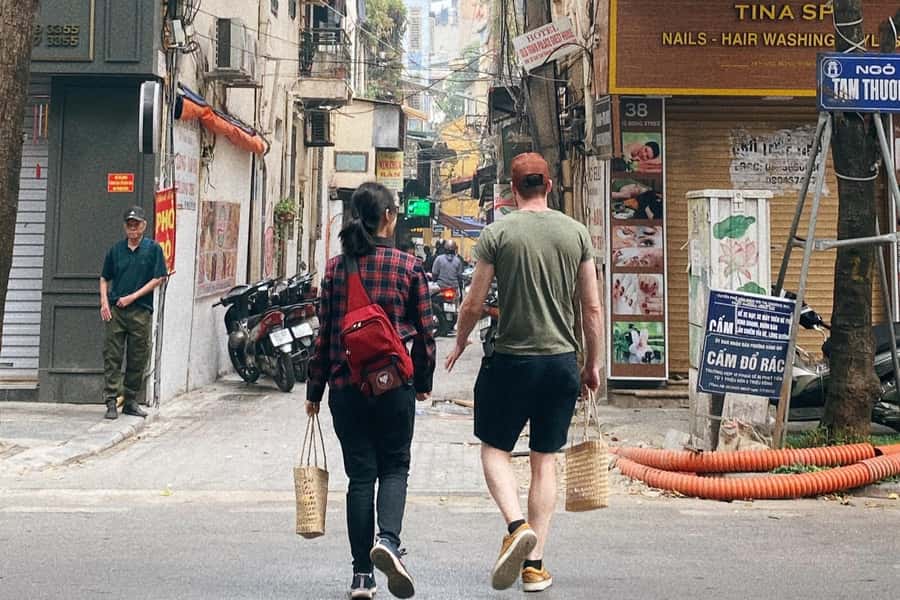
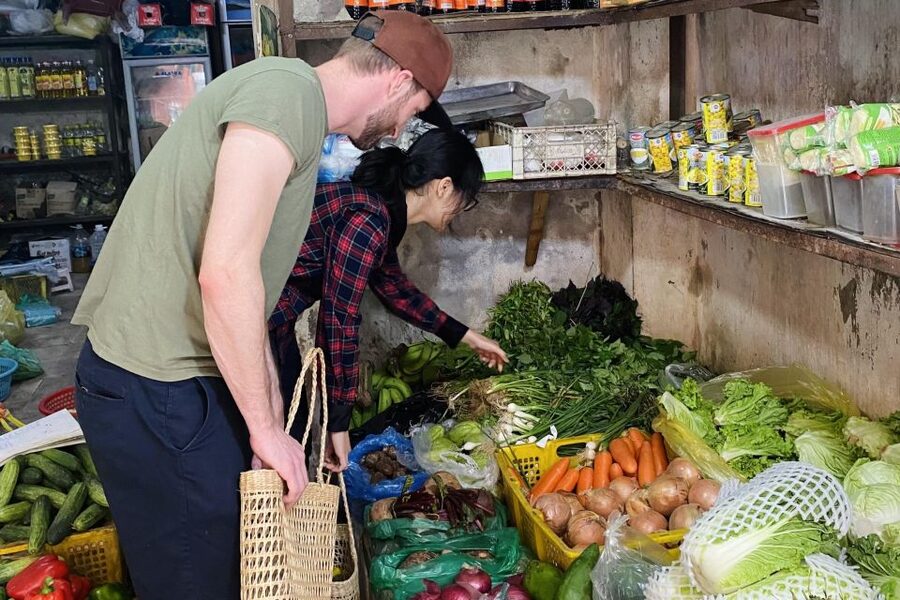
The experience begins at the Yen Thai market, a nearby local market where you can feel day-to-day Hanoi life. The point isn’t to cram facts into your head. It’s to see ingredients fresh, then connect them to the flavors you’ll cook later.
You’ll get a guided look at what goes into Vietnamese cooking, including how cooks choose or substitute ingredients. That matters because Vietnamese dishes often depend on balance: sour versus sweet, fragrant herbs versus savory basics, and textures that don’t forgive sloppy prep. Seeing produce in the market helps you understand why a dish tastes right even when ingredients differ slightly.
You also get hands-on context for the kind of fruits Vietnam uses. Expect to try fruit and learn what it is and how it fits into local tastes, not just how it looks. This is one reason the class sticks with you: it links the market to the plate.
A practical note: markets usually feel easiest in the morning. If you book an afternoon slot, the market might not be available some days, so keep that in mind.
You can also read our reviews of more tours and experiences in Hanoi.
Meet at Crossing Vietnam Tour and Step Into a Small-Group Kitchen
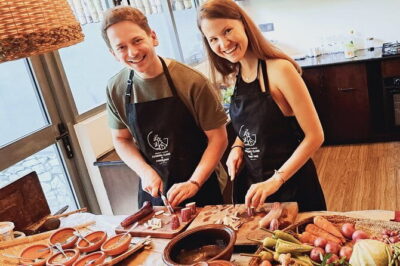
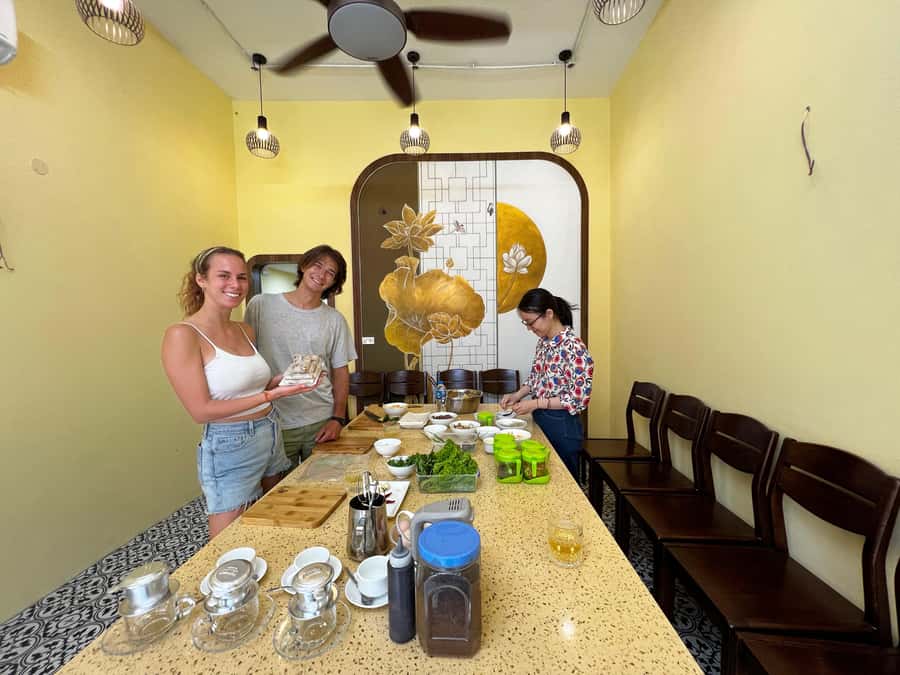
You meet at the Travel agency Crossing Vietnam Tour. From there, you move into the cooking part of the day in a small group limited to 10 participants. That cap is a big deal. It’s what keeps the class from turning into a demo where one person rolls while everyone else watches.
The kitchen setup also matters. Multiple helpers work behind the scenes (think veg prep and dish support), which means your session stays active. You’re not waiting around for every step to start, and you’re less likely to feel lost when a technique gets fiddly.
Cooking is taught by an instructor who speaks English and Vietnamese. In real terms, that means you can ask quick questions without playing charades. Names you might meet include Lee, Devin, Ruby, Iris, and Stephanie, among others, and the class style stays consistent: clear steps, patient guidance, and steady pacing.
One more detail that improves comfort: you’re provided drinking water, and the cooking space is set up for you to work without sweating through the whole class. You’re there to learn, not to suffer.
Hotel pickup and drop-off isn’t included, so plan your own ride to the meeting point.
Hands-On Cooking: Nem Ran, Pho Cuon, and Pho Tron One Technique at a Time
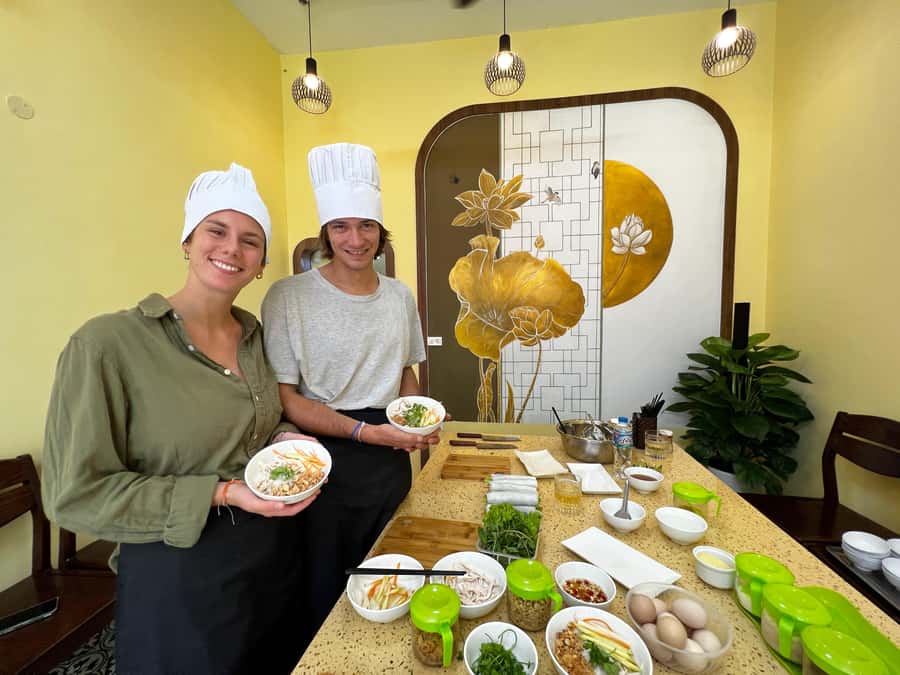
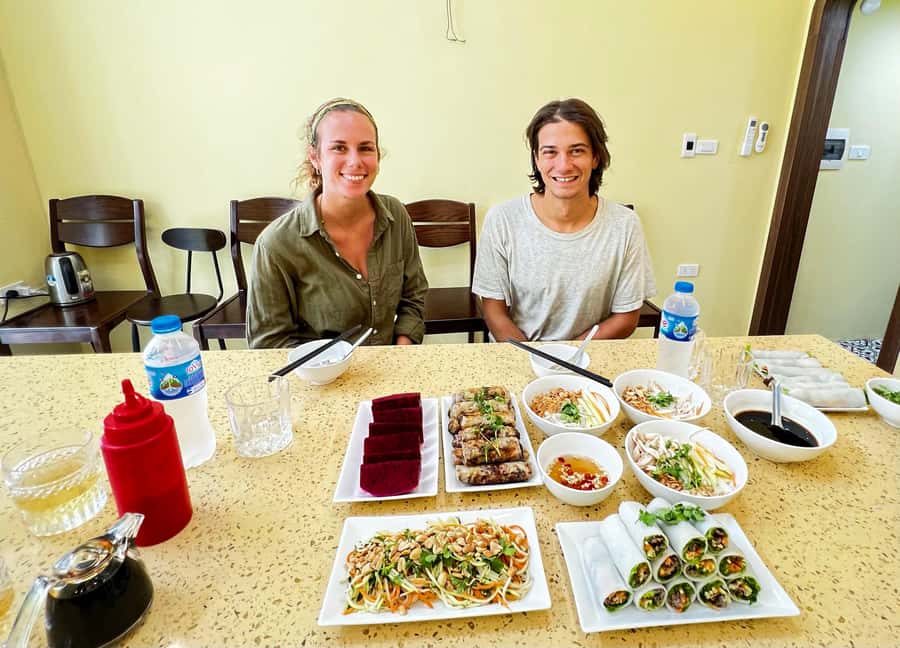
After the market, you head into cooking mode. Your instructor shows you how to make four classic Vietnamese dishes, and you follow along step by step. You’ll also get recipe guidance, so you’re not leaving with only memories and vague flavor descriptions.
Nem Ran (Fried Spring Rolls): the roll-and-flip skill
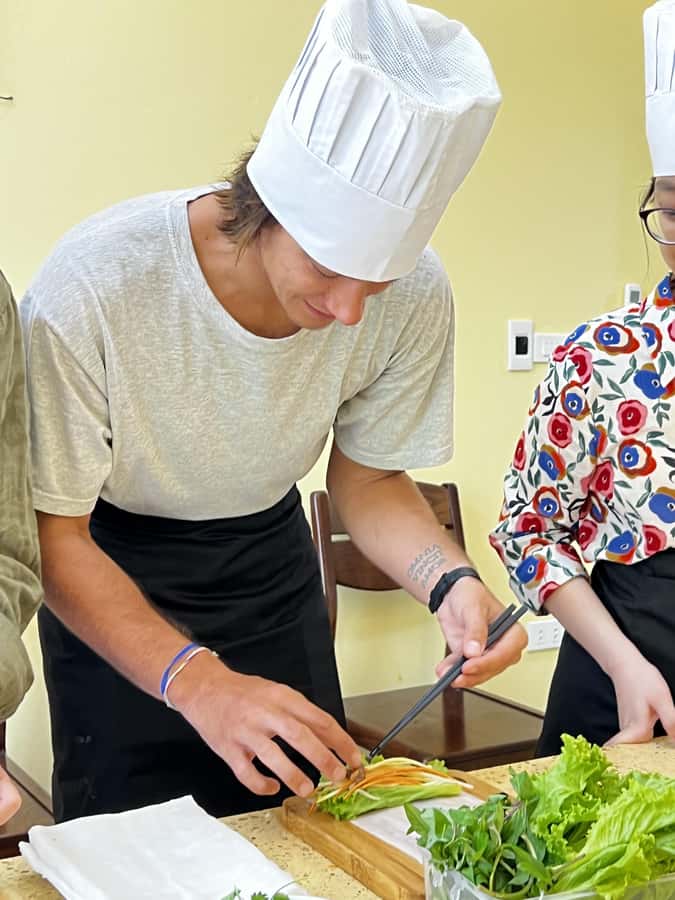
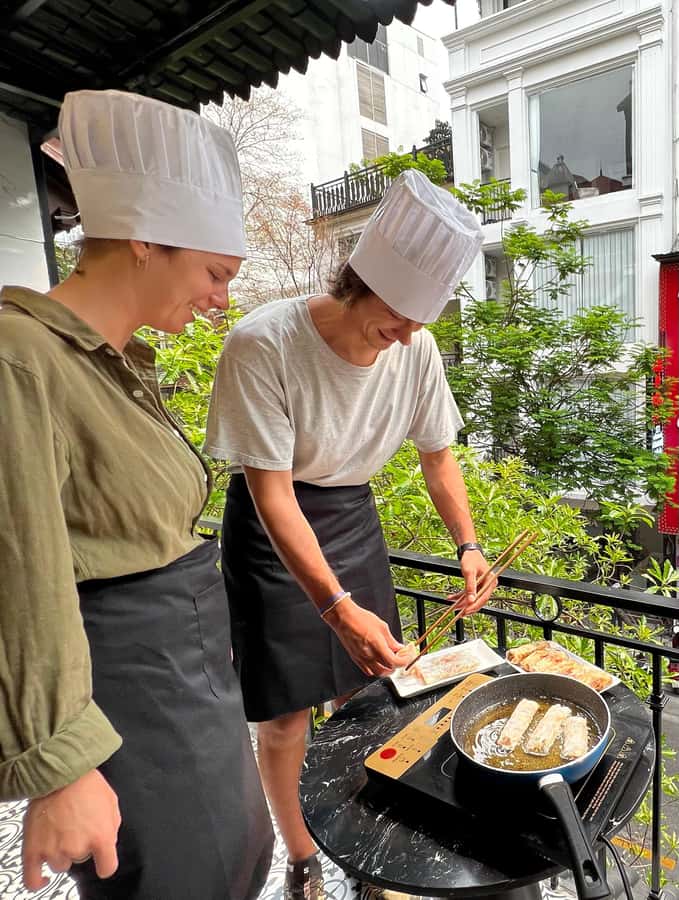
You start with Nem Ran, fried spring rolls. This one takes hand control more than cookbook knowledge. The class frames it as a holiday and gathering favorite, which is a nice reminder: this is comfort food done with care.
You’ll learn how to roll in a way that stays even and holds together when it hits the frying stage. If you’ve ever had spring rolls fall apart, you understand why the technique matters. Here, you’re practicing the fundamentals: filling amount, wrap tension, and sealing.
Pho Cuon (Pho Rolls): texture and timing matter
Next come Pho Cuon, pho rolls. These are lighter and more delicate than spring rolls, and they reward patience. The class approach keeps things manageable by teaching you what to prep first so you can assemble without rushing.
The big takeaway you’ll bring home is how Vietnamese dishes juggle textures. This isn’t just flavor. It’s chew, softness, and freshness working together.

Pho Tron (Mixed Pho): learn the mix, then the logic
You’ll also make Pho Tron, mixed pho. Mixed pho can feel intimidating if you only know pho as one broth-and-noodles template. Here, you get the wider Vietnamese idea: mixing flavors and components so every bite shifts a little.
The value is not just learning the recipe. It’s understanding that Vietnamese “pho” style can be flexible in its build, and that the mix is where the balance lives.
What makes the teaching work
Across all four dishes, the class is structured so you’re doing the work while learning the why. You’ll get cooking tips as you go, which helps you correct small mistakes early. That turns the class into a real skill-building session, not a one-time performance.
If you like learning by doing, this format is a win. If you prefer purely observational cooking travel, you might find it a bit fast-paced because you’re hands-on from the start.
Papaya Salad in Hanoi Style: Sour-Sweet Balance You Can Taste
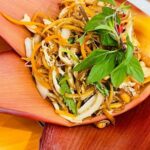
Then you move to Nom Du Du, papaya salad. This dish is all about contrast. The main flavors are sour and sweet, and you learn how Vietnamese cooks build that balance rather than relying on one dominant taste.
This is one of those recipes where the market visit pays off. When you know what kind of ingredients you’re using and how they behave, the salad stops feeling mysterious. You also get the sense of how Vietnamese cuisine treats freshness as a base layer, not a decoration.
For many people, papaya salad is the first dish that makes the class feel real. You smell it and taste it, then you understand why the earlier steps weren’t just busywork. The class teaches you the flavor logic.
Also, because it’s hands-on, you get a chance to adjust. If your sour is too strong or your sweetness isn’t landing, you can learn how cooks correct it.
Ca Phe Trung Egg Coffee and Local Wine Tasting: the Hanoi Aftertaste
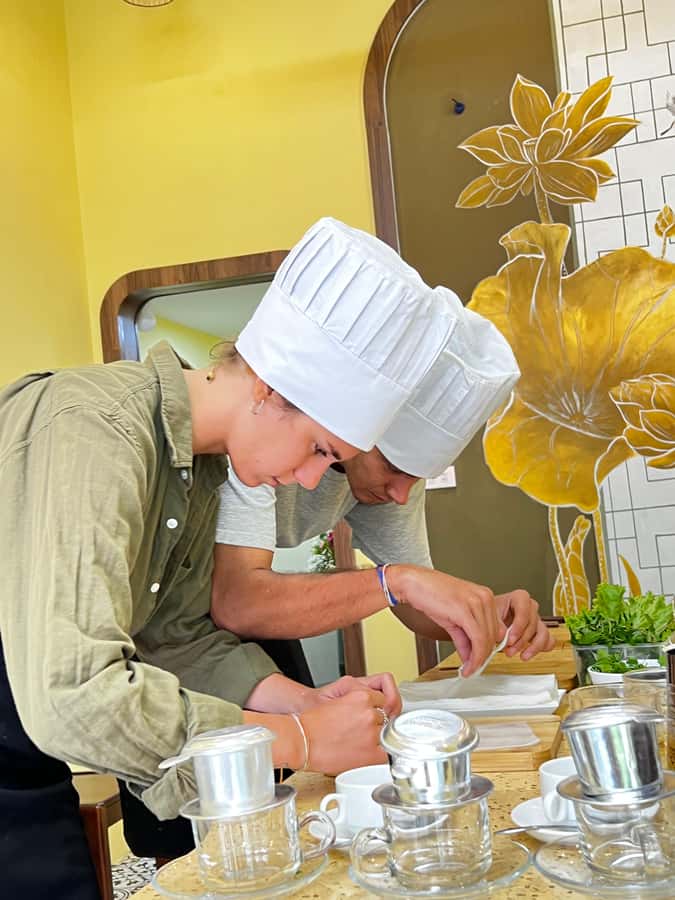
No Hanoi food experience feels complete without Ca Phe Trung, egg coffee. You’ll learn how to make the Vietnamese-style version, which is different from what most people expect if they only know coffee as black or milky.
Egg coffee is often described as creamy with a gentle sweetness and a foamy top. The class gives you the steps, so you understand what creates that texture. Even if you don’t master it at first, you’ll know what to aim for next time you try it.
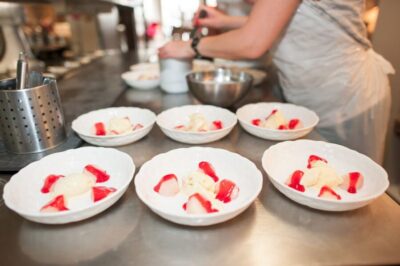
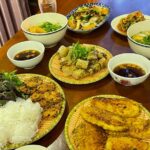
After cooking, you sit down and enjoy everything you made. Seasonal fruits are included for dessert, which is a smart finish after frying and mixing. It keeps the meal from feeling heavy.
You’ll also have local wine tasting included. That’s not a random extra. It’s part of the Vietnamese meal rhythm—small sips, conversation, and a break from the stove. If you don’t drink much alcohol, you can still treat it like a taste test.
One practical detail: you generally eat after the cooking, once the dishes are ready and everyone has finished assembling. Plan your day so you’re not starving before the meal portion.
Price and Time: What You Really Get for $22
At $22 per person for a 3–4 hour experience, the value is strong if you care about ingredients, techniques, and a full meal. You’re not paying only for instruction. You’re also paying for the market tour, the ingredients for the class, all food and drinks, plus seasonal fruit dessert.
It also includes a cooking recipe (helpful if you plan to recreate dishes at home), drinking water, and local wine tasting. Those add up fast if you tried to cobble it together yourself with a private guide and a shopping stop.
The small-group limit to 10 participants helps protect the experience quality. You’re more likely to get personal guidance and to keep your hands moving through the steps.
Time-wise, 3–4 hours is enough to learn real techniques without eating up your whole day. The trade-off is that the market stop won’t feel like a long wandering day. It’s structured, and then you move to cooking.
Who This Class Is Best For (and Who Might Want Something Else)
You’ll love this class if you want a practical, hands-on way to understand Vietnamese food culture. It’s a great choice for food lovers who like learning how flavors are built, not just what to order.
It also fits couples and small groups because the pace stays personal. Some people find the intimate setup especially satisfying when they can ask questions and actually practice each step.
You’ll feel at home here if you’re curious about Vietnamese staples:
- Nem Ran for the holiday-style roll-and-fry skill
- Nom Du Du for sour-sweet tuning
- Pho Cuon for delicate assembly and freshness
- Pho Tron for understanding the mix-and-balance style
- Ca Phe Trung for a Vietnamese twist on coffee
If you’re coming with dietary needs, the class can take adjustments for dietary requirements and allergies when arranged ahead of time. If you have concerns (like nut allergies), tell the organizers so the instructor can guide you safely.
Who might consider a different format: if your priority is long market time or you want to skip hands-on cooking entirely, this is still an active class with multiple dishes. You’ll be cooking from early on, not just sampling.
Should You Book Maya Traditional Cooking Class & Market Tour in Hanoi?
If you want an honest taste of Hanoi food culture with real skills, I’d book it. The combination is efficient: a focused market start, hands-on cooking of four classics, and a satisfying meal with egg coffee and seasonal fruit.
Book if you:
- want to learn techniques you can repeat at home
- like small-group classes with instructor guidance
- care about understanding ingredients, not only eating dishes
Consider choosing a morning session if you can. For afternoon departures, the market might not be available on some days. And since you typically eat at the end of the class, plan around that so the meal feels like the payoff it’s meant to be.
FAQ
Where is the meeting point?
You meet at the Travel agency Crossing Vietnam Tour.
What dishes and drinks are included?
The class includes cooking four dishes: Nem Ran (fried spring rolls), Nom Du Du (papaya salad), Pho Cuon (pho rolls), and Pho Tron (mixed pho). You’ll also make Vietnamese specialty egg coffee (Ca Phe Trung). Seasonal fruits are included for dessert, and the class includes all food and drinks.
Is the market tour part of the experience?
Yes. You visit Yen Thai market as part of the tour.
How long does the cooking class last?
The duration is 3 to 4 hours.
How large is the group, and what languages are used?
It’s a small group limited to 10 participants. The instructor speaks English and Vietnamese.
Is local wine tasting included?
Yes. Local wine tasting is included.
Is hotel pickup and drop-off included?
No. Hotel pickup and drop-off are not included.
What if I book an afternoon session?
Markets may not be available some days during afternoon sessions, since local markets usually happen in the morning.
If you want, tell me your travel dates and whether you prefer morning or afternoon, and I’ll help you pick the most sensible option based on how you want to spend your time in Hanoi.