REVIEW · SOUTH COAST
Cooking Class at La Plantation
Book on Viator →Operated by La Plantation · Bookable on Viator
Cooking with Kampot pepper is a smart move. At La Plantation in South Coast Cambodia, you learn Khmer cooking the hands-on way, starting with an intro to spices grown on-site and ending with lunch made by you.
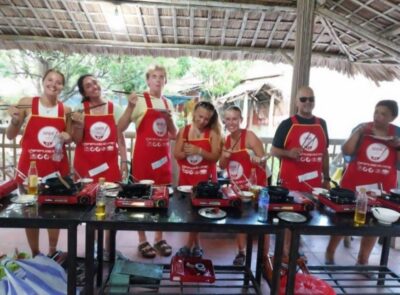
I really like two things here: the small-group feel (max 10), and the way the instruction stays practical so you actually understand what you’re doing, not just watching. One thing to consider is that it’s built around shared teamwork in the kitchen, so if you hate group cooking, you may feel a bit on schedule.
In This Review
- Key highlights at La Plantation cooking class
- From Kampot pepper farm to your cutting board
- The 2-hour Khmer cooking rhythm (what happens when)
- The market and ingredient reality check
- Why the small-group limit makes a difference
- Price and value: is $36 a good deal?
- What to bring, and how to get the most out of the day
- Where pickup fits in (and when to go DIY)
- Who this class is best for
- Should you book La Plantation cooking class?
- FAQ
- Where does the cooking class start?
- How long is the cooking class?
- What is the group size?
- What time does the class begin?
- Is lunch included?
- Is Kampot Pepper ice cream included?
- Will I be able to take recipes home?
- Is pickup from Kampot town available?
- How does cancellation work?
- When do I receive confirmation?
Key highlights at La Plantation cooking class
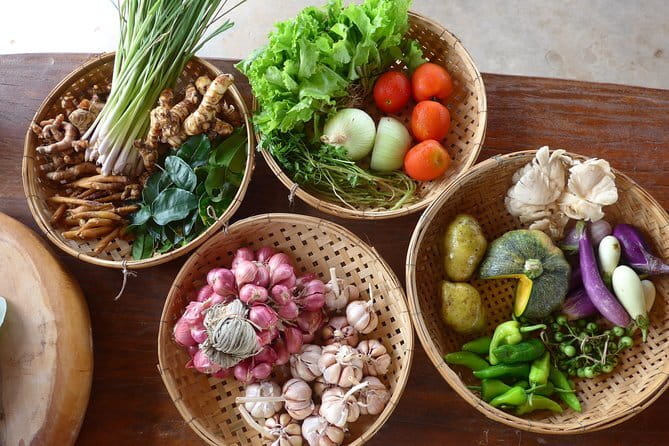
- Pepper farm intro before you cook, so the flavors make sense from the first minute
- Small group size (10 max) for more personal help
- Learn Khmer dishes with clear step-by-step guidance, plus hands-on participation
- Lunch is included and you eat what you create
- Kampot Pepper ice cream included, even if you think you’re already full
From Kampot pepper farm to your cutting board
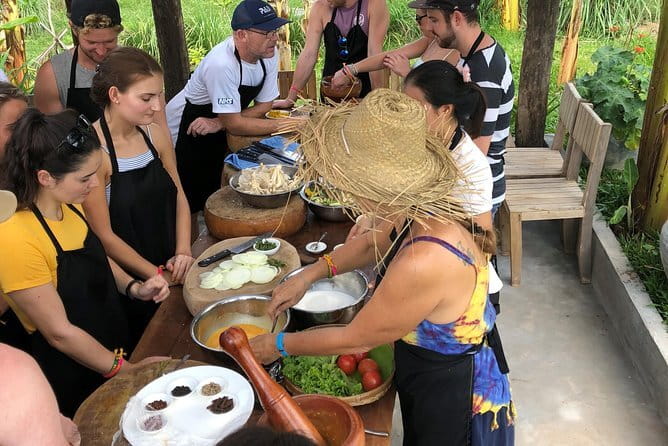
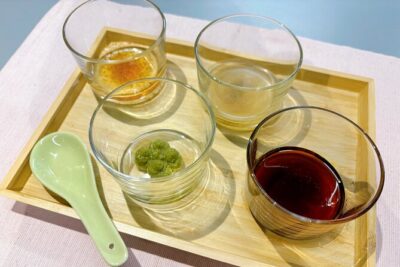
La Plantation is a pepper-focused place in the area around Kampot, so the day has a natural theme: taste, smell, and then cook. You start at the restaurant base on the property, where you get an introduction to the spices grown in their pepper farm. That matters because Kampot pepper isn’t one-note black pepper. You’ll learn why it’s treated like a local treasure and how that shows up in Khmer cooking.
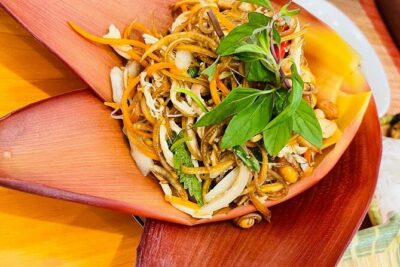
Then you move into the cooking part. This isn’t a sit-and-watch class where you feel like a human spectator. You’re in the mix—chopping, mixing, assembling—guided through traditional Khmer dishes. The goal is confidence. By the time lunch arrives, you’re not just eating food. You’re tasting decisions you made.
The 2-hour Khmer cooking rhythm (what happens when)
The class is listed at about 2 hours long, starting in the morning (10am is shown in the schedule). The experience runs from the meeting point back to the same place, so you’re not dealing with long transfers once you’re there.
Here’s the flow you can expect:
First, you arrive at La Plantation and get a spice intro connected to their pepper-growing. Even if you’ve eaten Cambodian food before, this part helps you connect flavors to real ingredients you’ll see in the kitchen. You’ll learn what to look for and how different spices change the dish.
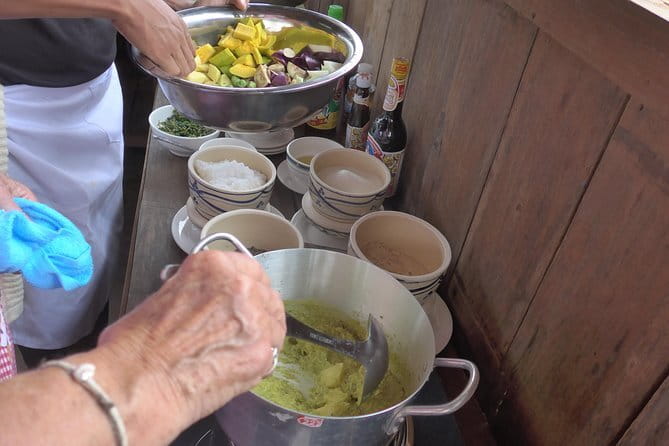
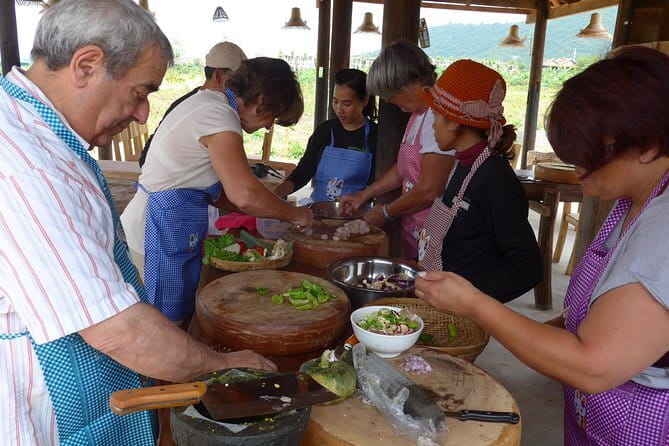
Next comes cooking Khmer dishes with your chef and assistants. You’ll be guided through the steps, and you should plan to be actively involved. Some instruction is group-based, but the work is shared so more than one person gets hands-on time. One practical note: if the group feels busy, they adjust the way tasks are handled so people can keep participating rather than waiting their turn.
Finally, you eat lunch. You’ll enjoy the creations you made, which is the best part because you can tell what worked and what you’d tweak at home. The class also includes Kampot Pepper ice cream, which is a fun, slightly unexpected finish—sweet, but with that pepper character.
The market and ingredient reality check
The experience is described as including a look at a local market with a guide. That’s a big deal, because Khmer cooking isn’t built on a handful of European-style spices. It depends on fresh aromatics and specific ingredient behavior—how things smell when toasted, what happens when ingredients hit heat, and how sour, salty, and spicy balance out.
In practice, the market component helps you understand where ingredients come from and what locals actually prioritize. You also get a vocabulary for ingredients you might not have heard of before. If you’ve ever brought home Cambodian seasoning blends and wondered what to do with them, this market piece is what makes those bottles make sense.
If you’re short on time and worried about how the day is paced, I’d ask the team when you arrive what order the farm intro, market walk, and cooking will follow. The schedule can vary, but the goal stays the same: you connect ingredients to meals, not just learn recipes on paper.
Why the small-group limit makes a difference

With max 10 travelers, La Plantation keeps the class from turning into a factory line. In a bigger class, you can end up doing one repetitive task while someone else handles the real cooking. Here, the format is set up so you get more direct help while you work.
That shows up in the teaching style too. Instruction is described as clear and friendly, with a chef explaining what you’re doing and why. You may also notice the assistant team supporting the details as you go. One guide name that appears in feedback is Ning (spelling may vary), and people specifically mention the quality of the instructions she gives.
It’s the kind of class where you can ask a question and actually get an answer that applies to your pan, not a generic “add salt to taste” shrug. Even if your Khmer cooking skills are brand new, you’re unlikely to feel totally lost.
Price and value: is $36 a good deal?
At $36 per person, this class is priced like a smart meal plus a real skill lesson. You’re not paying mainly for atmosphere. You’re paying for cooking instruction, included lunch, and the pepper-focused experience tied to their farm. Add the included Kampot Pepper ice cream, and it starts looking less like a one-time activity and more like a compact food education.
Is it the cheapest thing you can do in Kampot? Probably not. But cheap isn’t usually what you want with a cooking class. The value here is that you leave with two things: a lunch experience you helped create and enough understanding of Khmer spice logic to cook again later.
Also, since it’s limited to 10 people, you’re paying for the fact that you’re not competing for attention. For many food lovers, that’s where the money actually goes.
What to bring, and how to get the most out of the day

No special gear is required based on the info provided, but you’ll enjoy the class more if you treat it like a hands-on workshop. Come hungry, because you’ll get lunch tied to your cooking, and the pepper tasting and ice cream set you up for food you’ll want to pay attention to.
If you’re the kind of person who likes to cook at home, bring a little notebook habit. The class notes that you can bring recipes home, and having your own notes makes that useful. Write down what you used and what you noticed about each ingredient. Even if the exact ingredient labels differ back home, the method and balance carry over.
One small practical detail from feedback: the team has mentioned toilet improvements were already planned for September. It’s worth knowing if you’re the kind of traveler who plans ahead.
Where pickup fits in (and when to go DIY)
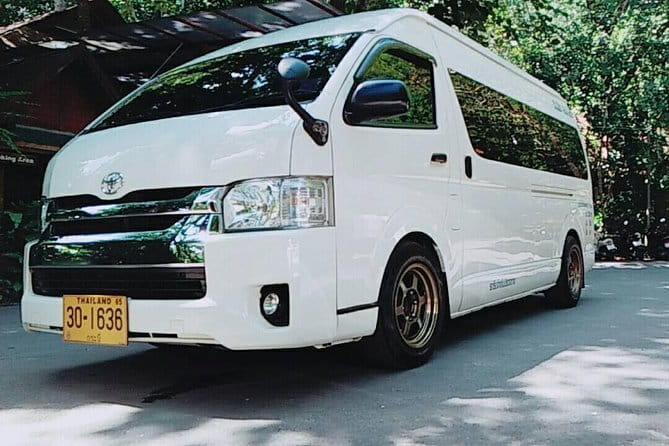
Getting to the plantation is part of the story. The standard meeting point is at La Plantation (Bosjheng village, Kampot). If you’re already in Kampot town, you can keep it simple and handle your own transport to the meeting point.
If you prefer a smoother start, there is optional pickup mentioned in feedback: a ride from Kampot town for an extra $7 per person. That can be worth it if you’re traveling with jet-lag, don’t want to figure out timing, or just want the morning to feel easy.
Either way, once you’re at La Plantation, the schedule stays tight and focused on cooking, eating, and learning.
Who this class is best for
This is a strong match if you want an experience that’s:
- Hands-on rather than sightseeing-from-a-distance
- Focused on Khmer cooking, not just Western-style cooking demos
- Built around Kampot pepper flavors and the local way of treating spices
You’ll also like it if you’re someone who’s tired of touristy food tours that only show you ingredients but don’t teach how to work with them.
If, however, your trip goal is to use every hour for Kampot and nearby Kep sightseeing, this might feel like you’re committing a big chunk of the day to one activity. It’s not a half-measure class—you’re there to cook and eat, so plan your other plans around it.
Should you book La Plantation cooking class?
Book it if you like food that comes with context and you want a real skill you can repeat. The small group, active participation, included lunch, and pepper-themed farm start make this feel like more than a quick stop. Even if you don’t know Khmer cooking right now, the instruction style is built to help you get there.
I’d skip or reconsider only if you strongly prefer solitary experiences or you already have another full-day plan that requires mornings off. Otherwise, this is one of those Kampot activities where the payoff is immediate: you learn, you cook, and you eat the results while the lessons are still fresh.
FAQ
Where does the cooking class start?
It starts at La Plantation at J868+CJ, Bosjheng village, Krong Kampot, Cambodia.
How long is the cooking class?
The duration is about 2 hours (approx.).
What is the group size?
The class has a maximum of 10 travelers.
What time does the class begin?
The schedule lists the cooking class starting at 10am. Your confirmation should reflect the exact session time.
Is lunch included?
Yes. You enjoy what you cook at lunch time.
Is Kampot Pepper ice cream included?
Yes. Kampot Pepper ice cream is included.
Will I be able to take recipes home?
Yes. The experience notes that you can bring recipes at home.
Is pickup from Kampot town available?
Pickup from Kampot town is mentioned as an optional extra for $7 per person.
How does cancellation work?
You can cancel for a full refund if you cancel at least 24 hours before the experience starts.
When do I receive confirmation?
Confirmation is received within 48 hours of booking, subject to availability.