REVIEW · MARRAKESH
Marrakesh: Private Cooking Class & Local Market Shopping
Book on GetYourGuide →Operated by Ateliers d'Ailleurs · Bookable on GetYourGuide
Marrakesh smells like spices for a reason. You get market shopping plus a hands-on lesson that ends with your own tajine at a riad, and I love how the chef ties ingredients to Arabic names you can actually reuse later. One possible drawback: the shopping and total time can feel a bit uneven depending on how the group and interpretation flow, so don’t count on every minute being equally hands-on.
The payoff is practical knowledge, not just a meal. You’ll learn why herbs and spices matter in Moroccan cookery, then apply that while you’re picking produce and aromatics in the souk.
In This Review
- Key Things You’ll Notice (Before You Book)
- Meeting in Djemaa el-Fna: Finding the Right Starting Point
- Shopping the Marrakech Souk: Herbs, Spices, and Ingredient Names You’ll Remember
- What you might hunt for (and why it’s more than a photo stop)
- A practical heads-up about the shopping flow
- Cooking at a Riad: The Tajine Lesson That Ends with Dinner
- What “hands-on” really means here
- Timing note: advertised 4 hours vs. real-world pacing
- Eating Your Tajine: Why This Part Feels Like Morocco, Not a Production
- Recipes Sent After the Workshop: How You Turn a Meal into a Skill
- Languages and the Chef–Interpreter–You Triangle
- Photo Included: Get Memories, Not Just Plates
- Value for $81: What You’re Really Paying For
- Who This Is Best For (And Who Should Think Twice)
- Quick Tips to Get the Most Out of Your Tajine Day
- Should You Book This Marrakesh Cooking Class?
- FAQ
- How long is the Marrakesh private cooking class?
- Where do you meet the guide?
- What language will the guide speak?
- What do you cook and eat?
- Are recipes included?
- Is the group private?
- What is the cancellation policy?
Key Things You’ll Notice (Before You Book)
- Start right at Djemaa el-Fna outside Café France, so the experience feels part of real Marrakech from minute one
- Arabic ingredient names in the souk so you’re not just buying things you can’t identify later
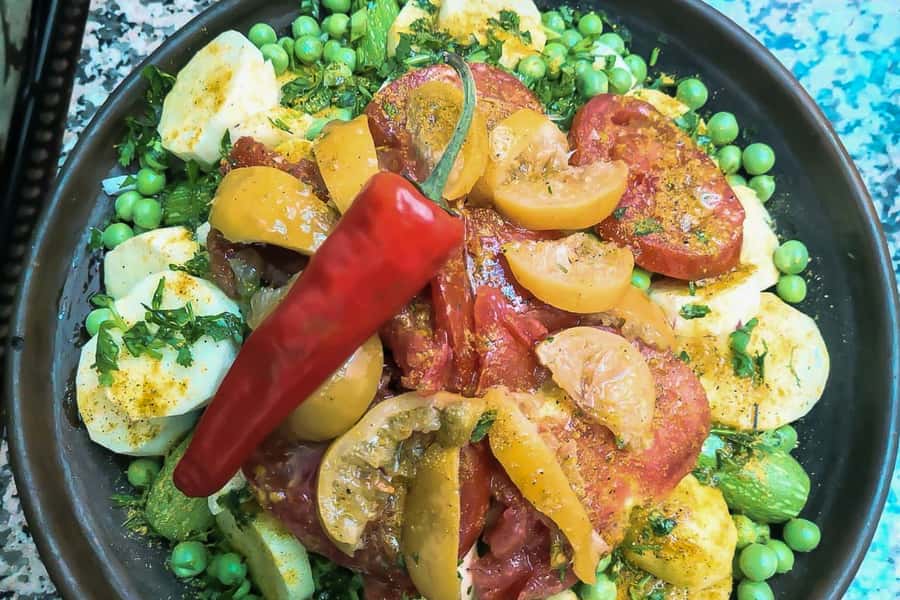
- Chef-led tajine cooking in a riad where you eat what you made, without dragging it out
- Herbs and spices with real context including how valued aromatics are used in Moroccan dishes
- Flexible food needs are possible (including vegetarian requests, when arranged)
- Timing may be tighter than advertised in some cases, with some shopping moments feeling less personalized
Meeting in Djemaa el-Fna: Finding the Right Starting Point
You’ll meet outside Café France at Djemaa el-Fna, in Marrakesh’s central square. It’s a three-storey café; as you enter the square, look to the right-hand side.
This matters because Djemaa el-Fna can be loud, confusing, and full of offers. Starting at a clear landmark helps you get oriented fast, and you’re already in the right neighborhood energy before the first cooking step.
You can also read our reviews of more tours and experiences in Marrakesh.

Shopping the Marrakech Souk: Herbs, Spices, and Ingredient Names You’ll Remember
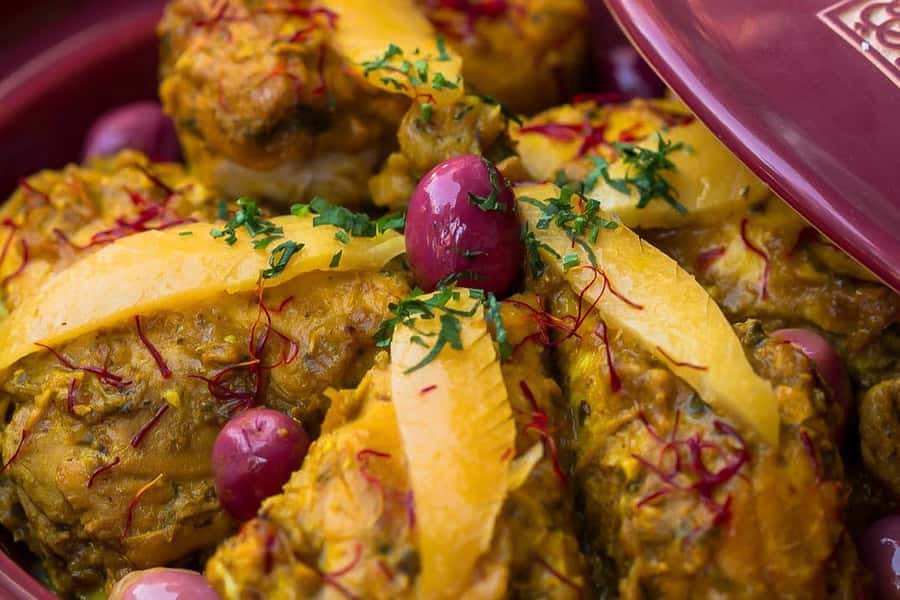
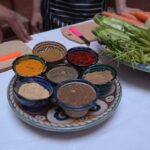
The market part is the heart of the story. You’re not just browsing—you’re shopping with guidance, learning the value of herbs and spices as part of the cuisine, not as a random pile of powders.
You’ll also learn and use Arabic names for common ingredients and spices used in Marrakech. That’s genuinely useful because Moroccan cooking is ingredient-led: once you can name what you bought, you can cook again at home without playing guess-the-spice.
What you might hunt for (and why it’s more than a photo stop)
Based on the program focus, you’ll be looking at typical items that show up again and again in Moroccan cooking, like:
- locally cultivated saffron labeled Taliouine saffron
- mint associated with Meknes mint
- olives from the Meknes area
- citrus such as Fez oranges and lemons
These aren’t just “cool to see.” They give you a sense of why flavor differs across regions and seasons. Moroccan cuisine leans hard on aromatics, and this kind of shopping turns that into something you can taste, not just read about.
A practical heads-up about the shopping flow
One consideration: in some situations, the communication between the chef/instructor and participants can feel indirect when interpretation is involved. If you’re the type who wants to choose specific quality/price/variety on your own terms, you might find the shopping less hands-on than you imagined.
The flip side is that you’ll still learn key ingredient names and get a feel for what matters in Moroccan cookery. Just come with the mindset that it’s a guided learning experience, not a private buyer’s workshop.
Cooking at a Riad: The Tajine Lesson That Ends with Dinner
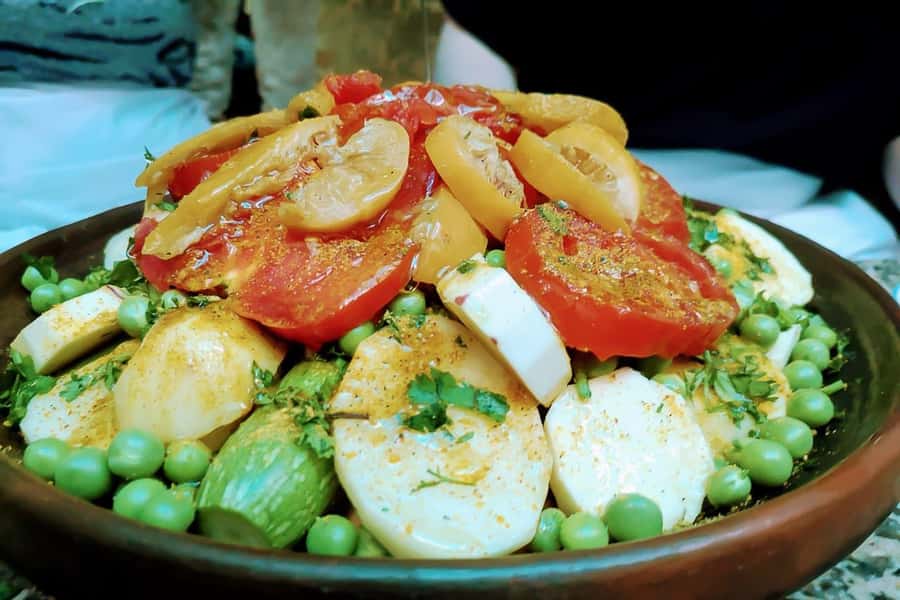
After the market, you head to a charming riad in the heart of Marrakech for the cooking portion. This is where the experience shifts from street-level sensory overload to a calmer, purposeful kitchen moment.
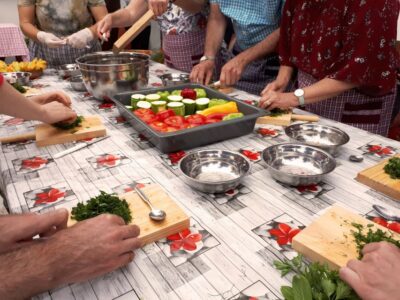
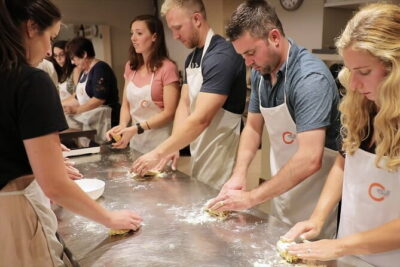
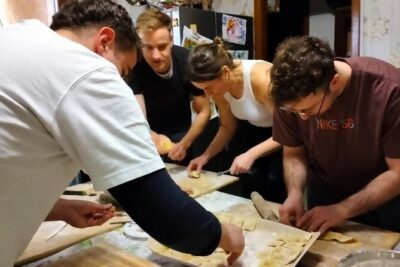
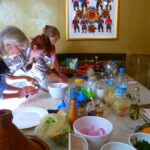
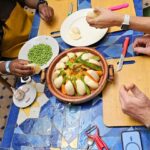
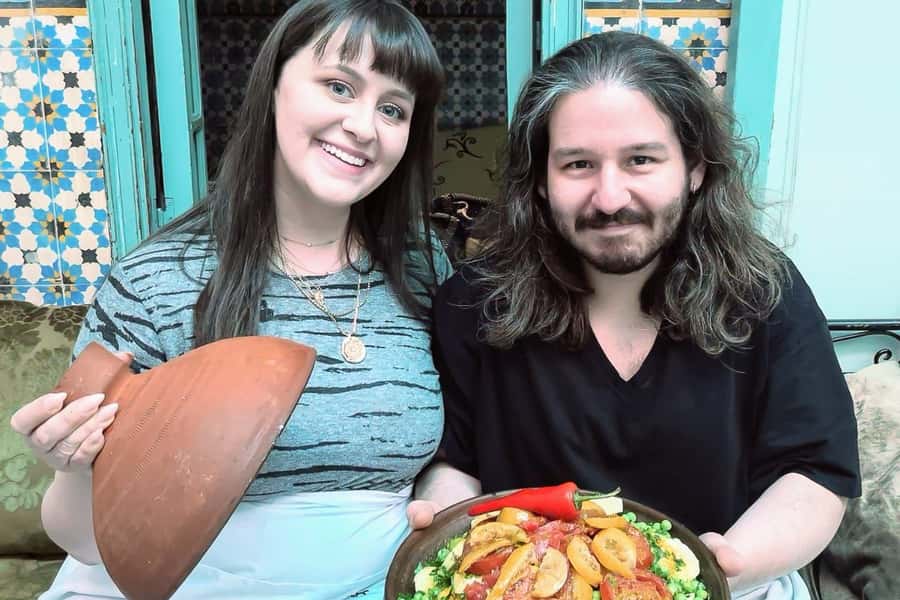
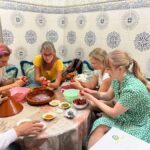
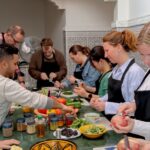
You’ll work with a professional chef, and the workshop centers on preparing a traditional tajine. The class is hands-on, with guidance through the process—so you should expect to actively help rather than just watch someone else cook.

What “hands-on” really means here
You’ll be doing the work, not standing around. In a few cases, the hands-on aspect can depend on group size and how participants rotate tasks, so not everyone may get equal time on every single step.
But if your goal is to learn how Moroccan cooking works at home, that interactive element is the key. You’ll also get practical recipes afterward, sent to you after the workshop, which is how you turn this meal into a repeatable skill.
Timing note: advertised 4 hours vs. real-world pacing
The duration is listed as 4 hours, but some experiences can run shorter in practice. If your schedule is tight—especially if you’re also planning dinner somewhere else—build in buffer time. You’ll still get lunch or dinner included, but plan around possible pacing differences.
Eating Your Tajine: Why This Part Feels Like Morocco, Not a Production
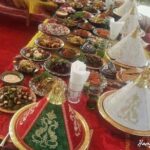
The best part is that you eat what you make. After cooking, you sit down in the riad and enjoy the meal as the natural finishing step.
This is where the tone of the day becomes clear. Some kitchens run relaxed and chatty; others have a clear “now it’s time to focus on eating” moment. In one case, the owner’s presence became more directive once the meal started—so if you like a super casual atmosphere the whole time, just know the dinner portion may feel more structured.
On the bright side, the meal itself tends to land well because you’ve already chosen the ingredients. When you taste it, you can map flavor back to what you picked: mint, citrus, herbs, and spices aren’t abstract anymore.
Recipes Sent After the Workshop: How You Turn a Meal into a Skill
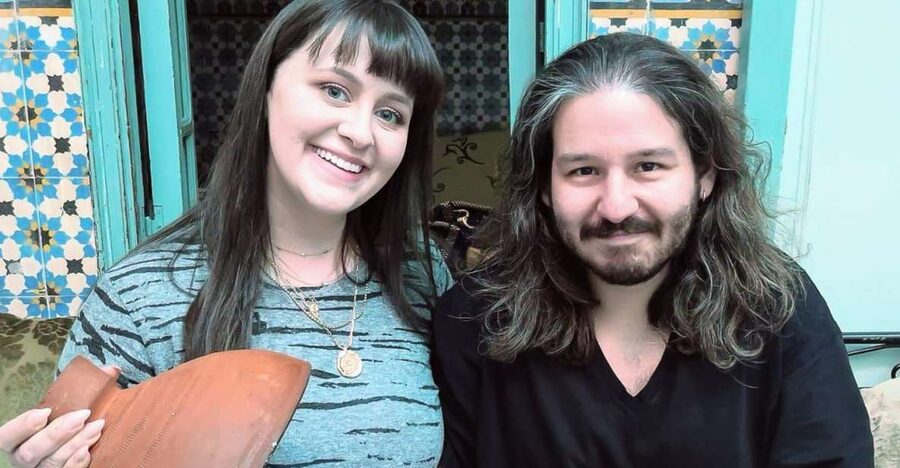
You get recipes sent after the workshop. That matters more than it sounds. Moroccan cooking often hinges on proportions, spice blends, and technique choices that you can’t reliably recreate from memory if you only take notes.
So even if the class time feels a little fast, the recipe follow-up helps you practice later. If you want to impress friends with Moroccan food at home, this is the part that makes the experience worth repeating.
Also, because you learn ingredient names (including in Arabic), you can shop intelligently for substitutions. You’re not stuck with a bag of spices you can’t label.
Languages and the Chef–Interpreter–You Triangle
The guide is available in Arabic, English, or French, and there’s live interpretation built in. In practice, that can be excellent—clear enough to learn and ask questions—especially when the interpreter and chef are working as one team.
Still, if you’re picky about how ingredients should be selected, be aware that interpretation can sometimes slow down decision-making. The most satisfying shopping moments tend to happen when participants can confirm ingredient type and quality in real time.
Photo Included: Get Memories, Not Just Plates
Photography is included. That’s helpful because Moroccan food looks great, and the riad setting also photographs well.
To get the best results, think of photos as documentation for later—especially for the spice jars, ingredient labels, and your plated tajine. When the recipes arrive, those visuals can jog your memory fast.
Value for $81: What You’re Really Paying For
At $81 per person for a 4-hour private experience, you’re paying for three things that usually cost separately:
- a guided market experience (including spice and ingredient education)
- a private chef-led cooking class (with active participation)
- a included meal plus recipe follow-up and photography
If you were to book a cooking class and then separately do a market tour, the combined price often climbs. Here, the market portion directly feeds the cooking, and you leave with recipes you can use again. That’s the real value.
Is it “cheap”? No. But for a private, chef-led, market-to-table setup in central Marrakech, it’s priced in a reasonable range—especially if you care about learning the how, not just eating.
Who This Is Best For (And Who Should Think Twice)
This tour is a strong fit if you:
- want a private cooking experience in Marrakech
- love market culture and want to learn what you’re buying
- care about learning ingredient names and spice logic (including Arabic terms)
- want a meal with a clear link between shopping choices and final flavor
It may be less ideal if you:
- expect every moment of the souk shopping to be fully personalized around your specific preferences
- have a very strict timing window and can’t handle possible schedule compression
- want zero structure during the meal portion (riads can be orderly once eating begins)
Quick Tips to Get the Most Out of Your Tajine Day
- Come hungry, but also ready for sensory input. The market can be intense; take breaks if you need them.
- Ask early about food needs. Vegetarian accommodation has been handled in the past when arranged.
- When you learn Arabic names, repeat them as you shop. That’s how it sticks.
- If you care about quality or price differences, say it upfront so the shopping process can match your style.
Should You Book This Marrakesh Cooking Class?
If you want a Marrakech experience that connects souks to your plate, I’d book it. The combination of chef instruction, Arabic ingredient naming, and eating the tajine you cooked makes it more than a class—it’s a practical taste of how Moroccan cooking works.
If you’re the type who wants total control over ingredient selection and a perfectly timed, equally interactive experience for everyone in your group, keep expectations flexible and ask questions early. With that mindset, you’ll get a day that feels local, useful, and genuinely repeatable later.
FAQ
How long is the Marrakesh private cooking class?
The experience is listed as 4 hours. Starting times depend on availability.
Where do you meet the guide?
You meet outside Café France in Djemaa el-Fna, on the right side of the square as you enter through the main entrance (it’s a three-storey café).
What language will the guide speak?
The tour offers a live guide in Arabic, English, or French.
What do you cook and eat?
You’ll prepare a traditional Moroccan tajine with a professional chef, and you’ll eat the meal afterward. Lunch or dinner is included.
Are recipes included?
Yes. Recipes are sent after the workshop.
Is the group private?
Yes. This is a private group experience.
What is the cancellation policy?
There is free cancellation up to 24 hours in advance for a full refund.