REVIEW · KAMPALA
Cooking Class for Typical Ugandan Food in Kampala
Book on Viator →Operated by Free Guided Walking Tours Kampala. · Bookable on Viator
Kampala’s best souvenir might be dinner you cook. This small-group workshop in Nansana teaches typical Ugandan food step by step, from peeling produce to sitting down for a shared meal. I love how Gertrude makes the class feel like visiting her home, and I also like that you learn hands-on skills you can redo later. One thing to consider: it’s only about 4 hours, so you’ll move fast and won’t get to explore every dish in the country.
You’ll prep ingredients like cassava, yams, pumpkin, and plantains, and you’ll learn how local plants are used in everyday life, including banana leaves. Then you’ll cook vegetarian staple dishes such as matooke and enjoy what you made while chatting with your hosts. The drawback? It’s purely vegetarian, so if you’re hoping for meat dishes, this won’t match your expectations.
The vibe is simple and welcoming. You’re capped at 10 participants, the pace is friendly, and the food comes at the end of the work—not hours later or as a vague snack. With a little planning for transport and timing, it’s a very solid way to taste Kampala beyond the usual restaurant routine.
In This Review
- Key highlights in plain terms
- Meet Gertrude in Nansana: the home setup that makes this work
- Your ingredients: cassava, yams, pumpkin, plantains, and banana leaves
- Matooke and vegetarian staples: skills you’ll actually repeat
- Inside the 4-hour rhythm: peel, process, cook, then eat
- Small group of 10: why the class stays friendly
- Price and value: what $32 gets you in Kampala
- Getting there from Kampala: timing, comfort, and meeting point reality
- Who should book (and who might skip it)
- Book it or skip it: my practical verdict
- FAQ
- How long is the Ugandan cooking class in Kampala?
- Where does the cooking class start?
- How many people are in the class?
- Is the food vegetarian?
- What kinds of ingredients will I handle?
- Do I get to eat the meal I help cook?
- What dishes will we learn to make?
- How much does it cost?
- What if the weather is bad?
- Is there a cancellation deadline for refunds?
Key highlights in plain terms
- Max 10 people keeps it personal, not chaotic.
- Vegetarian, from scratch: peel, process, cook, then eat.
- You learn local plant use, including banana leaves.
- Matooke and plant-based staples with real cooking instruction.
- A sit-down meal right after your prep work.
Meet Gertrude in Nansana: the home setup that makes this work
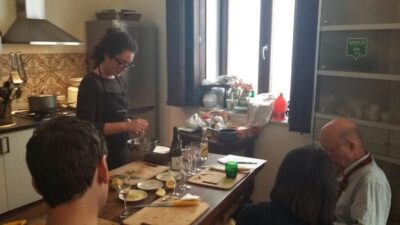
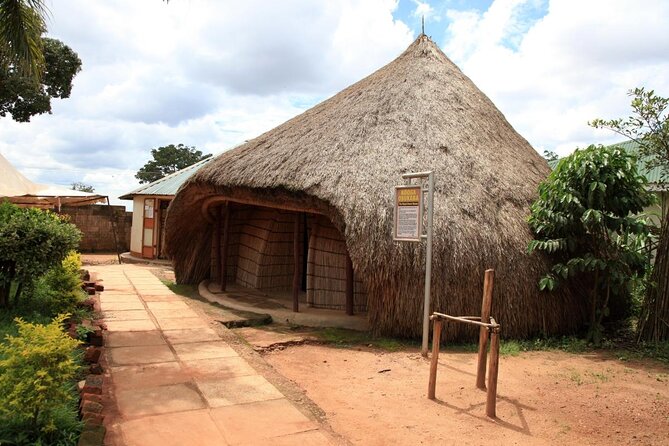
This class is hosted at a home base in Nansana, starting at Steve Residence, Little Muheji School Rd. That matters because you’re not standing in a commercial kitchen copying recipes from a screen. You’re in a family setting where cooking skills are tied to daily life.
Gertrude is the heart of it. The way the class is described, she’s sweet, communicative, and focused on making sure you actually understand what you’re doing. You may even get a bit of conversation that goes beyond food, like learning about Kampala in a friendly, human way while you settle in.
I also like that the hosts are not treating this as a transaction. People describe being welcomed as if visiting a friend, and that emotional tone makes the whole experience feel lighter. It can help if you’re nervous about cooking in a new style or you’re unsure what ingredients will look like when they’re whole.
One more nice perk: the views from the place are said to be amazing, so you get at least a few photo moments while food is cooking. In a city where you might otherwise just move from point A to point B, a homey setting with a view helps you slow down.
Your ingredients: cassava, yams, pumpkin, plantains, and banana leaves
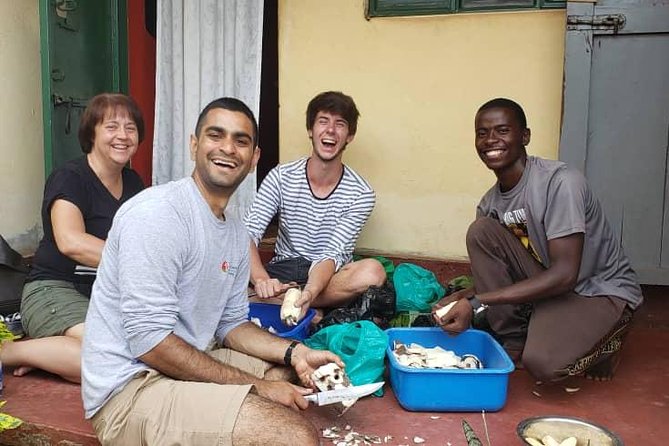
The class starts with real prep. You’ll peel and slice local produce like cassava, yams, pumpkin, and plantains. That’s not just for fun. Learning how these foods look, feel, and handle is a big part of why you’ll be able to recreate the experience later.
You’ll also spend time with the “why” behind everyday ingredients. One of the most praised parts is learning about native plants used in daily life, including banana leaves. You’re not just tasting the final dish; you’re learning the practical techniques people use in the kitchen every day.
This matters for two reasons. First, cooking Ugandan food involves ingredients that can feel unfamiliar if you’re shopping in a different country. Getting hands-on with prep techniques gives you confidence. Second, banana leaves and other plant-based methods can be hard to guess from photos alone. Seeing and using them in context is the kind of detail you rarely get in a standard meal.
If you’re the type who likes to understand ingredients rather than just copy a recipe, you’ll feel right at home here. Bring curiosity, not perfection. You’ll likely make a few small mistakes while peeling or cutting, and that’s part of the process.
Matooke and vegetarian staples: skills you’ll actually repeat
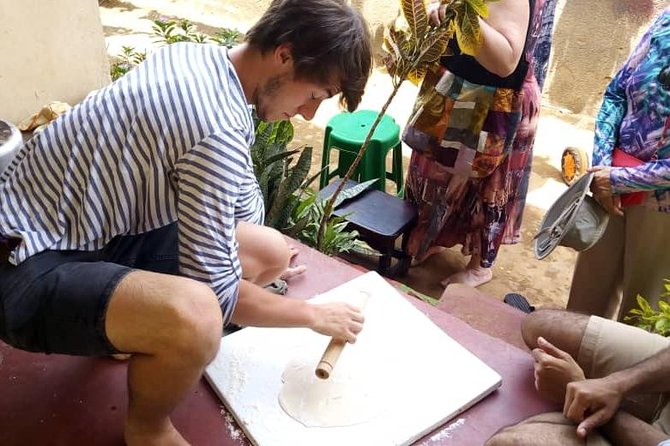
The workshop focuses on typical Ugandan dishes using a purely vegetarian approach. You’ll assemble vegetarian staples such as matooke, along with other traditional dishes built around local produce. The goal is straightforward: you learn enough technique that you can recreate the flavors later at home.
A standout flavor described in the class is a G-Nut Sauce. That’s one of those sauces that can turn a simple plate of cooked vegetables into something you remember. When a class includes a sauce like this, it usually means you’ll learn seasoning and balancing basics, not just chopping.
Here’s the value angle for you: recipes on paper can be vague. Cooking instruction in a real kitchen gives you the “texture answers.” You’ll see how ingredients change as they cook, and you’ll get feedback as you go. That’s what makes a meal class more than entertainment.
Also, the class isn’t just about cooking the food—it’s about eating it together. The sit-down meal is part of the lesson. You get to judge what worked and what didn’t in a relaxed way, which is much more useful than rushing through prep and never tasting your own results.
If you’re a vegetarian already, you’ll likely appreciate the focus. If you’re not, you might still come away surprised at how satisfying plant-based Ugandan cooking can be when it’s made with care and taught clearly.
Inside the 4-hour rhythm: peel, process, cook, then eat
This is a half-day class, about 4 hours from start to finish. That length is perfect for busy schedules in Kampala. You get enough time to do meaningful prep work without committing to a full-day excursion.
While the exact dish sequence can vary, the flow is consistent:
- Start with getting oriented and preparing ingredients.
- Peel and slice cassava, yams, pumpkin, and plantains.
- Learn how the vegetables and staples are cooked, including plant-based methods tied to local ingredients.
- Finish with a sit-down meal of what you helped prepare.
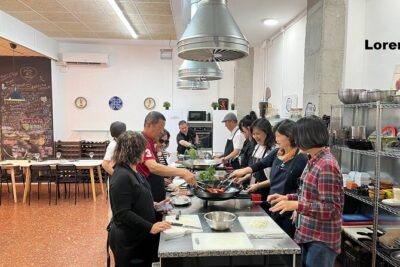
In practical terms, you should expect wet, hands-on work early. If you’re someone who hates mess, come ready with the right mindset: this is food you make with your hands. Also, plan to move at the pace of a family kitchen. It’s not a classroom that runs like a stopwatch.
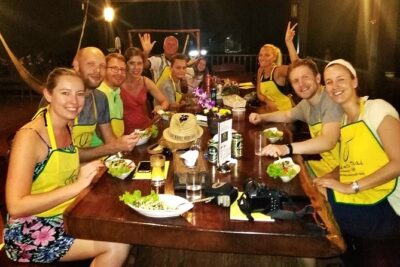
The reward comes near the end. Once you cook and sit down, you get to enjoy the full plate in a calm setting. That’s where the class earns its keep. You’re not just learning steps—you’re eating the outcome with the people who taught you.
One more thing I like: you may have time for conversation during the process. People describe chatting, dancing, and sharing stories as part of the experience. That doesn’t mean you’ll always be performing; it means the hosts treat the class like a cultural exchange, not a chore.
Small group of 10: why the class stays friendly
Workshops are capped at 10 participants, and that’s a big deal. In a class of this size, you’re more likely to get direct attention while you’re peeling or mixing. You can ask questions without waiting your turn forever, and you’re less likely to feel like a nameless body in an apron.
It also changes the energy. Instead of awkwardness, you tend to get a shared “we’re doing this together” feeling. That’s reinforced by the host’s approach—Gertrude is described as wonderful, sweet, and welcoming. When the leader is relaxed and engaged, the group usually follows.
If you want a hands-on experience where you can actually learn, this group size helps you. If you’re the type who enjoys cooking socially—learning from others while you work—you’ll probably have a good time here.
And yes, the small group format also fits the “value for money” side. At $32, you’re paying for a guided home-style lesson with time and attention. A larger group would reduce the personal coaching; the cap is how the class keeps its quality.
Price and value: what $32 gets you in Kampala
The price is $32.00 per person for about 4 hours. On paper, that’s not the cheapest meal in town. In reality, you’re paying for something most restaurants don’t offer: a guided cooking lesson where you do the work and then eat it.
You also get structure. Many food experiences stop at tasting. Here, you’re peeling, processing, cooking, and learning techniques along the way. That adds real value, especially if you want to bring Kampala food skills back to your own kitchen.
Another value point: the class is designed for small groups and a home-hosted setting. That combination usually costs more than a generic tour because there’s more coordination and more personal teaching. The fact that it’s still $32 is part of why so many people recommend it.
Booking-wise, it’s typically reserved about 8 days in advance on average. If you have fixed dates, plan ahead rather than assuming you can walk in last minute.
Getting there from Kampala: timing, comfort, and meeting point reality
Your class starts at Steve Residence, Little Muheji School Rd, Nansana, Uganda, and it ends back at the meeting point. That means your day is simpler: you don’t need to hop across multiple neighborhoods to finish the activity.
The experience also notes it’s near public transportation. That’s useful because Kampala traffic can be unpredictable, and having an option that doesn’t rely on private rides can help keep your schedule sane.
Weather matters. The activity requires good weather, so if conditions are poor, you’ll be offered another date or a full refund. Practically, it’s smart to keep your calendar flexible that day, especially if you’re traveling during a rainy season.
Bring basic comfort items you’ll want for hands-on prep: something you don’t mind getting a little messy, and water for after the class. The instruction is the main event, but you’ll feel better if you come ready to work with your hands for a few hours.
Who should book (and who might skip it)
You should book if you want:
- a vegetarian-focused cooking lesson
- hands-on time peeling and preparing local ingredients
- a guided experience that feels like a real home, not a staged demonstration
You might skip it if you’re mainly looking for a long sightseeing day, because this is concentrated around cooking and eating within roughly 4 hours. You also might not be the best fit if you want meat-based Ugandan dishes, since the workshop is described as purely vegetarian.
This class is ideal for couples, friends, or solo travelers who like small groups. It’s also a good option if you’ve already done walking tours and you want the next step: learning how food is made, not just where people eat.
And if you care about practical cultural details—like why banana leaves show up in everyday cooking—this is the kind of lesson that sticks with you.
Book it or skip it: my practical verdict
I’d book this if your priority is learning Ugandan cooking from the inside. The biggest wins are the hands-on prep with ingredients like cassava, yams, pumpkin, and plantains, and the warm teaching style centered on Gertrude and her home setup. You finish with a sit-down meal that you helped create, including standout local flavors like G-Nut Sauce.
Skip it only if you need a meat-focused menu or you don’t want a hands-on food workshop. Otherwise, for $32 and a half-day time window, this is a high-value way to taste Kampala culture through real technique.
If you can, try to lock in your date about a week ahead. Then show up ready to work a little, learn a lot, and leave with more than photos—you’ll leave with cooking steps you can repeat.
FAQ
How long is the Ugandan cooking class in Kampala?
It lasts about 4 hours (approx.), from the start location to returning back to the same meeting point.
Where does the cooking class start?
The meeting point is Steve Residence, Little Muheji School Rd, Nansana, Uganda.
How many people are in the class?
The workshop is capped at a maximum of 10 travelers, keeping the group size small.
Is the food vegetarian?
Yes. The class is described as purely vegetarian, and the meal is based on traditional plant-based recipes.
What kinds of ingredients will I handle?
You peel and slice local produce such as cassava, yams, pumpkin, and plantains during the workshop.
Do I get to eat the meal I help cook?
Yes. After the cooking and preparation, you sit down and enjoy a tasty meal based on what you prepared.
What dishes will we learn to make?
The workshop includes vegetarian staple dishes such as matooke, along with other traditional dishes prepared during the class.
How much does it cost?
The price is $32.00 per person.
What if the weather is bad?
The experience requires good weather. If it’s canceled due to poor weather, you’ll be offered a different date or a full refund.
Is there a cancellation deadline for refunds?
Yes. You can cancel up to 24 hours in advance for a full refund. Canceling less than 24 hours before the start time does not receive a refund.