REVIEW · PORTO
Porto: Pastel de Nata Cooking Class with Porto Wine (Lapa)
Book on Viator →Bookable on Viator
Custard dreams, made in Porto. This workshop is interesting because you’ll make Pastéis de Nata step by step, with a Port wine break and a real recipe you can use later. I love the hands-on, turn-taking format that keeps the group busy and the pace easy to follow. I also like that you focus on the most important parts you can’t fake at home: the custard filling and the baking. One possible drawback: the puff pastry is pre-prepared, so if you’re hoping to learn dough-making from scratch, you may feel a bit limited.
You’ll meet at Domus Arte 2, right near Sé do Porto, in a cozy space that’s set up for working at the station, not just watching. Classes run in English, last about 1.5 hours, and cap at 15 people, which helps the instructor keep an eye on what’s going into each tray.
In This Review
- Key highlights you’ll care about
- Enter Domus Arte 2: where the class really starts
- Pastel de Nata basics: what you’re actually learning
- A step-by-step workshop where you actually participate
- What you eat during the class (and why it helps)
- Port wine and coffee: a small add-on that makes the session feel Portuguese
- The history chat: short, useful context
- Who teaches you, and what that means for your results
- The cozy workspace: why the room matters for learning
- Bringing home your own batch: recipe plus a transport box
- Price and value: what $42.17 really buys you
- Best day-and-time strategy in Porto
- Who should book this cooking class
- Should you book Porto Pastel de Nata with Porto Wine (Lapa)?
- FAQ
- How long is the Pastel de Nata cooking class?
- Where do I meet for the class?
- Is the class offered in English?
- What do we actually make during the workshop?
- Can I take the Pastéis de Nata home?
- Is the class limited in group size?
- What drinks and snacks are included?
- What if I need flexibility with booking?
Key highlights you’ll care about
- Hands-on custard and baking focus so you’re not just assembling from a template
- Port wine plus coffee and snacks in a relaxed workshop setting
- Cozy, well-equipped workspace with a clear step-by-step rhythm
- Take-home support: you get a transport box and a house-made recipe
- Small group size (max 15) for better pacing and questions
- Instructors with real pastry credibility (you may meet hosts such as Teresa, Filipe, Ana, or Anita)
Enter Domus Arte 2: where the class really starts
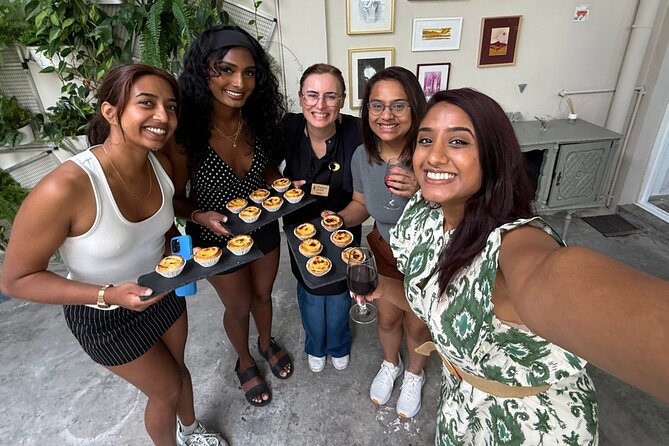
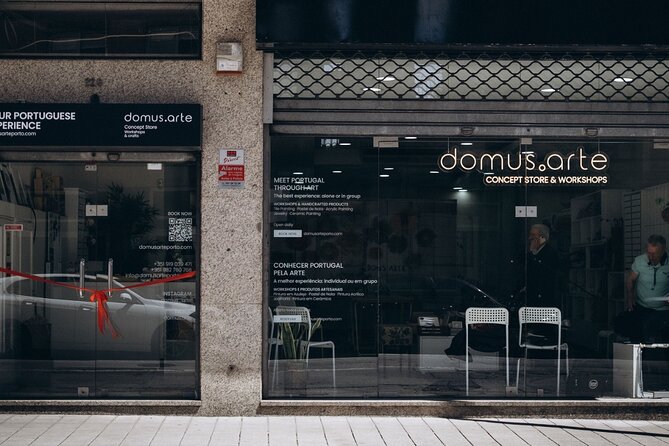
This class begins at Domus Arte 2, a concept store on Rua de Antero de Quental (Concept StoreR. de Antero de Quental 228, 4050-052 Porto). The area is convenient because it’s near Sé do Porto, so you can pair the workshop with a walk through the historic center afterward. It also sits close to public transportation, which matters in a city where you might otherwise spend your energy on steps and trams instead of pastries.
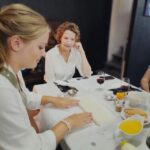
Inside, the vibe is part kitchen, part shop. You’re not dealing with a giant cooking school that feels like a factory. The setup is meant for people to actively work—rolling up sleeves, measuring, filling, and baking—while the instructor keeps everything organized.
The class time is about 1 hour 30 minutes. That’s long enough to learn the process and eat what you bake while still not eating your whole day. For me, that timing is a sweet spot in Porto: you can still do sights before or after without feeling rushed.
You can also read our reviews of more tours and experiences in Porto.
Pastel de Nata basics: what you’re actually learning
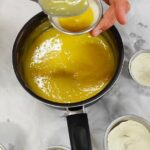
This workshop is centered on the two stages that make the Pastel de Nata what it is: the custard filling and the baking.
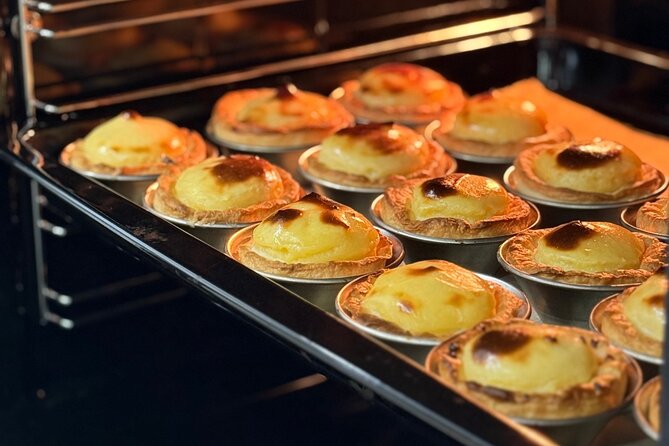
Here’s the key detail: the puff pastry is pre-prepared. That means you won’t spend the whole session making dough, resting it, and rolling it out. Instead, you get something more practical for most home cooks: the process that’s hardest to get right once you’re away from Portugal. You’ll work with the filling and learn the approach to baking so you can aim for that classic set custard and the browned top.
You’ll also get a house-made recipe, which is a big deal. Many food experiences give you a general guide. This one gives you a usable starting point, so you can actually recreate the pastries rather than just remembering how they tasted.
A step-by-step workshop where you actually participate
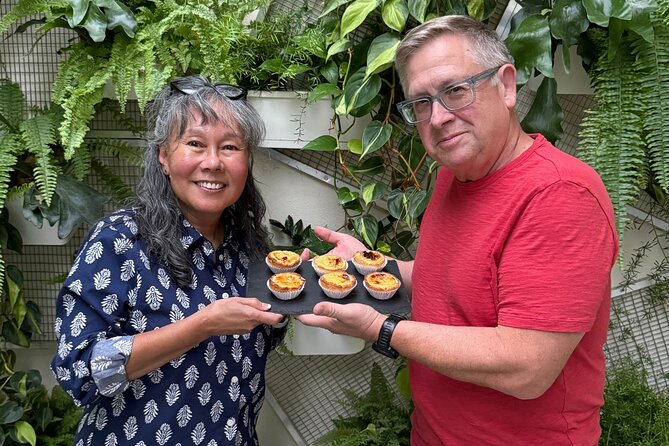
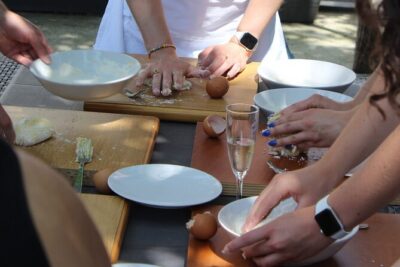
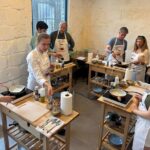
The format is hands-on and built around shared participation. During the session, participants take turns joining the steps under the instructor’s guidance. You’ll follow a clear sequence, and the group rotates through tasks so everyone gets time at the station.
That turn-taking approach is smart for a class like this. It keeps the pace from stalling while one person waits to try the next step, and it prevents the common problem of paying for a hands-on class where you mainly watch.
You can also ask about a private workshop option if you want full individual participation across every stage. That’s not included automatically, but it’s great to know because Pastel de Nata is the kind of recipe where people often want repetition to nail their own technique.
What you eat during the class (and why it helps)
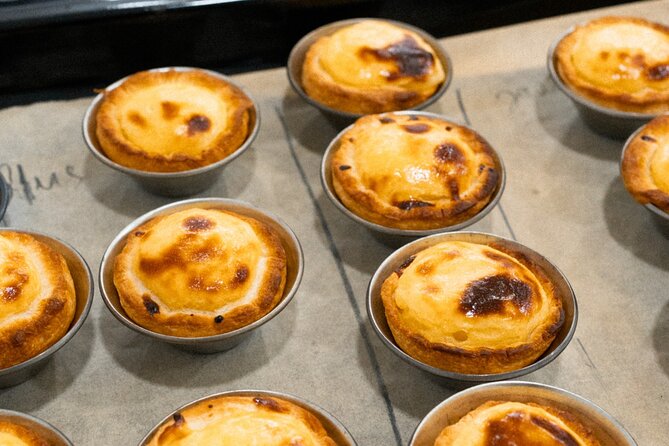
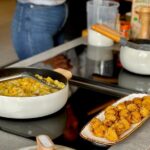
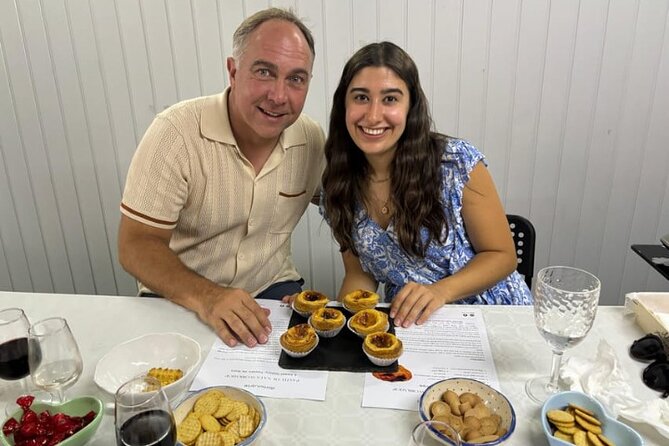
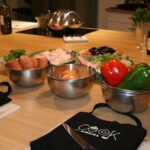
This isn’t just bake, taste, and leave. Along the way, the workshop includes Port wine, juice, water, coffee, and a selection of sweet and savory snacks. The food setup turns the session into a true break, not just a classroom exercise.
You’ll also make several Pastéis de Nata. You can enjoy them on site while they’re fresh, and you can take more away in a transport box included with the class. That takes the pressure off when you’re planning your day. If you’re doing this before dinner, you can already think about a snack later.
Port wine and coffee: a small add-on that makes the session feel Portuguese
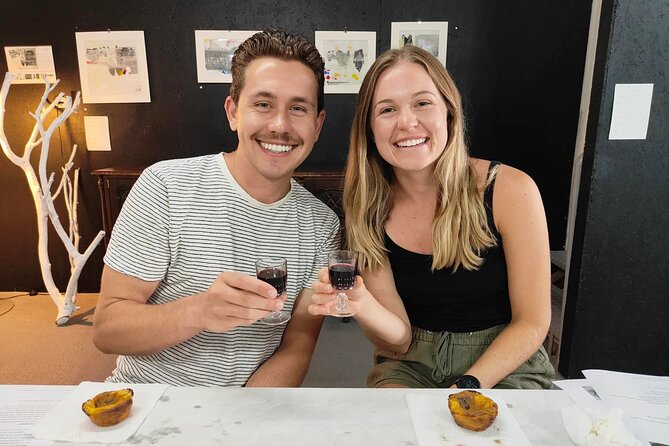
Port wine is a perfect match here because Pastel de Nata is one of those iconic Portuguese treats that you don’t want to eat like a dry cookie. The wine and coffee create a slower rhythm to the workshop. You’ll spend less time feeling like you’re in a hurry and more time paying attention to what the custard should look like before baking.
Also, having refreshments during the class makes it more social. With small-group instruction, it’s easier to ask questions without feeling awkward or interrupting a strict timeline.
The history chat: short, useful context
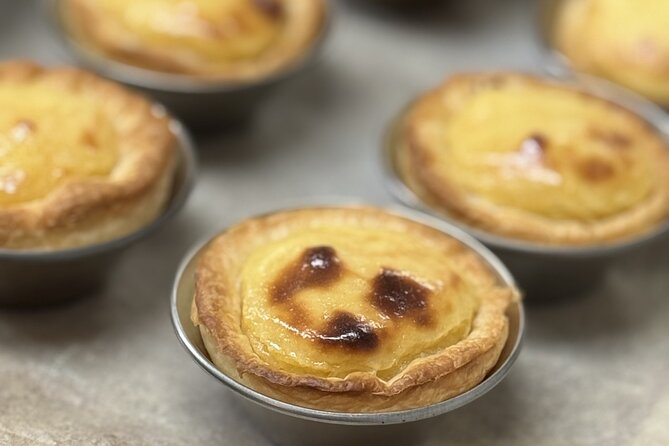
The session includes a short introduction to the history of Pastel de Nata in Portugal. This is not a long lecture. Think of it as flavor context: why the dessert became iconic, and how the workshop’s steps connect to what makes it a Portuguese classic.
I like this kind of mini-history because it helps your brain file the experience under more than just tasty. When you later try making the pastries at home, you remember the why behind the process, not just the how.
Who teaches you, and what that means for your results
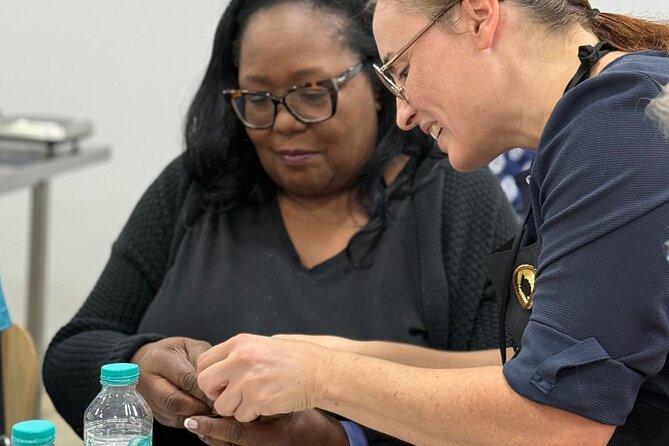
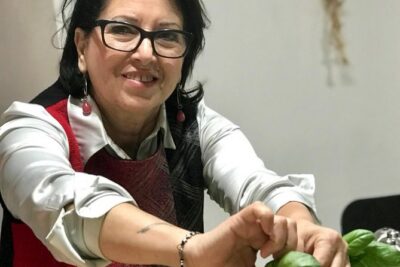
The workshop is guided by instructors with years of experience in Portuguese pastry. From the experiences people shared, names you might meet include Teresa and Filipe, plus instructors like Ana or Anita depending on the day.
Why does that matter? Because Pastel de Nata is easy to mess up in tiny ways: filling consistency, timing, and how you manage the oven heat. When the instructor can spot a detail early, your whole batch improves. The feedback consistently points to patient guidance and clear explanations, including tips and tricks that go beyond a printed recipe.
If you’re the type who likes to learn technique and not just follow instructions, this is where you’ll feel the difference.
The cozy workspace: why the room matters for learning
The workshop takes place in a modern workspace that feels friendly, not sterile. People describe it as cozy and well equipped, which you’ll feel quickly once you start working.
A setup like this matters because you’ll be doing hands-on tasks with tools that should be ready to use. When the station is organized, you don’t waste time searching for utensils or trying to figure out how something works. Instead, you can stay focused on the pastry steps.
Bringing home your own batch: recipe plus a transport box
You’ll leave with a recipe and the pastries you made. The transport box included is practical in a city where you might still have walking planned after class. It also reduces the risk of arriving back at your lodging to find a tray of pastries that’s gone soft.
And if you’re motivated to keep practicing, you may even find you want the right tools later. Some people mentioned buying molds afterward so they can replicate the shape at home. That’s not the same as a guarantee, but it fits the spirit of the workshop: learn, bake, then keep going.
Price and value: what $42.17 really buys you
At $42.17 per person, you’re paying for more than an hour in a kitchen. You’re paying for:
- A guided process with step-by-step instruction
- Focus on custard filling and baking (the parts most home cooks struggle with)
- A house-made recipe you can use again
- Port wine, coffee, and snacks included
- Multiple pastries to eat and take away
- A small group cap (max 15), which helps you get attention
When I think about value, I look at what you take home: the recipe and the confidence to do it again. This class is built around that. You’re not just tasting Porto in a cup. You’re learning a skill you can reuse.
One thing to consider: because the puff pastry is pre-prepared, you’re not buying a full pastry apprenticeship. If you’re looking for that, you’ll want a workshop that covers dough from start to finish. If you want the iconic result and the key baking lesson, this is a strong fit.
Best day-and-time strategy in Porto
This is the kind of activity that works best when you’re not trying to cram in five museum stops back to back. Plan it when you have mental room to slow down a bit. Also, since it ends back at the meeting point, you’ll know exactly where you are when you leave.
If you’re visiting Porto for a short time, place it where it can break up sightseeing. The historic center near Sé is great for walking, and a baking class adds a different kind of experience: smell, texture, and hands-on learning instead of looking.
Who should book this cooking class
Book it if you want:
- A hands-on food activity with small-group attention
- A classic Portuguese skill you can repeat at home
- A cozy break in the middle of Porto sightseeing
- Included drinks and snacks so you’re not hunting for food right after
It may be less ideal if:
- You specifically want to learn puff pastry dough-making from scratch
- You prefer a fast-paced tour format where you’re constantly moving between sites
Should you book Porto Pastel de Nata with Porto Wine (Lapa)?
Yes, if your goal is to leave Porto with more than photos. This class gives you the most useful pieces for home baking: custard filling, baking approach, and a recipe you can actually follow. The small group size, the cozy workspace, and the fact that you bake and eat what you make all add up to good value for the price.
If you’re a hardcore pastry purist who wants to start from dough, you might feel the puff pastry is a compromise. But if you want the iconic end result and the technique behind it, this workshop is a very sensible use of time in Porto.
FAQ
How long is the Pastel de Nata cooking class?
It lasts about 1 hour 30 minutes.
Where do I meet for the class?
You’ll meet at Domus Arte 2, Rua de Antero de Quental 228, 4050-052 Porto, Portugal.
Is the class offered in English?
Yes, the workshop is offered in English.
What do we actually make during the workshop?
You focus on preparing the custard filling and the baking process. The puff pastry is pre-prepared, and you receive a house-made recipe.
Can I take the Pastéis de Nata home?
Yes. Each participant makes several Pastéis de Nata that you can enjoy on site or take away, and a transport box is included.
Is the class limited in group size?
Yes. The maximum group size is 15 travelers.
What drinks and snacks are included?
You’ll have Port wine, juice, water, coffee, and a selection of sweet and savory snacks.
What if I need flexibility with booking?
You get free cancellation, with full refunds available if you cancel at least 24 hours before the experience starts. Service animals are allowed, and there are bathrooms available.