REVIEW · ULAANBAATAR
Cooking Class in a Traditional Ger Home in Ulaanbaatar Suburbs
Book on Viator →Operated by Traveling Spoon · Bookable on Viator
A ger cooking class in Ulaanbaatar’s outskirts sounds simple, but it’s not. I really like the hands-on way you learn Mongolian dishes, and the fact that hosts Bee and Soy treat you like a guest in their own home, not a classroom. The main drawback to plan for: the meal is built around sheep-based Mongolian food, so you’ll want to flag vegetarian or allergies early.
You’ll start with round-trip pickup from your Ulaanbaatar hotel and ride out a short distance (about 5 km from the city center) to a traditional ger, a felt-covered home used by nomadic families. From there, the day runs like a family afternoon: warm drinks, cooking from scratch with local ingredients, eating together inside the ger, and ending with shagai, a knuckle-bone game.
If you’re hoping for a quick taste-and-go, this one might feel long (about 5.5 hours). If you want the real rhythm of Mongolian daily life—and you don’t mind being part of the process—this is a standout way to spend time outside the usual city sights.
In This Review
- Key Points You’ll Care About Before You Go
- A Traditional Ger Kitchen in the Ulaanbaatar Suburbs
- Meeting Bee and Soy: Where the Day Starts
- The Cooking Part: Homemade Noodles and Dumplings
- What You’ll Eat After You Cook (And What It Means)
- Nettle Tea, Seasonal Ingredients, and the Logic Behind the Food
- Shagai Knuckle-Bone Game: The Afternoon Finale
- Price and Value: Is $199 Worth It?
- Logistics in Plain English: Timing, Getting There, and Comfort
- Who This Is Best For (And Who Should Skip)
- Should You Book This Ger Cooking Class?
- FAQ
- What’s the duration of the Cooking Class in a Traditional Ger Home?
- Is hotel pickup and drop-off included?
- What dishes will we learn to cook?
- Is there a vegetarian option?
- What happens after the cooking and meal?
- Can I cancel for a refund?
Key Points You’ll Care About Before You Go
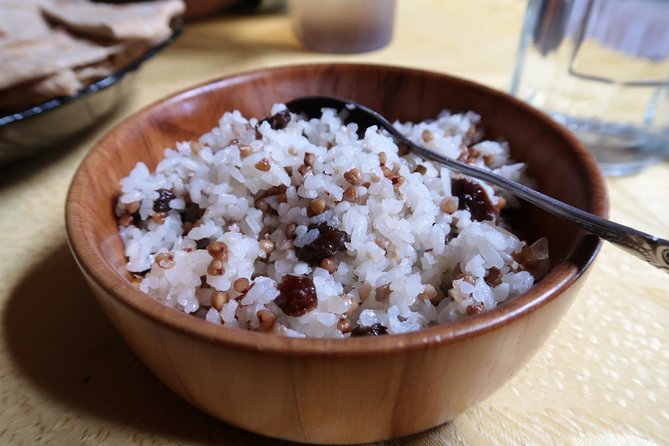
- Warm nettle tea and direct Mongolian hospitality when you arrive at Bee and Soy’s ger
- Private, hands-on cooking with classic dishes like homemade noodle soup and steamed dumplings
- Seasonal menu flexibility, so what you cook can shift with fresh local ingredients
- Culture through food and conversation, not just instructions at a cutting board
- Shagai (knuckle-bone game) after lunch, a family favorite that turns into a real moment
- Vegetarian option available, as long as you ask at booking time
A Traditional Ger Kitchen in the Ulaanbaatar Suburbs
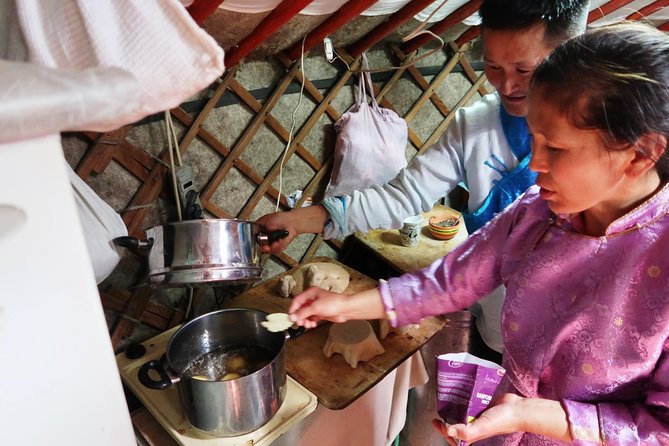
This experience is built around a simple idea: you learn Mongolian cuisine in the place it actually belongs—in a ger. These round, felt-covered tents are still used by Mongolian families, and the version you’ll visit sits just outside Ulaanbaatar in the suburb area (about 5 km from the city center).
That setting matters more than you’d think. In a normal restaurant class, you’re one step removed. Here, you’re inside the home environment, where food prep connects to daily life, household routines, and family traditions. Even if you’ve eaten Mongolian food before, cooking in a ger changes how you understand it.
The comfort level is the tradeoff. A ger is a home, not a staged venue. Expect a cozy space, and plan to be flexible about the setup. If you’re sensitive to smoke, strong cooking smells, or basic practicality, consider whether you’re okay with being in a real family home.
Meeting Bee and Soy: Where the Day Starts
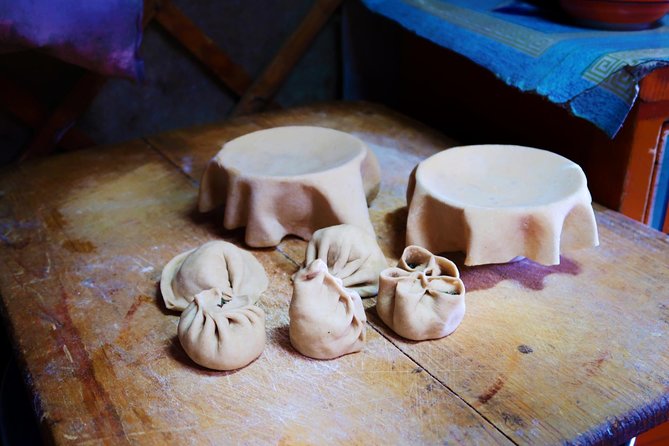
Your day begins with pickup from your Ulaanbaatar hotel. You’ll meet Bee at the hotel, then head out together by car, taxi, or public transport (the exact method can vary, but the goal is the same: get you to the ger efficiently).
Once you arrive, Bee and his wife Soy welcome you with warm nettle tea foraged from a nearby mountain. That first sip is a small detail, but it sets the tone: this isn’t just about recipes. It’s about how Mongolians use what’s local and seasonal.
From there, the conversation tends to cover daily life, food traditions, and Mongolian customs. One of the strongest themes in the feedback is how natural and warm it feels—people describe it as hanging out with friends’ family rather than walking through an organized script. That’s what you’re paying for: the human connection that turns “a cooking class” into “a Mongolian afternoon.”
The Cooking Part: Homemade Noodles and Dumplings
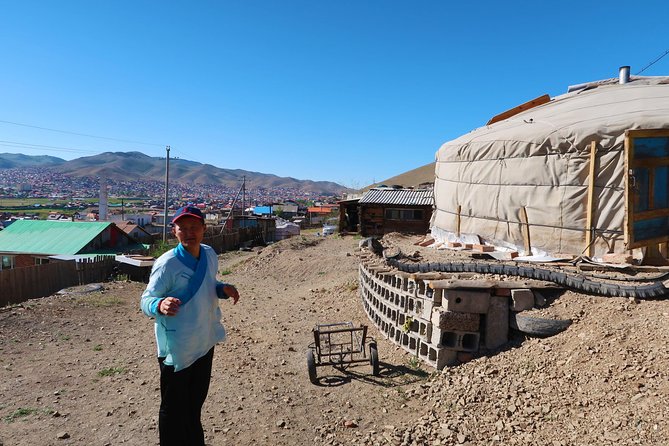
The core of the class is private, hands-on cooking. You’ll prepare classic dishes using fresh local ingredients and family recipes passed down through generations. While the exact menu can shift by season, the most consistent dishes you can expect are:
- Handmade noodle soup
- Steamed dumplings
So what’s the value here, beyond learning a couple recipes?
First, you’re not just watching. You’re helping make the components from scratch. That means you learn the practical flow: prepping ingredients, shaping dumplings, and working through the timing needed for proper cooking. It’s the difference between tasting and understanding.
Second, you learn through explanation that matches the way these dishes are made at home. You’ll get context for why certain choices are common in Mongolian cooking and how they connect to nomadic living. People particularly like that hosts are patient while you fumble through the steps—because they expect you to be learning, not performing.
If you’re vegetarian, this is manageable. The experience states that a vegetarian option is available if you request it at booking. If you have allergies or dietary restrictions, you should tell them when you book so your menu can be adjusted in advance.
What You’ll Eat After You Cook (And What It Means)
After cooking, you sit down to enjoy the meal you helped prepare. The typical spread may include noodle soup, steamed dumplings, and sheep meat, served in a warm family setting inside the ger.
Here’s the balanced take: if you eat meat, you’ll likely find the meal satisfying and very “Mongolia,” because it’s built around local protein and traditional methods. If you don’t eat sheep, you’ll be relying on the vegetarian adjustment (if arranged) or whatever alternative your hosts can offer based on season and availability.
One extra practical point: the experience includes sheep-related food, so it’s smart to consider your personal comfort level with the kind of ingredients you might be handling or learning about during prep. The good news is that hosts share context while they cook, which helps the meal feel less like a challenge and more like an education.
Nettle Tea, Seasonal Ingredients, and the Logic Behind the Food
Food in Mongolia is shaped by what’s around and what’s practical. The tea you’re offered—warm nettle tea foraged from a nearby mountain—gives you a taste of that logic immediately.
In the conversations during the day, you may also hear explanations about how ingredients connect to seasonal life and traditional beliefs about food. For example, some guests mention learning about how different animal parts are treated and why certain foods matter at certain times of year. You may also hear about how free-range sheep and what they eat connects to the flavor and nutrition of the meat.
Even if you don’t catch every detail, the takeaway is simple: this day teaches you to think like a home cook. Instead of asking, What’s the fancy ingredient? you start asking, What’s available, what lasts, and what keeps people strong through Mongolia’s seasons.
Shagai Knuckle-Bone Game: The Afternoon Finale
This experience doesn’t stop after lunch. It ends with shagai, a traditional Mongolian knuckle-bone game and a family favorite.
If you’ve only seen shagai in photos, this part helps you understand it as something more than a novelty. You’ll likely get a chance to play and learn the basics, then you’ll see how play and tradition live side-by-side in everyday life.
It also gives the day a satisfying arc. You move from learning and working with your hands, to eating together, and then to an activity that feels like real family time. It’s one of the most memorable ways to close a visit to a ger home.
Price and Value: Is $199 Worth It?
At $199 per person for about 5 hours 30 minutes, this isn’t the cheapest thing you can do in Ulaanbaatar. But it’s also not trying to be.
Here’s what you’re really buying:
- Private instruction in a home setting
- Round-trip transfers from your hotel
- A meal you help prepare inside the ger
- The cultural time with Bee and Soy, including conversation and shagai
For value, the biggest factor is how much “life” you get alongside the food. Many cooking classes teach technique but keep the cultural piece thin. This one aims to connect cooking with Mongolian daily living, and the hosts appear to do it with genuine care. People describe the feeling of being treated as a friend, and that’s hard to manufacture with a standard tour script.
If you want a quick activity with minimal personal interaction, you might feel the price is high. If you want a meaningful, human experience outside the city center, it’s strong value for the setting and time.
Also note: confirmation is received at booking, and the tour uses a mobile ticket, which usually makes the day-of process easier.
Logistics in Plain English: Timing, Getting There, and Comfort
The experience runs about 5.5 hours. It’s private, so you won’t be squeezed into a mixed group schedule.
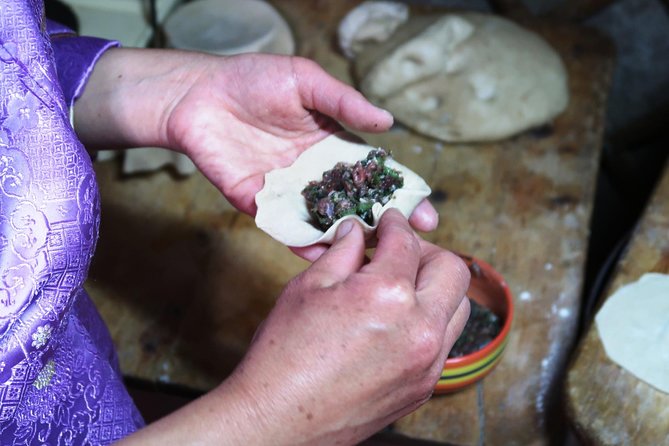
Getting to the ger is short—around 5 km from the city center—but you’re leaving the main tourist core for a local suburb area. Plan for a different vibe than downtown Ulaanbaatar.
A detail that matters: hosts may use different transport methods (car, taxi, public transport). If you’re watching your time or arriving from a flight, I’d treat the pickup window seriously. One guest experience notes that Bee waited when timing ran late, but your best move is to communicate clearly and be ready when pickup happens.
On the day, wear comfortable clothes you don’t mind getting practical-food-smelling. This is cooking in a home. You’ll also be spending time indoors and eating inside the ger environment, so dress for typical Mongolian weather conditions and the day’s temperature swings.
Who This Is Best For (And Who Should Skip)
This tour is ideal if you:
- Want authentic Mongolian culture through food, not just through photos
- Like learning by doing, especially with dumplings and noodles
- Enjoy conversation and getting context about daily life from real hosts
- Travel as a couple or small group and want it private
Skip or reconsider if you:
- Strongly prefer a restaurant-style class over a home visit
- Are uncomfortable with sheep-based food (unless vegetarian menu is confirmed)
- Want a short, low-effort activity rather than a full afternoon
If you’re on the fence, I’d lean toward booking—because the experience’s main strength is that it doesn’t feel like a production. It feels like being let into a real household.
Should You Book This Ger Cooking Class?
My take: book it if you want one of the more personal Mongolia experiences you can do from Ulaanbaatar, and if you’re open to sheep-based food or you can arrange vegetarian. The best moments happen when you’re not just eating—you’re making, talking, and learning how food fits Mongolian life.
Don’t book it if you’re chasing a checklist-style activity, want big-city convenience the whole time, or have dietary needs you haven’t told the hosts about at booking.
If you do book, send your dietary restrictions early, ask questions when you arrive, and treat the cooking as the main event, not the sides. That mindset is what turns a class into a memory you’ll still be talking about months later.
FAQ
What’s the duration of the Cooking Class in a Traditional Ger Home?
It runs for approximately 5 hours 30 minutes.
Is hotel pickup and drop-off included?
Yes. Round-trip transfers from your Ulaanbaatar hotel are included.
What dishes will we learn to cook?
You’ll likely cook classic Mongolian dishes such as homemade noodle soup and traditional steamed dumplings, though the menu can vary by season.
Is there a vegetarian option?
Yes, a vegetarian option is available. You should request it at the time of booking.
What happens after the cooking and meal?
After you eat, you’ll learn shagai, a traditional Mongolian knuckle-bone game.
Can I cancel for a refund?
Free cancellation is available up to 24 hours in advance for a full refund. Canceling less than 24 hours before the start time isn’t refundable.