REVIEW · HOI AN
Hoi An Authentic Cooking Class with Pro Chef in Small group
Book on GetYourGuide →Operated by Da Nang Happy Tour · Bookable on GetYourGuide
A Hoi An cooking class should feel hands-on. This one starts with a market walk and turns into a real kitchen session where you cook, taste, and learn the why behind Vietnamese flavors. I especially like the small group size and the chance to shop for ingredients with a local rhythm before you cook.
I also like that you’re not stuck watching. You make multiple dishes step by step, including sweet and sour chili sauce, mango-and-prawn salad, and Hoi An crispy spring rolls, then you sit down to eat as a group. One possible drawback: the menu can change based on ingredient availability, and drinks aren’t included.
In This Review
- Key things that make this class worth your time
- A Hoi An cooking class that doesn’t feel staged
- Hotel pickup and the market run (when you choose it)
- What to watch for
- In the kitchen: your pro chef teaches while you cook
- What you’ll make first: salads, sauces, and appetizers
- Sweet and sour chili sauce: the balancing skill you’ll use forever
- Mango and prawns: learning Vietnamese freshness, not just salad assembly
- Hoi An crispy spring rolls: folding and frying with confidence
- Main courses: Hanoi-style noodle soup and the pho-broth payoff
- The best part: you eat what you cooked
- Dessert and the final plate of flavor
- Price and value: what $27 buys you in real terms
- Who this class suits best
- Should you book this Hoi An cooking class?
- FAQ
- How long is the cooking class?
- What’s included in the price?
- Do I have to go to the market?
- Can I request a vegetarian or vegan menu?
- Is it suitable for wheelchair users?
- What dishes are typically on the menu?
- Are drinks included?
- FAQ
- What do I need to bring?
- Can I cancel for a refund?
- Is there free cancellation and pay later?
Key things that make this class worth your time
- Small group limit (up to 10) for more hands-on help
- Optional market trip to learn which ingredients matter and why
- Multiple made-by-you dishes, not a one-dish demo
- Chef-led technique + practical tips you can repeat at home
- Pho, spring rolls, and sweet-sour sauce give you a strong Vietnamese “flavor toolkit”
A Hoi An cooking class that doesn’t feel staged
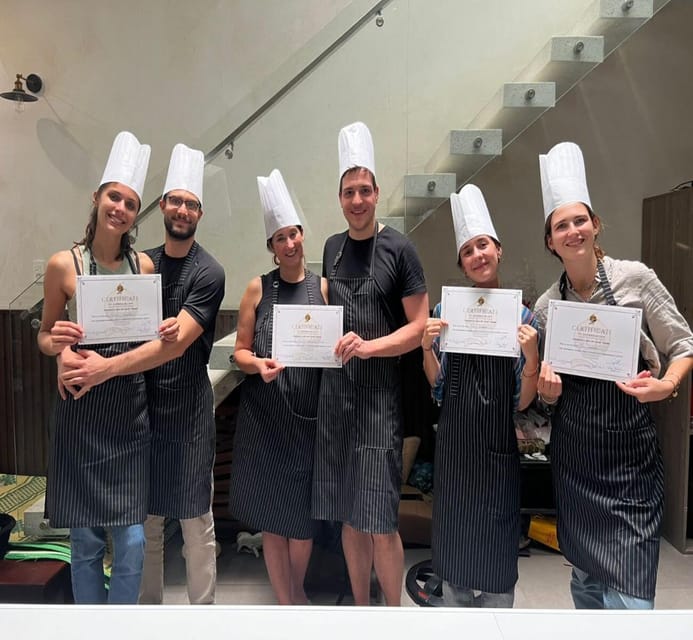
Hoi An is great for lanterns, tailor shops, and cafes. But this experience is different because it pulls you out of the main tourist flow and into everyday food culture. The big win here is the structure: you don’t just learn recipes. You learn how Vietnamese cooks think—balancing sour, sweet, salty, fresh herbs, and heat.
The class is built for different levels. That matters because you might come in able to cook basic things—or you might be nervous with a knife. Either way, the teaching style is set up so you can keep up and still feel like you’re doing real work.
And yes, it’s fun. You’ll be chopping, mixing, folding, and frying. Then you’ll eat the results. That last part sounds obvious, but it’s where the experience locks in. After a few dishes, you understand what you were tasting, not just what you were following.
You can also read our reviews of more tours and experiences in Hoi An.


Hotel pickup and the market run (when you choose it)
If you pick the option that includes pickup, you’ll be collected from your hotel in the Hoi An area. The transfer is by car or scooter. This sounds like a small detail, but it’s one of the reasons the whole afternoon stays smooth—less waiting, fewer logistics headaches, more time focused on food.
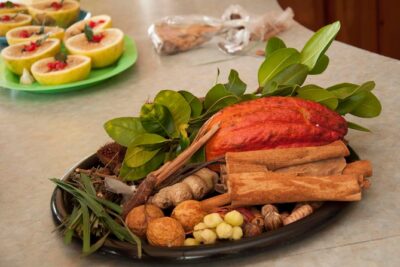
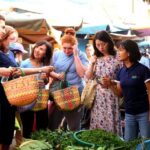
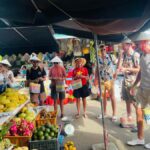
Then comes the market portion (optional, based on your selection). This is one of the most valuable parts of the experience because you learn how Vietnamese ingredients are chosen in real life. You’ll get walked through a local market with guidance on dealing with sellers and picking items for the cooking session.
If you want to recreate these dishes at home, the market walk helps more than you’d expect. You learn what to look for, not just what the recipe calls for. You also get a feel for how fresh produce changes flavor. Even if you don’t buy much, watching the selection process gives you a better shopping “filter” for Vietnamese grocery stores later.
What to watch for
The market trip is optional, but it’s also the part that adds variety to the day. If you skip it, you’ll still cook and eat—just with less context on ingredients and sourcing.
In the kitchen: your pro chef teaches while you cook
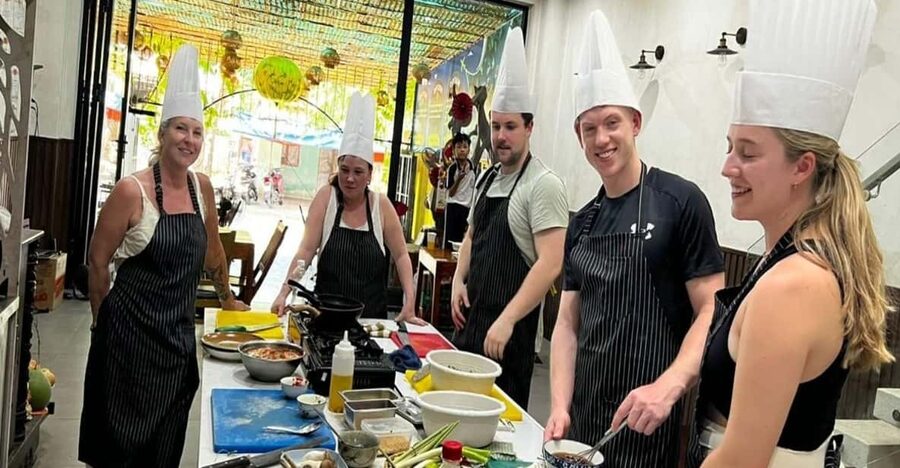
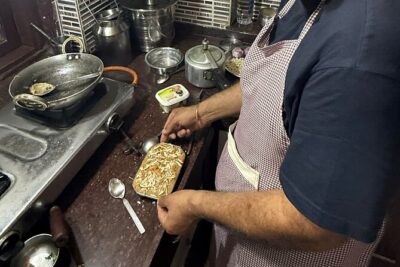
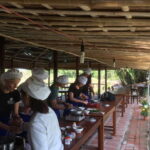
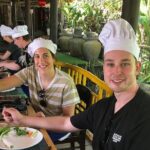
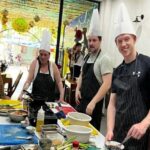
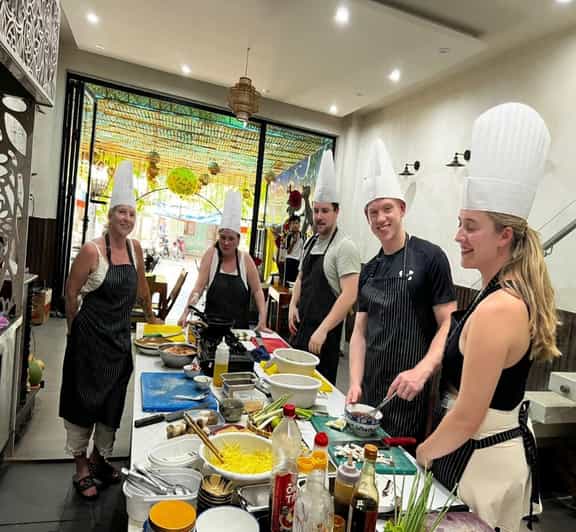
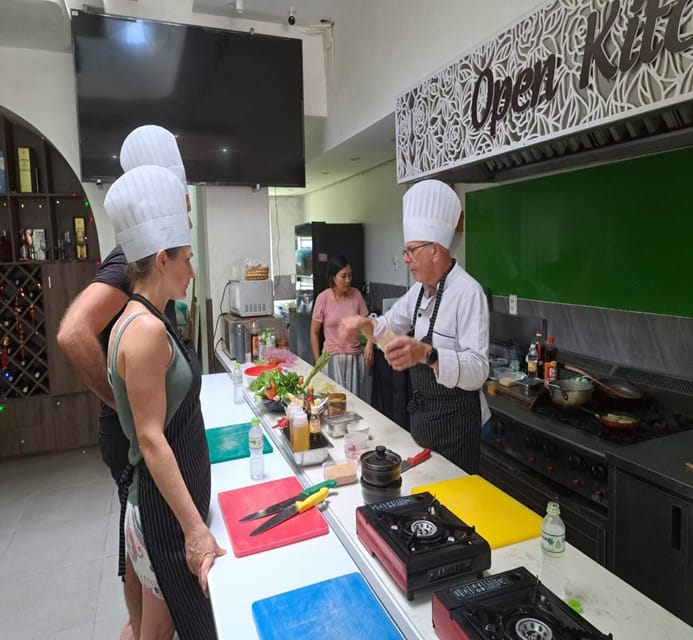
The cooking happens in a local home setting. That shift matters. Restaurants can be loud and rushed. A home-style kitchen is calmer, and it makes it easier to ask questions and get feedback while you’re working.
You’ll be taught by a professional chef with many years of Vietnamese cuisine experience. In practice, the best thing this setup gives you is timing. You’re not guessing when to reduce, when to fry, or when to adjust. The chef guides you through technique and then gives you tips that connect the steps to flavor.
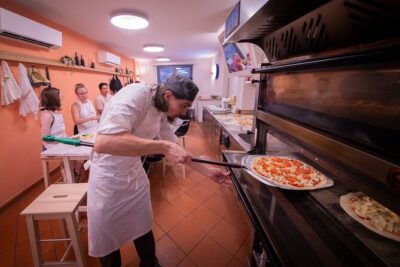
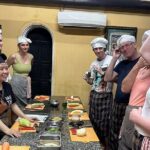
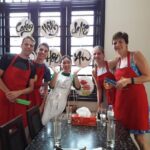
Also, the format is small group (limited to 10). That usually translates into more attention at the stove and fewer “you watch, then you do one small step” moments.
What you’ll make first: salads, sauces, and appetizers
The class menu is built like a proper Vietnamese meal, starting with something bright and tangy, then moving into crispy textures and aromatic salads. The exact dishes can shift due to availability, but the core items stay consistent.
You’ll typically start with:
- Sweet and sour chili sauce (xốt chua ngọt)
- Green mango with prawn salad (gỏi xoài với tôm)
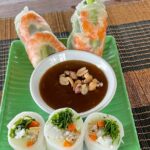
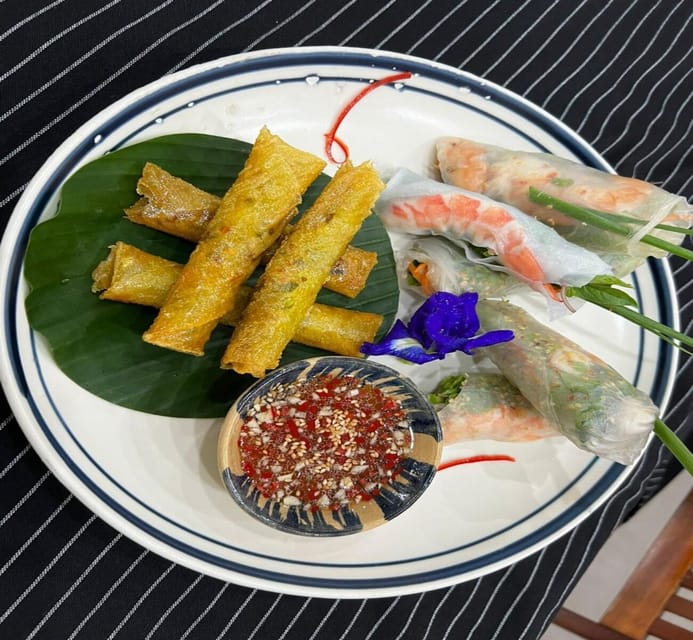
- Hoi An crispy spring rolls (chả giò chiên giòn Hội An)
Even if those names look familiar from menus, the learning happens when you understand what each element contributes. Sweet and sour sauce is more than a topping; it’s a balancing tool. Mango salad isn’t just “fresh.” It’s about texture contrast—crisp fruit against shrimp and herbs. And spring rolls are where you practice getting the crunch right, from wrapping to frying.


Sweet and sour chili sauce: the balancing skill you’ll use forever
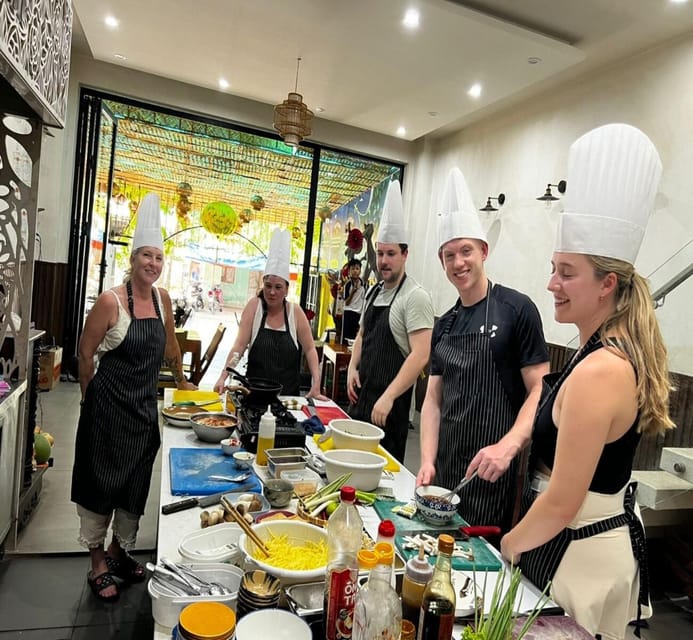
If you remember one thing from a Vietnamese class, make it this: Vietnamese sauce work is all about balance. The xốt chua ngọt you’ll make is designed to hit sweet, sour, and chili heat in a way that works with many foods—not only the spring rolls you’re cooking.
What I like about learning the sauce early is that it becomes a reference point for the rest of the dishes. When you later taste the mango salad or dip the spring roll, you can recognize how the flavor profile ties together.
This is also one of those recipes that teaches technique without feeling intimidating. You’ll get shown how the sauce comes together, then you learn the reasoning behind ingredient choices. That means when you recreate it at home, you’re not just copying steps—you’re adjusting to your taste and your pantry.
Mango and prawns: learning Vietnamese freshness, not just salad assembly
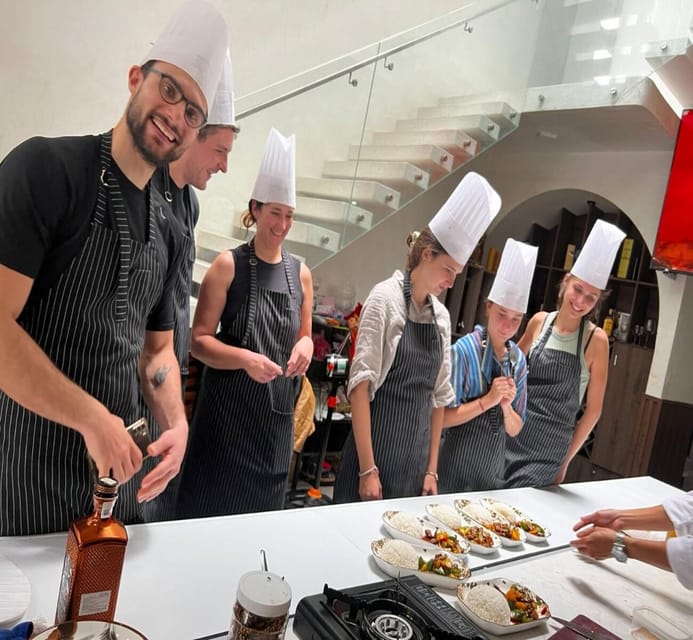
The green mango salad (gỏi xoài với tôm) is a smart choice for a cooking class because it’s fast to understand and hard to perfect. The flavor comes from freshness and proper balance. Mango brings brightness and crunch. Shrimp adds sweetness and a clean savory note. Then herbs and dressing bring it all together.
The learning moment here is in how you treat “fresh.” Vietnamese food often depends on quick handling and sharp flavors. If you leave mango under-dressed, it can taste flat. If the dressing is too heavy, it loses its lift. You’ll practice until the salad tastes right, not just “looks like a salad.”
Hoi An crispy spring rolls: folding and frying with confidence
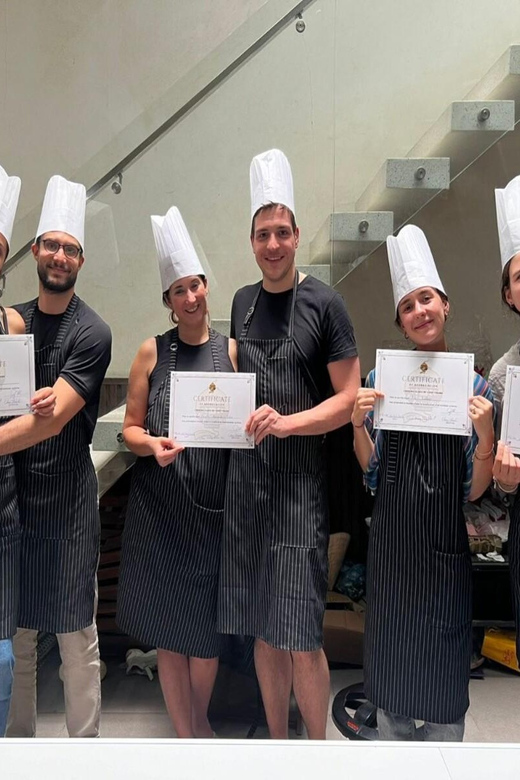
Hoi An crispy spring rolls (chả giò chiên giòn Hội An) are the kind of dish that makes people say: I didn’t realize it was that teachable. The reason is simple. Crispy spring rolls are technique-heavy, but the technique is repeatable when someone shows you how.
In this class, you don’t just watch someone else fry. You learn how the roll comes together and what “ready” looks and tastes like. The chef’s guidance helps you avoid the common problems: oil that doesn’t fry right, wrappers that go uneven, or rolls that cook before they crisp.
This dish also gives you a practical outcome. Once you can make spring rolls (and understand the sauce and texture they’re meant to pair with), you can build easy Vietnamese-style appetizers for friends at home without paying for takeout.
Main courses: Hanoi-style noodle soup and the pho-broth payoff
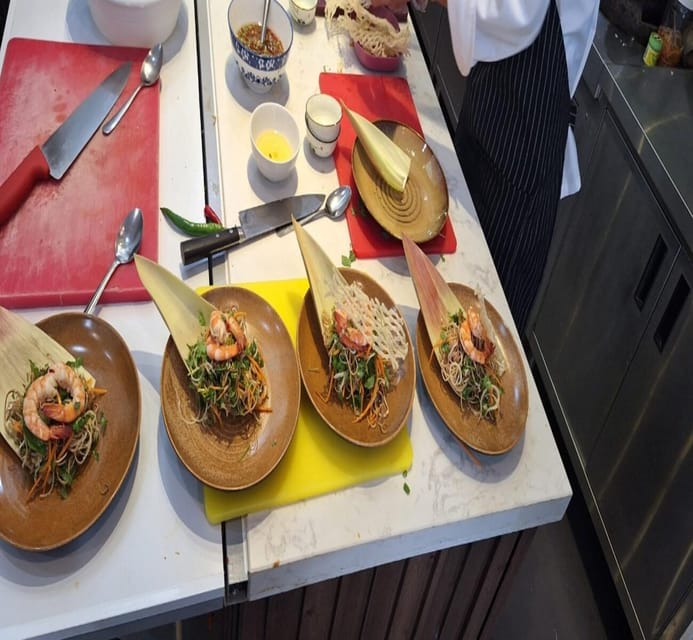
After the appetizers, the class shifts to the main course: Hanoi beef or chicken noodle soup. Whether you choose beef or chicken, the focus is on the broth and the soup’s foundation flavor.
Broth is where many cooking classes lose people. It can feel vague. Here, the instruction is aimed at making it concrete—how to build flavor, how to judge progress, and how to get the soup right.
A big reason this main course is such a hit is that it teaches you a Vietnamese comfort-food skill. You’re not just making noodles. You’re learning how Vietnamese kitchens treat soup as a centerpiece: the broth does most of the work, and everything else supports it.
The best part: you eat what you cooked
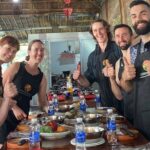
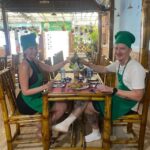
This class ends with the meal, so you get immediate feedback. If your sauce is off, you taste it. If your rolls are perfect, you feel that crunch. If your soup needs adjustment, you learn what to change next time.
That “try it right away” feedback loop is what makes cooking classes stick. You don’t wander off and forget. You go home with a working memory.
Dessert and the final plate of flavor
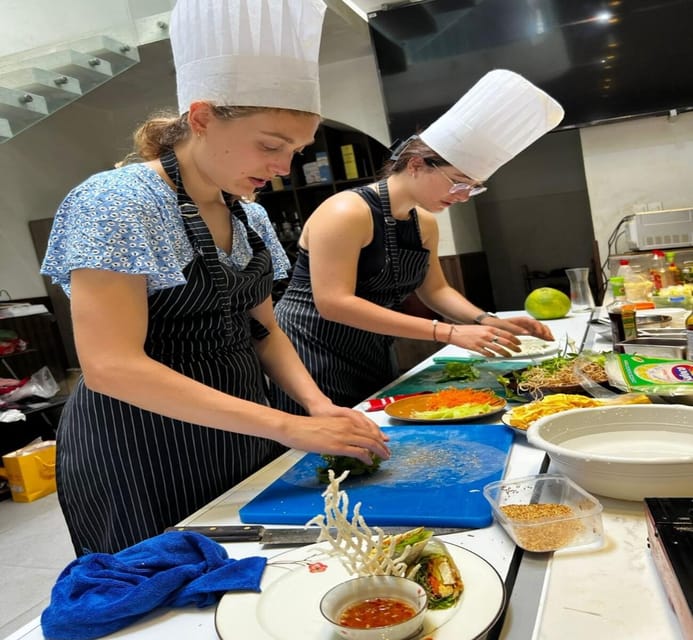
For dessert, you’ll have mixed fresh fruit (trái cây thập cẩm). It’s simple, but it fits the meal. After sour-sweet sauce and crispy rolls, fruit gives a clean reset.
It also makes the whole timing work. You’re not stuck with a heavy dessert after a filling soup. You finish feeling satisfied, not stuffed.
And because the menu can change with availability, fruit can reflect what’s fresh that day. That’s normal in Vietnam, and it’s actually part of the charm. You’re adapting along with the cook.
Price and value: what $27 buys you in real terms
At about $27 per person for a roughly 3-hour, 210-minute experience, this is a strong value if you care about learning. The key isn’t just the time—it’s what’s included:
- All ingredients
- A traditional meal
- Optional hotel pickup in the Hoi An area
- Optional local market trip
That ingredient inclusion is the hidden savings. Vietnamese cooking isn’t “buy one pack and hope.” You need specific produce and pantry items, and these add up if you try to DIY.
Also, you’re getting both education and output. You cook multiple dishes, not just one. Then you eat them. If you’ve ever paid for a cooking class and left hungry, you’ll appreciate this format.
Drinks are not included. So if you want water, coffee, or anything else, budget for it separately.
Who this class suits best
This is ideal for you if:
- You want a hands-on Hoi An cooking class rather than a demonstration
- You like learning techniques you can repeat at home
- You enjoy Vietnamese flavors like sour-sweet sauces, mango salads, and noodle soups
- You prefer small groups where you get attention
It may not be the best fit if:
- You’re looking for a quick “food tour” that lasts under 1.5 hours
- You don’t want to cook or fry anything (this is built around doing)
- You need full wheelchair-friendly access. The notes are mixed: there’s a version for wheelchair users without the market trip, but the activity also lists wheelchair users as not suitable. Check with the operator before booking so you don’t get stuck.
Should you book this Hoi An cooking class?
I think you should book if you want real Vietnamese meal skills in a short window. The small group size and the fact you cook multiple dishes are the big reasons to say yes. You’ll leave with practical technique, not just a cookbook feeling.
Skip it only if you’re mainly after sightseeing or you’re sensitive to the idea of frying and kitchen work. Also, if you have accessibility needs, confirm the exact option you’ll take in advance, because the notes differ on market participation.
If you want one activity in Hoi An that gives you flavor confidence for the rest of your trip—and a reason to cook later—this is a solid choice.
FAQ
How long is the cooking class?
It runs about 3 hours (210 minutes).
What’s included in the price?
All ingredients and a traditional meal are included. If you choose the options, hotel pickup in the Hoi An area and a local market trip are also included.
Do I have to go to the market?
No. The market trip is optional and depends on the option you select. If you choose pickup, you may still go to the market as part of that itinerary.
Can I request a vegetarian or vegan menu?
Yes. Vegan/vegetarian options are available if you request it.
Is it suitable for wheelchair users?
The information notes a wheelchair user can join only the cooking class option (no market trip), but the activity also lists wheelchair users as not suitable. If you need wheelchair access, confirm the exact option with the operator before booking.
What dishes are typically on the menu?
Common items include sweet and sour chili sauce (xốt chua ngọt), green mango with prawn salad (gỏi xoài với tôm), Hoi An crispy spring rolls (chả giò chiên giòn Hội An), Hanoi-style beef or chicken noodle soup, and mixed fresh fruit. The menu can change based on availability.
Are drinks included?
No. Drinks are not included.
FAQ
What do I need to bring?
Wear comfortable shoes and comfortable clothes.
Can I cancel for a refund?
You can cancel up to 24 hours in advance for a full refund.
Is there free cancellation and pay later?
Yes. The offer includes free cancellation up to 24 hours in advance and a reserve now & pay later option.