REVIEW · CHIANG MAI
Half Day Morning Cooking Class with Market Tour in Chiang Mai
Book on Viator →Operated by Yummy Tasty Thai Cooking School · Bookable on Viator
Thai cooking starts with a market walk. This half-day morning class in Chiang Mai ties a real market visit to hands-on lessons, so you learn fresh ingredient choices and cook with step-by-step guidance. I like that it’s small (max 10) and interactive, with time for questions, plus you end up eating what you make. One possible drawback: it’s an early start and you’ll be moving around, so plan for a busy morning pace.
You meet at Kad Kom Market at 9:00 am, and pickup is offered if you’re in the right area. The whole thing runs about four hours and finishes back at the meeting point, which makes it an easy fit when you’ve got temples, night markets, and limited time.
In This Review
- Key Things That Make This Class Worth Your Morning
- Kad Kom Market: Learning Thai Flavors From What’s Fresh
- The Shift From Market Bags to a Real Cooking Class
- Cooking Multiple Dishes Without Feeling Rushed
- What You Eat at the End (And Why the Tasting Is Part of the Lesson)
- The Online Recipe Book: Your Chiang Mai Cooking Backup Plan
- Price and Value: Paying $29.34 for a Full Morning of Skills
- Practical Tips So Your Morning Feels Easy
- Who This Works Best For (And Who Might Skip It)
- Should You Book This Chiang Mai Market + Cooking Class?
- FAQ
- How long is the cooking class and market tour?
- What is the price per person?
- Where do I meet, and where does the activity end?
- Does the tour offer pickup?
- What happens during the market portion?
- What will I be cooking and eating?
- Do I receive recipes?
- Can I cancel for a full refund?
Key Things That Make This Class Worth Your Morning

- Kad Kom Market ingredient hunt: You start by spotting fresh produce and learning what to look for before you cook.
- Instruction that’s plain and practical: Instructors like Sky (and sometimes Noodle) guide you in real time, not rushed like TV.
- You cook multiple dishes: Many sessions build toward a full meal, and some groups end up making around five dishes.
- You eat your work: It’s not just practice; you taste what you prepare at the end.
- Online recipe book to take home: You get recipes you can use after Chiang Mai, when flavors are still fresh in your memory.
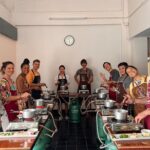
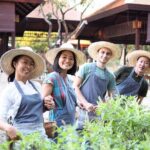
- Small group energy: With a max of 10, the class feels more like a workshop than a factory line.
Kad Kom Market: Learning Thai Flavors From What’s Fresh
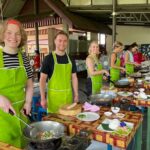
If you care about making Thai food at home, the market part is the “why” behind the recipes. You begin at Kad Kom Market (the meeting point is Kad Kom Market, บ้านเลขที่ 19 3มบ เวียงทอง 1, Tambon Chang Khlan, อ.เมือง, Chiang Mai 50100), starting at 9:00 am. If pickup is included for your location, you’ll be collected so you don’t have to figure out getting there first thing.
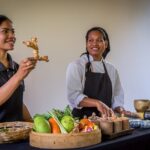
At the market, you’re not just browsing. The focus is on ingredients you’ll use later in class, and on how to spot good quality quickly. Based on the way the instructors teach, this is less about memorizing names and more about learning practical cues: what looks fresh, what smells right, and how ingredient choices affect the final dish.
This matters because Thai cooking relies heavily on balance—fresh herbs, sauces, and key flavor bases all pull their weight. When you understand what “good” looks like in a real market setting, cooking at home gets easier. You also get to ask questions in the middle of the process, while you can still point at what you’re learning.
A nice extra: because the group is capped at 10, you’re more likely to get direct attention rather than being swept along with a big crowd. One class example notes a day with only two people, where conversation turned into part of the lesson.
You can also read our reviews of more tours and experiences in Chiang Mai.
The Shift From Market Bags to a Real Cooking Class
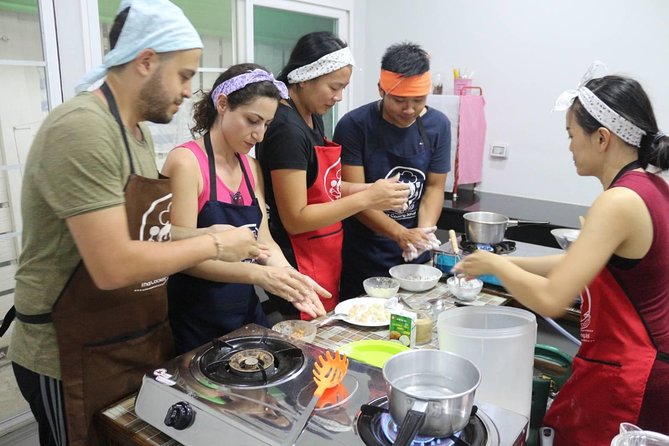
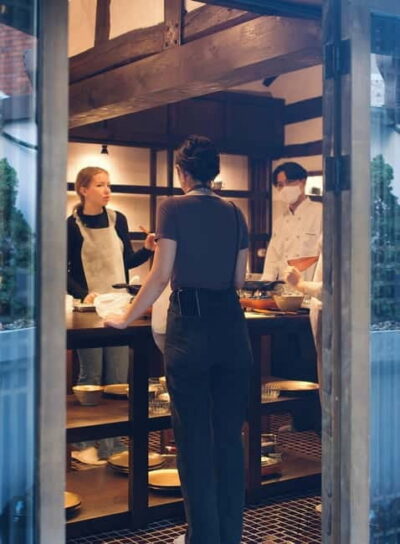
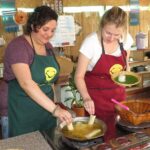
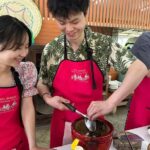
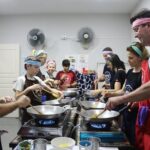
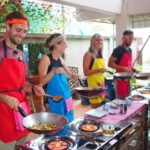
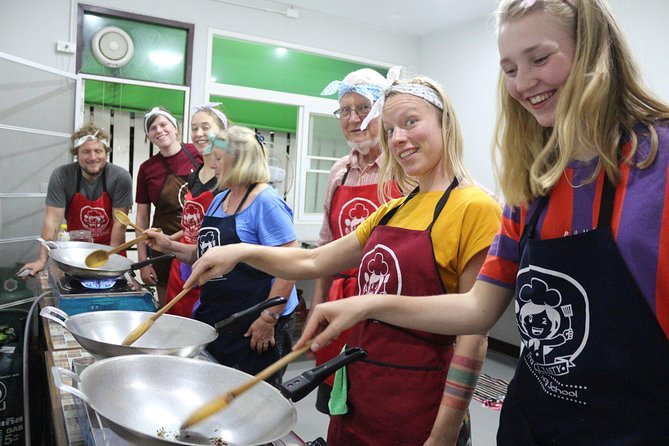
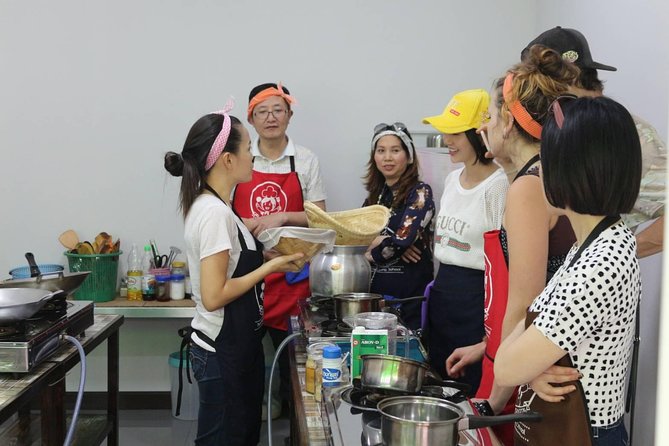
After the market, you move into the hands-on cooking part of the experience. This is where the pacing changes: you’ll follow step-by-step instruction from an instructor, learn techniques as you go, and get coaching in real time.
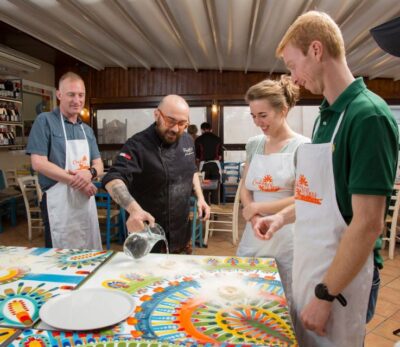
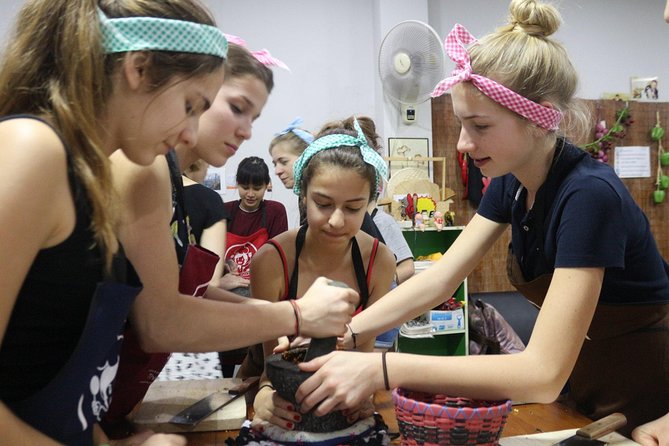
What I like about this format is how it turns curiosity into confidence. Instead of watching someone cook, you’re doing the work—mixing, chopping, assembling, and adjusting as the instructor explains what matters and why. That “in real time” approach shows up in the feedback: instructors coach proper technique and answer questions as they happen, without the gaps that can happen when you’re learning from videos.
Menus also play a role here. You choose from a menu with a fair number of options, so you can lean toward dishes you actually want to eat rather than getting stuck with a one-size-fits-all list. Some sessions end up with around five dishes, which means you learn more than one flavor style in a single morning.
Two instructors are repeatedly mentioned for bringing energy and humor into the kitchen—Sky and Noodle. That doesn’t change the food skills, but it does change how the class feels. A relaxed teacher helps you stay focused on the cooking instead of worrying you’ll mess up.
Cooking Multiple Dishes Without Feeling Rushed
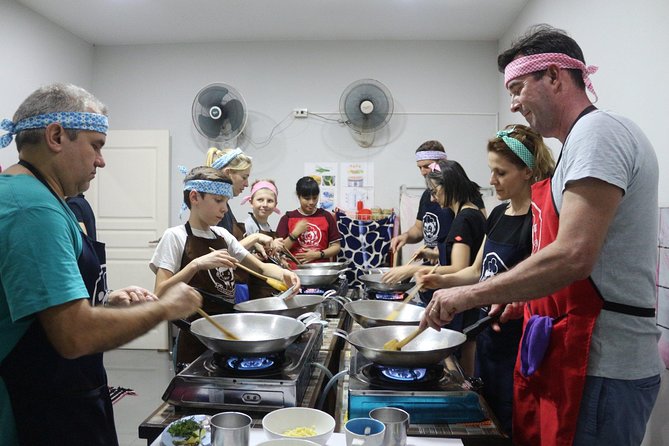
The class is designed to be doable even if you don’t consider yourself a cook. The structure pushes you to complete dishes, not just taste-test ingredients. In other words, you’re learning by doing, and you’re getting enough repetition to remember key steps.
You’ll work through a sequence of dishes, and you’ll see how different components work together—especially sauces and aromatics that show up across many Thai recipes. That “pattern recognition” is a big deal for home cooking. Once you learn how certain ingredients behave and how the instructor guides balance, you can start adapting recipes later without feeling totally lost.
Because the class runs about four hours total, the workflow stays tight:
- ingredient learning first (market),
- then execution in the kitchen (cooking),
- then a full sit-down tasting.
That timing is a plus if you only have limited days in Chiang Mai. It’s also why this class works well as a morning activity: you get a meaningful experience early, and the rest of the day is still yours.
What You Eat at the End (And Why the Tasting Is Part of the Lesson)
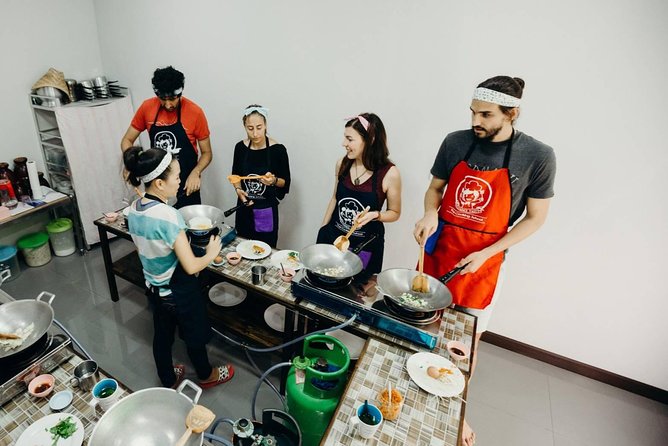
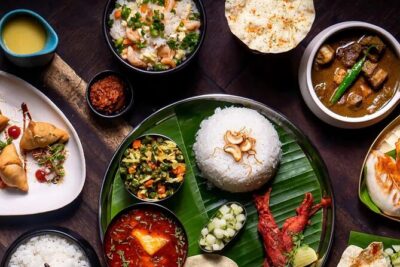
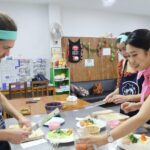
One of the most consistent themes is that you eat what you prepare, and you eat enough to feel satisfied. People note that the food is delicious, approachable, and well organized, with lessons that make the cooking feel doable.
I also like the practical message behind the dining part: don’t arrive overly full. One review explicitly warns not to eat before cooking because you want to enjoy everything you make. If you want the experience to land, show up ready to taste, because the final meal is where you connect lesson to flavor.
Some people end up cooking more food than they can immediately finish, but the point is simple: you should leave with a clear idea of what the dish is supposed to taste like. At home, that reference taste becomes your guide when you’re unsure how far to push salt, heat, or brightness.
The Online Recipe Book: Your Chiang Mai Cooking Backup Plan
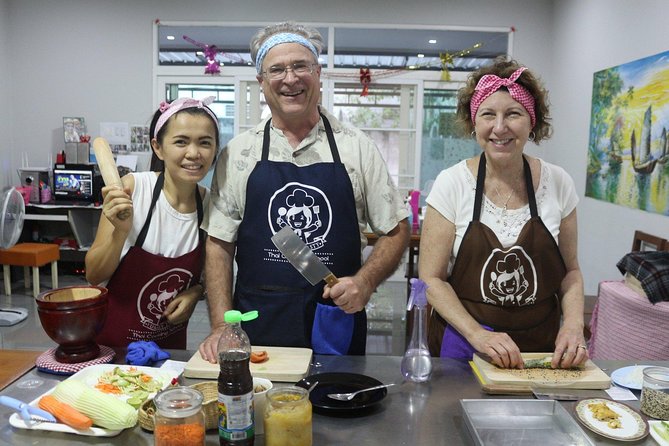
You don’t just leave with memories. You get an online recipe book so you can recreate the dishes later. That’s valuable for two reasons.
First, it helps lock in what you learned while it’s still fresh. Markets and cooking lessons can blur together quickly after a few days of sightseeing. Having recipes you can pull up later makes it easier to remember the steps and the ingredient logic.
Second, it reduces the “now what?” problem. Lots of cooking classes teach well during the session, then you go home and can’t quite recreate the dish. An online recipe book gives you a direct path back into Thai cooking with the same guidance style you experienced in class.

Price and Value: Paying $29.34 for a Full Morning of Skills
At $29.34 per person for about four hours, the value here comes from what’s bundled:
- a market tour focused on fresh ingredients,
- hands-on instruction in a real kitchen,
- multiple dishes you cook and taste,
- and an online recipe book to practice later.
The small group size (max 10) also supports the value. When you’re not packed in, questions can get answered faster, and the instructor can correct technique without you feeling invisible.
Pickup is another quiet value add. Chiang Mai can be a bit chaotic in the morning, and shaving off transportation stress means you actually start learning on time.
Practical Tips So Your Morning Feels Easy
A few small moves can make this class smoother:
- Wear shoes you can walk in at a market. You’ll be on your feet.
- Plan for an early start. Starting at 9:00 am means you’ll want to structure your day around this rather than treating it as an optional add-on.
- Come with an appetite. Since you taste what you cook, you’ll get more from the lesson if you’re not stuffed before you begin.
- If you have dietary needs, check with the provider ahead of time. The class includes menu choices, but the details of substitutions aren’t listed here.
Also keep an eye on your confirmation and ticket method. This experience uses a mobile ticket, and you should receive confirmation at booking time.
Who This Works Best For (And Who Might Skip It)
This class is a strong match if you:
- want a market-to-kitchen experience rather than a cooking class without context,
- like practical food learning you can repeat at home,
- enjoy hands-on teaching where you can ask questions,
- and you’ve got limited time in Chiang Mai but still want more than a quick demo.
It may be less ideal if you:
- hate early mornings or walking around in markets,
- want a pure sightseeing day with lots of temples and viewpoints,
- or need very specific dietary accommodations and want details spelled out before you arrive.
Should You Book This Chiang Mai Market + Cooking Class?
If your goal is to leave Chiang Mai with both a good meal and real cooking confidence, this is an easy yes. The market start at Kad Kom Market builds the ingredient foundation, and the kitchen portion turns that foundation into skills you can actually use. Add the online recipe book, and the value doesn’t end when you step out of class.
Book it if you’re excited by food learning, want a structured morning, and like the idea of cooking multiple dishes in one session. Skip it if mornings drain you or if you’d rather spend that time on a different kind of tour.
FAQ
How long is the cooking class and market tour?
It runs for about 4 hours.
What is the price per person?
The price is $29.34 per person.
Where do I meet, and where does the activity end?
You start at Kad Kom Market and the experience ends back at the meeting point.
Does the tour offer pickup?
Yes, pickup is offered.
What happens during the market portion?
You visit Kad Kom Market to learn how to identify fresh ingredients used in Thai cuisine, and you buy ingredients for cooking.
What will I be cooking and eating?
You’ll take part in a hands-on Thai cooking class and taste the food you prepare at the end. You also choose from a menu with multiple options.
Do I receive recipes?
Yes, you receive an online recipe book.
Can I cancel for a full refund?
Yes. You can cancel up to 24 hours before the experience for a full refund. If you cancel within 24 hours, the amount paid is not refunded.