REVIEW · BODRUM
Cooking Class in Authentic Etrim Village
Book on Viator →Operated by Onelli Travel · Bookable on Viator
Etrim village is a real detour from Bodrum’s beach life. This Turkish cooking day near Bodrum focuses on what the Aegean is good at: olive oil, vegetables, herbs, and village-scale food. You’ll cook alongside locals, then eat what you’ve helped make in an authentic home setting.
Two things I especially like: you get hands-on moments (rolling dough, preparing grape leaves, and assembling dishes), and the ingredients come from the village world—think olives/olive oil, figs, vine leaves, and seasonal produce.
One drawback to plan for: this is more of a “taste-and-participate” village experience than a step-by-step, full chef training course—some parts may feel like you’re helping in the kitchen rather than learning every detail end-to-end.
In This Review
- Key things to know before you go
- A village day near Bodrum, not another hotel buffet
- Where the day starts: meeting point and how the village visit flows
- What you cook in Etrim: mezes, stuffed pepper, vegetable pie, and grape leaves
- The Aegean ingredient story: olive oil, figs, herbs, and seasonal vegetables
- Lunch in an authentic home: what you eat and what makes it satisfying
- The “real village” factor: meeting homes, gardens, and community people
- Language and hands-on time: how to get full value from the class
- Price and value for money: what $59.64 buys you
- Who should book the Etrim village cooking day?
- Should you book this cooking class in Etrim village?
- FAQ
- How long is the Etrim village cooking class near Bodrum?
- Where do I meet for the tour in Bodrum?
- Is the tour offered in English?
- Is this a private experience?
- What’s included in the price?
- Are vegetarian options available?
- Are alcoholic beverages included?
- What is the cancellation policy?
Key things to know before you go
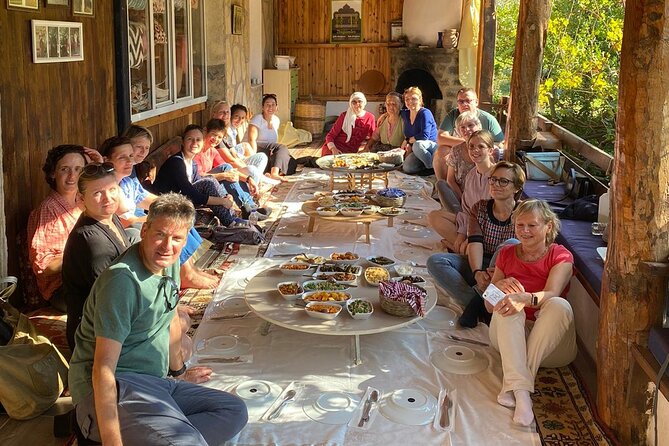
- Etrim village ingredients: produce and basics like olives/olive oil, figs, vine leaves, and vegetables are sourced locally
- Aegean menu focus: mezes like Turkish tapas-style starters plus dishes such as stuffed pepper and vegetable pie
- Wood-fire element: some bread and food prep happens using a wood fire, which you can usually see and smell
- Vegetarian-friendly: you’ll be able to join even if you prefer vegetarian options
- Expect variable translation: English support can make a big difference during hands-on steps
A village day near Bodrum, not another hotel buffet
Bodrum can be all yachts, beach clubs, and evenings that start late. This experience flips the script by taking you out to Etrim village, where the pace is slower and the food is built around the land. You’re not just tasting dishes—you’re doing small, real tasks that connect you to how Aegean cooking actually works.
What makes this outing feel different is that the day isn’t centered on a restaurant show. You’re guided to the village, you meet people who live there, and you eat a meal that matches seasonal harvests. The “kitchen classroom” happens in a home-style environment, and that matters. It turns the day into something you remember for the people and the process, not just the final plates.
You’ll also like the practical rhythm of the day: village tour first, kitchen work next, lunch after. It’s designed so you’re not rushing from one stop to another. And because it lasts about six hours, it’s long enough to do meaningful cooking tasks, while still feeling like a half-day you can fit into most Bodrum plans.
You can also read our reviews of more tours and experiences in Bodrum.
Where the day starts: meeting point and how the village visit flows
The tour starts at the Bodrum Tour / Boat Tours / Yacht Tours / Private Boat Tours meeting point in Umurca, Üçkuyular Cd. No:7 D:1b, 48400 Bodrum. From there, you ride in an air-conditioned vehicle with a local driver/guide. At the end, the activity returns you to the same meeting point.
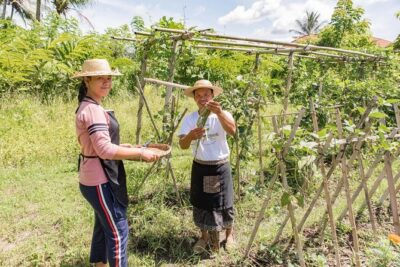
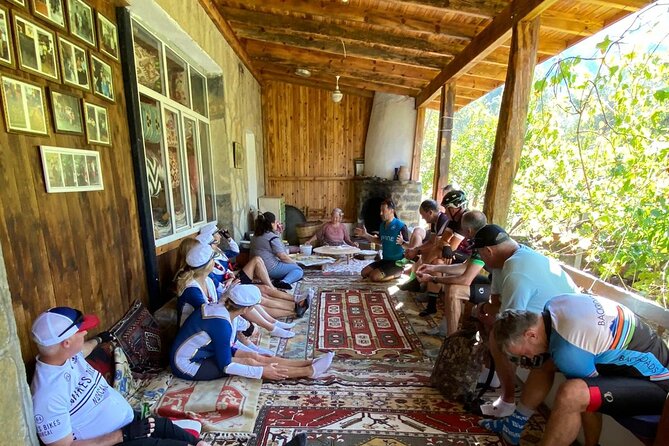
In the village, the flow usually goes like this: you get introduced to village life, you walk around with your guide, and you visit key parts of the community. One booking included a visit to a mosque that felt very different from what you see in the city, plus house visits to understand how people live day-to-day.
That context is useful because Turkish cooking isn’t just recipes. It’s daily habits—how food is stored, what grows when, and how olive oil and herbs show up again and again. Even if you’re only partially involved in a step, you’ll still understand the why behind the food.
If you’re sensitive to timing, keep this in mind: village life means people may be cooking in parallel, and lunch preparation is real work. That’s part of the charm. It can also mean the “teacher pace” isn’t always a perfect classroom tempo.
What you cook in Etrim: mezes, stuffed pepper, vegetable pie, and grape leaves
The menu is built around classic Aegean Turkish staples, so you’ll leave with the flavors you actually want to recreate. The tour describes a structure that typically includes a starter of 4–5 mezes, plus mains such as stuffed pepper and vegetable pie.
One important thing: you may not do every single step from start to finish on the exact dishes you’ll eat. In village kitchens, food can be partly prepared ahead, especially when a group arrives. So your hands-on time can vary from task to task—some guests report lots of participation in specific repetitive jobs, while others found they were more often assisting than cooking continuously.
Here are the kinds of tasks that show up during the cooking portion:
- Rolling grape leaves (dolma-style): you’ll likely do hands-on rolling, often with guidance on how to shape them
- Prep work: chopping, grating, and stirring can happen depending on group size and what’s needed that day
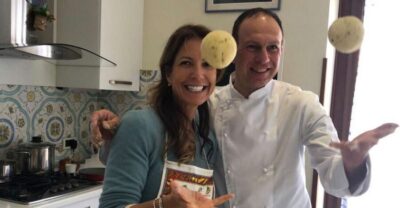
- Bread dough moments: at least some visitors get to handle dough and see wood-fire baking as part of the process
- Assembling dishes: some time is spent putting together components for the meal
If you’re the kind of traveler who loves a single dish deeply—say, dolma or stuffed vegetables—this can be great. You can get repetition, get a feel for texture, and understand how filling behaves. If you want full recipe-style instruction with precise ingredient breakdowns, you’ll want to manage expectations and ask questions in real time.
Also, the tour offers options to tailor menus for different diets, and vegetarians are welcome. That’s a big deal if you’re traveling with someone who doesn’t eat meat. It also tells you the kitchen isn’t planning one rigid menu for everyone.
The Aegean ingredient story: olive oil, figs, herbs, and seasonal vegetables
A big part of why this experience is worth your time is what it teaches indirectly: the Aegean is about ingredients that keep showing up. The tour notes that many key items come from the village and neighborhood—natural olive oil, figs, most vegetables, and vine leaves.
In practice, that means your meal will likely taste like the seasons. Seasonal vegetables are prepared by locals, and you’re eating in an authentic village setting, not a packaged meal environment. Even the breads are treated as part of daily life rather than an accessory.
If you’re a foodie, notice how olive oil changes everything. It doesn’t just add flavor—it affects how dishes feel: lighter, fresher, and more herb-forward than you might expect if you only know Turkish food from stews or grill-heavy meals. And when figs appear, they tend to show up in a way that feels local, not “tourist dessert.”
One practical advantage: because the tour highlights local sourcing, you’re more likely to understand how to recreate flavors at home. Instead of chasing obscure techniques, you can focus on getting good olive oil, fresh herbs, and the right vegetable ingredients when they’re in season.
Lunch in an authentic home: what you eat and what makes it satisfying
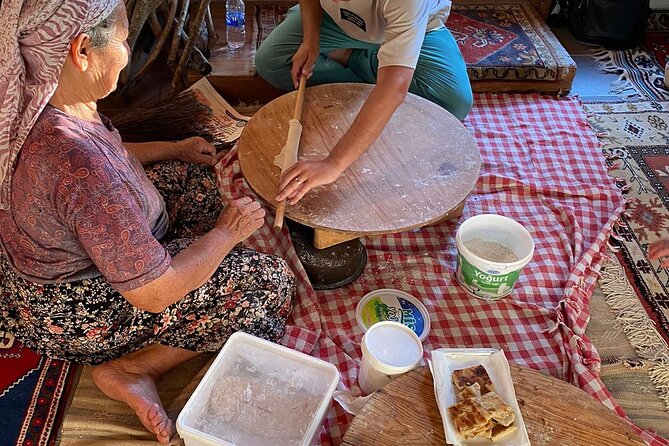
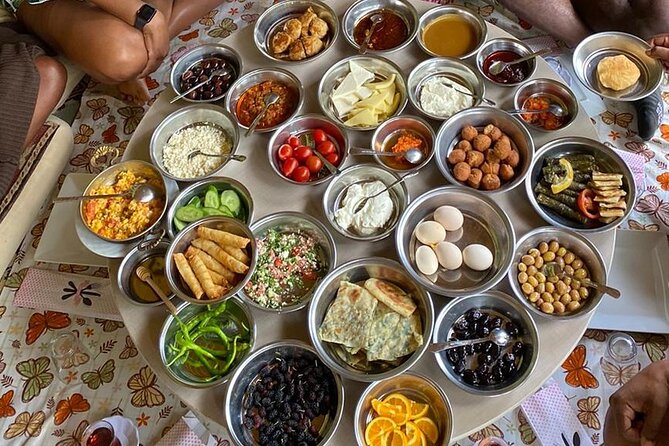
Lunch is a core part of the value here. You’ll sit down to a feast-style meal prepared by locals, and it’s described as seasonal fresh vegetables made for the day. Some food and bread are prepared using a wood fire, which can change the aroma and texture in a way you can’t fake later.
The experience also includes lunch, plus coffee and/or tea, and soda/pop. The tour summary also mentions enjoying wine from the same village, but alcoholic beverages are listed as not included. So if you want wine or beer, plan on it being optional and paid separately.
What makes the lunch especially memorable is that it tends to match the cooking work you did. Even if not every plate is exactly the dish you rolled or stuffed, the meal usually follows the same ingredient logic you were handling in the kitchen. That’s why it doesn’t feel like a switch to a generic restaurant menu.
A bonus detail: one booking included family-style eating with other guests. If you enjoy conversation, this can turn into a mini cultural chat. If you prefer quiet, you can still enjoy the meal without needing to socialize much—food is the common language.
The “real village” factor: meeting homes, gardens, and community people
One of the most praised parts is the sense of being treated like a visitor to the neighborhood, not a ticket number. You’ll be guided around Etrim village and spend time seeing how people live—house visits are part of the experience.
You also get a glimpse of village culture tied to everyday life, not just food. In one booking, the group toured the mosque and homes, then returned to the kitchen area where locals taught and guided cooking steps. This matters because it adds meaning to the food. You’re not only learning how to make something—you’re learning where the pride comes from.
There’s also a social layer that can make the day feel “heartwarming,” especially when the guide stays involved and helps you connect. One English-fluent guide named Tony was specifically mentioned in a positive booking for being warm and caring, plus sharing stories about the city, the village, and Turkey itself. If your guide is similar in style, it can completely change how connected the day feels.
Language and hands-on time: how to get full value from the class
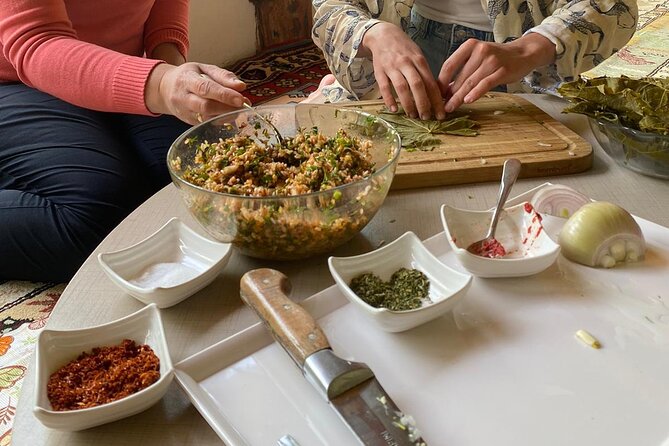
Let’s talk straight about expectations. This is described as a cooking class, and many tasks are hands-on, but reviews suggest the experience can lean toward helping in the kitchen more than delivering a perfect, continuous teaching flow.
So here’s how to make sure you get the value you want:
- Ask early whether you’ll be supported during the exact hands-on steps. If translation feels spotty, speak up so you can get ingredient and technique context.
- Choose at least one dish focus. If grape leaves are a highlight for you, commit to questions about filling texture, rolling tightness, and how they’re arranged—those are the details you’ll remember.
- If you’re a vegetarian, flag your preferences clearly at the start. The tour states it can tailor menus for diets, so you want those decisions handled early, not at the lunch table.
Also, if you’re hoping for lots of recipe takeaways and ingredient lists, you might find this is more “practical village cooking participation” than a printed recipe workshop. The provider even mentions that Turkish cuisine is rich and a half-day can only show examples; longer training courses exist for people who want deeper learning.
That doesn’t make the experience weaker. It just helps you aim correctly. Think of it as: you’ll taste the system, learn by doing, and leave with flavors you can recreate.
Price and value for money: what $59.64 buys you
At $59.64 per person for about six hours, this is priced like a strong full-day-adjacent experience—without being a full-day commitment. The value isn’t only the food. It’s the package of:
- Village access and guided tour
- A local driver/guide
- Kitchen work with locals (not just a demo)
- Lunch, coffee/tea, and soda/pop
- Air-conditioned vehicle
Alcohol is not included, and private transportation isn’t included—but the tour does handle the transport in an organized way and returns you to the meeting point.
If you compare it to doing lunch plus a half-day tour in the city, the difference is that your lunch comes from the same setting where you worked. That connection is where the value lives.
One more practical angle: this is often booked about 40 days in advance on average. That’s usually a sign it’s not just floating around with last-minute availability. If you’re traveling in peak season, booking earlier helps you lock in a spot without stress.
Who should book the Etrim village cooking day?
This tour fits best if you want more than eating in Bodrum. You’ll enjoy it if you’re:
- A food traveler who likes ingredient stories (olive oil, herbs, seasonal vegetables)
- Curious about village life near Bodrum, including community spaces like a mosque
- Happy to do repetitive hands-on tasks for a shared meal
- Traveling with someone vegetarian-friendly (vegetarians are welcome, and menus can be tailored)
- Looking for a small, personal experience rather than a large city-style group tour
It might be less ideal if you need a strict classroom experience with detailed measurements and a guaranteed “cook every step with the teacher watching you” approach. If that’s your goal, treat this as an introduction day and ask questions at every possible moment.
Should you book this cooking class in Etrim village?
Yes, I’d book it if you want a meaningful Bodrum food break—one that connects cooking to village life and ingredients you can’t easily recreate from packaged tourist meals.
Book it with the right mindset: you’re not signing up for a masterclass with full recipe scripting. You’re signing up for a day in Etrim where you’ll help, learn flavors, and eat what you made in a home setting. If you go in expecting a practical, village-scale experience with some hands-on repetition, you’ll probably love the day.
FAQ
How long is the Etrim village cooking class near Bodrum?
It runs for about 6 hours.
Where do I meet for the tour in Bodrum?
The start is at the Bodrum Tour – Boat Tours – Yacht Tours – Private Boat Tours meeting point at Umurca, Üçkuyular Cd. No:7 D:1b, 48400 Bodrum/Muğla, Türkiye.
Is the tour offered in English?
Yes, it’s offered in English.
Is this a private experience?
Yes. The listing notes it is a private tour/activity, meaning only your group participates.
What’s included in the price?
Included are a local driver/guide, bottled water, coffee and/or tea, lunch, soda/pop, and an air-conditioned vehicle.
Are vegetarian options available?
Yes. Vegetarians are welcome, and the cooking course can be tailored to suit different diets.
Are alcoholic beverages included?
No. Alcoholic beverages are not included.
What is the cancellation policy?
You can cancel for free up to 24 hours in advance for a full refund.