REVIEW · LISBON
Market Tour, Cooking Class And Lunch At Mercado de Arroios
Book on Viator →Operated by eatwith · Bookable on Viator
A home lunch starts at the market. This 4-hour Lisbon experience pairs ingredient shopping at Mercado de Arroios with hands-on cooking and a real table lunch, led by host Antónia in a small group. I love the local wine that flows with lunch and the fact that you’ll leave with take-home recipes, not just full bellies.
One thing to consider: this happens in a lived-in home, and the listing notes pets are in the house, so it’s worth mentally preparing if you’re sensitive to that.
In This Review
- Quick hits before you book
- Mercado de Arroios is the right place to start
- Meeting at R. Ângela Pinto 40D at 11:00 am
- Building your menu at the market with Antónia
- The ingredient stops you’ll actually remember
- From the market to the kitchen: a real Lisbon neighborhood pace
- Hands-on cooking: what you do (and what you don’t)
- The sample menu: from olives to crème brulée
- Starter: Amuse bouche with olives and cheeses
- Starter: Codfish cakes with salad (plus cured-meat and seafood touches)
- Main: Caldeirada à fragateira OR pork and sausages stew
- Dessert: Portuguese-style crème brulée
- Wine, conversation, and why this feels more real than a class
- Take-home recipes that help you cook later
- Price and logistics: what $206.72 buys you
- Who this Lisbon cooking class is best for
- Should you book this Mercado de Arroios market and cooking lunch?
- FAQ
- Is the tour in English?
- How long does the market tour and cooking class last?
- Where do I meet the host?
- What’s the group size?
- Are kids welcome?
- Are there take-home recipes?
Quick hits before you book
- Small group (max 4): more attention, more time to ask questions while you cook.
- Market-to-menu planning: you pick ingredients and help shape the menu based on what you like.
- Hands-on cooking: you prep alongside the host, not just watch from the sidelines.
- Portuguese lunch with wine: a multi-course meal that feels like an afternoon with friends.
- Take-home recipes: clear guidance so you can recreate the dishes later.
Mercado de Arroios is the right place to start
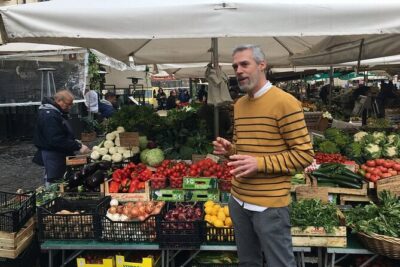
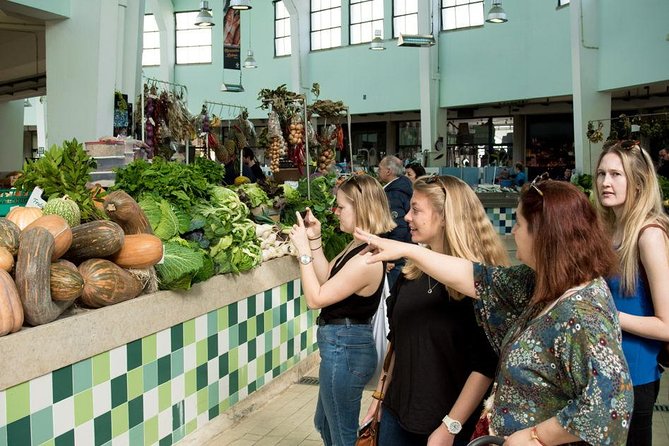
Mercado de Arroios sits in a local part of Lisbon where food is practical and close to daily life. Starting here matters because you’re not just ordering dishes in a restaurant. You’re learning what ingredients actually show up, what people look for, and how vendors think about quality.
I like that the market visit includes more than shopping. You’ll sample items while you browse, including cheeses, olives, and other small bites that set you up for what comes next. It’s a smart way to get your taste buds calibrated before you cook.
If you want your Lisbon food day to feel like it has a point, this is it. You’ll leave understanding how Portuguese cooking tastes, not just what you ate.
You can also read our reviews of more tours and experiences in Lisbon.



Meeting at R. Ângela Pinto 40D at 11:00 am
The experience begins at R. Ângela Pinto 40D, 1900-069 Lisboa, starting at 11:00 am. The timing is ideal for a late-morning market start, then a slow lunch. You’re also back at the meeting point afterward, which keeps the day from turning into a logistical puzzle.
You’ll be in English, with a mobile ticket, and you’ll get confirmation at booking time. It runs near public transportation, so you’re not stuck figuring out a complicated route across the city.
The host, Antónia, is described as drawing inspiration from her roots in the Alentejo region, and that shows in the way the menu gets built. Many people highlight her warmth and the way she involves everyone in decisions, from what to buy to what to cook.
Building your menu at the market with Antónia
Here’s the part that makes this feel more personal than a typical cooking class: you and your host build the menu around your preferences.
At the market, you’ll choose with the host what to cook. That means your lunch isn’t a one-size-fits-all script. If you’re more into seafood than meat, or want something hearty, you can steer the selection. And if you have dietary restrictions or allergies, the listing asks you to communicate them ahead of time so the host can plan accordingly.
Expect ingredient-focused guidance. The host explains what she’s picking and why. That matters because Portuguese cooking is not about complicated techniques; it’s about smart choices and the right balance. Once you understand those choices, you can cook the dishes later without needing to memorize a mystery recipe.
Also, it’s not only “buy and go.” The experience includes tasting at the best stalls along the way. One of the most common takeaways is that you leave feeling you learned how Portuguese pantry flavors fit together: olives, cheeses, bread, cured meats, and seafood.
The ingredient stops you’ll actually remember
In the market phase, your food day becomes sensory. You’re looking for fresh produce and working out what pairs with what. Based on the sample menu, you’ll likely encounter:
- Olives, cheeses, and tastings as a starter-style introduction
- Seafood ingredients that set up dishes like codfish cakes and clams
- Bread, cured meats, and board-style bites that show up in the lineup
- Vegetables and seasonings that become part of stews and salads
That appetizer-and-tasting rhythm is practical. It helps you learn Portuguese flavors in small, low-stress steps. By the time you get to the kitchen, you already know what each item is doing on the plate.
And the market context makes the rest make sense. If you’ve never tasted Portuguese food ingredients side-by-side, this is a quick way to train your eye and your palate.
From the market to the kitchen: a real Lisbon neighborhood pace

After shopping, you head to the host’s home. Multiple accounts describe it as a short walk, around a few blocks, so you’re not wasting your afternoon in transit.
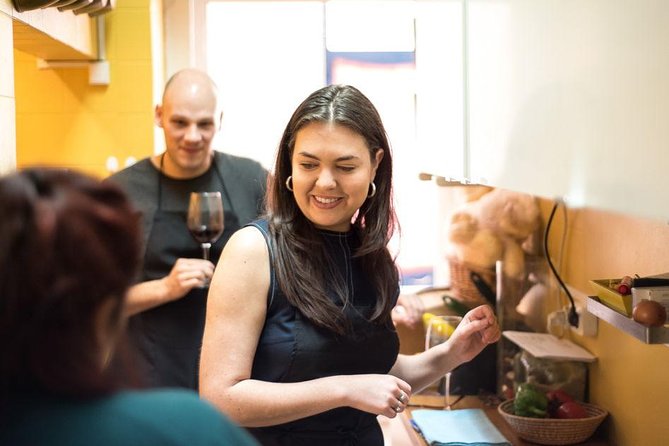
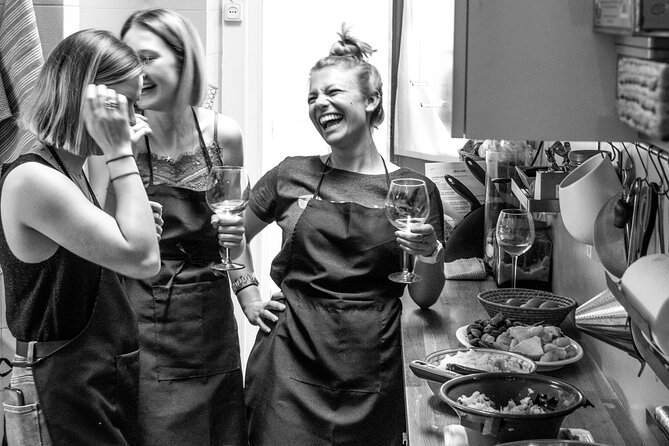
Once you arrive, you meet Luis, who’s noted as helping host the cooking day. In many stories, Luis keeps the wine going while the group cooks. That little detail matters. Wine isn’t treated like a separate “activity.” It’s part of the flow of the meal.
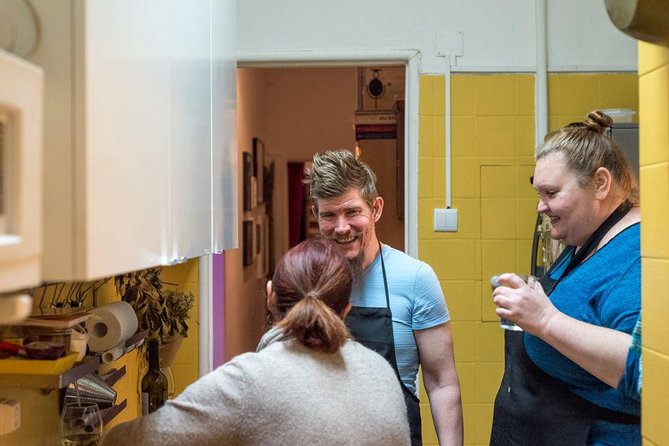
The home setup also changes the vibe. This isn’t a studio class with benches and glare. It’s a kitchen where people cook and eat like it’s normal life. You’ll likely see how the table gets set with fruit, cheeses, breads, jams, and all the extra components that make a Portuguese meal feel complete.
One more point for your expectations: this is described as family friendly, and the home has pets. If you’re traveling with kids, it’s generally designed to be comfortable for them, but if you’re uneasy around animals, plan for that ahead.

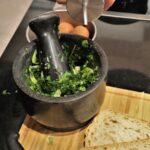
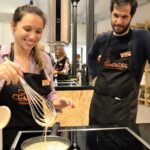


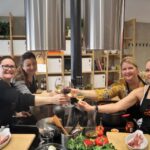
Hands-on cooking: what you do (and what you don’t)
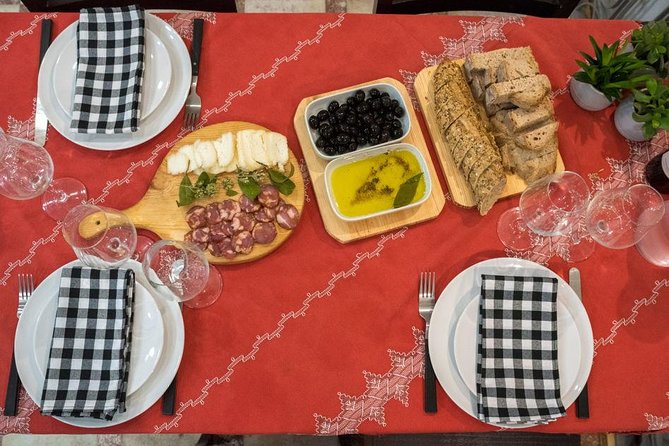
This class is built for participation, but it doesn’t force you into a task-heavy workout. The host asks for preferences, then brings you into prep and cooking steps.
Based on the menu structure, you’ll likely get involved in things like:
- prepping vegetables and components for salads
- assembling and cooking starters (like codfish cakes)
- helping with elements of the main course stew or braise
- setting up parts of the board-style bites
You’re not just tasting. The point is to learn how the pieces fit together so you can cook again later. Still, you can pace yourself. Many accounts emphasize that the day feels like being welcomed, not managed like a factory line.
If you’re hoping to pick up technique, Portuguese home cooking here is mostly about understanding flavor order. Start with bold ingredients (seafood, cured meats, olives), build with herbs and tomatoes/onions, and let the stews do their work.
One small but real perk: with a maximum group size of 4 travelers, there’s room for questions. You’ll get answers while you’re mid-recipe, not after everything cools down.
The sample menu: from olives to crème brulée
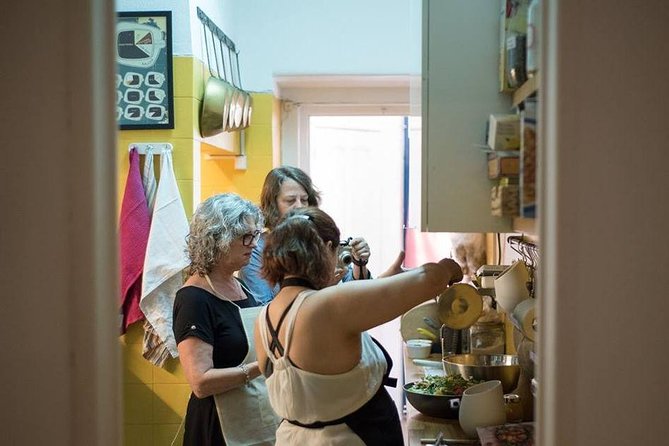
You’ll eat what you cook. The experience includes a multi-course lunch with Portuguese favorites. Here’s the sample menu lineup and what each part teaches you.
Starter: Amuse bouche with olives and cheeses
The amuse bouche is built around olives, cheeses, and tastings. It works as a flavor warm-up and also shows you how Portuguese starters often combine simple ingredients with strong tastes. You’re learning pairing instincts: salty with creamy, bright with mellow, and how bread ties it all together.
Starter: Codfish cakes with salad (plus cured-meat and seafood touches)
The second starter is codfish cakes with salad. The sample plan also lists items like chorizo with scrambled eggs, a salami and cheese board, clams, olives, and bread. That spread might look like a lot on paper, but it’s a realistic Portuguese lunch approach: you graze a bit, you switch textures, and you keep the table full.
Codfish cakes are a great dish to learn because they’re not just about frying. They’re about managing texture and seasoning. Then the salad adds freshness so the meal doesn’t feel heavy.
Main: Caldeirada à fragateira OR pork and sausages stew
For the main course, you’ll choose between:
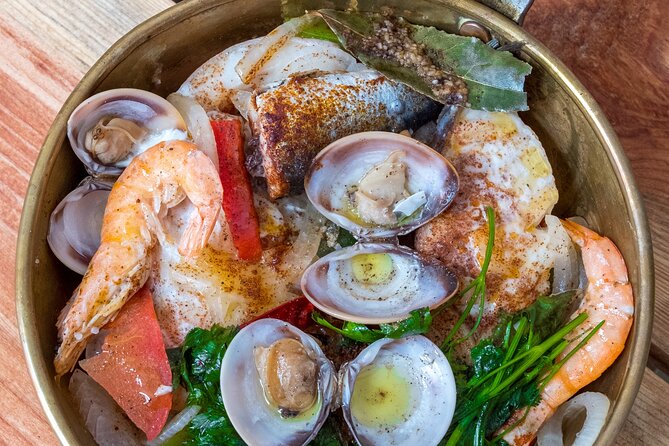
- Caldeirada à fragateira, a Portuguese fish stew, or
- Pork and sausages stew with potatoes and salad
If you love seafood, caldeirada is a strong choice. If you prefer something hearty and meat-forward, the pork and sausages stew fits the bill. Either way, stews are where Portuguese cooking often shines. You learn how to balance richness with herbs and acidity, and how to let time turn ingredients into something cohesive.
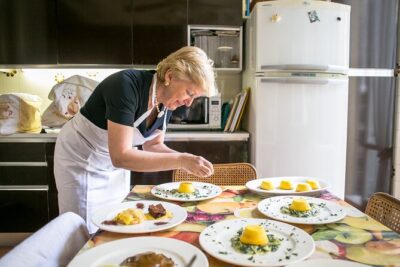
Dessert: Portuguese-style crème brulée
Dessert is Portuguese-style crème brulée, described as a creamy delight with a sticky burnt-sugar crust. The key takeaway here is contrast: smooth custard under a crisp, caramelized top.
This is also a good moment to ask questions. Dessert is where many people want to know how long to bake and how to get that crust without overdoing the sugar.
Wine, conversation, and why this feels more real than a class
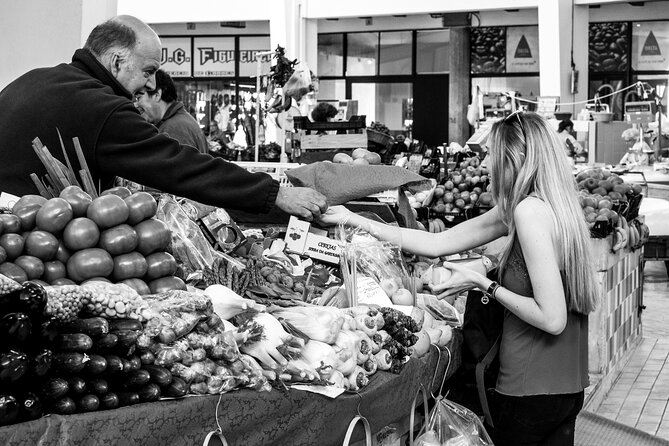
People often assume cooking classes are about food only. This one is food plus people.
Many accounts describe wine flowing during cooking and conversation that covers Lisbon and Portuguese life. That’s not filler. It’s part of the value. When you ask where ingredients come from or how dishes vary by region, the meal becomes context, not just calories.
Luis is frequently mentioned as warm and involved, with some accounts noting he’s a photographer and that there are photos around the home. Even if you don’t care about photography, it’s a reminder that you’re stepping into someone’s everyday world, not a staged performance.
If you’re looking for a chilled afternoon that still teaches you something, this format nails it. It’s not rushed and it’s not silent.
Take-home recipes that help you cook later
The experience doesn’t end at the table. You learn how to recreate the dishes with take-home recipes. That matters because the biggest problem with many food tours is you eat something amazing and then forget the exact flavors and process.
Here, the menu is specific enough that you can actually use the recipes. Between the market tasting phase and the hands-on prep, you’ll recognize ingredients and steps later.
Practical advice: when you receive your recipes, match them to what you tasted. Jot a quick note like which part felt most important to the flavor. For example, with stews, it might be herbs or the order ingredients go in. With crème brulée, it might be how the sugar sets.
You’re paying for more than a meal. You’re buying a chance to translate the experience into your own kitchen.
Price and logistics: what $206.72 buys you
At $206.72 per person for about 4 hours, you’re paying for three things at once: market time, a guided cooking session, and a full lunch with wine.
Is it a bargain compared to a restaurant meal? Usually no. But compared to the cost of doing all these things separately, it can be good value. You’re not just getting food. You’re getting:
- an ingredient-based tour of Mercado de Arroios
- a small-group cooking class with a host guiding decisions
- multiple courses, plus local wine with lunch
- take-home recipes
And because the group is capped at 4, you don’t feel like a number. That single detail changes everything. Larger tours often give you a quick glance at ingredients. Here, you can ask why something matters and how to handle it at home.
A few logistics notes that matter for planning: it starts at 11:00 am, it ends back at the meeting point, and it’s in English. If you’re thinking about bringing kids, the experience says kids are welcome. If you’re bringing a pet concern, the listing says pets are in the house, so consider that.
Cancellation is free if you cancel up to 24 hours in advance. That’s a decent safety net.
Who this Lisbon cooking class is best for
This experience fits best if you want more than a meal and you like the idea of learning through shopping and cooking with a real local host.
You’ll likely enjoy it if:
- you want a small-group day with real conversation
- you like seafood or meat stews and want to learn the Portuguese approach
- you value take-home recipes over just eating and moving on
- you’re comfortable in a home setting where pets exist
It may be less ideal if you dislike home environments or need a very controlled, pet-free space.
Should you book this Mercado de Arroios market and cooking lunch?
I’d book it if your perfect Lisbon day includes market shopping, a guided cooking flow, and a long lunch that turns into a memory. The combination of Mercado de Arroios ingredients, an at-home setup with Luis and Antónia, and take-home recipes gives this more staying power than most “eat your way through the city” plans.
Skip it only if pets in the home would make you uncomfortable or if you’re hunting for a big, polished production. This is about closeness, food, and conversation, not about spectacle.
If you want to understand Portuguese flavor the practical way, this is a smart bet.
FAQ
Is the tour in English?
Yes, the experience is offered in English.
How long does the market tour and cooking class last?
It runs for about 4 hours.
Where do I meet the host?
You meet at R. Ângela Pinto 40D, 1900-069 Lisboa, Portugal. The activity ends back at the meeting point.
What’s the group size?
The maximum group size is 4 travelers.
Are kids welcome?
Yes, it’s family friendly and kids are welcome.
Are there take-home recipes?
Yes. You’ll learn to recreate the dishes with take-home recipes.