REVIEW · SIHANOUKVILLE
Cooking class in Kampot
Book on Viator →Operated by Kampot Seafood & Pepper · Bookable on Viator
Cambodian cooking gets real fast. In Kampot, this class starts with a guided trip through the Khmer local market and ends in a traditional colonial house kitchen where you learn dishes like larb and amok with chef Sa Roun guiding the process. Two things I especially like: you get hands-on practice with fresh ingredients, and it’s truly private so your group moves at your pace.
You’ll also get menu choices and a meal that’s more than just a snack. The one thing to keep in mind is the 4-hour format can feel a little quick if you like slow, lingering cooking moments—still, it’s a solid, efficient way to learn a lot.
In This Review
- Key things to know before you go
- Entering the market in Kampot (and why it matters)
- The colonial house kitchen and picking your Cambodian menu
- What you’ll cook: larb, papaya salad, amok, and how to think about flavor
- Larb (for herb-and-heat balance)
- Papaya salad (for crunch and sour snap)
- Amok (for aroma, comfort, and curry-style depth)
- The 3-course meal feeling, with generous portions
- How the chef teaches: practical, paced, and built for repeat cooking
- Price and value check: what $33 really buys you
- Logistics that matter in Kampot: where to meet, timing, and pairing with your day
- Who should book this cooking class (and who might skip it)
- Should you book this Kampot cooking class?
- FAQ
- How long is the Kampot cooking class?
- Where does the class start and end?
- Is this class private?
- What does the price include?
- Are drinks included?
- What dishes will I learn to make?
- Do I need to do anything after booking?
- Is there mobile ticketing?
- FAQ
- What is the price for this experience?
- Is free cancellation available?
Key things to know before you go
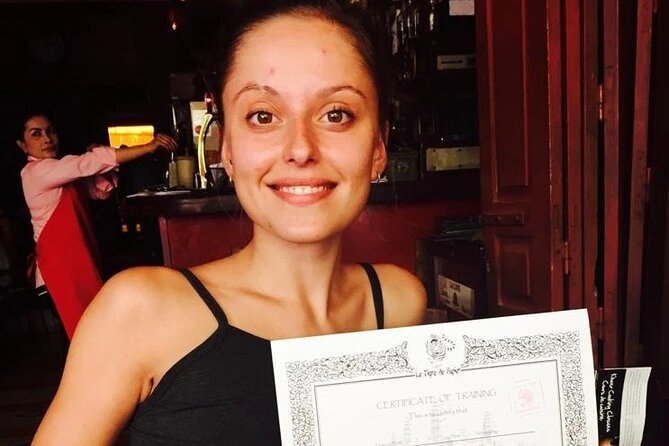
- Market tour first: see the ingredients and vegetables you’ll actually cook with.
- Pick what you cook: the menu-style setup lets you choose your starter, main, and dessert.
- Cambodian classics: larb, papaya salad, and amok are central to the experience.
- Big, satisfying meal: portions are generous once everything is plated.
- Diet swaps may be possible: you may be able to replace meat with tofu if needed.
- Your tutor helps you repeat it later: you leave with practical technique tips, not just recipes.
Entering the market in Kampot (and why it matters)
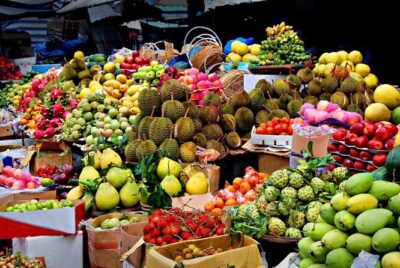
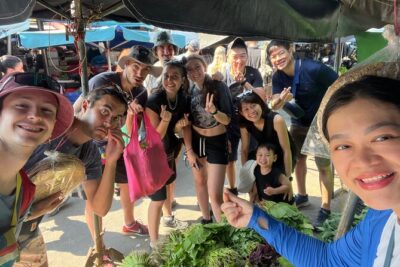
The class doesn’t begin with aprons and chopping boards. It starts at the Khmer local market, where the chef/tutor takes you through the ingredients you’ll use later in your dishes. This order is smart. You’re not just cooking names from a menu—you’re learning what things look like, how they’re chosen, and what role they play in Cambodian flavor.
You’ll also spend time on vegetables and other produce tied to the dishes. That’s useful because Cambodian cooking often relies on fresh balance: crunch, herbs, citrusy brightness, and heat working together. Even if you don’t buy anything, seeing the ingredients up close helps you understand what to look for back home.
One practical benefit: you’ll likely recognize flavors later when you taste your own food. That makes the meal more rewarding, because you’re not guessing. You’re connecting your earlier shopping walk to what’s happening on your plate.
The colonial house kitchen and picking your Cambodian menu
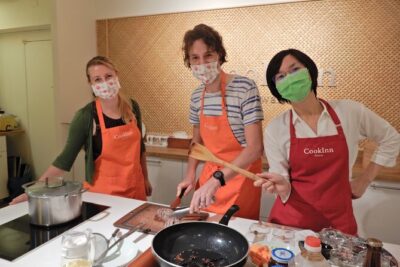
After the market tour, you’ll head to the cooking space in the center of Kampot near the river area, inside a traditional colonial house setup. This isn’t some distant cooking studio. It’s a local, lived-in-feeling place that keeps the day grounded in Kampot—not just a staged “tour” moment.
Then comes the part you’ll enjoy most: choosing what you cook. Based on what’s been shared from real classes, you can typically select items from a menu format—often including a starter, a main, and a dessert. That matters if you’re picky, adventurous, or traveling with mixed tastes.
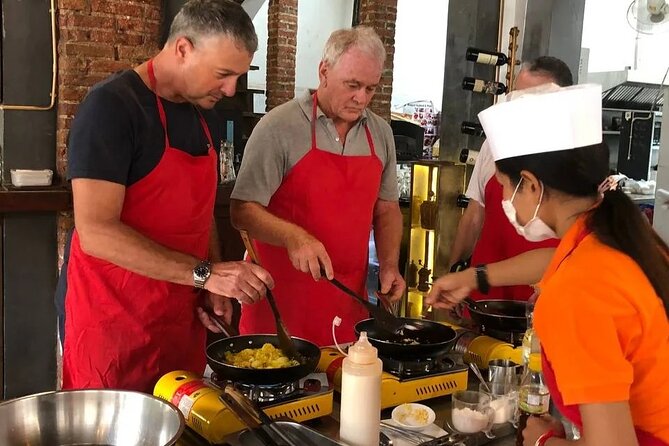
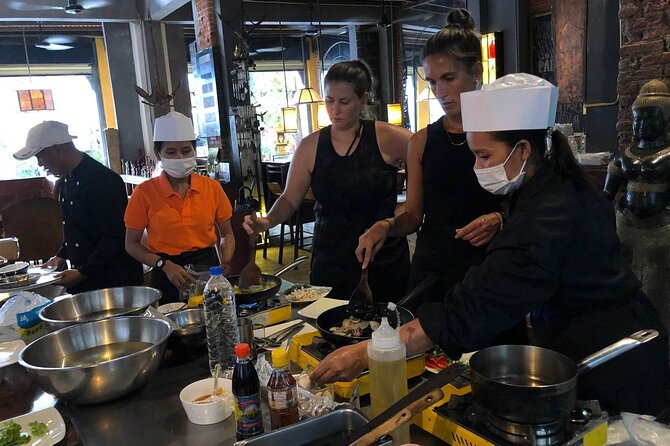
Another plus is that the chef’s instruction is in plain terms and easy to follow. One standout detail from past sessions is how well the tutor communicated in English, and how hands-on the guidance stayed during prep. If you’ve ever done cooking class where you mostly watch, this one is the opposite—you’re doing the work.
And if you have dietary restrictions, ask before you arrive (or share them at booking). In at least one experience, a tofu swap was arranged, showing they’re open to changes when possible. You can also adjust how you approach spice and seasoning during cooking since you’re learning the method in real time.
What you’ll cook: larb, papaya salad, amok, and how to think about flavor
Cambodian cuisine has a specific rhythm. It’s not only about one bold ingredient; it’s about balance—herbs, aromatics, sour elements, and chili heat all playing roles. The class gives you a real taste of that with dishes like larb, papaya salad, and amok.
Larb (for herb-and-heat balance)
Larb is the kind of dish that trains your senses quickly. You’re learning how herbs and aromatics show up in the final flavor, not just as garnish. You also get a feel for how sour and salty elements work together, so the dish tastes bright instead of flat.
If you like Cambodian food for its bite, larb is usually where you feel the technique click. It’s also a dish you can recreate later with the right herb mix and a careful seasoning approach.
Papaya salad (for crunch and sour snap)
Papaya salad is about texture and contrast: crunchy base, bright dressing, and controlled heat. The cooking process helps you understand how to keep the salad lively rather than soggy. You’ll see how the dressing and seasoning decisions affect the final bite.
This is a great pick if you want to learn a dish that’s forgiving at home. Even if your ingredients aren’t identical, the balancing logic is what makes the flavor work.
Amok (for aroma, comfort, and curry-style depth)
Amok is often the dish people remember because it feels both comforting and special. It leans toward a curry-style profile with fragrant seasoning and a rich, satisfying texture. In past classes, fish amok has been described as unforgettable, and that tracks: it’s one of the more “wow” dishes once you taste your finished work.
From a learning standpoint, amok teaches you how Cambodian spices behave when cooked. You get the difference between raw aromatics and cooked depth, which is one of the hardest things to pick up from recipes alone.
The 3-course meal feeling, with generous portions
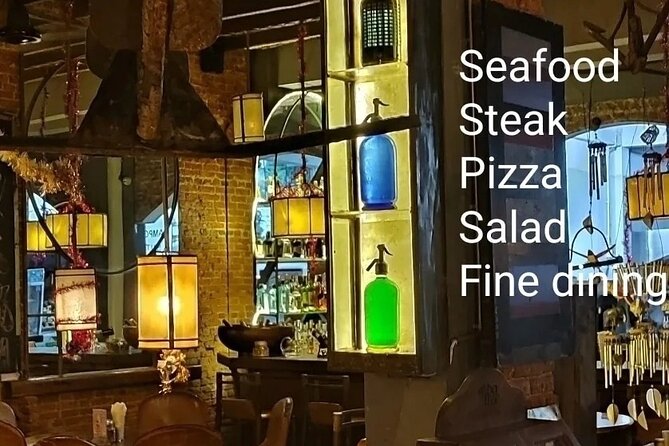
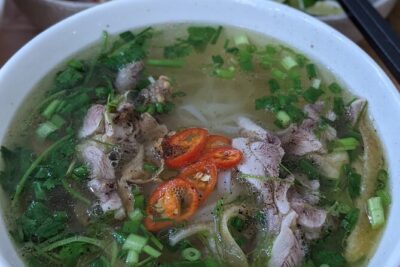
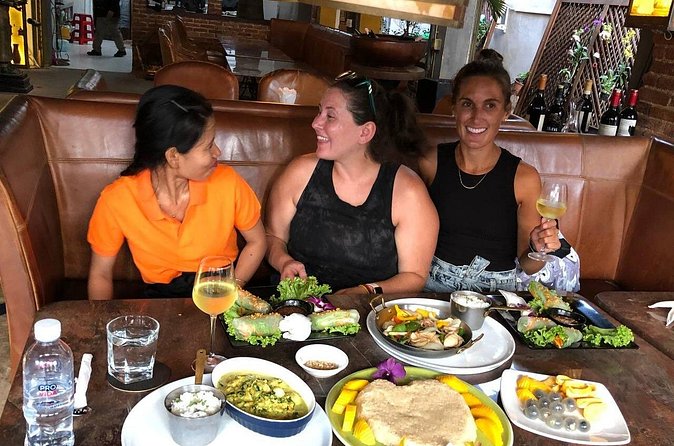
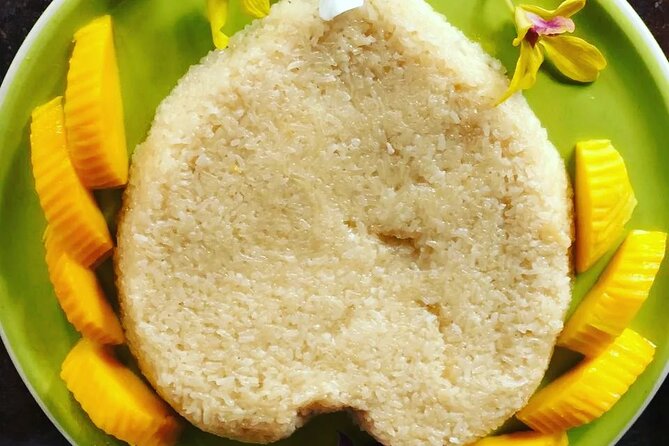
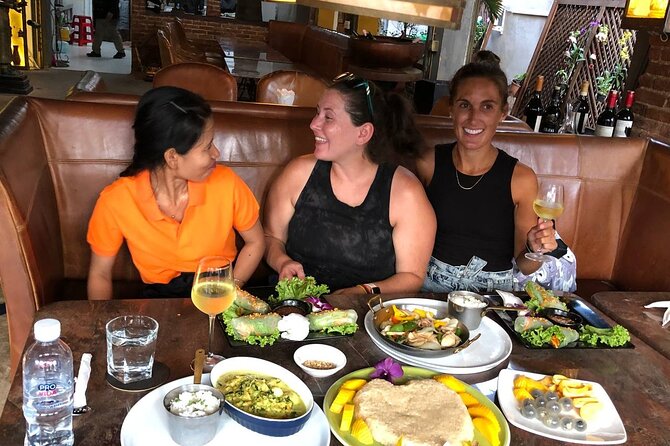
The end goal here isn’t just knowledge—it’s eating what you cooked. You’ll sit down for a meal that’s effectively a 3-course setup in many cases: starter, main, and dessert. And yes, portions can be very generous.
That matters for two reasons. First, you’re getting actual value: you’re paying for a full experience, not a tiny taste. Second, it lets you compare your expectations to the real result. When your flavors land correctly, you’ll understand what you did right.
One practical note: drinks are not included. Plan to bring cash for water or other beverages if you need them. Since the class is a full 4-hour block, being hydrated helps you enjoy the market walk and the active cooking pace.
If you’re the type who finishes everything on a busy day, you might still end up wanting leftovers. Some people have needed a doggy bag because they simply couldn’t finish the amount on offer.
How the chef teaches: practical, paced, and built for repeat cooking
Good cooking classes don’t just say what to do. They explain why the step matters. That’s where this one shines, especially with chef Sa Roun in the mix.
You’ll get guidance that covers:
- what each ingredient contributes to flavor
- how the prep steps affect the final dish
- how to season during cooking, not only at the end
- how to adjust if you want less heat or a different protein choice
You also get a group rhythm that works well for a private class. Since it’s only your group, you can ask questions without feeling rushed. And because you’re cooking multiple dishes, you build momentum: once you understand one seasoning step, you can reuse that thinking in the next dish.
A quick warning on timing: one experience mentioned the pace can feel a bit fast. That doesn’t mean it’s chaotic, just that the day is structured and there’s a lot to do in 4 hours. If you want extra time to take photos or ask lots of side questions, go in with a flexible mindset.
Price and value check: what $33 really buys you
$33 for a 4-hour private Cambodian cooking class with ingredients included isn’t a random price. It’s basically paying for three things at once: instruction, ingredients, and the market component that sets the whole flavor context.
Here’s the value breakdown in plain terms:
- Ingredients and training included means you’re not supplementing the class with extra costs for key items.
- Food and market tour included means you’re not only learning in the kitchen. You’re learning before you cook.
- Private format means you’re not splitting time with a larger crowd, so the chef/tutor can focus on your group.
The main “cost” to plan for is drinks, since those aren’t included. Other than that, most of the experience is packaged and predictable, which is exactly what you want when you’re traveling.
If you’re comparing this to doing a market + cooking session separately, the combined format usually wins. It saves time and gives you a teacher to translate what you see into what you cook.
Logistics that matter in Kampot: where to meet, timing, and pairing with your day
You meet at Kampot Seafood & Pepper / the cooking class location at 1 Ousaphea, 07000, near the central river area (easy to find by local landmark). The class ends back at the meeting point, so you’re not scrambling to get home afterward.
Duration is about 4 hours. That’s long enough to learn a lot and eat comfortably, but short enough that it doesn’t swallow your entire day. If you’re also planning a riverside walk or pepper-related sightseeing in Kampot, this class is a great “anchor activity.”
One more practical note: it’s near public transportation. Even if you don’t rent a motorbike, you should be able to connect easily to it.
Who should book this cooking class (and who might skip it)
This is a strong choice if you:
- want to learn Cambodian cooking you can actually repeat at home
- enjoy market walks where you understand ingredients before cooking
- like guided, hands-on cooking instead of watching from the sidelines
- travel as a couple or small group and prefer privacy
It may be less ideal if you:
- need an ultra-slow pace with lots of downtime
- only want casual snacks and zero cooking effort
- expect drinks to be included in the price
But for most people visiting Kampot, the market-to-meal flow makes it feel complete. You leave with food you made and techniques you can use again, not just a memory.
Should you book this Kampot cooking class?
Yes, if you want a high-value way to understand Cambodian cuisine in a short time. The combination of market context, chef-led hands-on cooking, and a meal that feels like a real 3-course sit-down is exactly the kind of experience that turns travel food into a skill.
Book it especially if you’re excited by Cambodian classics like larb, papaya salad, and amok, or if you want a private setting where you can ask questions and move at your group pace. Just remember that drinks aren’t included, and the 4-hour structure can feel a bit fast if you like to linger.
FAQ
How long is the Kampot cooking class?
It runs for about 4 hours.
Where does the class start and end?
You start at Kampot Seafood & Pepper / the cooking class meeting point at 1 Ousaphea, 07000 (near the river area), and the activity ends back at the meeting point.
Is this class private?
Yes. It’s a private tour/activity, so only your group participates.
What does the price include?
The price includes the cookery training and ingredients, plus the food and market tour.
Are drinks included?
No. Drinks are not included.
What dishes will I learn to make?
The class focuses on traditional Cambodian dishes such as larb, papaya salad, and amok.
Do I need to do anything after booking?
You’ll receive confirmation at the time of booking.
Is there mobile ticketing?
Yes. The experience uses a mobile ticket.
FAQ
What is the price for this experience?
The price is $33.
Is free cancellation available?
Yes, free cancellation is available. You can cancel up to 24 hours in advance for a full refund.