REVIEW · CUENCA
Cooking Class & Market Tour in Cuenca
Book on Viator →Operated by Cuenca Bestours Tour Operator · Bookable on Viator
Your lunch starts at the market. In this Cuenca experience, I love handpicking fresh ingredients at Mercado 10 de Agosto and the chance to learn classic Ecuadorian dishes step by step, from locro de papas to seco de pollo. You also get a real-home setting where the food feels personal, not staged.
One consideration: the cooking space can be a bit tight, so you may help more at certain stations than stand shoulder-to-shoulder the whole time—totally workable, just go in with the right expectations.
In This Review
- Key Highlights Worth Your Time
- Mercado 10 de Agosto: Where Your Lunch Gets Real
- A Home Kitchen Lesson, Led with Real Familiarity
- What You’ll Cook: Locro de Papas and Seco de Pollo
- Stop-to-Plate Timing: How the 4 Hours Usually Feel
- Lunch You Can Actually Picture: Hearty, Local, and Shared
- Value in Plain Numbers: Why $54.99 Can Make Sense
- Guides and Comfort: Translation and Friendly Teaching Matter
- Vegetarian or Vegan? You’ll Want to Plan This Part at Booking
- Who This Cuenca Cooking Class Is Best For
- Should You Book Cuenca Bestours Cooking Class & Market Tour?
- FAQ
- How long is the Cuenca cooking class and market tour?
- How much does the tour cost?
- What’s included in the price?
- Where does the tour take place?
- Is there a vegetarian or vegan option?
- What size is the group?
- Is pickup provided, or do I need to get there on my own?
- What dishes might we learn to prepare?
- What is the cancellation policy?
Key Highlights Worth Your Time
- Mercado 10 de Agosto ingredient picking: You choose what goes into lunch, not some pre-bagged list.
- Small group size (max 8): Easier conversation, better pacing, less waiting around.
- A real family-kitchen feel: You’re learning in a home setting, not a warehouse classroom.
- Classic Ecuadorian cooking lessons: Expect guidance on local flavors and technique.
- Lunch + coffee or tea included: You eat what you cook, and it’s part of the experience, not an add-on.
Mercado 10 de Agosto: Where Your Lunch Gets Real
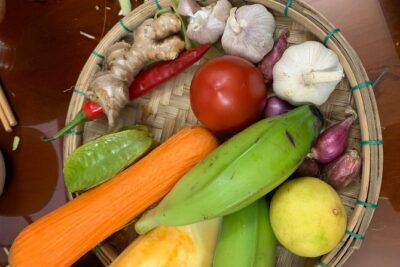
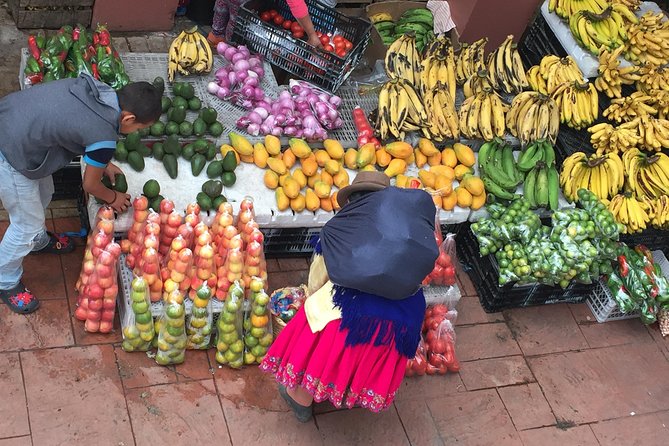
Cuenca’s best food memories often start before the first pot hits the stove. This tour begins at the Mercado 10 de Agosto, a local market where you can actually see the ingredients you’ll be cooking with.
What I like about this stop is simple: it makes the meal feel earned. Instead of being handed a basket and told what to make, you pick items that reflect what’s available locally and how vendors prepare food day to day. That choice matters because Ecuadorian cooking is about balance—starches, herbs, dairy, spices, and fresh produce all playing together.
If you want a fast primer on the region’s food culture, the market is where you get it. In the process, guides have shared color and context about the produce—everything from local fruits to what people look for at different stalls—so you leave with more than recipes. You get a sense of how the food world works in Cuenca.
There’s also a practical upside for anyone short on time: the market portion is built in, so you’re not trying to figure out where to go after landing or after sightseeing. Pickup and drop-off are included, which keeps the day from turning into logistics.
A Home Kitchen Lesson, Led with Real Familiarity
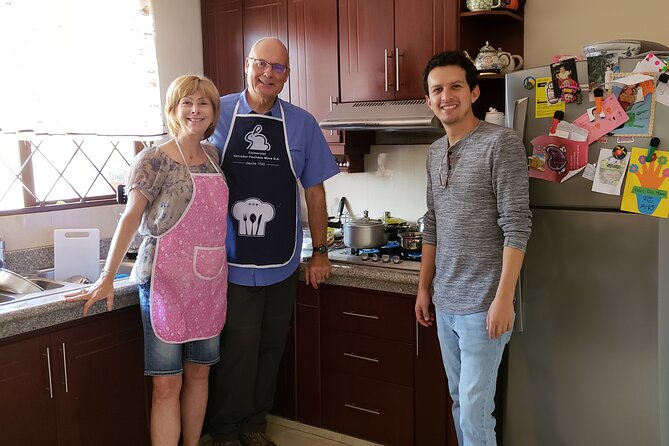
After the market, you head to a local family kitchen. This is one of those parts of the day that can’t be faked. Even when the menu is straightforward, the home setting changes the tone: it’s less performance, more teaching and conversation.
You’ll be guided step by step by the chef. The goal isn’t just to hand you a recipe card—it’s to show you how Ecuadorian cooking fits together. That means learning how ingredients are used, when flavors are added, and how dishes get their character.
In past experiences with guides like Wilson, the market stop and kitchen teaching often come with easy translation support for non-Spanish speakers. That makes a difference. When you can actually understand what you’re doing, the cooking class turns from entertainment into a skill you can repeat at home.
You may also meet the family host in a welcoming way. Some hosts have been described as genuinely kind and warm, which helps you relax. In a small-group class, that matters. You’ll likely feel like a short-term member of the table rather than a customer standing at a distance.
What You’ll Cook: Locro de Papas and Seco de Pollo
Ecuadorian comfort food is built on hearty ingredients. This is one reason the dish options are so good for a first Ecuador cooking class: they’re flavorful, filling, and very “this is why locals eat this.”
Depending on what option is available, you might cook Locro de papas or Seco de pollo (or another local dish in the same family of flavors). Here’s what you can expect from that style of cooking based on how these dishes are typically built:
Locro de papas is usually potato-forward and creamy, with a thick, satisfying texture. You’ll likely work with ingredients that give body and flavor, then learn how to get the consistency right without rushing.
Seco de pollo is more savory and spiced, with a sauce that clings to the chicken. You’re learning the timing—when to let spices bloom, when to simmer, and when the kitchen smell tells you it’s ready.
The key value here is process. If you only taste the final product, you miss the real win: understanding how Ecuadorian cooks build flavor in layers. That’s the part you can bring home, even if you can’t recreate every local ingredient exactly.
The class format also matters. You’re invited to help, but the guide will pace it so everyone can participate. In reviews of similar days, people sometimes found the kitchen layout a little tight, especially with multiple participants inside at once. That doesn’t mean you won’t get hands-on—it just means you might rotate tasks or focus on specific steps rather than doing every single action.
Stop-to-Plate Timing: How the 4 Hours Usually Feel
The tour runs about 4 hours. That’s a sweet spot: long enough to include a real market stop, a kitchen lesson, and a meal you’ll remember. Short enough that it doesn’t swallow your whole day or steal your entire evening.
A normal flow looks like this:
- You meet up and start with Mercado 10 de Agosto ingredient selection.
- You then go to the family kitchen for the cooking lesson and step-by-step instructions.
- You finish by eating the lunch you made, with coffee or tea included.
The upside of this timing is confidence. You’ll know when food is coming. You won’t be stuck wandering hungry or wondering whether lunch is an afterthought.
The only caution is your appetite for doing things at a human pace. A home-kitchen class can move slower than a fast demo. That’s not a flaw—it’s how you learn. Just don’t plan a second activity right on top of your pickup time.
Lunch You Can Actually Picture: Hearty, Local, and Shared
By the time you sit down to eat, the meal shouldn’t feel like a random lunch included with a tour. It should feel like your work. With all ingredients included and lunch included, you’re set up to taste what the process was aiming for.
Ecuadorian lunches in this style tend to be filling. Even if you’re not used to potato-based dishes or thick sauces, they’re built for satisfaction. And because you cooked the dish (or at least helped with key steps), you’ll notice flavors more clearly—what tasted brighter when you added it, what thickened at the right moment, and how the final seasoning balances everything.
There’s also a social element. People have described feeling welcomed in a traditional Ecuadorian home, which changes how the meal lands. You’re not just eating—you’re sharing a table where the food is the conversation.
And yes, the drinks are part of it. Having coffee and/or tea with lunch turns the end of the tour into a proper reset, not an abrupt “okay, thanks, bye.”
Value in Plain Numbers: Why $54.99 Can Make Sense
At $54.99 per person, you’re paying for more than a class. You’re paying for a market experience, transportation, ingredients, instruction, and the meal itself—wrapped into a small-group format.
Here’s how I’d think about value:
- The market stop costs time and effort, and you’re getting expert guidance for that time.
- The ingredients are handled for you, which matters because fresh produce and kitchen basics aren’t always easy for visitors to source quickly.
- Hotel pickup and drop-off takes away a chunk of hassle.
- Lunch is included, which means you don’t need to budget an extra meal afterward.
When a tour includes those pieces together, the price stops feeling like you’re buying “just cooking.” You’re really buying an afternoon of local food culture, with the tasting built in.
Also, the tour is capped at 8 travelers, which is the kind of group size where you can actually ask questions and get help when you’re cooking. In big classes, you often spend more time waiting than learning. Here, the smaller setup supports better interaction.
Guides and Comfort: Translation and Friendly Teaching Matter
Food education goes a lot better when you feel comfortable. Guides like Wilson, Peter, and Alexandra (from different class experiences) have been described as friendly, with real effort put into making visitors at ease.
A couple practical ways that shows up:
- Translation support for people working with limited Spanish helps you follow the steps and ask questions.
- Guides often explain what you’re seeing in the market—like different fruits and how vendors talk about produce—so the market doesn’t become random browsing.
- In the kitchen, friendly teaching helps you focus on technique rather than feeling lost.
If you’re traveling solo, that matters even more. A small group plus a patient guide can turn a cooking class from awkward to genuinely fun.
Vegetarian or Vegan? You’ll Want to Plan This Part at Booking
Good news: there is a vegetarian or vegan option. You just need to advise when you book.
That’s important because cooking classes live or die by ingredient choices. If you wait to request dietary adjustments late, it can limit what can be prepared smoothly. So when you know your needs, tell the operator ahead of time so they can match your menu to your dietary plan.
Who This Cuenca Cooking Class Is Best For
This tour fits best if you want:
- An authentic Ecuadorian food experience without needing deep cooking knowledge
- A market visit that feels practical, not just photo stops
- A small-group day with enough personal attention to learn something you can repeat
- A hearty lunch and a story you’ll want to tell later
It’s also a strong pick for people who like food culture but don’t want the full-day commitment of a long tour. At around 4 hours, it slots into a typical Cuenca itinerary nicely.
If you hate the idea of being active in the kitchen, keep expectations realistic: it’s a cooking class, and you’ll help when possible. Still, if space is tight, your role may shift to tasks that fit the kitchen flow.
Should You Book Cuenca Bestours Cooking Class & Market Tour?
If you’re excited about Ecuadorian food—especially classics like locro de papas and seco de pollo—I’d lean yes. The combo of Mercado 10 de Agosto ingredient picking, a home-kitchen lesson, and lunch you made yourself is a high-impact way to spend a few hours in Cuenca.
I’d book especially if you:
- Want an experience with small group size (max 8)
- Like hands-on learning, even if it’s not every single step in a tight kitchen
- Appreciate that the price includes pickup, ingredients, and the meal
Skip it or adjust expectations if:
- You’re expecting a super spacious, studio-style cooking setup where you’ll do everything at once
- You need a completely hands-off role in the kitchen (you’ll likely be invited to help)
For most people, this is exactly the kind of food day that makes travel taste better.
FAQ
How long is the Cuenca cooking class and market tour?
The tour lasts about 4 hours.
How much does the tour cost?
It costs $54.99 per person.
What’s included in the price?
Hotel pickup and drop-off, a market tour, a tour guide/driver, all ingredients, lunch, all taxes/fees/handling charges, and coffee and/or tea.
Where does the tour take place?
It takes place in Cuenca, Ecuador, including a stop at Mercado 10 de Agosto.
Is there a vegetarian or vegan option?
Yes. A vegetarian or vegan option is available if you advise at the time of booking.
What size is the group?
The tour/activity has a maximum of 8 travelers.
Is pickup provided, or do I need to get there on my own?
Hotel pickup and drop-off are included, and the tour is near public transportation.
What dishes might we learn to prepare?
The class options include Ecuadorian dishes such as locro de papas and seco de pollo, depending on the options available.
What is the cancellation policy?
You can cancel for a full refund up to 24 hours in advance of the experience start time. If you cancel less than 24 hours before, the amount paid is not refunded.