REVIEW · OSAKA
Osaka: Roll and Authentic Sushi Making Class in Dotonbori
Book on GetYourGuide →Operated by Sushi Making Japan | Cooking Class in Japan · Bookable on GetYourGuide
Sushi class in Osaka beats watching videos.
This 100-minute session in Dotonbori/Shinsaibashi turns sushi history into a quiz and then puts your hands to work. I especially like the friendly, English-speaking instructors who keep things light while still teaching real technique.
I also love the simple payoff: you make sushi and then you eat what you made, no awkward waiting or leftovers. The room stays organized and clean, and the group size feels small enough that you get help when your roll starts to look… creative.
One thing to plan for: the class runs on a tight clock. If you move slowly at the end, you may feel a little rushed to finish and eat.
In This Review
- Key highlights worth your attention
- Where Dotonbori meets the class: Shinsaibashi meeting point
- The 100-minute flow: quiz, technique, and eating what you build
- Sushi history quiz: small fun facts that actually stick
- Roll sushi (maki): the technique behind a tight, clean wrap
- Authentic Japanese sushi skills: nigiri-style focus
- What you eat in the end: value is built into the meal
- Instructors and group vibe: the energy you remember
- Dietary options in Osaka: vegan, halal, gluten-free (with rules)
- Price and value: is $45 fair in this location?
- Who should book this sushi class?
- Should you book Sushi Making Osaka?
- FAQ
- Do I need any cooking experience to join?
- What types of sushi will I make?
- Is the class taught in English?
- Where is the meeting point, and how do I get there?
- Are dietary needs like vegan or halal available?
- Is hotel pickup included?
- Can I cancel and get a full refund?
Key highlights worth your attention
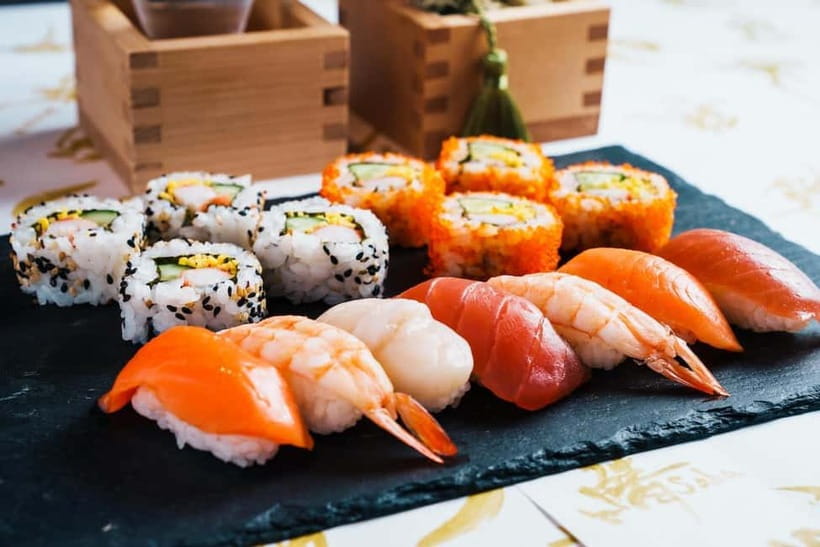
- Quiz-first sushi history that keeps the vibe fun, not like school
- Roll sushi + authentic Japanese sushi (maki and nigiri-style work) in one session
- Eat everything you make with plenty of ingredient support
- English-speaking local hosts like Shoki, Yui, Takara, Hinata, Rika, and more
- Diet options available (vegan, vegetarian, gluten-free, halal) with advance notice
Where Dotonbori meets the class: Shinsaibashi meeting point
This class is in central Osaka, a short walk from Shinsaibashi Station, right where you’ll already be hunting for street food. The meeting point is on the 3rd floor of the Galleria Acca Building, about a 5-minute walk from the station.
There’s a practical detail worth knowing: the building entrance can be a little easy to miss because it sits inside a concrete structure. In one helpful note from a past participant, there’s an elevator, but it may not take you all the way to the workshop floor. If you’re bringing mobility needs, I’d plan to arrive a few minutes early and ask the staff at the entrance what path works best for you.
You can also read our reviews of more tours and experiences in Osaka.

The 100-minute flow: quiz, technique, and eating what you build
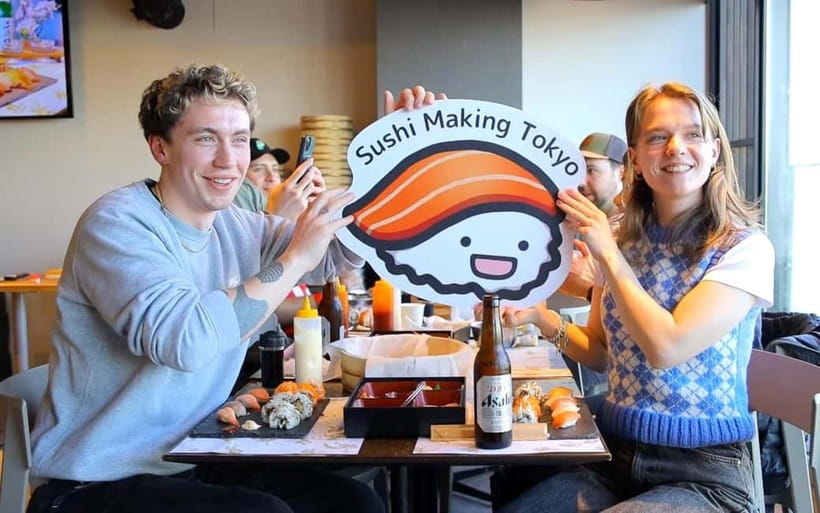
You’re looking at a 100-minute experience built around three phases: learn a bit, make a lot, and then eat. No prior cooking experience is needed. That’s not just marketing. The staff explain the steps, and the ingredients are set up so you’re not starting from zero like it’s a home-cooking marathon.
Here’s the rhythm you can expect:
1) Welcome and sushi history (interactive quiz)
You start with an easy, lighthearted sushi history segment. Instead of a dry lecture, it’s interactive. It helps you understand what you’re making, and why sushi evolved the way it did.
2) Rolling and shaping sushi
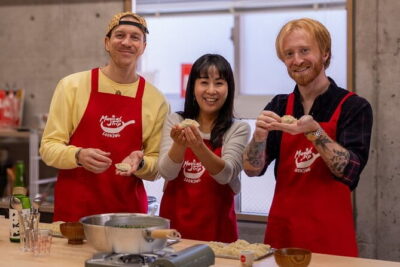
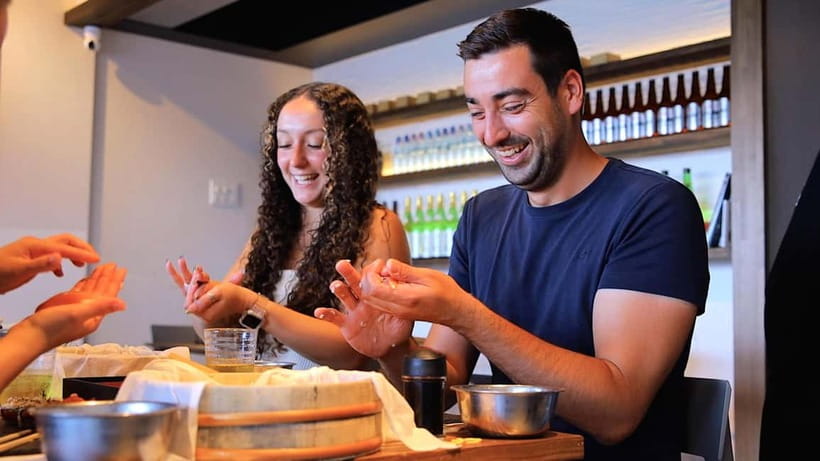
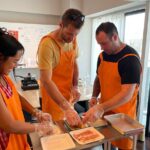
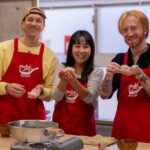
Then you move into hands-on work. You’ll make two styles: a roll (maki) and an authentic Japanese type of sushi (the class is clearly set up for nigiri-style technique as well). Even if you’re not confident with rice handling, the instruction keeps you on track.
3) Eat your sushi and wrap up
At the end, you sit down and eat. One of the best parts is that you get to finish what you make, rather than only tasting a bite.
A heads-up that comes up from real experiences: the total time is fixed, so the ending can feel like you’re trying to land the last details before plates are cleared. If you’re someone who likes to savor slowly, go in ready to focus during the final minutes.
Sushi history quiz: small fun facts that actually stick
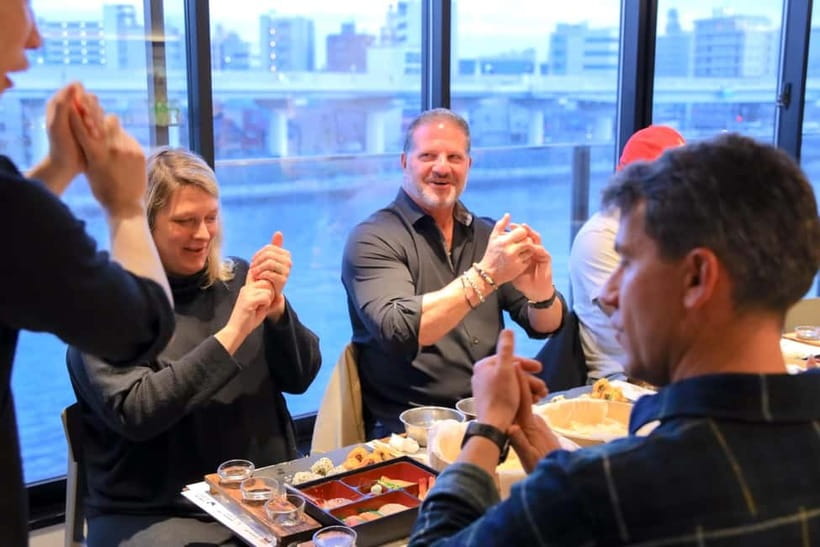
This class doesn’t treat history like trivia you’ll forget. It uses an interactive quiz to set context fast. That matters, because sushi isn’t just food. It’s food with a story.
You’ll learn enough about sushi’s background to understand why the ingredients and techniques matter. And because the quiz is built into the start, you get momentum right away. Past participants described it as interesting and fun, not a forced “sit and listen” moment.
Roll sushi (maki): the technique behind a tight, clean wrap
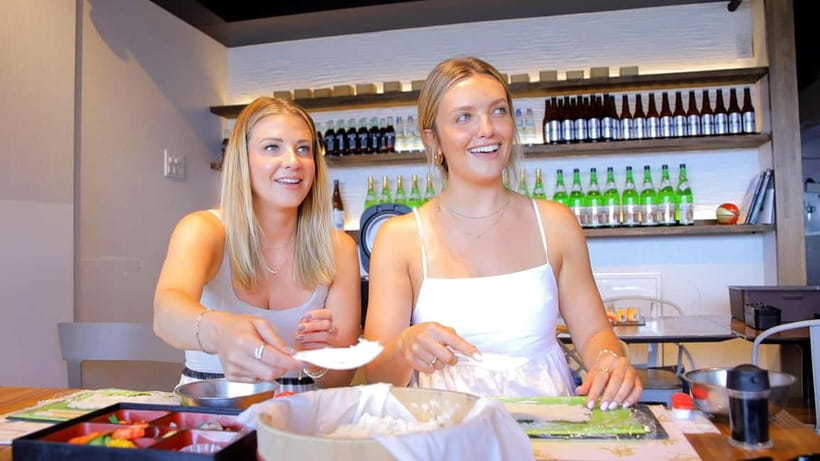
Roll sushi is the part where your hands suddenly feel useful. You’ll work with the classic process: get your rice handling right, spread evenly, add fillings, then roll with consistent pressure. The key skill is balance. Too loose and your roll falls apart. Too tight and it becomes hard to slice.
What’s helpful here is that the instruction is practical. You’re not just watching a chef do magic; you’re building the roll yourself. Multiple instructors have been praised for giving clear steps, adapting to the audience, and staying upbeat even when people are still figuring out how to shape rice.
Also, the environment is set up to keep things tidy. People specifically mentioned a clean space and clear visual presentation, including demos. That reduces stress when your first roll starts to look more like a sushi log than a perfect cylinder.
Authentic Japanese sushi skills: nigiri-style focus
The second core skill is authentic Japanese sushi—presented as nigiri-style work alongside the roll. This part is less about wrapping and more about forming: portioning rice, then pairing it correctly with the right toppings and technique.
Instructors like Shoki and Yui came up repeatedly for their explanations and positive teaching style. One participant even described the moment of learning nigiri as full-on practice for becoming sushi masters, including humor and encouragement that kept the class from turning stiff.
One practical takeaway: you’ll likely leave with a better sense of how sushi is built by feel. Rice texture, pressure, and presentation all matter. Even if you don’t try to recreate the exact flavors at home, you’ll understand what to aim for next time you buy sushi in Japan.


What you eat in the end: value is built into the meal
This is not a class where you make sushi and then eat a tiny sample. The experience is set up so you eat what you make. That changes the value equation immediately.
You’re paying for:
- ingredients
- instruction
- and the final meal outcome
And because you make more than one piece, it genuinely feels like lunch. Some participants also mentioned having enough to cover an eating part of the experience rather than leaving hungry.
Just keep one timing reality in your head: the class runs 100 minutes total. That means the final eating period can be fast if the group is still finishing pieces. If you want to slow down and enjoy every bite, focus on accuracy earlier in the class so you don’t scramble at the end.
Instructors and group vibe: the energy you remember
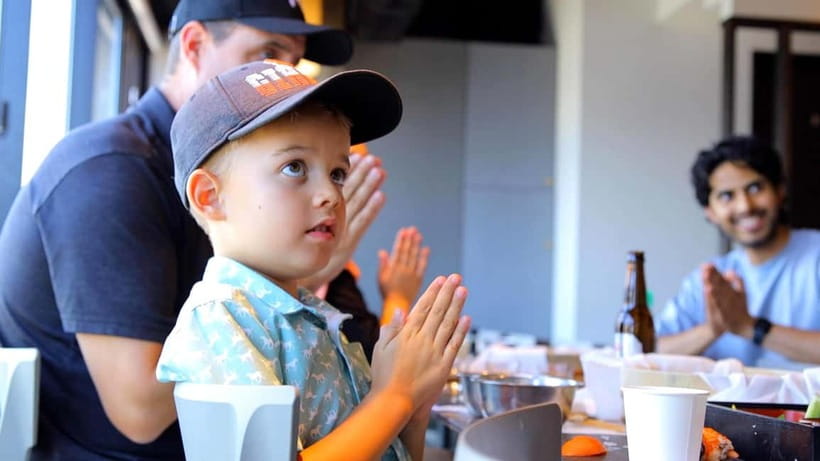
The biggest repeat theme in the feedback is energy. You’ll hear staff using a fun rhythm during the class—one common phrase shows up as HOI HOI HOI energy—and the hosts keep talking as you work. That matters, because sushi-making can be stressful when you’re worried about messing up.
A few instructor names that came up often:
- Shoki (praised for positive energy and history context)
- Yui (praised for training quality and explanation)
- Takara (praised for keeping it fun while making sure you end up with good-looking sushi)
- Hinata and Rika (praised for being welcoming and engaging)
- Fuji/Fujiko, Miho, Reika, Yuvi, and Serai (each mentioned for guidance and friendliness)
Even when people were just there for a fun Osaka food activity, the class still felt like a real skill lesson. You don’t just get entertained—you get corrected gently when your roll or shaping needs tweaking.
Also, the class is designed for solo travelers and groups. In smaller sessions, it’s easier to get personal coaching, and people specifically liked that it felt intimate rather than crowded.
Dietary options in Osaka: vegan, halal, gluten-free (with rules)
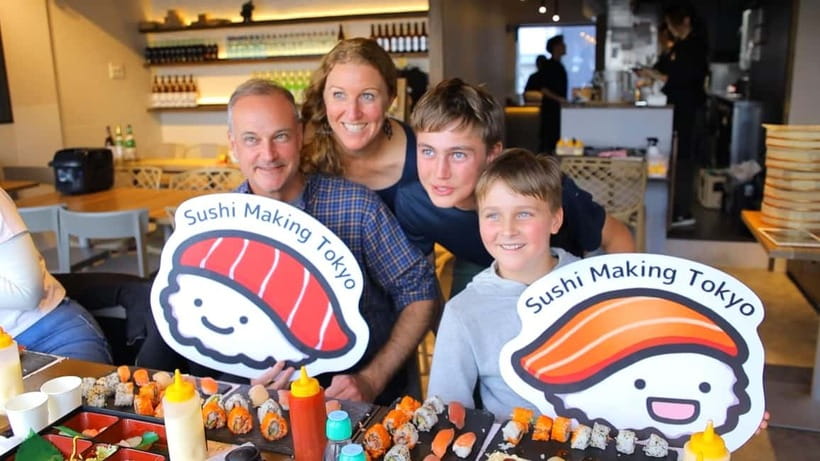
If you have dietary restrictions, this class is structured to handle several types of needs. The menu can be changed for:
- Vegan and vegetarian
- Gluten-free
- Halal
- and certain allergy accommodations
There’s a clear constraint you should know: ingredients are not allowed to be specified one-by-one. Also, allergy info comes with limits (the plan states not used: meat, nuts, fruits, dairy). That doesn’t cover every allergy scenario, so you’ll want to confirm how your specific needs align before you book.
Timing matters too. Menu changes must be requested at least 3 days in advance. If you’re arriving on a tight schedule, don’t wait until the last minute.
Price and value: is $45 fair in this location?
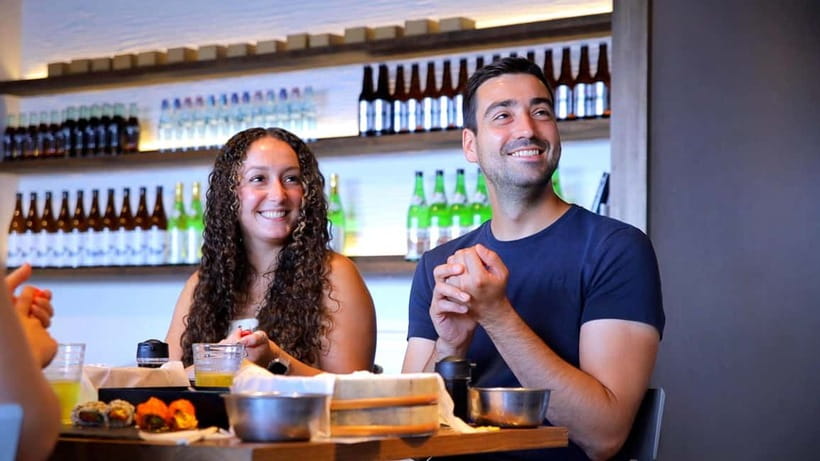
At $45 per person, this class hits a good value spot for three reasons.
First: you’re in central Osaka. Shinsaibashi and Dotonbori are prime areas, and you’re not losing time commuting.
Second: ingredients and instructor time are included. You’re not just paying for a demo. You’re paying for guided hands-on making, plus the materials that let you actually produce sushi.
Third: the experience ends with you eating your work. That makes the money feel grounded. You’re not paying for a photo session that turns into a small snack.
The main thing to double-check is what’s not included: hotel pickup and drop-off. If you’re staying near Namba, Shinsaibashi, or the Dotonbori strip, that’s usually not a big issue because you can walk or take a short transit hop.
Who should book this sushi class?
This is a great fit if you:
- want a fun food activity that still teaches real technique
- like learning through doing, not just watching
- are traveling solo or with friends and want an easy group experience
- have dietary needs and want options available in advance
- plan to spend time in Dotonbori/Shinsaibashi anyway and want a hands-on break from shopping and street food
It’s also a solid choice if you’re a sushi fan who wants to understand what you’re actually eating. The history quiz plus the practical shaping skills work together.
If you hate timed activities or you’re very slow at hands-on tasks, you might feel the clock. In that case, prioritize arriving on time so you don’t lose minutes before you even start rolling.
Should you book Sushi Making Osaka?
Yes, if you want a skill-building Osaka food experience that ends with a real meal. The combination of an interactive sushi history quiz, hands-on rolling and nigiri-style practice, English-speaking hosts, and eating what you make is a strong package for the money.
I’d book it especially if you’re already in central Osaka and you want something memorable that isn’t just another restaurant stop. Go in ready to focus during the last stretch, and you’ll leave with both sushi and confidence.
FAQ
Do I need any cooking experience to join?
No. The class is designed for beginners. English-speaking staff guide you step-by-step, and the ingredients are set up so you can focus on technique rather than starting from scratch.
What types of sushi will I make?
You’ll make two types: roll sushi and authentic Japanese sushi. The class is commonly described as making roll (maki) and nigiri-style sushi.
Is the class taught in English?
Yes. The instructor and staff provide instruction in English.
Where is the meeting point, and how do I get there?
Meet at the 3rd floor of the Galleria Acca Building, about a 5-minute walk from Shinsaibashi Station.
Are dietary needs like vegan or halal available?
Menu changes are available for vegan, vegetarian, gluten-free, and halal options. Allergy notes are also supported within the stated limits. You need to request changes at least 3 days in advance.
Is hotel pickup included?
No. Hotel pickup and drop-off are not included.
Can I cancel and get a full refund?
You can cancel up to 24 hours in advance for a full refund.