REVIEW · CHIANTI
Cooking Class on a Family Farm in Chianti with Lunch
Book on Viator →Operated by Cofferi1242 - Camilla Romoli · Bookable on Viator
Pasta in the vineyard hills tastes different. This Chianti family farm cooking class with Cofferi1242 and host Camilla Romoli turns a morning in the countryside into a full hands-on meal lesson, from pasta and bread dough to dessert, with lunch outdoors when the weather cooperates.
Two things I really like: you start with a quick farm orientation—olive grove views, plus seeing the field where saffron is grown—and then you get to work the dough yourself. I also like how the teaching stays practical, so you’re not just watching; you’re shaping tagliatelle and working on ravioli, plus learning bread techniques that translate to more than one dish.
One consideration before you go: the farm is reached via a bumpy dirt drive, so plan extra time and don’t show up with a low sports car mindset.
In This Review
- Key Highlights You’ll Care About
- Arriving at Cofferi1242: meeting point, timing, and the drive
- The farm tour first: olive grove views and the saffron detail
- Pasta basics in motion: tagliatelle and ravioli from herb-and-oil dough
- Bread and schiacciata dough: one base, lots of ways to use it
- The menu experience: full meal cooking, wine sips, and what you’re really learning
- Where you cook and eat: covered outdoor kitchen, gardens, and weather reality
- Price and value: is $175.43 per person fair for 4 hours?
- Who should book this Chianti farm cooking class
- Should you book it? My call
- FAQ
- What time does the cooking class start?
- How long is the experience?
- Where is the meeting point?
- What dishes will we learn to make?
- Is lunch included?
- Do we try wine and olive oil?
- How big is the group?
- Is the class taught in English?
- Can I get a full refund if I cancel?
Key Highlights You’ll Care About
- Small group (max 20): more hands-on attention and easier conversation with the host.
- Farm-to-table ingredients: herbs from the garden, extra virgin olive oil, and a tour that shows where things come from.
- Real pasta + bread skills: tagliatelle, ravioli, homemade dough, bread and schiacciata.
- A full menu, not a snack: starters, first courses, second courses/side dishes, and dessert.
- Wine with the meal: local wine is part of the experience, alongside the farm’s olive oil.
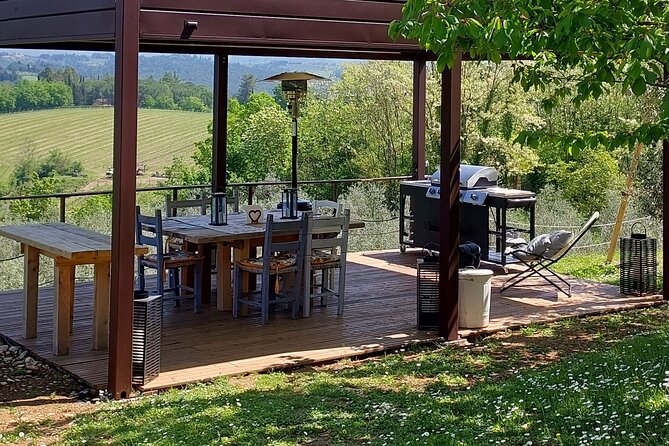
- Outdoor lunch if weather allows: garden dining with vineyard and olive tree views.
Arriving at Cofferi1242: meeting point, timing, and the drive
This experience is built around a morning start. The class begins around 10:30 am, and you’ll meet at Via dei Cofferi, 12 Loc, 50026 Il Ferrone FI, Italy (Cofferi 1242 – Cooking Class–Olive Oil–Saffron). The idea is simple: you’re not rushed into cooking the second you arrive. You’ll get a chance to settle in, meet your host, and get your bearings before flour starts flying.
One practical note: access to the farm can be a little rough. Several guests point out that the drive is on a dirt road with potholes, so plan for slow going. If you’re using a rental car, drive with patience and give yourself buffer time. And if you’re using navigation, verify the directions ahead of time so you’re not scrambling once you’re already on the approach.
The class runs about 4 hours, which is a nice length for a Tuscany day: long enough to learn and eat properly, but not so long that it ruins the rest of your itinerary. Instruction is in English, and the group is capped at 20 travelers, which helps keep the pace friendly and the teaching more individualized.
The farm tour first: olive grove views and the saffron detail
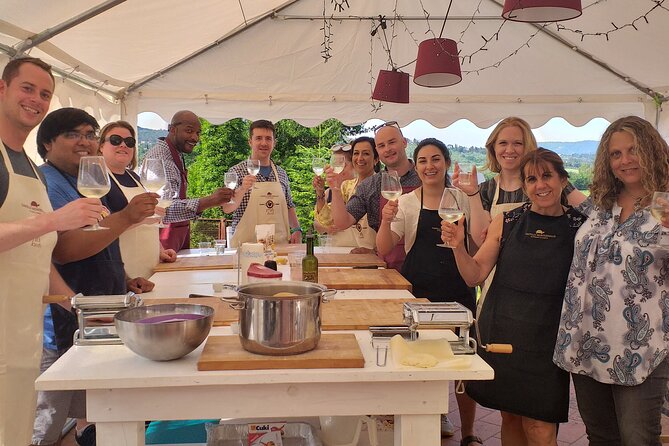
The lesson doesn’t start in a classroom. It starts on the property. Before you get into pasta and bread, you’ll talk a bit with Camilla and your group, then take a short walk around the farm. This is where the experience earns its “family farm” feel.
You’ll admire the olive grove and get a look at the field where saffron is grown. That saffron detail matters more than you might think: it signals that you’re cooking with an ingredient story behind it, not just buying items from a shop shelf.
Expect the tour to be casual and connected to what you’ll cook. It sets up the rest of the morning so ingredients make sense when you see them again in the dough or sauce. If you like food that feels grounded in place, this part is a strong start.
There’s also an authenticity angle here that guests consistently appreciate: it doesn’t feel like a scripted performance. It feels like you’re visiting a real working property and learning how someone turns that into daily cooking and hospitality.
Pasta basics in motion: tagliatelle and ravioli from herb-and-oil dough
Once you’re ready, the main work begins: homemade pasta. You’ll learn to make pasta using herbs from the garden and the farm’s extra virgin olive oil. That combination is the core of the class style here—simple ingredients treated with care.
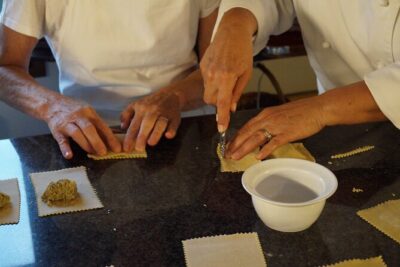
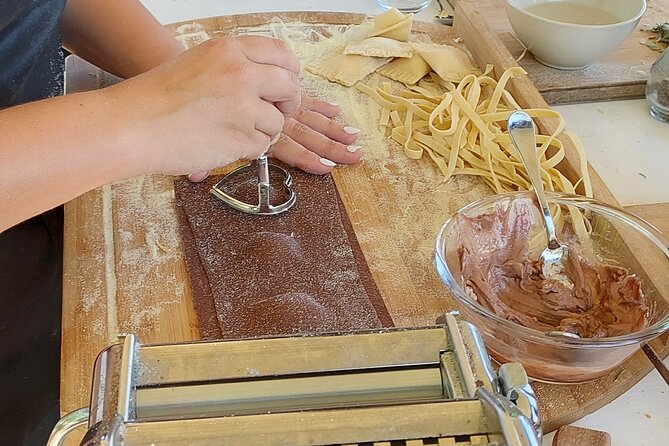
You’ll make pasta dough and learn how to work it so it’s workable for shaping (not just theoretically “homemade”). Then you’ll create different pasta forms, including tagliatelle and ravioli. Ravioli in particular is where technique matters: the dough thickness, filling, and sealing steps are the difference between a good first attempt and a fragile disaster.
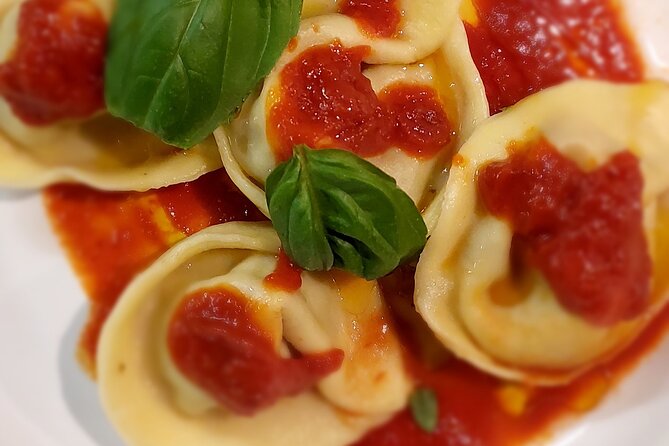
The menu example gives you a concrete target. A sample main is homemade ravioli and tortelloni served with sage butter and parmesan. The ravioli filling described includes fresh ricotta, parmesan, and lemon zest seasoned with sage, parmesan, and pepper butter. Even if the exact dishes shift slightly, you’ll still get a template for how fillings and sauces come together in a Tuscan style that feels fresh, not heavy.
Why this matters for you: you’ll leave with more than recipes. You’ll understand how the dough should behave and how to shape pasta without panic. If you’ve ever tried making pasta at home and wondered why it went wrong, this kind of in-person instruction is the fix.
Bread and schiacciata dough: one base, lots of ways to use it
Pasta is the headline, but bread is the quieter skill that can make this class feel extra worth it. After the pasta work, the host teaches you how to prepare the dough for bread and schiacciata.
Schiacciata is that beloved Tuscan flatbread style—think versatile, olive-oil friendly, and flexible for different toppings. The class approach here emphasizes that you’re learning a dough method you can reuse. In other words, you’re not just copying one finished product; you’re building a foundation for multiple recipes.
A nice part of the learning flow is pacing. You’re not stuck doing one task for the whole day. You move from shaping pasta to dough prep, which keeps energy up and gives your hands a break between tasks.
Also, bread dough teaching tends to help people who want to cook more at home beyond pasta night. If your goal is to bring back Tuscan comfort food skills you’ll actually use, this section earns its place.
The menu experience: full meal cooking, wine sips, and what you’re really learning
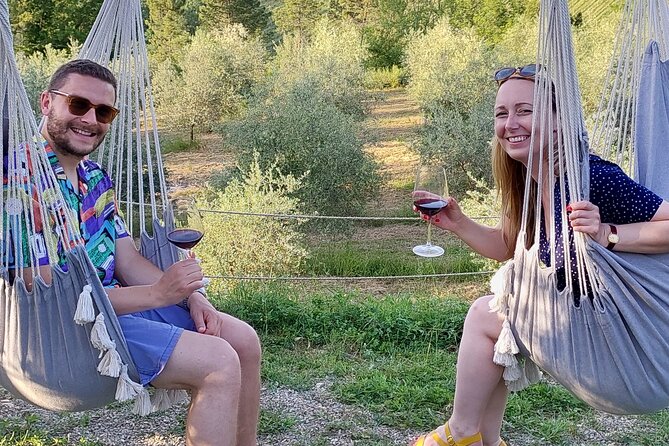
The structure is built around a complete meal. You’ll prepare a menu including appetizers, first courses, second courses, side dishes, and dessert. You’ll also sip local wine, and the class may include a Chianti from the area.
That “full meal” format is a big value driver. At many cooking classes, you make one standout dish and eat around it. Here, you make enough components that your lunch feels like an actual Italian table, not a tasting session.
Dessert in the sample menu is apple pie with crumble, and there are main course examples like homemade tagliatelle served with fresh tomato sauce or fresh courgette pesto. Those sauce options matter because they help you understand how Italians think about balance: acidity in tomato sauce, freshness in pesto, and the way herbs and cheese can carry flavor without needing complicated steps.
You’re also learning practical cooking decision-making. When you’re cooking multiple courses, you’ll naturally start understanding timing and flavor coordination—what needs to be ready sooner, what can wait, and how to build a meal so it doesn’t all taste like one thing.
And yes, the wine and olive oil are part of the atmosphere. You’re not just tasting them on the side; they’re tied to what you made and where the ingredients come from. That’s exactly how you get value beyond the class duration.
Where you cook and eat: covered outdoor kitchen, gardens, and weather reality
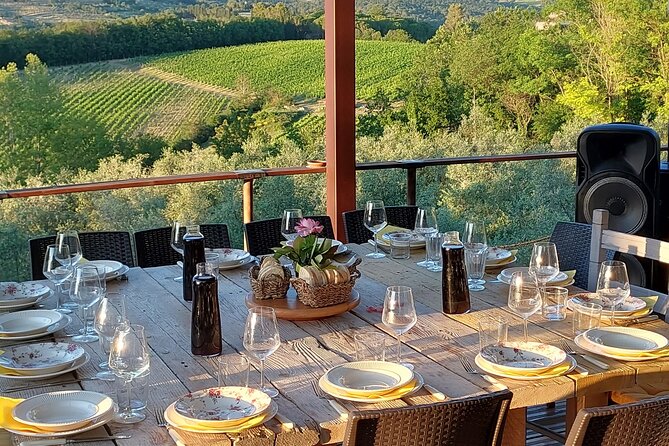
A lot of the class charm comes from the setting. After cooking, lunch is outdoors if weather permits, in the garden overlooking vineyards and olive trees. The farm sits on a hilltop surrounded by vineyards, olive trees, and wooded areas—so even a simple lunch becomes a slow, scenic pause.
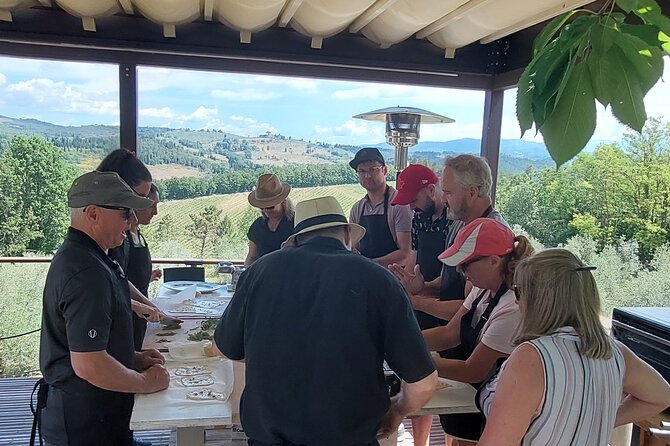
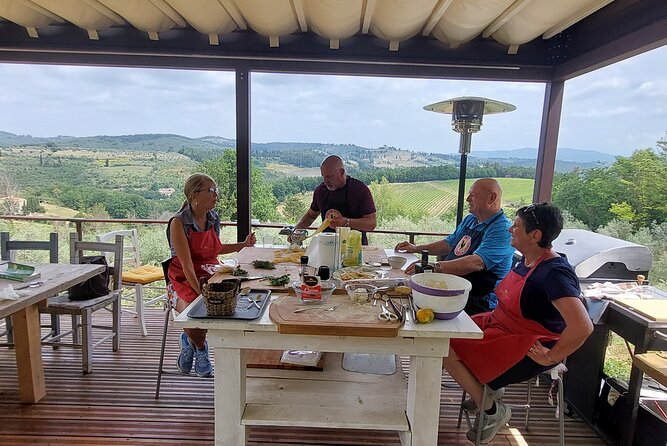
That said, the setup can include both indoor and outdoor spaces. Some guests mention parts of the cooking happen under an outdoor covered area, while other parts occur in the kitchen. One review notes that the outdoor area and kitchen may not look as polished as the online pictures suggest, including comments about mess or disorganization around some areas. It’s worth keeping your expectations flexible: the focus is on the cooking lesson and the family hospitality, not on a staged, spa-like restaurant set.
If you’re the kind of traveler who cares most about cleanliness standards, you should treat this as a home-farm environment. The upside is obvious: you’re eating and learning in an actual living place. The trade-off is that the look-and-finish might not match a picture-perfect culinary studio.
Price and value: is $175.43 per person fair for 4 hours?
At $175.43 per person for about 4 hours, you’re paying for more than entertainment. You’re paying for: hands-on instruction, farm tour time, ingredients used during cooking, a full meal spread, and local wine.
Here’s the value math that usually makes this class feel worth it:
- You cook multiple dishes, not just one item.
- You learn techniques that can be repeated at home (pasta shaping and dough work).
- You eat the result, which effectively gives you a meal included in the experience rather than an extra meal cost later.
- You’re using farm-linked ingredients like olive oil and herbs, plus you get wine with the meal.
If your goal is a quick “Tuscany selfie” activity, this isn’t that. If your goal is food skills and a real sense of how a farm kitchen works, the price lines up well with what you receive.
One more practical point: this class is commonly booked ahead (on average, 76 days in advance). If your travel dates are fixed, it’s smart to lock it in earlier rather than waiting until the last minute.
Who should book this Chianti farm cooking class
This experience is best for people who want hands-on food learning in an authentic farm setting. It’s a strong fit if you:
- Enjoy cooking and want technique guidance you can practice again at home.
- Like learning how ingredients connect to the landscape and daily farm life (olive grove, garden herbs, saffron field).
- Want a memorable meal built from scratch, with wine included.
It’s also a solid choice for groups because the class is capped at 20 and the atmosphere tends to be patient. One guest described the host as very friendly and especially patient with children, which tells me the pace can work for mixed ages. If you’re traveling with family, it’s one of the better “everyone participates” activities.
If you’re extremely sensitive to uneven road conditions or expect a perfectly manicured patio and spotless staging, you might find the farm environment a bit rough around the edges. The experience still sounds rewarding, just not polished in a modern hotel way.
Should you book it? My call
Book it if you want practical cooking skills in a place that feels like a real family farm, not a theme set. The pasta instruction, bread dough work, and the full-meal format are the big reasons to choose it, and the olive oil + wine pairing helps tie everything together.
Skip it only if you’re primarily looking for a smooth, city-style venue with zero surprises. Between the bumpy dirt road approach and the home-farm look-and-feel, this is countryside first, perfection second. If that trade-off sounds fine to you, Cofferi1242’s Chianti class is exactly the kind of day that gives you more than photos.
FAQ
What time does the cooking class start?
The class starts around 10:30 am.
How long is the experience?
It lasts about 4 hours.
Where is the meeting point?
You meet at Cofferi 1242 – Cooking Class–Olive Oil–Saffron, Via dei Cofferi, 12 Loc, 50026 Il Ferrone FI, Italy.
What dishes will we learn to make?
You’ll learn homemade pasta (including tagliatelle and ravioli) and also bread dough for bread and schiacciata. Dessert in the sample menu is apple pie with crumble.
Is lunch included?
Yes. You’ll enjoy an al fresco lunch in the garden if the weather permits, with the food you prepare.
Do we try wine and olive oil?
You’ll sip local wine, and the class uses the farm’s extra virgin olive oil.
How big is the group?
The experience has a maximum of 20 travelers.
Is the class taught in English?
Yes, it is offered in English.
Can I get a full refund if I cancel?
Yes. You can cancel for a full refund if you cancel at least 24 hours before the experience’s start time.