REVIEW · COLOMBO
Colombo Cooking Class
Book on Viator →Operated by Colombo Cooking Class · Bookable on Viator
Cooking in a Colombo home skips the tourist traps. You learn Sri Lankan classics from a real home cook, then make at least 10 dishes with ingredients included—either a lunch or dinner session.
I like the hands-on teaching here, because you’re actively cooking, not just watching from the sidelines. It also helps that the class can work well for different tastes—one host named Piumi was praised for guiding a vegetarian set of ten curries that turned into a delicious lunch.
One thing to consider: the meeting point is in Angoda, so you’ll want to plan transport and timing around the 10am lunch or 4pm dinner start.
In This Review
- Key things to know before you go
- Colombo cooking from the kitchen table
- Your menu: egg hoppers, curries, and traditional desserts
- Hands-on in a real household kitchen (what the 3 hours feel like)
- Lunch or dinner: choosing the right time slot
- Price of $60: what you get for the money
- Meet the cooking host and how private teaching works
- Vegetarian options and seafood dishes you might expect
- Getting there in Angoda and planning your day
- Should you book Colombo Cooking Class?
- FAQ
- How long is the Colombo cooking class?
- Do they offer both lunch and dinner sessions?
- How many dishes will I cook?
- Is it a private tour?
- What’s the meeting point address?
- How much does it cost?
- Can I cancel for free?
Key things to know before you go
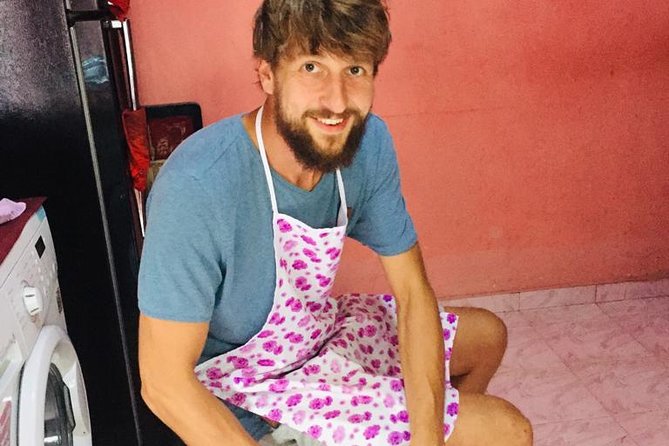
- A private class in a home setting: you cook with a home cook, not a demo-only setup
- You’ll make at least 10 dishes: plus traditional desserts
- Daily lunch and dinner sessions: lunch starts at 10am, dinner at 4pm (times may shift)
- Teaching that adapts: vegetarian guests have reported a full, satisfying menu with Piumi
- You eat what you cook: then you’re done, full and happy, not just holding recipes
Colombo cooking from the kitchen table
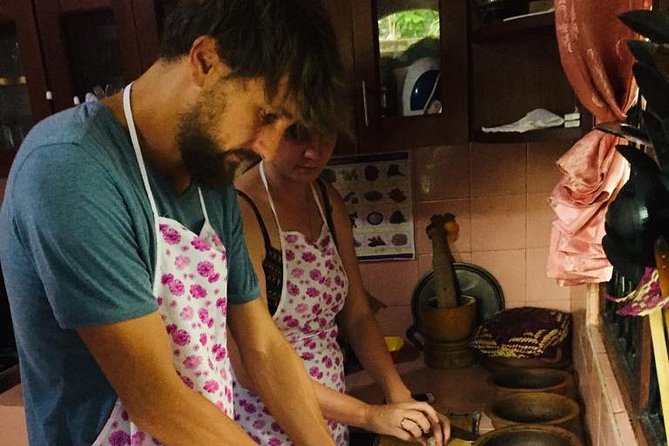
The best food experiences in Sri Lanka don’t feel like a performance. This one is set up like you’re being welcomed into a family-style cooking rhythm—where the person teaching you actually eats and cooks these meals at home.
That matters for two reasons. First, you get practical guidance as you work, so the steps make sense in your hands. Second, it’s a cultural shortcut: food in daily Sri Lankan life is a big deal, and cooking it at home explains why people talk about meals the way they do.
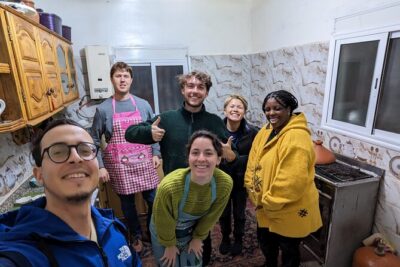
The class is also private, which changes the vibe fast. You’re not squeezing into a large group schedule. You can ask questions as you go, and the instruction stays personal.
You can also read our reviews of more tours and experiences in Colombo.
Your menu: egg hoppers, curries, and traditional desserts
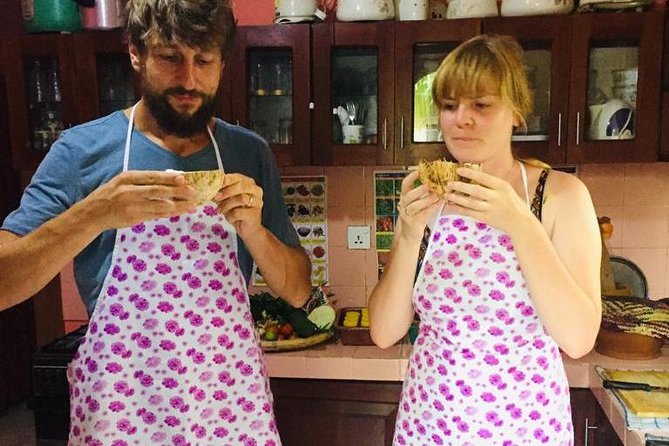
You’re signing up for more than a single dish lesson. The promise here is 10 different dishes, and that variety is where the value lives.
Based on what’s been shared in examples from the class, you may see:
- Egg hoppers, a Sri Lankan staple that can be both simple and tricky depending on technique
- Curries, including options that can fit vegetarian menus (Piumi guided ten vegetarian curries for one guest)
- Desserts, because traditional dessert-making is part of what you’ll practice
A smart way to think about it: the class is trying to teach you cooking patterns, not just one recipe. Curries teach you about balancing flavors and getting the right consistency. Hoppers teach technique and timing. Desserts teach another set of methods so your skills don’t stay in one lane.
Hands-on in a real household kitchen (what the 3 hours feel like)
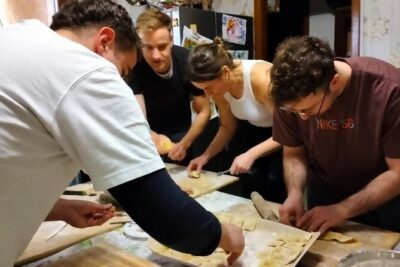
The session is about 3 hours, and the format stays consistently practical. You’re not there to collect photos of food; you’re there to create it.
Here’s the flow you should expect in real-world terms:
- You arrive and meet your cooking host at the class location.
- You’ll get hands-on guidance while you prep and cook each of the dishes on the menu.
- Traditional dessert-making is included as part of the session.
- When it’s time to eat, you sit down with the food you prepared.
The part I especially like for travelers is that the class doesn’t separate learning from eating. You cook, you taste as you go where possible, and then you finish with a full meal. That’s how cooking lessons become useful after the trip, not just entertaining during it.
One more practical note: the class offers lunch and dinner options, so your energy level can match the schedule. If you’re tired after a day of sightseeing, dinner might feel easier. If you want the meal to kickstart your day, lunch is a strong choice.
Lunch or dinner: choosing the right time slot
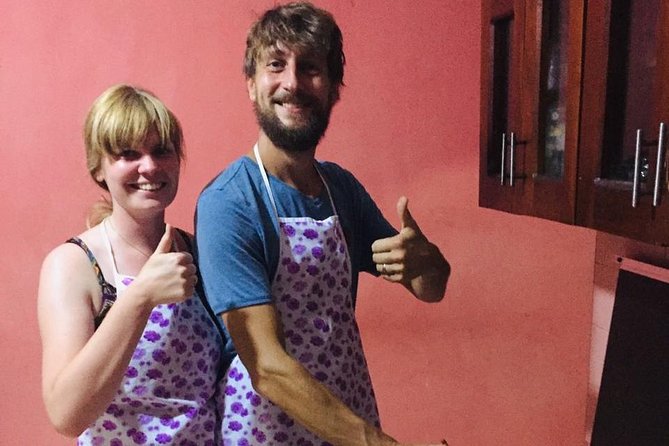
You get two different ways to schedule this class in your day:
- Lunch session starts at 10am
- Dinner session starts at 4pm
- Times can be adjusted based on availability for both sides
If you’re aiming for good logistics, choose based on what your day already has planned.
10am lunch tends to work best if you want to:
- get one standout cultural activity done early
- eat your “big meal” in the middle of the day
- avoid feeling rushed later when you’re hunting dinner plans
4pm dinner tends to work best if you:
- want a late afternoon activity after morning sightseeing
- prefer dining when the pace of the day slows down
- like the idea of ending with the meal you made (and then having your evening free)
Either way, the ingredients are included, so you’re not stuck planning markets or carrying shopping lists.
Price of $60: what you get for the money
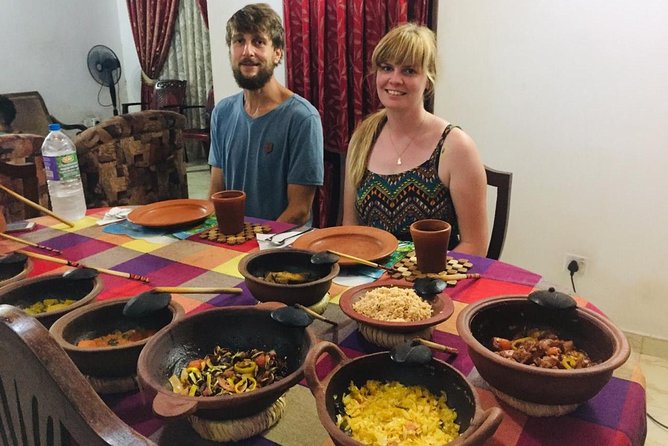
At $60 per person, this is not a “snack-sized” experience. You’re paying for several things that add up in value:
- A private class setup
- Guided hands-on cooking
- Ingredients included
- A full meal experience (since you cook and then eat)
- At least 10 dishes plus desserts
What makes the price feel reasonable is the workload you get. Many food classes are built around one or two dishes. Here, you’re moving through enough variety to learn more than a single technique. If you’re the type who actually wants to recreate food later at home, the breadth matters.
Also, you’re paying for a home-cook perspective, not just a trained instructor reciting steps. The teaching style seems to land well—especially for guests with specific dietary needs, like the vegetarian example connected to Piumi.
Meet the cooking host and how private teaching works
The class centers on learning from a home cook. That’s important because recipes written on paper can miss what a cook notices by feel: thickness, doneness, the way a batter behaves, or how a curry changes as it simmers.
In the accounts shared from the class, the teaching quality has been a major reason people recommend it. One name that shows up clearly is Piumi, praised for being an excellent cook and teacher and for guiding a vegetarian-focused cooking session.
Since it’s private, you should also expect the teaching to fit around the group’s pace. If you’re comfortable moving hands-on quickly, you’ll likely feel the session stays lively. If you’re slower, you’ll still have attention to get through the full menu and end up eating what you made.
Vegetarian options and seafood dishes you might expect
The class is open to everyone and is described as suitable for people to learn and enjoy Sri Lankan local food. Beyond that general statement, the most direct dietary insight we have is from a vegetarian experience: Piumi guided a vegetarian guest through ten vegetarian curries, and the resulting lunch was described as delicious.
That’s a good sign if you eat vegetarian. Still, don’t assume everything will be identical for every session. Since the class is a home-based setup and menus can include a mix of Sri Lankan favorites (including examples like fish curry), it’s smart to tell your host your needs early.
If you’re not vegetarian, you may find the menu includes fish curry—it’s been mentioned as part of the dishes people made during the class. In practical terms, that means you’ll likely cover curry technique rather than only learning one style of cooking.
Getting there in Angoda and planning your day
The meeting point is: Colombo Cooking Class, No 275/1, B231, Angoda 10600, Sri Lanka. The activity ends back at the meeting point, so you’re not sent to a separate restaurant or drop-off location.
A couple of logistics tips that will help:
- Plan to arrive a bit early so you can settle in before cooking starts.
- Because the class is in Angoda, double-check how you’ll get there from where you’re staying in Colombo. If you’re depending on public transport, give yourself extra buffer time.
- The tour uses a mobile ticket, so have it ready on your phone.
Finally, schedule this class as a “one fixed thing” in your day. With a 3-hour block and the specific lunch/dinner start times, it’s easier when you’re not trying to stack too many other plans.
Should you book Colombo Cooking Class?
I think you should book this if you want a Sri Lankan cooking experience that feels like a household activity, with real instruction and enough variety to build confidence. The combination of private teaching, at least 10 dishes, and traditional desserts makes it a strong value for a 3-hour meal-and-learning session.
Skip it only if you’re looking for a quick, casual taste test or you hate hands-on cooking. If you want to sit back and just watch, a lesson like this may feel like work. But if you’re ready to cook, taste, learn, and then eat, this is exactly the kind of experience that sticks with you long after you’re back home.
FAQ
How long is the Colombo cooking class?
It lasts about 3 hours (approx.).
Do they offer both lunch and dinner sessions?
Yes. Lunch starts at 10am and dinner starts at 4pm. The exact time can change based on availability.
How many dishes will I cook?
You’ll make at least 10 different dishes, and traditional desserts are included too.
Is it a private tour?
Yes. It’s a private tour/activity, and only your group participates.
What’s the meeting point address?
The meeting point is Colombo Cooking Class, No 275/1, B231, Angoda 10600, Sri Lanka.
How much does it cost?
The price is $60.00 per person.
Can I cancel for free?
Yes. Free cancellation is available up to 24 hours in advance for a full refund.