REVIEW · FLORENCE
Cooking Lesson: From The Market To The Table in Florence
Book on Viator →Operated by myTour in Italy · Bookable on Viator
Fresh pasta starts at the market. In Florence, I like this hands-on cooking lesson because you begin by shopping with the chef at Mercato Centrale, so the meal starts with real ingredient choices, not a script. You’ll roll up your sleeves to make fresh pasta and build classic dishes that you then eat together at lunch with drinks included.
One thing to flag first: gluten intolerance is not recommended for this experience.
In This Review
- Key highlights worth your time
- Market-to-Table Cooking in Florence: What This Class Really Gives You
- The 9:00 AM Start and the Meeting Point: How to Avoid Wasted Time
- Stop 1: Mercato Centrale With a Chef (and Why It Matters)
- Moving From Market to Kitchen: The Heart of Florence Teaching Lab
- Hands-On Fresh Pasta: Kneading Is the Real Lesson
- Bruschetta and Ragù: Simple Ingredients, Serious Technique
- The Main Course and Dessert: What You’ll Eat After You Cook
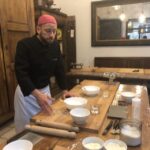
- Chefs and Group Energy: Why the Instructor Style Matters
- Price and Value: Is $137.87 Worth It?
- Who Should Book This (and Who Might Want a Different Format)
- Common “Plan Ahead” Issues I’d Handle Before You Go
- Should You Book This Market-to-Table Pasta Lesson in Florence?
- FAQ
- How long is the cooking lesson?
- Is the class offered in English?
- Do I get lunch and drinks?
- What will we cook and eat?
- Is it suitable for vegetarians?
- Is it safe for people with gluten intolerance?
Key highlights worth your time
- Mercato Centrale with the chef: see how Florence cooks actually shop, taste as you go, and learn what to look for.
- Real pasta-making by hand: knead, shape, and cook with guidance in the kitchen.
- A multi-course lunch: bruschetta, pasta with ragù (or other sauce options), plus main and dessert.
- Small-group vibe (max 12): easier conversation, more participation at the stations.
- Recipes and a participation certificate: take home steps you can follow later.
- Drinks with lunch: local wine, water, or a soft drink included.
Market-to-Table Cooking in Florence: What This Class Really Gives You
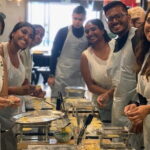
If you’re trying to understand Florence through food, this is a smart format. You start in the middle of it all—Mercato Centrale—then you move to a chef’s teaching kitchen and turn those ingredients into a proper meal. It’s not just watching. You’re hands-on for the key parts: pasta dough, bruschetta assembly, and dessert.
I also like the practical flow. The market portion helps you connect ingredients to flavor and technique. Then the kitchen portion teaches you how to turn that same produce, olive oil, and staples into something you can repeat at home. You get a meal that feels like a real Tuscan rhythm: simple steps, good timing, and a lot of tasting.
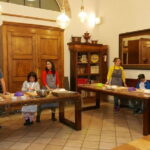
There’s also a social, small-group feel. With a maximum of 12 people, it stays conversational, not lecture-style. That matters because cooking is one of those skills where small corrections help a lot—how you knead, how you portion dough, when to add a component, and how you plate.
You can also read our reviews of more tours and experiences in Florence.
The 9:00 AM Start and the Meeting Point: How to Avoid Wasted Time
The class starts at 9:00 am at Via Panicale, 43r, 50123 Firenze FI. The tour ends back at the meeting point area.
Here’s the practical advice: do not treat the meeting point like a vague suggestion. Directions can be confusing in central Florence, and one person had issues because the pickup spot wasn’t correct. Before you go, double-check the exact address and plan to arrive a few minutes early so you can get to the right place without stress.
Comfort helps too. You’ll walk through the market area and then spend time in a working kitchen environment. I’d wear shoes you can stand in for a few hours.
Stop 1: Mercato Centrale With a Chef (and Why It Matters)
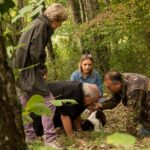
Mercato Centrale is where you see Florence food in its natural habitat. Stalls, colors, smells, and the sheer variety of ingredients can feel overwhelming if you come in cold. The chef-led market walk is what turns that chaos into learning.
What you’re doing here goes beyond shopping. You’re learning how to spot quality, which ingredients matter for each dish, and how Tuscan cooking leans on a few key players: good olive oil, flavorful tomatoes, herbs, solid cheeses, and the right staples for sauces and desserts.
In the kitchen part of this experience, the ingredients aren’t just decorative. Bruschetta relies on fresh components—things like toasted bread, tomatoes, basil, salt and pepper, and extra-virgin olive oil. Pasta and ragù depend on technique and the sauce base. And tiramisù needs careful assembly and timing.
Some classes also build in tasting stops around products like olive oil and balsamic vinegar, and you may see cheese tastings as part of the market experience. That’s a useful shortcut: you get to compare flavors and understand what the chef thinks is worth using.
A quick reality check: the market schedule can vary. One person noted the market was closed on Sunday, but the class still ran. If you’re traveling on a day when hours change, stay flexible and expect the chef to adjust the plan.
Moving From Market to Kitchen: The Heart of Florence Teaching Lab
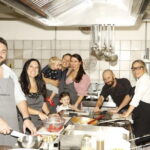
After the market, you head to the chef’s teaching kitchen in central Florence. This is where the tone shifts from walking and looking to working and tasting. The kitchen is described as modern and clean by at least one participant, which helps if you’re wary of crowded, cramped cooking spaces.
This is also where you’ll learn the rhythm of Italian home cooking:
- knead and work the dough until it behaves like it should
- build sauce based on the kind of meal you’re making
- assemble appetizers efficiently (bruschetta is all about fast, flavorful balance)
- finish with dessert steps that look simple but benefit from guidance
And yes, you’ll be decorating plates. That might sound small, but it’s part of the learning. You’re not just making food—you’re making something that looks right and is meant to be served.
Hands-On Fresh Pasta: Kneading Is the Real Lesson
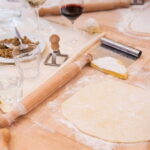
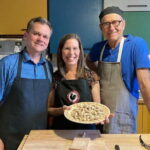
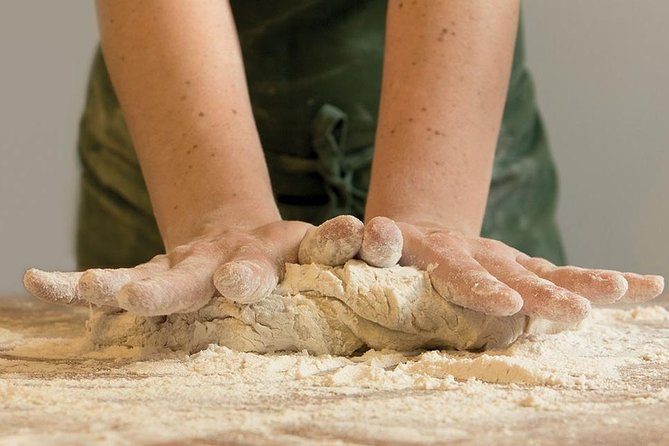
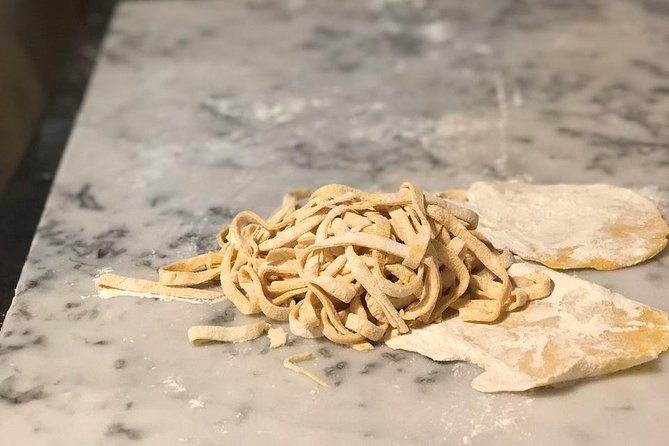
Making fresh pasta by hand is the centerpiece for many people, and it’s easy to see why. It’s not fancy equipment. It’s your hands, your focus, and the chef’s corrections.
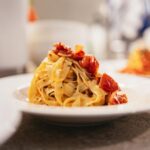
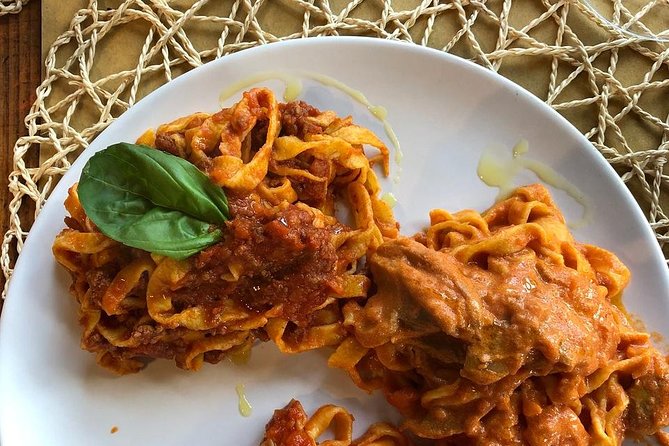
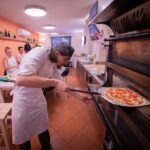
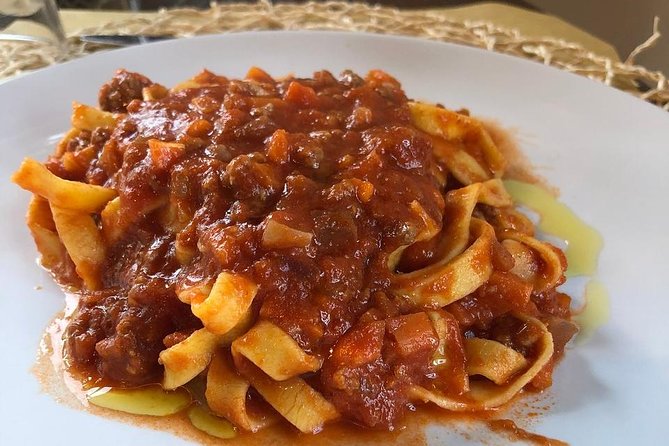
Expect to knead the dough, shape fresh pasta (often tagliatelle), and then cook it with the sauce. One popular combination is tagliatelle with ragù sauce made with beef. But sauce choice can vary—your class may include tomato sauce, ragù Bolognese, or pesto depending on how the day is run.
What I’d take away for your own cooking at home:
- Pasta dough is forgiving once you understand texture and elasticity.
- Sauce isn’t an afterthought. Flavor comes from building it with the right timing and balance.
- When you cook fresh pasta, you can’t rush the steps and expect the same result.
This is also where the small group size pays off. With fewer people, you get more personal attention during kneading and cooking steps, instead of waiting your turn forever.
- Cooking Class and Lunch at a Tuscan Farmhouse with Local Market Tour from Florence
★ 5.0 · 4,831 reviews
Bruschetta and Ragù: Simple Ingredients, Serious Technique
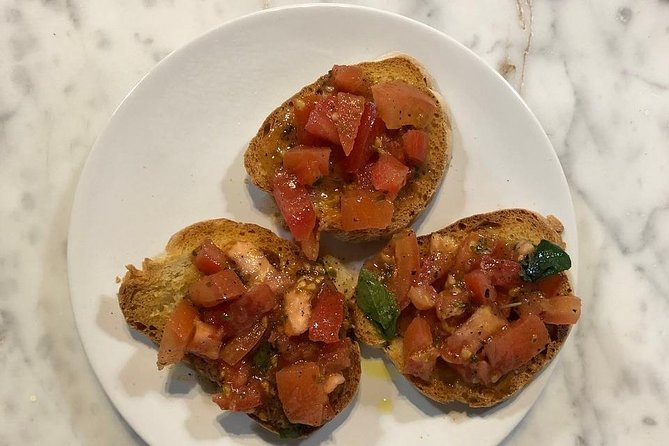
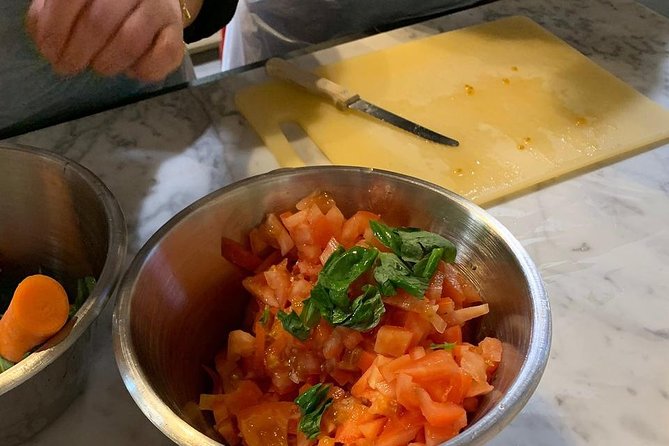
Bruschetta sounds straightforward because the ingredients are familiar. But Florence bruschetta is about execution—toast the bread properly, keep tomatoes fresh-tasting, and finish with the right amount of extra-virgin olive oil.
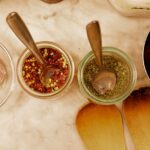
The sample starter here is Tuscan bruschetta: toasted bread topped with fresh tomatoes, basil, salt, pepper, and extra-virgin olive oil. That’s classic, and it’s a great training dish. Once you see how the chef builds it, you’ll understand how to keep it flavorful without turning it soggy or bland.
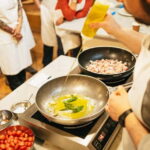
Then comes the sauce. Ragù (often ragù Bolognese-style) is where patience and structure show. Even if the menu says ragù, what matters is the method: how the base develops, how ingredients come together, and how the sauce tastes before it meets the pasta.
In other words, this meal isn’t just a food show. It’s a technique lesson dressed as lunch.
The Main Course and Dessert: What You’ll Eat After You Cook
Lunch is part of the experience, and it’s the payoff. After cooking, you sit down and eat what you made, with local wine, water, or a soft drink included.
The main course can vary. Your class may include a meat or seafood main dish accompanied by a side. The exact pairing isn’t guaranteed in the details, but the structure is: starter, main, dessert, then eat together.
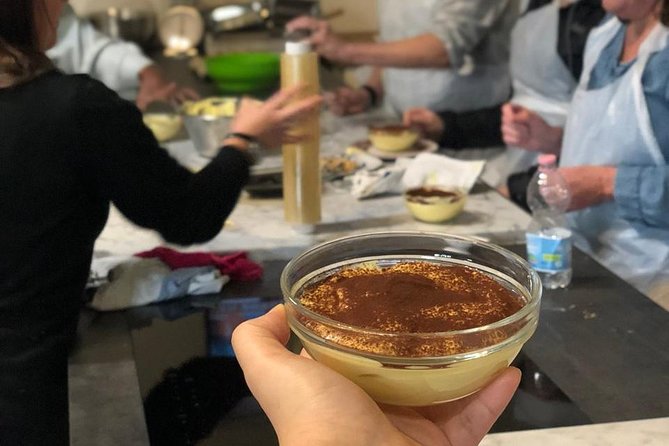
Dessert is a highlight. Many descriptions specifically include tiramisù, and you’ll learn how to prepare it during the class. Several people also mentioned repeating the core skills across multiple dishes like pasta and sauce variants, but tiramisù is consistently the sweet finish.
One more small but meaningful detail: the chef leads you through steps on how to decorate plates. Even if you’re not a “food presentation” person, it makes the meal feel celebratory, not like a cafeteria lunch you rushed through.
Chefs and Group Energy: Why the Instructor Style Matters
The chef-instructor really shapes the day. People have mentioned chefs such as Vic, Alice, Tommaso, Manuel, Emmanuel, Elio, Antonio, and Julio/Julio again—different personalities, but a similar theme: hands-on help and a strong focus on explaining what you’re doing.
You’ll likely hear:
- why certain steps matter
- how ingredients behave (and how to adjust if yours isn’t cooperating)
- practical table manners and table etiquette points
- local context about food and market culture
A few people also said the chef shared food history and even broader talk like politics or local life, while still keeping the cooking moving. That mix can be fun if you like conversation, but if you’re hoping for strictly minimal talk, just know cooking classes often include explanations to teach technique, not just timing.
Price and Value: Is $137.87 Worth It?
At $137.87 per person for about 5 hours, you’re paying for three things that are hard to replicate on your own in one go:
1) a chef-led market walk at Mercato Centrale, where you learn what to buy and why
2) guided hands-on cooking for multiple courses (pasta, bruschetta, and dessert, plus a main)
3) lunch plus drinks, and take-home recipes and a participation certificate
If you tried to DIY this in Florence, you’d still spend time shopping and you’d still need to master pasta dough and tiramisù steps without a chef watching your technique. That’s the real cost of entry this class removes.
Value can drop a bit if recipes don’t arrive as promised. One participant said recipes were promised but not received later. So if you care a lot about recreating the dishes at home, it’s worth making sure you get the recipes you’re supposed to receive before you leave or ask if there’s an email timeline.
Who Should Book This (and Who Might Want a Different Format)
This experience is recommended for vegetarians. If you’re vegetarian, advise in advance so the chef can plan around menu needs.
It’s not recommended for people with gluten intolerance. Since pasta and other components are involved, you shouldn’t assume substitutions are available.
It’s also best for people who want to participate. Some people said certain parts felt more watch-and-listen than hands-on. Still, the class is designed so everyone participates, and pasta and key courses are the main activity. If you’re traveling with kids, it may be okay, but one comment suggested it can be borderline depending on the group and the pace—especially if explanations run long.
For most adults, it’s a great match if you want:
- a Florence food experience that’s more than a meal
- a practical skill you can use later
- a market + cooking combo that makes sense without requiring extra research
Common “Plan Ahead” Issues I’d Handle Before You Go
I’d plan around three things that have come up for people:
- Meeting point confusion: confirm Via Panicale, 43r is the correct pickup spot for your day and arrive early.
- Long sitting/lecture time: the day can run a bit long, so don’t schedule a tight train connection right after. Give yourself breathing room.
- Recipe delivery timing: if recipes are supposed to be provided at the end or later, ask clearly when you’ll receive them. Don’t assume it will just arrive on its own.
Also remember: the experience requires good weather. If weather is bad, you’ll be offered a different date or a full refund.
Should You Book This Market-to-Table Pasta Lesson in Florence?
Book it if you want a true Florence food skill day: Mercato Centrale ingredient shopping, hands-on fresh pasta, classic bruschetta, and tiramisù, then lunch with drinks. The small group size makes it feel personal, and the chef-led explanation helps you understand technique, not just recipes.
Skip or consider alternatives if you’re gluten intolerant, need a very short and structured schedule, or you’re only interested in eating rather than cooking. And if you’re traveling on a tight timeline, leave extra time because the full experience can run long.
If you like the idea of going home with both recipes and a real sense of how Tuscan cooking works, this one is a strong choice.
FAQ
How long is the cooking lesson?
It runs for about 5 hours.
Is the class offered in English?
Yes, it’s offered in English.
Do I get lunch and drinks?
Yes. Lunch is included, and drinks are included too (wine, water, or a soft drink).
What will we cook and eat?
You’ll make a multi-course meal that typically includes fresh pasta and bruschetta, plus a main course and dessert (including tiramisù).
Is it suitable for vegetarians?
It’s recommended for vegetarians. You should advise in advance if you’re vegetarian.
Is it safe for people with gluten intolerance?
It is not recommended for people with gluten intolerance.
You Might Also Enjoy
More Tour Reviews in Florence
- Cooking Class and Lunch at a Tuscan Farmhouse with Local Market Tour from Florence
★ 5.0 · 4,831 reviews