REVIEW · NAPLES
Naples: Traditional Italian Food Cooking Class at Restaurant
Book on GetYourGuide →Operated by The Roman Food Tour · Bookable on GetYourGuide
Cooking is the fastest way to feel like a local in Naples. In this hands-on class at a neighborhood restaurant in Campania, you’ll make classic dishes like tiramisu and either fresh pasta or pizza, with an English-speaking guide and a real meal at the end.
Two things I really like: you get clear, step-by-step coaching that suits different comfort levels in the kitchen, and you eat what you cook with local wine pairings (so it’s not just a demo you watch). One caution: the wine experience may not match the idea of unlimited, free-flow pours, so plan to pace it and enjoy it rather than treat it like open bar.
In This Review
- Key highlights you’ll notice fast
- A Naples kitchen class is more than a meal lesson
- What you’ll be doing (in human terms)
- Prosecco when you arrive: what starts the momentum
- Tiramisu making: the dessert lesson that sticks
- What to focus on while you work
- Pasta or Neapolitan pizza: flour, shaping, and getting your hands involved
- Why the coaching matters here
- The meal and wine pairing: what you eat is part of the lesson
- About the wine: included, but not always unlimited
- Price and value: is $57 a fair deal in Naples?
- Who this class suits best (and who may want to skip it)
- Not a good match if you have these needs
- Timing and logistics: how to make the most of the 3 hours
- Should you book this Naples cooking class?
- FAQ
- What dishes will I make in the class?
- Do I get drinks during the experience?
- How long is the cooking class?
- Is there an English guide?
- Is this class suitable for vegans?
- Is it suitable for gluten or lactose intolerance?
- Can the restaurant accommodate allergies or food preferences?
- Where do I meet the group?
- What’s the cancellation policy?
- Can I reserve now and pay later?
Key highlights you’ll notice fast
- Prosecco welcome right when you arrive, before you start cooking
- Tiramisu first, including technique and the story behind the classic
- Fresh dough work for pasta or pizza, with guidance on flour and shaping
- Wine with the meal, paired with what you make
- Small-group energy reported often, which makes it easier to get help
- Ingredient reality check: recipes use gluten, dairy, and eggs, with limited substitutions
A Naples kitchen class is more than a meal lesson
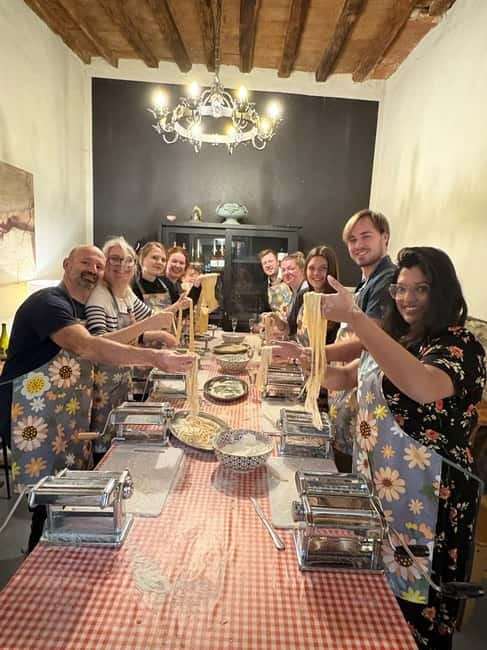
Naples has a strong food culture, and this kind of class is a smart way to tap into it without doing it the expensive or overly touristy way. Instead of standing back, you’re at a station, rolling dough, assembling tiramisu, and learning why the steps matter.
What makes it feel practical is that the day isn’t only about flavor. It’s also about process—texture, timing, and how Italian cooking relies on basic ingredients done with care. In the reviews, names like Tina, Gian marco, Vincenzo, Francesco, Olga, and Fiammetta come up as instructors, and that variety hints at one theme: the teaching style stays friendly and direct, even when the task looks intimidating.
You can also read our reviews of more tours and experiences in Naples.
What you’ll be doing (in human terms)
Expect to move through three modes:
- Mix and build (tiramisu)
- Knead and shape (dough for pasta or pizza)
- Sit down and taste (the meal you made, plus wine)
It’s a simple flow, but it’s effective. You leave with real confidence, not just recipes you forgot the next day.
Prosecco when you arrive: what starts the momentum
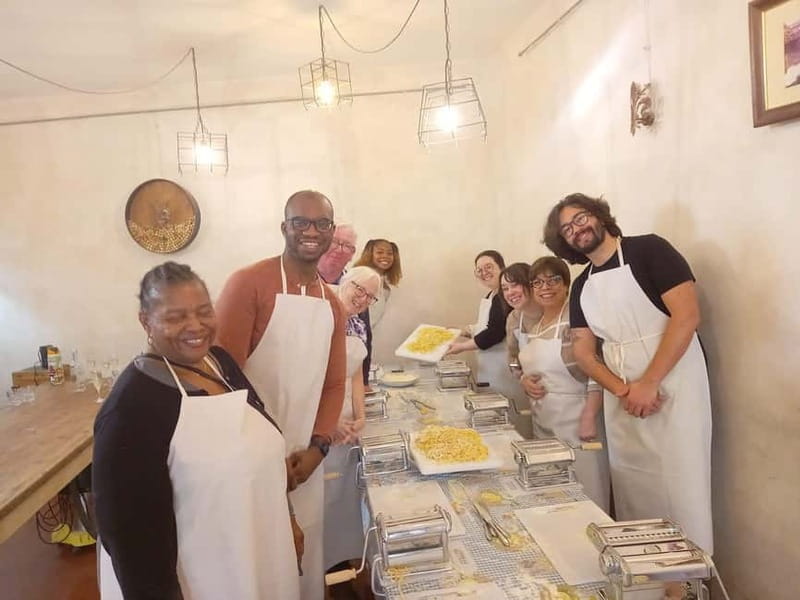
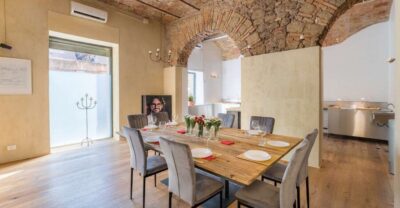
Your class begins in a real restaurant setting. You’ll be welcomed with a glass of Prosecco, then you’ll get settled before cooking. After that, there’s the small but important “kitchen rules” moment: wash your hands, put on your apron, and get ready to work.
This part sounds basic, but it matters. You’re not juggling transportation, ordering, or finding the right place to sit. You show up, get a drink, and fall into a rhythm. One review also mentions the class being a small group, which tends to make the early instructions easier to follow and faster to ask questions.
Tiramisu making: the dessert lesson that sticks
Tiramisu is the kind of dish that sounds simple until you try it. This class starts there, and that’s a good call. It gives you a quick win early and teaches you technique before you go to dough.
You’ll learn how to build the tiramisu step by step, and you’ll also hear about the dessert’s history and techniques—not as trivia for trivia’s sake, but as context for why the recipe behaves the way it does. In places like Naples, where recipes travel through families and neighborhood restaurants, that extra explanation helps you understand what you’re aiming for.
What to focus on while you work
Since you’ll be doing the real assembly, your main goals are:
- Getting the layers correct
- Paying attention to how ingredients come together
- Moving with the timing you’re taught (tiramisu is sensitive to wait times)
The result is a dessert you’ll actually recognize and taste later at your meal. That turns “I made tiramisu” into “I made this right.”

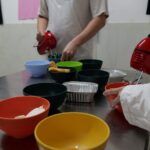
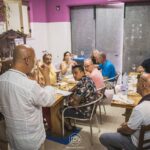
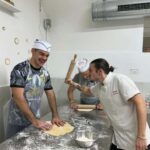
Pasta or Neapolitan pizza: flour, shaping, and getting your hands involved
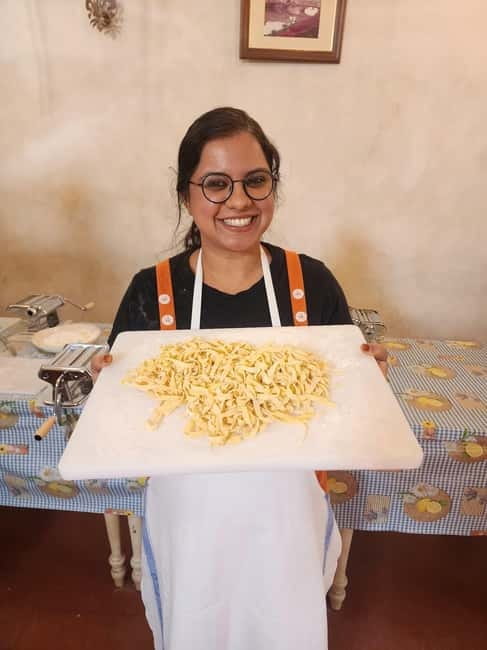
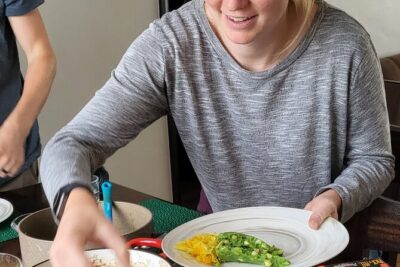
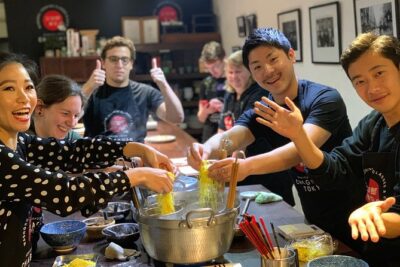
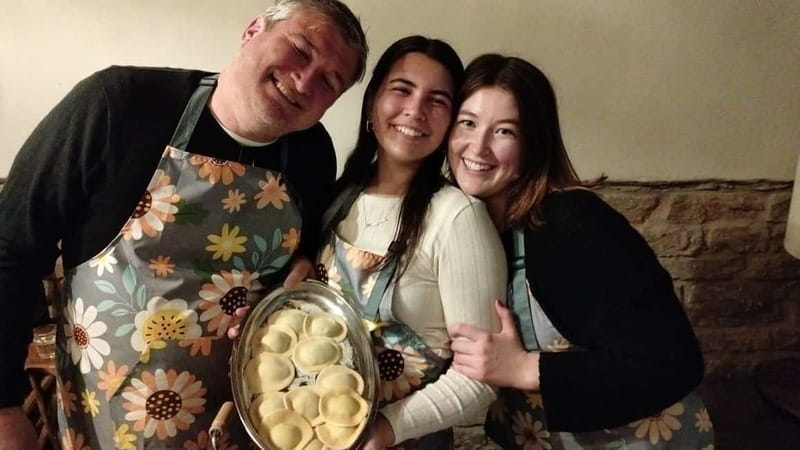
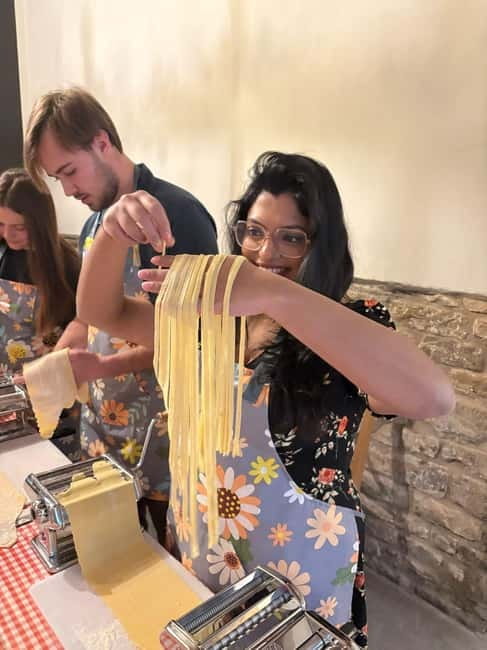
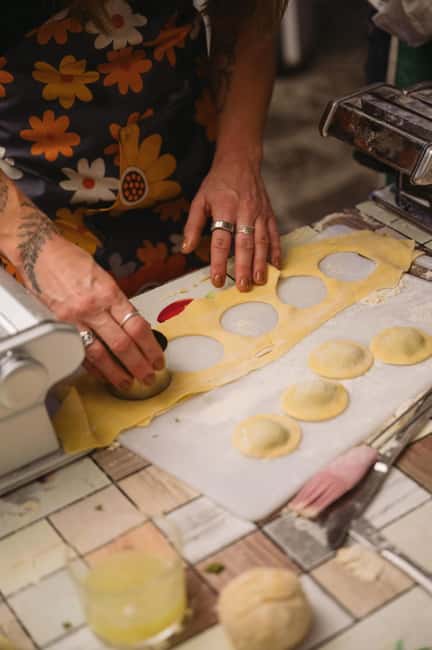
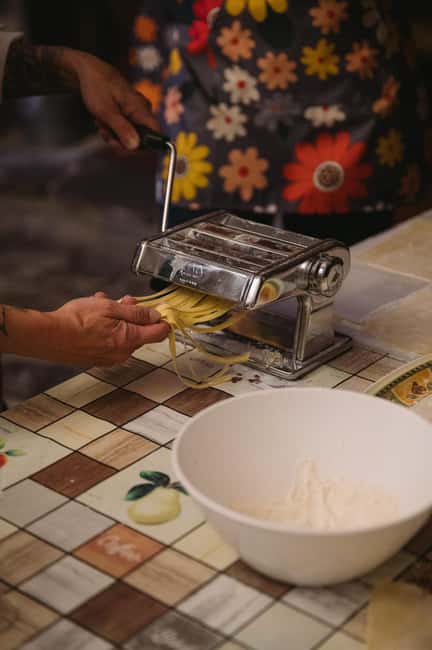
After tiramisu, you switch gears. You’ll head to your workstation to make dough and work with flour. You’ll learn that different flours act differently, then you’ll roll, cut, and shape your pasta or pizza based on the format of your class.
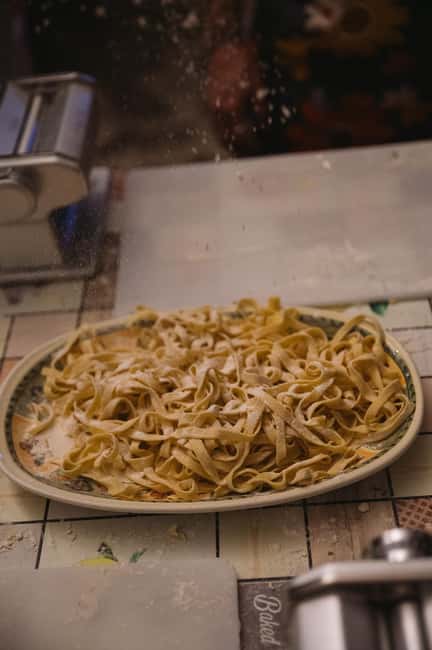
One review specifically mentions learning basics and turning out pasta like fettuccine and ravioli, while another highlights pizza and tiramisu together. Since the class option can vary, plan to treat the day as: you’ll work with dough, you’ll shape something classic, and you’ll get guided corrections so it doesn’t feel like you’re guessing.
Why the coaching matters here
Making dough is one of those skills where people either overthink it or rush it. The guides tend to push you toward the “do this, then check this” approach—so you learn what it should look and feel like, not just what to do next.
That’s also why the class works for different skill levels. The instruction style is hands-on, and the group setup makes it easier to get help without feeling singled out.
The meal and wine pairing: what you eat is part of the lesson
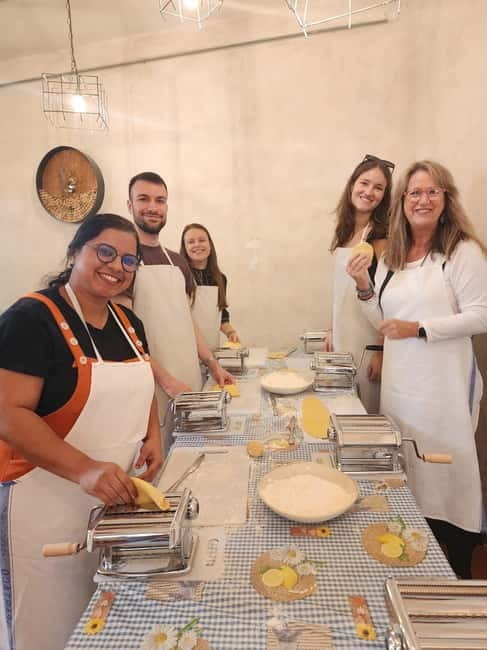
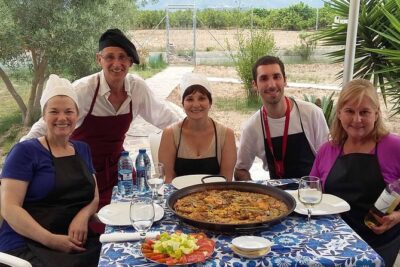
At the end, you eat together the dishes you made—tiramisu, plus what you prepared in the kitchen (pasta or pizza). The meal is paired with a glass of local wine, chosen to match what’s on your table.
This is a key value point. Many cooking classes end with you leaving your food behind. Here, the meal is the payoff. You taste your own results, compare them to what you know from restaurants, and start linking flavor to technique in a way you can repeat later.
About the wine: included, but not always unlimited
A note worth making: one review points out that the wine wasn’t like the idea of free-flow pours they expected. Meanwhile, other reviews mention plenty of wine and even a nonstop vibe. Translation for your planning: assume wine is part of the experience, but don’t count on endless refills. If you’re the careful type, keep it to a glass or two and enjoy it slowly with your meal.
Price and value: is $57 a fair deal in Naples?
At $57 per person and a 3-hour time window, this class is priced like a guided food experience, not just a ticket to watch cooking. The reason it can feel like good value is that you’re getting multiple things inside one package:
- A Prosecco welcome
- A guided, hands-on cooking session
- A meal featuring what you made
- Wine pairing with the meal
In Naples, where you can find inexpensive street food, it’s still worth comparing this to what you’d spend doing the same day on your own. You’d likely pay separately for drinks, a guided activity, and a sit-down meal—here they’re braided into one experience.
And the rating backs up the value claim: a 4.8 score from 106 reviews suggests consistent instruction and an enjoyable atmosphere.
Who this class suits best (and who may want to skip it)
This is a great fit if you want a fun, social activity that still teaches real skills. It also suits people who like getting coached rather than figuring everything out alone. Several reviews mention groups bonding and instructors staying kind and patient, which matters when you’re learning sticky dough or assembling delicate layers.
Not a good match if you have these needs
The class isn’t suitable for:
- Vegans
- People with gluten intolerance
- People with lactose intolerance
It also isn’t aimed at very young children:
- Not suitable for children under 2 years
- Not suitable for children under 3 years
- Babies under 1 year
Also, substitutions for allergies or preferences are offered, but the instruction still follows the traditional recipe, which includes gluten, dairy, and eggs. If you have a serious allergy, plan to contact the operator first and be clear about what you need.
Timing and logistics: how to make the most of the 3 hours
The class lasts 3 hours, with starting times that depend on availability. The meeting point can vary by option booked, so you’ll want to confirm it when you reserve.
What matters most for your day: treat this like a real commitment block. Don’t schedule a tight museum visit right before it, and don’t plan to sprint across town afterward. You’ll be washing up, cooking actively, then eating and talking. That extra time is part of the value.
Language is English with a live guide, which is a big plus if you want clear instruction without guessing.
Should you book this Naples cooking class?
If you want an authentic-feeling food experience with real coaching, this is an easy yes. You’ll leave with skills you can repeat at home—especially if you’ve ever tried to make tiramisu and wondered why it didn’t set the way you expected. The combination of hands-on work, eating your own food, and wine pairing makes it more satisfying than a short tasting.
I’d think twice only if wine is your main draw and you’re expecting unlimited pours, or if you’re dealing with gluten/lactose restrictions that the class can’t accommodate safely. Otherwise, for the price and the time, it’s a strong Naples activity that feels practical, not performative.
FAQ
What dishes will I make in the class?
You’ll make tiramisu and then either fresh pasta or pizza, depending on the class option you book.
Do I get drinks during the experience?
Yes. You’ll be welcomed with a glass of Prosecco, and you’ll also have a glass of wine with the meal at the end.
How long is the cooking class?
The duration is 3 hours.
Is there an English guide?
Yes. The tour includes a live tour guide in English.
Is this class suitable for vegans?
No. It is not suitable for vegans.
Is it suitable for gluten or lactose intolerance?
No. It is not suitable for people with gluten intolerance or people with lactose intolerance.
Can the restaurant accommodate allergies or food preferences?
Substitutions may be available for allergies or food preferences, but the instructions focus on the traditional recipe, which includes gluten, dairy, and eggs.
Where do I meet the group?
The meeting point may vary depending on the option booked.
What’s the cancellation policy?
You can cancel up to 24 hours in advance for a full refund.
Can I reserve now and pay later?
Yes. There’s a reserve now & pay later option, so you can book your spot and pay nothing today.