REVIEW · ST JOHN S
Coordinating Curry Cooking Class
Book on GetYourGuide →Operated by Nicole's Table · Bookable on GetYourGuide
Curry here comes with a sea view. This hands-on class lets you cook West Indian curry and dhal puri roti with Nicole in a relaxed home setting, then eat a full 3-course lunch on the veranda. I like that it feels personal and you’re not just watching, and I also like the stories Nicole shares while you work. A possible drawback: there’s no pickup, so you’ll need to get yourself to Nicole’s Table.
You’ll start around 11:00 and finish near 15:00, which makes it an easy fit for a hotel or cruise schedule. The teaching style is informal, and the results are practical: you leave with a recipes booklet plus the confidence to make these dishes again at home, even if your spice cabinet is less impressive than the one in a Caribbean kitchen with island rhythm.
In This Review
- Key highlights at a glance
- Entering Nicole’s Table: the Antigua home-kitchen feel
- What you actually learn to cook: curry chicken, tofu, and roti
- Curry chicken and tofu
- Dhal puri roti: the flatbread that carries the meal
- Sides and dessert: pumpkin, coconut spinach, and coconut custard tart
- The food timeline: a smooth 4-hour cooking and eating flow
- Drinks and snacks: small details that make the class feel Caribbean
- Lunch on the veranda: the Caribbean Sea view you can taste
- Nicole’s teaching style: stories, history, and the why behind the spice
- Price and value: is $145 worth a 4-hour food day?
- Practicalities that matter before you go
- Timing and schedule
- Meeting point and transport
- Food allergies and dietary needs
- Hygiene and health rules
- Who it’s not a fit for
- Who should book this curry cooking class?
- Should you book Nicole’s Curry Cooking Class?
- FAQ
- What is the duration of the curry cooking class?
- What dishes will I learn to make?
- Is there a vegetarian option?
- What will lunch include?
- Are drinks included?
- Where do I meet for the class?
- Do I need to bring anything?
- Is this class suitable for people who use wheelchairs?
Key highlights at a glance
- Hands-on cooking: you’ll actively make curry chicken or tofu, roti, sides, and dessert
- Nicole’s home-kitchen vibe: informal lessons with food history and everyday West Indies stories
- A real sit-down lunch: a 3-course meal served on the veranda overlooking the Caribbean Sea
- Local flavor in drinks and snacks: juice, house cistern water, and Nicole’s old-fashioned rum punch
- Vegetarian options: tofu swaps are available, so you’re not stuck with side dishes only
Entering Nicole’s Table: the Antigua home-kitchen feel
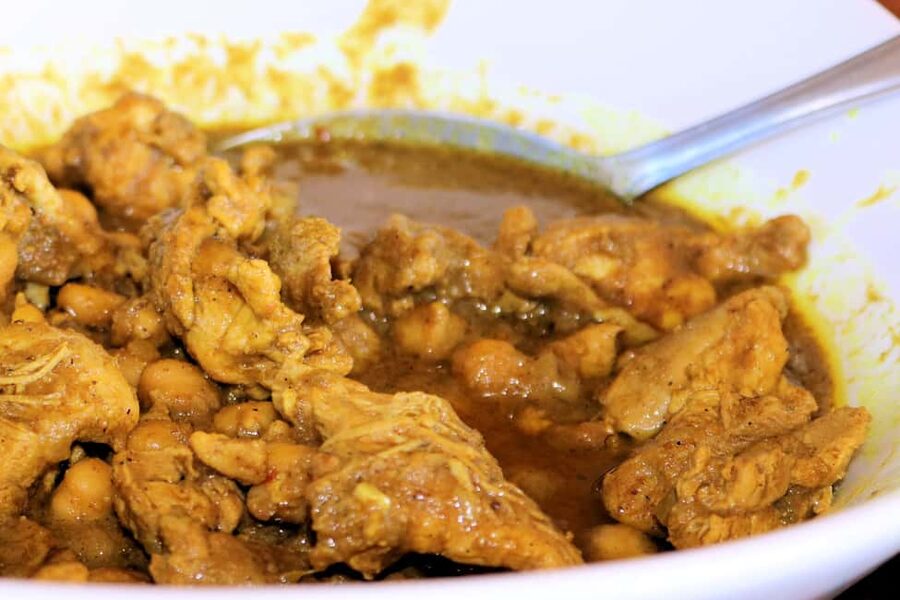
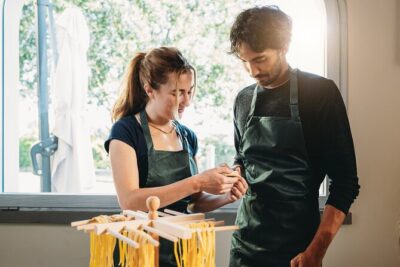
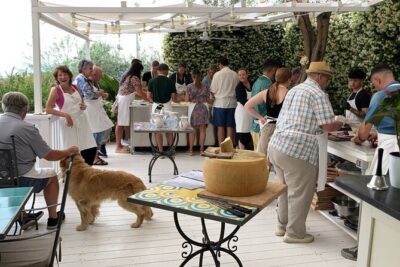
What makes this class work is the setting. You’re not herded through a production line. Instead, you join Nicole in her home for a relaxed cooking day where questions are welcome and the pace stays human. One thing I appreciate is how much attention goes into making it feel like you belong at the table for the meal, not just for the photos.
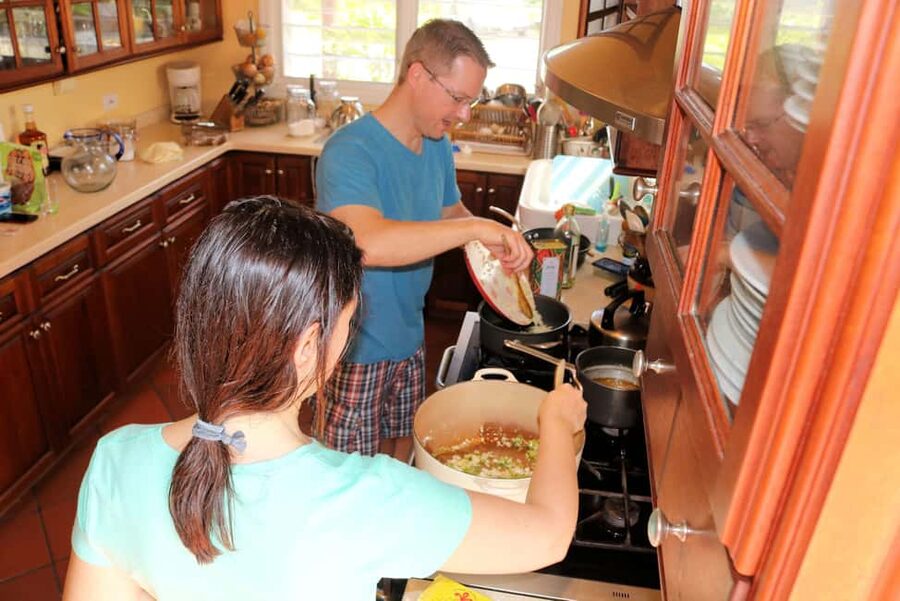
From the start, the experience is built around togetherness: you prep, cook, taste, adjust, and then eat what you made. That sounds obvious, but a lot of “cooking classes” still leave you mostly watching. Here, the emphasis is hands-on, and the result is that your food knowledge sticks.
You meet at Nicole’s Table, and you’ll need to plan your own transport. There’s no pickup service, so if you’re staying far from the meeting point, factor that in early. Also, children must be accompanied by an adult, and pets aren’t allowed.
You can also read our reviews of more tours and experiences in St John S.
What you actually learn to cook: curry chicken, tofu, and roti
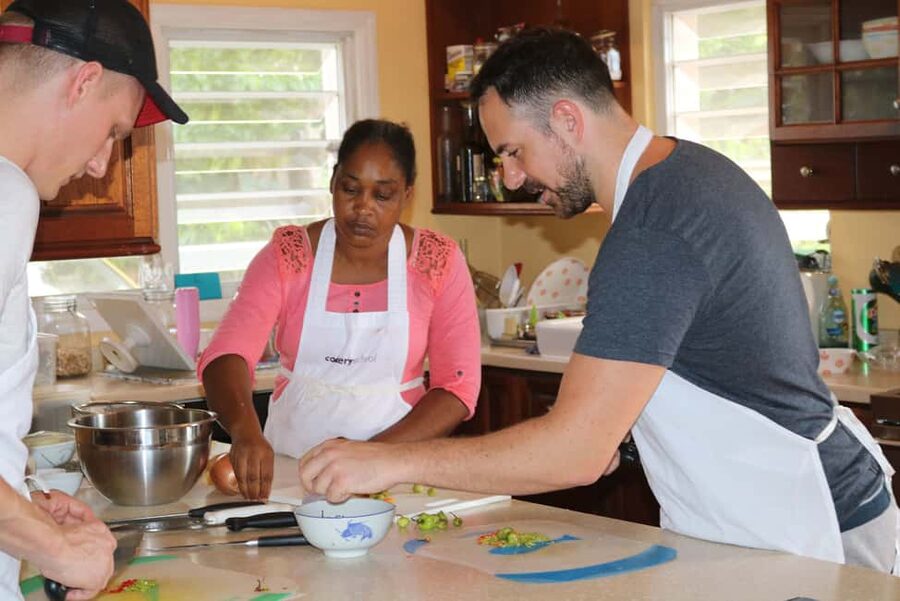
The main event is West Indian curry in two forms: curry chicken and a vegetarian option using tofu. You’re not given vague instructions. Nicole teaches you the steps needed to build flavor, and you’ll also learn how curry changes when you shift spices, textures, and cooking time.
Curry chicken and tofu
You’ll focus on curry as something you shape, not something you sprinkle from a packet and hope for the best. Nicole talks about the many faces of curry and how Caribbean cuisine absorbed it over time. In the Caribbean, curry shows up across islands with distinct blends, and there’s even a long-running debate about which island’s version is best. The practical takeaway for you: don’t aim for one single flavor profile. Aim for balance, and adjust based on what’s in your pot.
For vegetarians, the class offers tofu in place of chicken. That matters because it keeps you in the center of the cooking action, rather than being a spectator with a plate of sides.
Dhal puri roti: the flatbread that carries the meal
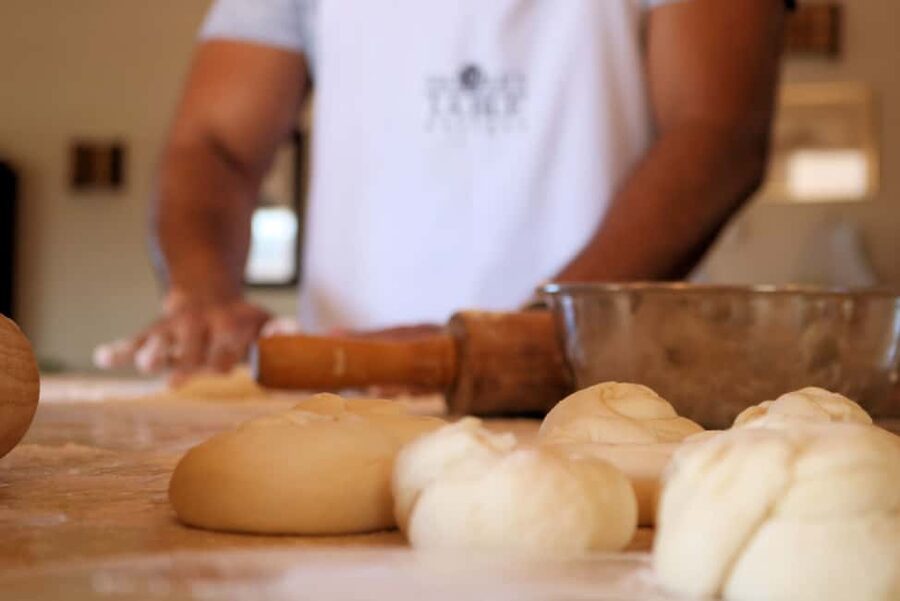
You’ll also make dhal puri roti, an unleavened flatbread. Roti is one of those foods that instantly makes curry feel complete. When you learn it hands-on, you start understanding why it’s such a comfort food on the islands and why people crave curry and roti when they’re away from home.
The “unleavened” detail is useful because it changes how you think about texture and handling. You’ll learn the basics of shaping and cooking roti so it works as a scoop-and-wrap companion for the curry.
Sides and dessert: pumpkin, coconut spinach, and coconut custard tart
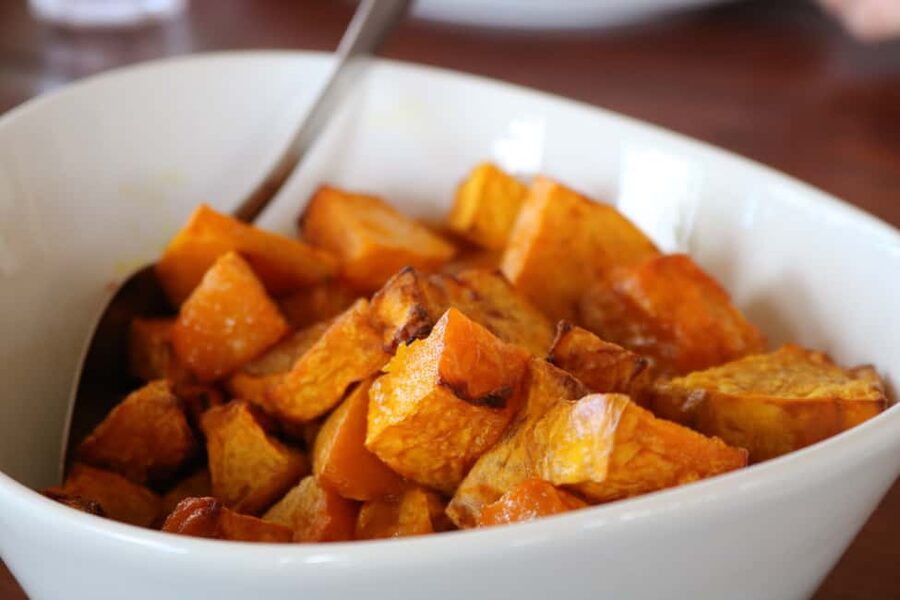
The menu isn’t just curry and bread. You’ll also make roasted pumpkin and spinach cooked in coconut milk, which helps explain how curry meals balance heat and sweetness and how coconut can soften the edges of spice.
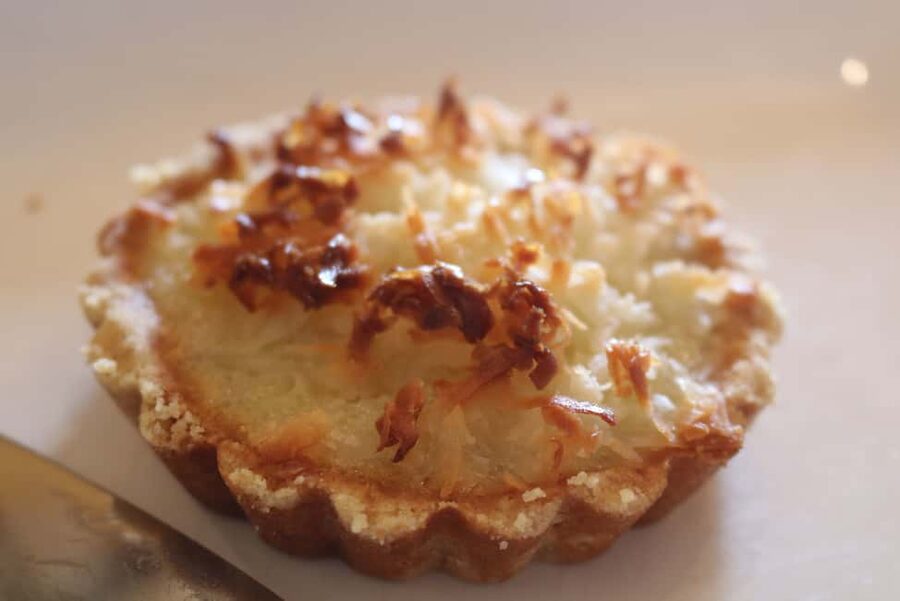
Dessert rounds it out with individual coconut custard tarts. Coconut shows up again here, which is a nice theme for the meal: creamy, mellow flavors that let the curry linger without dominating your whole palate.
The food timeline: a smooth 4-hour cooking and eating flow
The class runs about 4 hours, usually starting at 11:00 and ending around 15:00. That pacing is practical. You’re not rushing through the curry while your roti cools on the counter. You cook, you eat, and you get enough time for questions without feeling like lunch is an afterthought.
In a typical flow:
- You begin with snack and drinks, then move into active cooking
- Nicole teaches the curry components and roti steps while you work
- You cook sides and dessert as part of the same lesson, not as a separate add-on
- When everything’s ready, you settle in for the full 3-course lunch
Seasonal availability can affect the exact ingredients, so don’t be surprised if the menu shifts slightly. That said, the structure stays the same: curry, roti, sides, and dessert.
Drinks and snacks: small details that make the class feel Caribbean
This is a meal that starts before the lunch plates arrive. You’ll begin with cocktails that can include local juice, water from the house’s cisterns, and Nicole’s old-fashioned rum punch. If you’re there for the social side, the drink setup helps break the ice quickly.
Snacks typically include coconut crisps, plus plantain chips and/or cassava chips. Those choices matter because they’re not just filler. They’re crunchy, salty, and lightly flavored in ways that set you up for spiced food later without numbing your appetite.
And yes, there’s a minimum drinking age of 18. So plan accordingly if you’re traveling as a mixed-age group.
Lunch on the veranda: the Caribbean Sea view you can taste
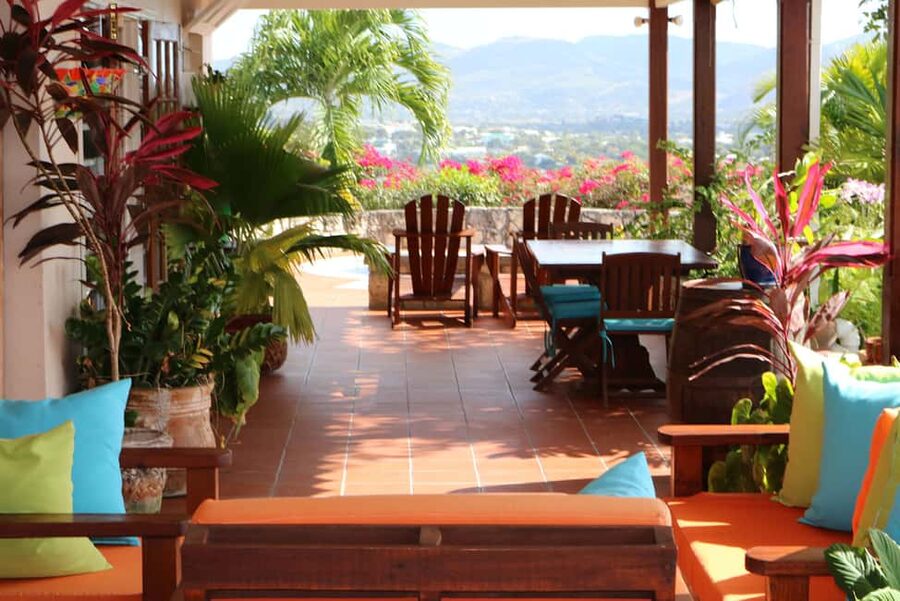
Once lunch is ready, you sit down for a three-course festival of flavor. The setting is a big part of the value here: the meal is served on a veranda with a beautiful view of the Caribbean Sea. That kind of backdrop changes how the food lands. Heat feels like comfort, spice feels like warmth instead of stress.
Your lunch includes:
- A starter such as coconut crisps and plantain or cassava chips
- Main course: West Indian chicken curry plus dhal puri roti (with tofu available for vegetarians)
- Sides: roasted pumpkin and spinach cooked in coconut milk
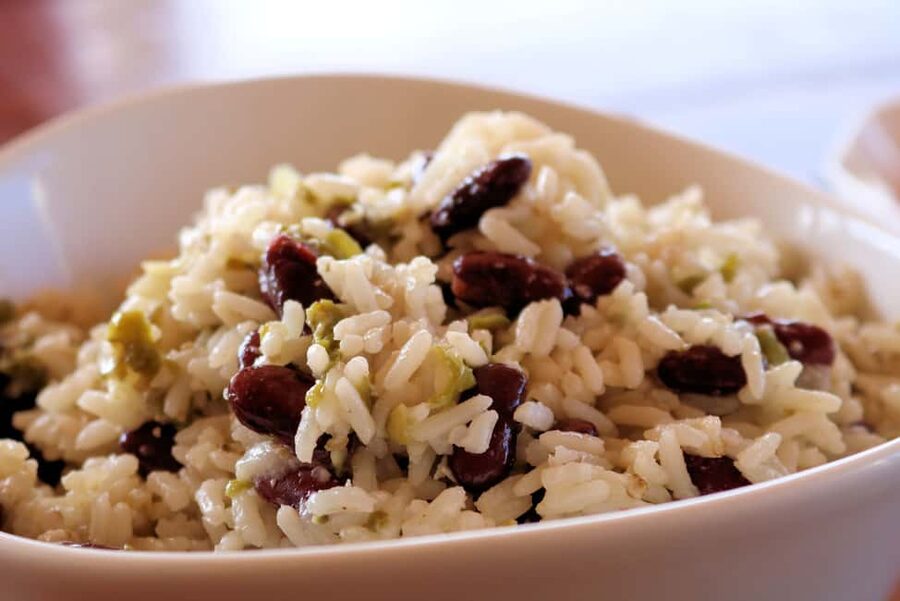
- Dessert: individual coconut custard tarts
One thing I love about this structure is that it covers the whole curry meal. You’re not leaving wondering what else belongs with curry and roti. You taste the full system: bread texture, sauce thickness, side balance, and the creamy sweet finish.
Nicole’s teaching style: stories, history, and the why behind the spice

Nicole keeps things informal. You’re cooking and learning at the same time, with explanations that include food history and real-life West Indies stories. That’s the difference between following steps and understanding flavors.
You’ll hear how curry arrived in the Caribbean with Indian indentured servants after slavery was abolished. The influence was huge, and each island developed its own spice blend. Nicole also shares the idea that kitchens are where the debates happen, and that curry and roti are the comfort foods people return to after being off the island.
If you like food learning that feels human, not textbook-heavy, this style will hit the mark. It’s also why people walk away feeling like they’d like to repeat the experience. In past bookings, I’ve seen a consistent theme in the comments: people say it felt like spending the day with Nicole in a private, welcoming atmosphere, with laughter and top-notch recipes. Some mention Nicole and Adam as part of the day as well, adding to that home-feel.
Price and value: is $145 worth a 4-hour food day?
At $145 per person for a 4-hour session, you’re paying for more than instruction. You’re paying for:
- hands-on cooking time
- the full meal (3 courses)
- drinks (including options like local juice and rum punch)
- a recipes booklet to take home
- the experience of eating in a home setting with sea views
If you compare it to a guided tour plus a separate meal plus a paid cooking workshop, the value stacks up because it’s bundled. You’re not just learning how to cook. You’re also eating what you cook, with ingredient-focused guidance you can actually reproduce later.
The other value factor is small-group feel. The class may shift depending on a 4-person minimum. If your group is smaller, your booking may be moved to another day to meet that minimum, or you may be placed into an existing class. That’s worth noting because it can affect whether you expect a fully private session.
For most people, the price becomes reasonable when you consider that you’re leaving with both food and skills, not just a belly full of curry.
Practicalities that matter before you go

A few details can make or break the day, so set yourself up well.
Timing and schedule
Classes start at 11:00 and usually end around 15:00. That’s excellent if you’re juggling cruise or hotel plans. You’ll want to plan your day around the full 4 hours, not just lunch.
Meeting point and transport
Meet at Nicole’s Table. There’s no pickup. If you’re relying on taxis or ride services, plan extra time so you arrive relaxed and ready to cook.
Food allergies and dietary needs
You should advise Nicole of dietary requirements, especially allergies, at booking time. Vegetarian options are available, including tofu for the curry. But the safest move is to flag allergies early so the kitchen can accommodate properly.
Hygiene and health rules
Hand washing is required. You’ll also be required to wear a mask if you have flu-like symptoms. These are simple rules that help everyone share the kitchen comfortably.
Who it’s not a fit for
Wheelchair users aren’t suitable for this experience based on what’s available at the location.
Who should book this curry cooking class?
Book it if you want an authentic food day where you learn by doing. It’s a strong choice if you’re the type who likes understanding why flavors work together, not just copying a recipe.
It’s especially good for:
- couples and small groups who want a warmer, more personal experience
- people who like curry and roti and want to master the basics
- vegetarians who still want to cook a main dish (tofu is included)
You might think twice if you need a fully hands-off experience. This is hands-on by design, and you’ll be cooking throughout. Also, if transport logistics are a headache for you, the no-pickup requirement may be annoying.
Should you book Nicole’s Curry Cooking Class?
I’d book it if your goal is to leave Antigua with more than memories. This is a meal-based lesson where the food is built in your hands, then eaten in a gorgeous sea-view setting. The best part is the combination: practical cooking skills plus Nicole’s informal storytelling, so the class feels like an actual day in the West Indies, not a timed activity.
If you’re okay handling your own transport to Nicole’s Table and you don’t mind being active in the kitchen for 4 hours, the value is strong at $145. And if curry and roti are on your list, this is one of the most direct ways to understand them beyond a restaurant plate.
FAQ
What is the duration of the curry cooking class?
The class lasts about 4 hours, typically running from 11:00 to around 15:00.
What dishes will I learn to make?
You’ll learn how to make curry chicken and tofu (for vegetarians), dhal puri roti, plus sides and dessert included in the class.
Is there a vegetarian option?
Yes. Vegetarian options are available, including tofu for the curry.
What will lunch include?
Lunch is a three-course meal that includes the recipes you cook during the class, served with drinks. The class menu commonly includes coconut crisps or chips, West Indian chicken curry with dhal puri roti (or tofu version), roasted pumpkin, coconut-milk spinach, and coconut custard tarts.
Are drinks included?
Yes. Drinks are included and can include local juice, water from the house’s cisterns, and Nicole’s old-fashioned rum punch.
Where do I meet for the class?
You meet at Nicole’s Table. There is no pickup service.
Do I need to bring anything?
You should plan for hands-on cooking, and follow the hygiene requirement to wash your hands. If you have flu-like symptoms, you’ll be required to wear a mask.
Is this class suitable for people who use wheelchairs?
No. It is not suitable for wheelchair users based on the information provided.