REVIEW · KAUAI
Corner Store Kauai Cooking Class
Book on Viator →Operated by Cooking Kauai · Bookable on Viator
Food on Kauai has a story. This hands-on Corner Store Kauai cooking class turns four beloved dishes into something you can actually recreate at home, led by Aletha. I especially like that you cook the whole meal, not just watch, and you get clear cultural context for why each dish matters. The only real drawback: at $173 per person, this is a more committed, cooking-focused experience than a simple snack stop.
You’ll start at 11:00 am from Koloa Road and spend about 3 hours on Aletha’s 1/3-acre homestead on the sunny South Shore, about 10 minutes from Koloa and Poipu. There are vegetarian-friendly options (musubi, somen, and mochi), but the poke is built around ahi, so it is not a fully vegetarian meal.
In This Review
- Key Things to Know Before You Go
- A Small Homestead Class That Makes Kauai Food Make Sense
- Your 11:00 AM Start on Koloa Road, Then Lunch-Mode on the South Shore
- The Menu: Musubi, Somen Salad, Two Poke Bowls, and Butter Mochi
- Starter: Kauai Style Musubi (Vegetarian Option)
- Main: Somen Salad (Pescatarian/Vegetarian)
- Main: Traditional Ahi Poke Bowl
- Main: Modern Spicy Mayo Poke Bowl
- Dessert: Butter Mochi (Vegetarian)
- Hands-On Setup: What Makes This Class Feel Easy (Even If You’re Not a Cook)
- The Human Part: Aletha, Her Kitchen Knowledge, and the Friendly Pace
- Culture Through Food: Why the Stories Matter
- Price and Value: Is $173 per Person Worth It?
- Best Time to Book, and How to Fit It Into Your Day
- Who Should Book This Cooking Class (and Who Might Skip It)
- Should You Book Corner Store Kauai Cooking Class?
- FAQ
- What dishes are included in the Corner Store Kauai Cooking Class?
- Are there vegetarian options?
- How long is the cooking class, and what time does it start?
- Where do I meet for the class?
- What group size and language should I expect?
- What is the cancellation and change policy?
Key Things to Know Before You Go
- Four dishes, one class: Kauai-style musubi, somen salad, ahi poke (traditional and spicy mayo style), and butter mochi
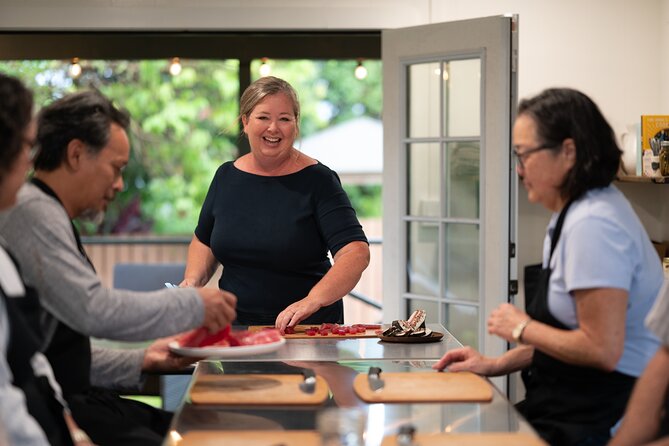
- Max 12 people, small-group feel: enough personal attention without losing the fun pace
- Tools and ingredients are set up for you: you work right away, with everything needed ready in advance
- Vegetarian parts are real, not just an afterthought: musubi, somen, and mochi are designed for meat-free eaters
- South Shore homestead setting: lychee, avocado, citrus, bananas, and more around the kitchen cabin
- You leave fed and informed: you eat what you make and get the recipes to try again at home
A Small Homestead Class That Makes Kauai Food Make Sense
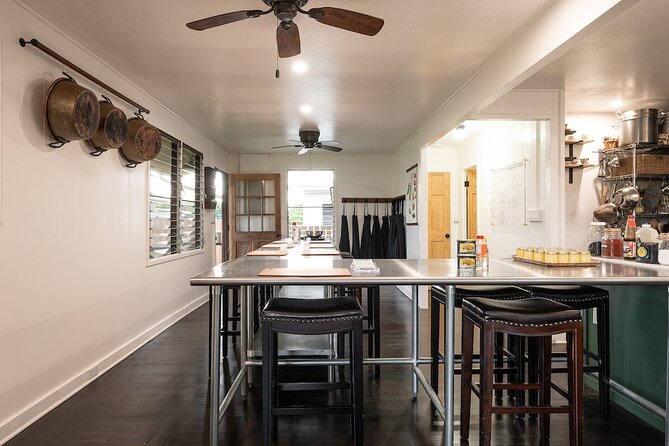
Corner Store Kauai Cooking Class is the kind of experience that helps you understand a place through what people actually cook and share. Instead of treating food as a souvenir, it connects the menu to daily life and local culture, dish by dish. The setting matters too. You’re on the South Shore at a homestead with fruit trees nearby, and the class happens in a small kitchen space that feels like someone’s home, not a big production line.
If you like food where the basics are approachable and the final result tastes like a meal you’d crave again, this is a strong pick. The menu is also nicely balanced: savory, fresh, and a sweet finish. You’re not just learning technique. You’re learning how these dishes fit together on a plate.
Your 11:00 AM Start on Koloa Road, Then Lunch-Mode on the South Shore
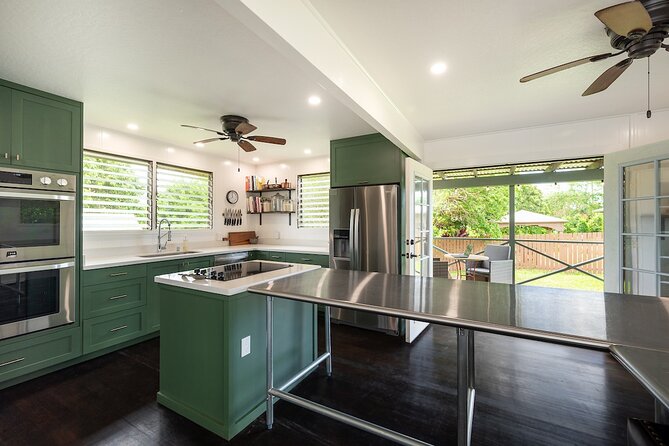
The class starts at 11:00 am and runs about 3 hours. Your meeting point is on Koloa Road in Koloa, and the experience ends back at the same location. There’s a maximum group size of 12, which is a big deal for a hands-on cooking class. It typically means you get quick help when your hands are doing something new, without waiting around for a slow-moving demo.
The experience is offered in English, and you’ll receive a mobile ticket plus confirmation at booking. Also, plan for the timing. A late start could wreck your day, because you’ll likely want a calm afternoon after lunch is handled.
One more practical note: the age requirement is 10 years or older. Youth ages 10–17 must be accompanied by a registered adult. If you’re traveling as a family, this is one of the clearer ways to mix learning with food.
The Menu: Musubi, Somen Salad, Two Poke Bowls, and Butter Mochi
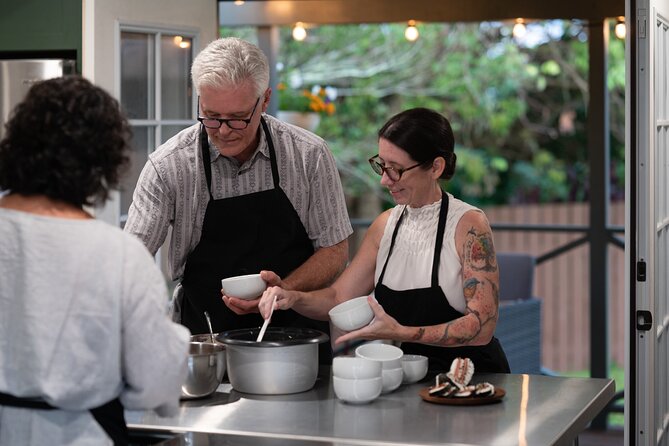
This class revolves around four dishes that you’ll taste at the end and (with the recipe guidance) can recreate later. The order matters because each dish builds your understanding of local flavors.
Starter: Kauai Style Musubi (Vegetarian Option)
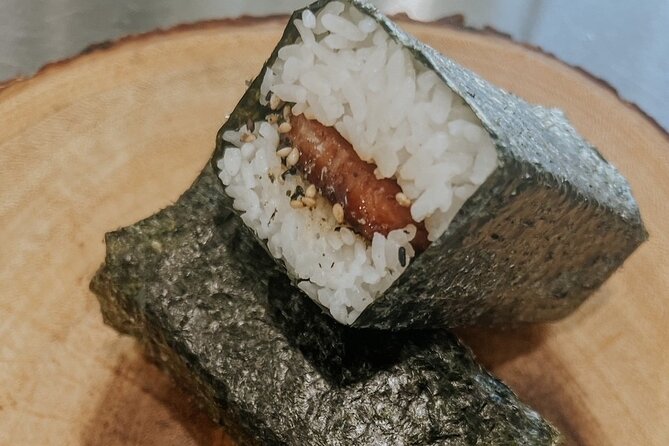
Musubi is one of those foods that looks simple and then keeps you thinking. In this class, you’ll make Kauai style musubi, and there’s a vegetarian option. That matters if you eat meat-free but still want the full Hawaii plate experience, not a consolation dish.
You’ll learn how to handle the “assembly” part, which is where musubi can feel tricky for first-timers. This class keeps it manageable by having ingredients and tools ready, so you can focus on getting the shape right and making it taste balanced.
Main: Somen Salad (Pescatarian/Vegetarian)
Next is somen salad, which comes across as lighter and cooler than a typical warm noodle dish. It’s also flexible in the way it fits different diets, since it’s listed as pescatarian/vegetarian.
Expect this to be the dish that resets your palate. The goal isn’t just flavor; it’s texture. Somen brings a smooth noodle bite, while the salad style tends to add crunch and freshness so the meal doesn’t feel heavy.
Main: Traditional Ahi Poke Bowl
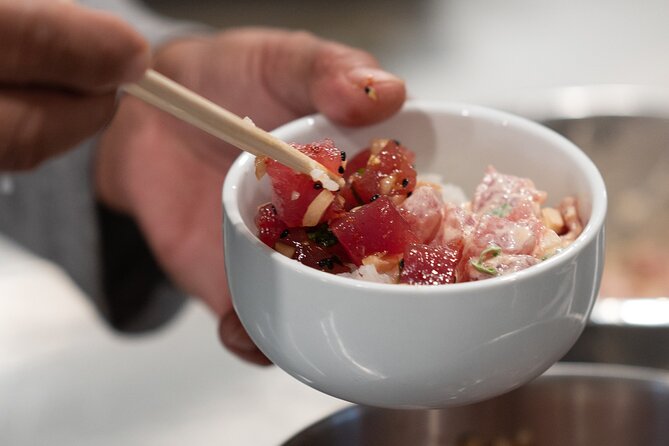
Then you move into poke. Here, the class covers traditional ahi poke. You’re working with tuna (ahi), and the focus is on seasoning and balance—how much sauce, how the pieces are cut or handled, and how to make it taste like it belongs in Hawaii, not like it was created in a generic bowl setting back home.
This is the part of the menu that will feel most different if you’ve only had poke from a restaurant. Making it yourself is where you learn how a simple ingredient list turns into something unmistakably “local.”
Main: Modern Spicy Mayo Poke Bowl
After the traditional version, you’ll also make a modern spicy mayo poke. This is a smart pairing because you see how the base concept stays the same, while the finishing flavors shift the vibe.
The spicy mayo version is a great test of technique. It’s easy for spice to overpower. The class format helps you avoid that by guiding you through the parts that control taste.
Dessert: Butter Mochi (Vegetarian)
To close, you’ll make butter mochi, a vegetarian dessert. Mochi is comfort food with a slightly chewy, satisfying feel, and butter mochi brings that warm, sweet finish that makes the whole meal feel complete.
Dessert is also a good way to cap the class because it shifts your brain away from salty flavors. By the time you eat it, you usually realize how much work went into those savory dishes.
Hands-On Setup: What Makes This Class Feel Easy (Even If You’re Not a Cook)
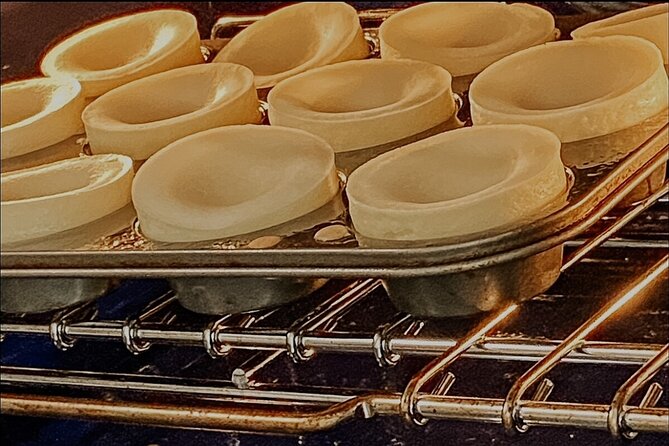
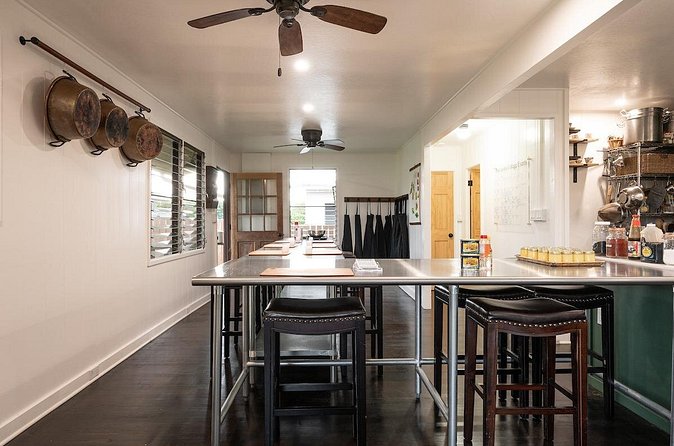
What makes Corner Store Kauai Cooking Class work for most people is that it is designed for hands-on cooking without chaos. The experience says all needed ingredients, recipes, and tools are prepared so you can spend the time actually cooking and tasting.
In practice, that means:
- you’re not hunting for supplies mid-class
- you’re not stuck figuring out steps on your own
- you can concentrate on the technique and taste, not the logistics
The kitchen setup also matters. The homestead setting feels clean and organized, which is comforting when you’re handling sticky or delicate parts like musubi assembly or poke seasoning.
And yes, you’ll eat what you make. This is not a class where you work up an appetite and then get a tiny sample. In true local style, you eat a full, authentic Kauai meal at the end.
The Human Part: Aletha, Her Kitchen Knowledge, and the Friendly Pace
The class is led by Aletha, and the energy is warm and welcoming. That matters because Hawaiian cooking isn’t just about doing steps correctly. It is about doing them with context—why people make these dishes, when they show up, and what they represent.
The pacing also helps. With a small group (max 12), the instructor can slow down for questions without derailing the whole schedule. One of the best parts of a class like this is feeling supported while still having freedom to work with your own hands.
If you’re worried about joining when you’re new to cooking, don’t overthink it. The instructions are set up to be easy to follow, even when you’re starting out with ingredients or techniques that feel unfamiliar.
There’s also a family feel in the background. Aletha’s daughter, Anneka, is involved and helps along the way, which adds to that welcoming home-kitchen vibe.
Culture Through Food: Why the Stories Matter
This class doesn’t treat culture as a side lecture. The dishes are connected to local history and cultural significance as you go. That changes how you taste.
When you know what to look for—sweetness in musubi, brightness and texture in somen salad, seasoning balance in poke, and the comforting chew of mochi—you stop eating on autopilot. You start paying attention to what the dish is trying to do.
And that kind of understanding is what makes the recipes more useful after the trip. You’re not only bringing home paper. You’re bringing home an idea of how to make choices at the grocery store when a specific ingredient isn’t available.
Price and Value: Is $173 per Person Worth It?
At $173 per person, this is not a budget add-on. It’s also not a “pay for pretty views” experience. You’re paying for:
- a small-group cooking environment (max 12)
- hands-on preparation with tools and ingredients already set up
- a complete meal you eat at the end
- recipes you can use later
For the right traveler, that is good value. If you love cooking, want to learn a Hawaii menu that goes beyond spam musubi stereotypes, and would rather spend time in a real home kitchen than in a crowded tasting room, this price starts to make sense.
But if your goal is to simply snack your way through Kauai with minimal effort, you may feel like the cost demands too much participation. This class expects you to cook.
Best Time to Book, and How to Fit It Into Your Day
On average, this experience is booked about 30 days in advance. So if your schedule is tight, don’t wait until you’re already on the island. Also, because it runs about 3 hours starting at 11:00 am, you’ll want to place it earlier in the day so you still have energy for sightseeing after lunch.
This is a great option on days when weather or timing might mess with outdoor plans. You still get a full Kauai experience, just in food form.
Who Should Book This Cooking Class (and Who Might Skip It)
This class fits best if you want:
- hands-on cooking that ends in a real lunch
- to learn four classic Kauai favorites in a single session
- a smaller, personal setting on the South Shore
It is also one of the better choices for vegetarian eaters who still want to cook Hawaiian food. The menu includes vegetarian-friendly options for musubi, somen salad, and butter mochi.
You might consider skipping if you strongly prefer watching rather than participating, or if you need a fully meat-free poke option, since the poke dishes are built around ahi.
Should You Book Corner Store Kauai Cooking Class?
If you want Kauai culture through the kitchen, and you like the idea of leaving with recipes plus lunch you helped make, I think this is a smart booking. The small-group size, the homestead setting, and the four-dish menu make it feel focused, not random.
Book it if you can do 3 hours of cooking without resenting time in the kitchen. Skip it if you’re looking for a low-effort food stroll. For everyone else, this is one of the most practical ways to take Kauai food home with you.
FAQ
What dishes are included in the Corner Store Kauai Cooking Class?
You’ll cook and taste four dishes: Kauai Style Musubi (with a vegetarian option), Somen Salad (pescatarian/vegetarian), Traditional Ahi Poke and Modern Spicy Mayo Poke, plus Butter Mochi (vegetarian).
Are there vegetarian options?
Yes. The menu includes vegetarian options for Kauai Style Musubi, Somen Salad, and Butter Mochi. The poke dishes listed include ahi, so they are not described as vegetarian.
How long is the cooking class, and what time does it start?
The class runs about 3 hours and starts at 11:00 am.
Where do I meet for the class?
The meeting point is on Koloa Road, Koloa, HI, USA. The activity ends back at the meeting point.
What group size and language should I expect?
The experience has a maximum of 12 travelers and is offered in English.
What is the cancellation and change policy?
This experience is non-refundable and cannot be changed for any reason. If it is canceled because a minimum number of travelers isn’t met, you’ll be offered a different date/experience or a full refund.