REVIEW · PUDUCHERRY
Pondicherry: Indian Cooking Class with Market Visit
Book on GetYourGuide →Operated by SITA CULTURAL CENTRE · Bookable on GetYourGuide
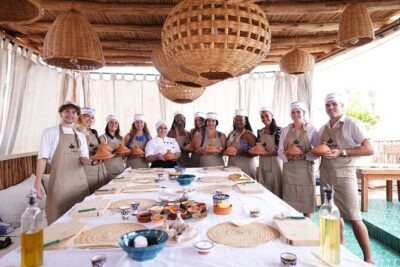
Spices meet you before the stove does. This Indian cooking class in Pondicherry pairs a guided market walk with a hands-on session where you actually chop, grate, mix, and cook your own meal—then you eat it in a garden setting with the group.
Two things I really like here: you get a practical lesson on how ingredients and spices connect (not just a lecture), and you end up with a meal you helped make, with options ranging from vegetarian to non-vegetarian and vegan. One thing to consider: language mix-ups can happen if you don’t match the session language (English, Hindi, or French), and a small number of reports mention tight or basic kitchen conditions—so it’s worth going in with realistic expectations.
Small-group teaching (up to 10) helps, but the experience hinges on clear communication and a comfortable pace. If you have dietary restrictions or allergies, you should state them clearly upfront so your menu options stay safe and satisfying.
In This Review
- Key Points Worth Your Time
- Market Visit: Where Pondicherry Flavor Starts
- Goubert Market Walk: Spices, Produce, and Practical Buying Tips
- The Cooking Session: Step-by-Step Work You Can Actually Repeat
- Typical Dishes You Might Cook
- Pick Your Menu: Vegetarian, Non-Veg, and Vegan Options
- Eating Your Work: Garden Lunch and the Social Side
- Price and Value: Is $24 Worth It?
- Language, Comfort, and Small Practical Tips
- Who This Class Suits Best (And Who Might Hesitate)
- Should You Book This Pondicherry Cooking Class?
- FAQ
- How long is the Pondicherry Indian cooking class?
- Does the price include the market visit and transportation during the experience?
- What does the $24 per person price include?
- Are there vegetarian, non-vegetarian, and vegan options?
- How many recipes will I cook?
- What languages are available for the instructor?
- What should I bring, and is there anything I can’t do?
- Is transportation to and from the class included?
- Can children join?
Key Points Worth Your Time
- Market-first learning: You walk through a local vegetable market and learn what you’re buying and why.
- Hands-on cooking for ~4 dishes: You choose recipes and work through the steps yourself.
- Garden meal: Your cooking ends with a shared meal outdoors, not a rushed takeaway.
- Diet flexibility: Vegetarian, non-vegetarian, and vegan options are available depending on your picks.
- Real spice focus: Expect practical guidance on spices and ingredient choices.
- E-booklet after class: You get the recipes sent after your session.
Market Visit: Where Pondicherry Flavor Starts
The smartest part of this experience is the order. Instead of beginning with a cookbook, you start with a market visit. Your instructors take you around a local vegetable market, introduce ingredients you might not recognize, and explain how spices and produce fit together in Indian cooking.
Markets here are not like a tidy produce aisle. You’ll see vendors calling out, bright piles of vegetables, and shelves of ingredients that can be hard to identify if you’re shopping like you do at home. The big value is that you’re learning as you go—so when you return to cook, you don’t feel lost. You know what the ingredient is, what it tastes like, and what role it plays in a dish.
Transport between the market and the cooking location is included as part of the experience, using autorickshaws. That’s a small detail, but it matters in a city like Pondicherry, where hopping between spots can eat up time when you’re on your own.
Goubert Market Walk: Spices, Produce, and Practical Buying Tips
Some sessions are tied to the Goubert Market area, and the market walk is one of the moments that tends to stick. The instructors show you ingredients you may find “exotic” compared to Western grocery stores—and they’ll also help you understand which items are worth buying fresh.
One highlight from the experience: menu choices can get adjusted based on what you already know (or don’t). For example, banana stem came up as a question in one case, and it ended up being incorporated into the menu once everyone understood how it’s processed and used. That’s a perfect example of what you want from a class like this: flexibility paired with explanation, so you don’t just follow steps—you learn enough to cook confidently later.
If you’re curious about South Indian staples like coconut and lentils, this market tour sets you up well. If you’re leaning more North Indian (like palak paneer), you’ll still benefit from understanding how herbs, spices, and dairy fit into the overall flavor system.
The Cooking Session: Step-by-Step Work You Can Actually Repeat
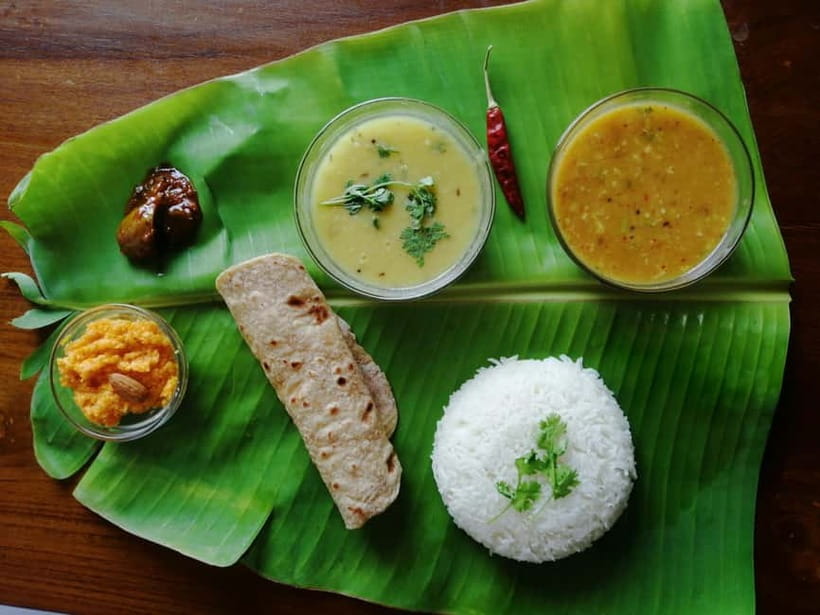
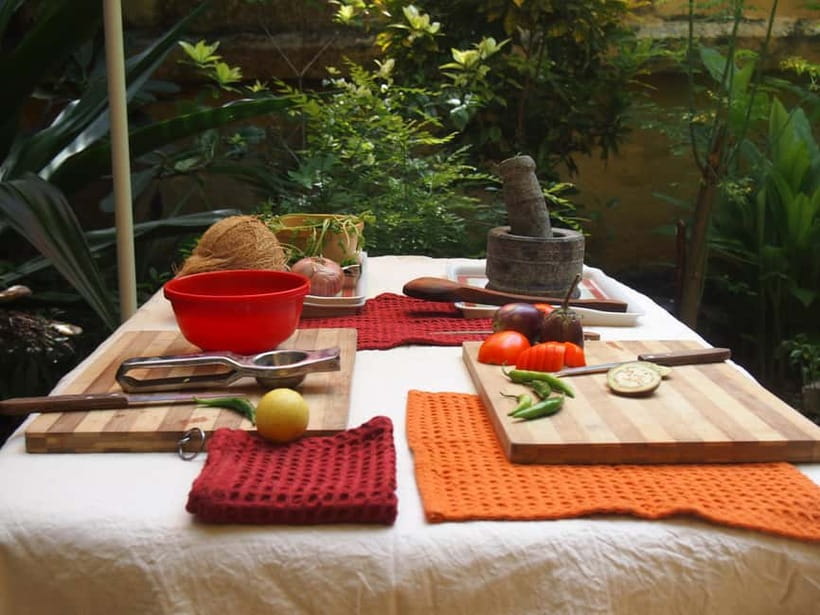
Once you’re back at the cooking school (SITA CULTURAL CENTRE), the class shifts from observation to action. This is a full hands-on setup. You’ll be involved in key prep tasks like chopping vegetables and grating coconut. If you like learning by doing, this part feels like the real course.
You’ll cook around four recipes based on what you choose. That “choose your recipes” piece matters. It means you’re not stuck with dishes you don’t care about. And it also helps your brain connect the prep work to the end result—especially when you compare techniques across savory mains and sweet desserts.
The instruction style is interactive. You’re encouraged to ask questions about ingredients, steps, and possible variations. That’s important because Indian cooking has regional differences, and even within the same dish, people may cook it differently depending on spice levels and local ingredients.
Typical Dishes You Might Cook
The menu can include popular favorites such as:
- Meen kozhumbhu (a Pondicherry-style fish curry)
- Sambar (lentils and vegetables in a classic gravy)
- Carrot halwa (a sweet finish)
- Palak paneer (a North Indian-style spinach and cheese dish)
- Chicken chettinad (spiced chicken, known for big flavor)
Not every group will cook every dish, and your exact menu depends on your choices and the session flow—but these dishes give you a good sense of the range.
Pick Your Menu: Vegetarian, Non-Veg, and Vegan Options
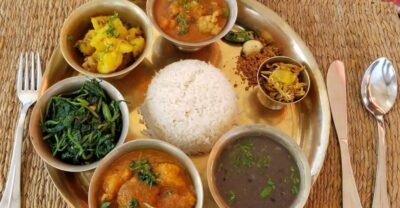
One of the best parts is that the class isn’t trapped in one dietary lane. You can choose from vegetarian, non-vegetarian, South Indian, North Indian, and even vegan options.
For practical planning, think of it like this: you’re not just choosing what you’ll eat. You’re choosing what techniques you’ll practice. If you pick a coconut-forward South Indian dish, you’ll likely spend time on that prep. If you pick palak paneer, you’ll learn how spinach and dairy balance out. If you choose a sweet like carrot halwa, you’ll see how Indian desserts build flavor through cooking down and seasoning.
If you have dietary restrictions or allergies, tell the organizers ahead of time. The class guidance explicitly asks you to mention these needs so your menu can be adjusted safely. That’s worth doing early rather than trying to negotiate at the counter when people are already cooking.
Eating Your Work: Garden Lunch and the Social Side
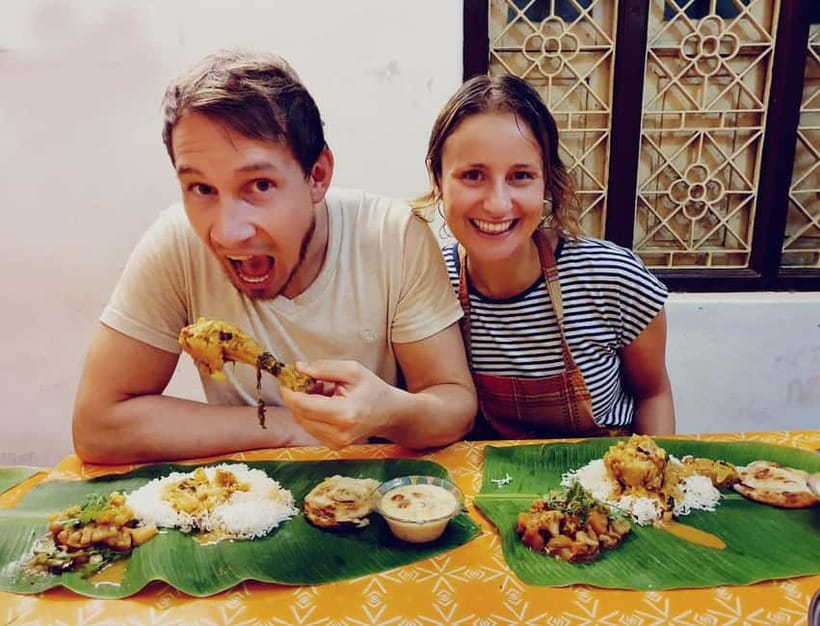
The session ends with the best kind of payoff: you eat what you cooked. Meals are served in a garden setting, which keeps the tone relaxed and celebratory, not classroom-stiff.
This part is also where a cooking class becomes more than food. You share the dishes, compare notes, and learn how your group’s choices affected the final table. Even if you’re introverted, it’s an easy moment to interact because everyone already has something in common: the same ingredients and the same steps, just interpreted through different recipe picks.
If you like the idea of leaving Pondicherry with recipes you can repeat at home, the garden meal is where it clicks. You taste the dish, remember the prep work, and connect the spice choices to the final flavor.
Price and Value: Is $24 Worth It?
At $24 per person for about 3 hours, this is positioned as a value-friendly class—especially because key items are included.
Here’s what your money covers:
- Ingredients and materials
- Market visit and transport between spots (via autorickshaws)
- The lunch/dinner meal you prepared
- An e-booklet sent after the class
What’s not included is transportation to and from the cooking class location. That’s the main “gotcha” to plan for. If you’re staying somewhere farther out, factor in a taxi or local ride so you’re not scrambling at the end.
Is $24 a bargain? If you would normally spend $24 just on a casual meal, you’re getting far more than lunch. You’re paying for guided technique, spice context, and a structured chance to cook and eat. In a small group capped at 10, you’re also more likely to get attention during prep and cooking steps than you would in a large demo class.
Language, Comfort, and Small Practical Tips
This class runs with instructors in English, Hindi, and French. You can choose a language for the session, but a note from real-world experience: a mismatch can happen if your selection doesn’t line up with what the instructor provides. The safest move is to double-check your language preference in your booking confirmation and show up ready to communicate clearly.
For what you should bring:
- A camera
- Comfortable clothes (you’ll be cooking and moving around)
- If you have allergies or dietary restrictions, bring that info and state it clearly
Smoking is not allowed. That’s normal, but it’s still good to know.
Also, kids above 6 years are welcome. Children under 6 are not suitable, likely due to the cooking and environment.
Who This Class Suits Best (And Who Might Hesitate)
This is ideal if you want:
- A hands-on way to learn Indian spice cooking (not just watching)
- A market experience that teaches what to buy and how to use it
- A meal that feels like a shared achievement
It’s a bit less ideal if you:
- Need a very polished, restaurant-style kitchen environment (a small number of reports describe cramped conditions)
- Are very strict about language matching and will be frustrated by any mismatch
- Have no interest in cooking steps and only want to eat (this one is built around participation)
Still, the overall structure—market walk, prep, cooking around four chosen dishes, and garden dining—fits many kinds of food travelers, from curious beginners to people who want to sharpen technique.
Should You Book This Pondicherry Cooking Class?
If you want a simple, rewarding way to learn Indian cooking in Pondicherry, I think you should consider booking—especially if you’re excited by the idea of starting at a vegetable market and ending by eating what you cooked. The small group size and the chance to choose about four recipes make it feel personal rather than scripted.
Book it if:
- You want practical spice-and-prep skills you can repeat later
- You’re comfortable communicating dietary needs
- You’re happy to do real work: chopping, grating, mixing, cooking
Hold off if:
- You’re very sensitive to kitchen space and sanitation expectations
- You’re counting on a specific language and you didn’t confirm it clearly
- You’re unwilling to add extra local transport costs to reach the cooking location
If you do book, message your dietary restrictions/allergies early, confirm the session language, and wear clothes you don’t mind getting a little busy.
FAQ
How long is the Pondicherry Indian cooking class?
The class runs for about 3 hours.
Does the price include the market visit and transportation during the experience?
Yes. Your price includes the market visit and transport to the market area using autorickshaws.
What does the $24 per person price include?
It includes all ingredients and materials, the market visit with transport, and the lunch/dinner you prepare, plus an e-booklet sent afterward.
Are there vegetarian, non-vegetarian, and vegan options?
Yes. You can choose recipes from vegetarian, non-vegetarian, and vegan options.
How many recipes will I cook?
You’ll cook around four recipes based on your choices.
What languages are available for the instructor?
The class is taught in English, Hindi, and French.
What should I bring, and is there anything I can’t do?
Bring a camera and comfortable clothes. Smoking is not allowed.
Is transportation to and from the class included?
Transport to/from the class location is not included.
Can children join?
Kids above 6 years are welcome, but children under 6 are not suitable.