REVIEW · SA PA
Sapa: Local Hmong Cooking Class
Book on GetYourGuide →Operated by Viet Nam Happy Travel · Bookable on GetYourGuide
Rice terraces and real cooking lessons go together.
This Local Hmong Cooking Class in Dong Bac, Sapa mixes hands-on Vietnamese cooking with the kind of family stories that explain how food, culture, and day-to-day life connect. I especially like two things: you cook dishes like spring rolls and sticky rice with techniques taught from generation to generation, and you get English guidance (from Chef Sung) that turns the meal into an easy cultural lesson, not just a photo stop.
The setting is part of the magic, but there’s one practical snag to keep in mind: signage at the corner of a small road can be hard to spot, so arrive a few minutes early and keep your meeting info handy.
In This Review
- Key highlights you’ll care about
- Why a Hmong cooking class in Tả Van feels different
- Meeting at Sapa Tour Indigo Homestay and timing of the 3.5 hours
- What you’ll cook: a full Hmong menu, not a sampler
- 1) Spring rolls: rolling technique, not just filling
- 2) Bamboo prep with local herbs and onion leaf
- 3) Chinese black mushrooms from the cool forests
- 4) Tofu with tomato: Dzay tribe scratch tofu lessons
- 5) Red and yellow sticky rice: natural coloring from plants
- 6) Fresh rice: see rice-terrace growing stages nearby
- 7) Fried chicken: seasoning and prep with free-range chicken
- 8) Pork: traditional pork preparation
- 9) Dessert: watermelon or cucumber
- The real lesson: flavor logic from local-grown food
- Lunch or dinner you actually helped create
- Price and value: is $36 a good deal?
- Practical tips so you don’t waste time on small issues
- Who should book this cooking class
- Should you book the Local Hmong Cooking Class?
- FAQ
- How long is the cooking class?
- Where do I meet for the class?
- What does the price include?
- Is hotel transfer included?
- Do they speak English?
- Are drinks included?
- What menu items can I expect?
- What if I have allergies or food restrictions?
- Is this class suitable for wheelchair users?
Key highlights you’ll care about
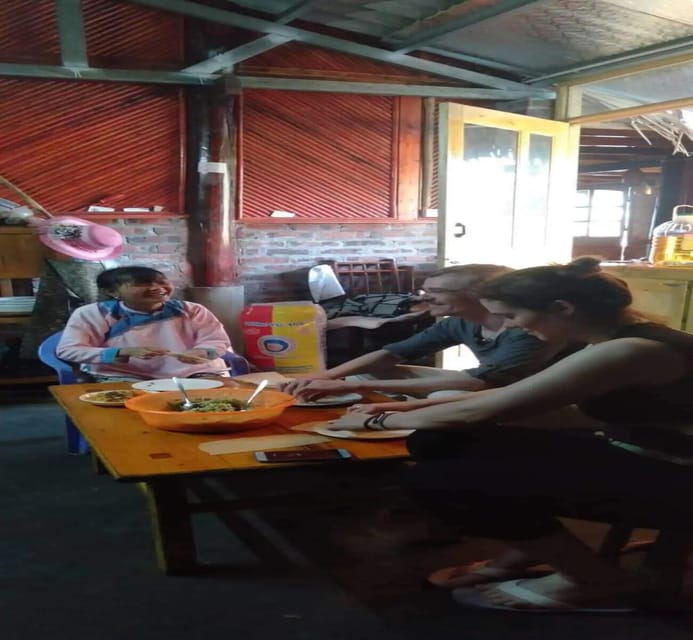
- Chef Sung’s English explanations make Hmong food and culture easier to understand
- Rice-terrace surroundings give the class a rare setting for cooking and learning
- Hands-on practice across a full menu, not just watching demos
- Naturally colored sticky rice using mountain flowers and leaves when available
- Local-grown ingredients like forest-grown black mushrooms and herbs-onion leaf (availability varies)
Why a Hmong cooking class in Tả Van feels different
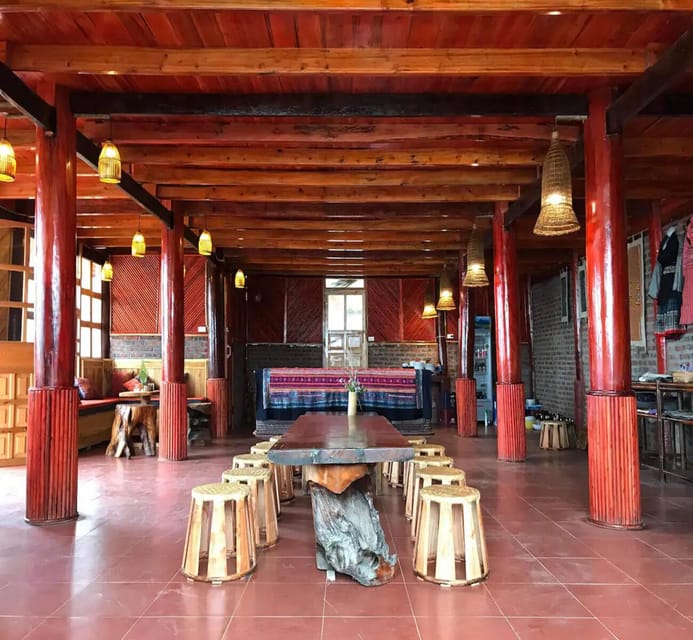
If you’ve done a quick “eat your way through town” tour, this type of class hits a different nerve. You’re not only tasting Vietnamese flavors. You’re learning how Hmong families build flavor—step by step—using what grows around Sa Pa.
The class also makes cultural context practical. When Chef Sung talks about how families prepare tofu from scratch (with help from Dzay tribe knowledge), you can taste the logic right away: what you do in the kitchen changes the final dish. That’s why the experience lands so well for people who like food with meaning, not just food with spice.
You can also read our reviews of more tours and experiences in Sa Pa.
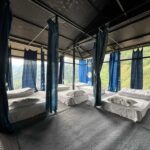
Meeting at Sapa Tour Indigo Homestay and timing of the 3.5 hours
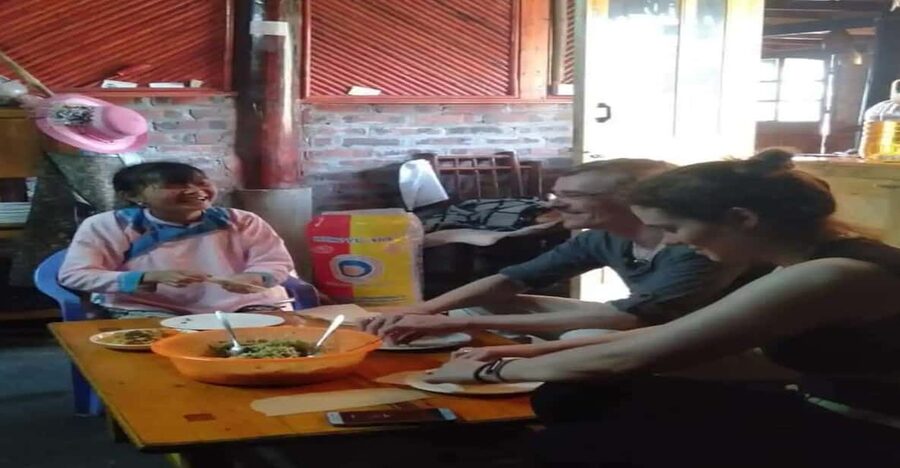
You meet at Sapa Tour Indigo Homestay in Tả Van, Sa Pa (Lào Cai), and the activity ends back at the same place. The session runs about 3.5 hours, with English live guidance, so you’re looking at a compact morning or afternoon plan rather than an all-day outing.
That time format matters. A lot of classes become rushed at the end, but here the structure supports the full flow: learn techniques, prepare multiple dishes, and still sit down for the meal you made. If you hate “watching with no hands,” this is the opposite.
What you’ll cook: a full Hmong menu, not a sampler
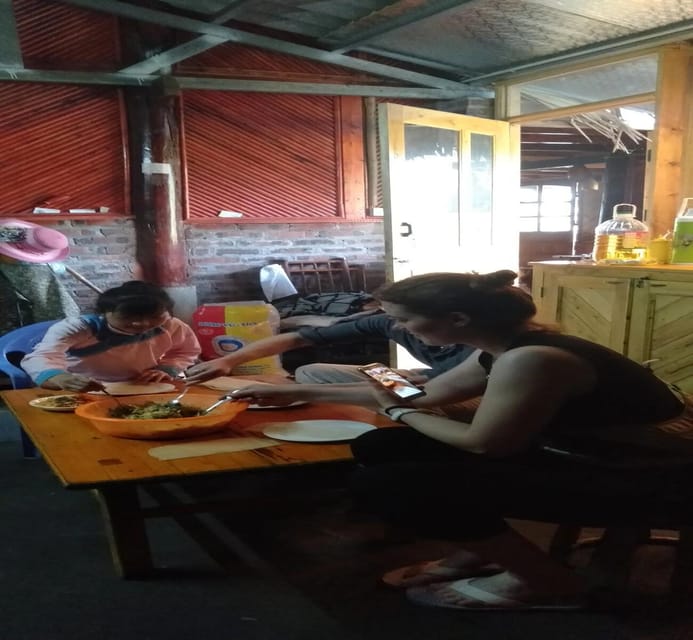
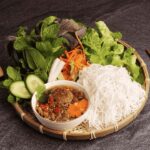
The menu covers a solid range, from rolling and seasoning to scratch prep and natural coloring. Some items depend on what’s available that day, so don’t worry if every ingredient varies slightly.
Here’s what’s included on the cooking side:
1) Spring rolls: rolling technique, not just filling
You start with spring rolls, focusing on how to prepare and roll them so they actually hold together when cooked. This is one of those skills that sounds simple until you’re doing it. You’ll learn the technique in a way that makes sense for cooking at home later, not just for a one-time class.
2) Bamboo prep with local herbs and onion leaf
There’s a bamboo component where you learn how to peel and prepare bamboo plus local fresh herbs and onion leaf. The class notes this is availability-dependent, which is realistic in mountain kitchens where seasonal ingredients shift.
If you’ve only ever seen bamboo in cans at home, this part will make you rethink texture and preparation. It’s also a good example of how local eating habits come from what’s close by and fresh.
3) Chinese black mushrooms from the cool forests
You’ll learn about Chinese black mushrooms, described as a type grown in the cool forests surrounding Sa Pa. Even if you’ve eaten mushrooms before, this gives you the local angle—where they come from and why they fit the region’s cooking style.
4) Tofu with tomato: Dzay tribe scratch tofu lessons
This is a standout on the menu: tofu with tomato, tied to knowledge from the Dzay tribe, who are known for making tofu from scratch. You’ll learn how it’s prepared and then flavored as part of the meal.
From a value perspective, this matters because it’s work. It’s not “open a package and season.” It’s learning a foundational method, then watching how it becomes part of a finished dish.
5) Red and yellow sticky rice: natural coloring from plants
You’ll learn the process of coloring sticky rice using natural sources: a yellow flower and a red leaf that grows in the mountains. This item is also marked as availability-dependent, so the class may adjust based on what the kitchen has on hand.
Even if you’ve eaten sticky rice before, natural coloring changes the whole story. It also shows how local ingredients get used in more ways than just flavor.
6) Fresh rice: see rice-terrace growing stages nearby
This class doesn’t treat rice as a background ingredient. You’ll learn about growing and harvesting fresh rice grown from rice terraces, and because you’re surrounded by terrace views, you can see stages up close.
That’s a big deal in Sapa. Rice terraces are one of the defining features of the area, and this class connects the view to the work that created it.
7) Fried chicken: seasoning and prep with free-range chicken
You’ll season and prepare fried chicken using free-range chickens from the home. This part is about technique—getting the seasoning and prep right before frying—so the chicken ends up flavorful, not just crispy.
8) Pork: traditional pork preparation
You’ll also learn how to prepare pork the traditional way. The class doesn’t overspecify steps here, but the point is clear: you’ll be involved in seasoning and prep, then learn how local methods shape the final dish.
9) Dessert: watermelon or cucumber
Dessert is simple and refreshing: watermelon or cucumber, depending on what’s available.
The real lesson: flavor logic from local-grown food
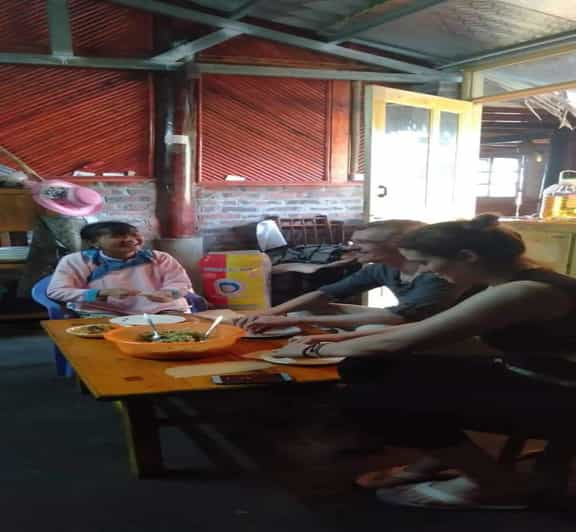
Chef Sung’s teaching approach is why the class scores so high. The strongest parts are the connections between culture and kitchen technique—stories about family traditions, how people eat where they live, and why certain methods exist.
A few examples of what you’re learning behind the scenes:
- Natural sources of color (for sticky rice) show how ingredients do double duty.
- Forest-grown mushrooms explain why mountain cooking leans on what thrives in the local climate.
- Rice terraces as a living system make the “where your food comes from” question feel concrete, because you’re learning the process in the area where the rice is grown.
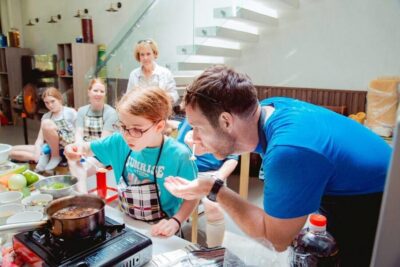
And yes, you’ll be hands-on. You’ll roll, peel, prep, season, and assemble dishes—then you eat what you helped make. That’s the difference between a class and a performance.
Lunch or dinner you actually helped create
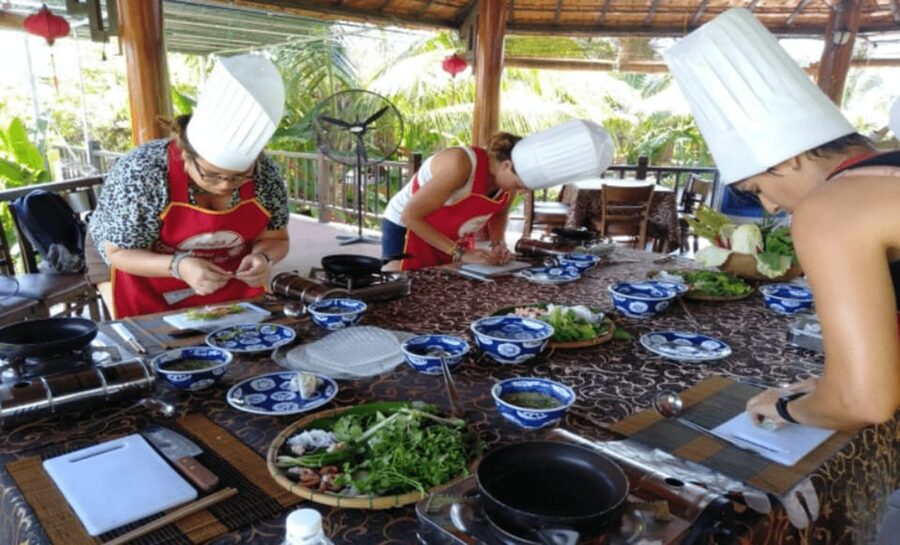
You’ll have local lunch/dinner included, plus a welcome drink. The goal is that the dishes you prepare make it to your table as a full meal, not scattered tastes.
The experience ends with you sharing the food you made, which turns the kitchen work into an actual group moment. It’s also where the recipe book helps. You can take home what you learned, and you won’t feel like the only takeaway was memories and a full stomach.
Price and value: is $36 a good deal?
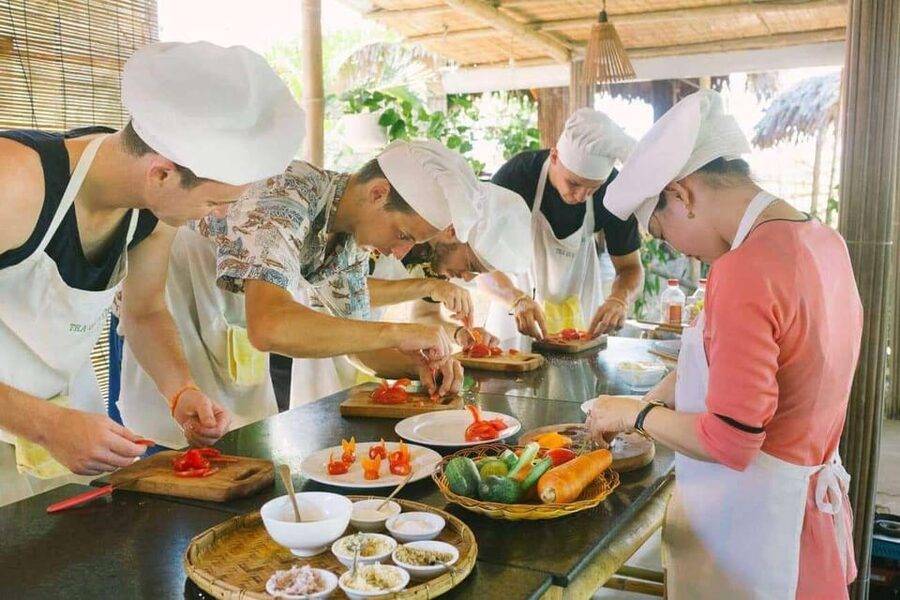
At $36 per person for roughly 3.5 hours, this class is priced like a real hands-on experience, not a quick activity. The value comes from what’s included:
- Welcome drink
- Local lunch/dinner
- All ingredients and tools
- Recipe book
The “ingredients and tools” part is important. Many paid experiences charge a low base price but leave you covering extra food, drink, or consumables. Here, the core cost is covered, so your money goes toward the actual cooking and learning.
Not included items are straightforward: drinks and hotel transfer. If you’re budgeting, plan on getting to the meeting point yourself.
Practical tips so you don’t waste time on small issues
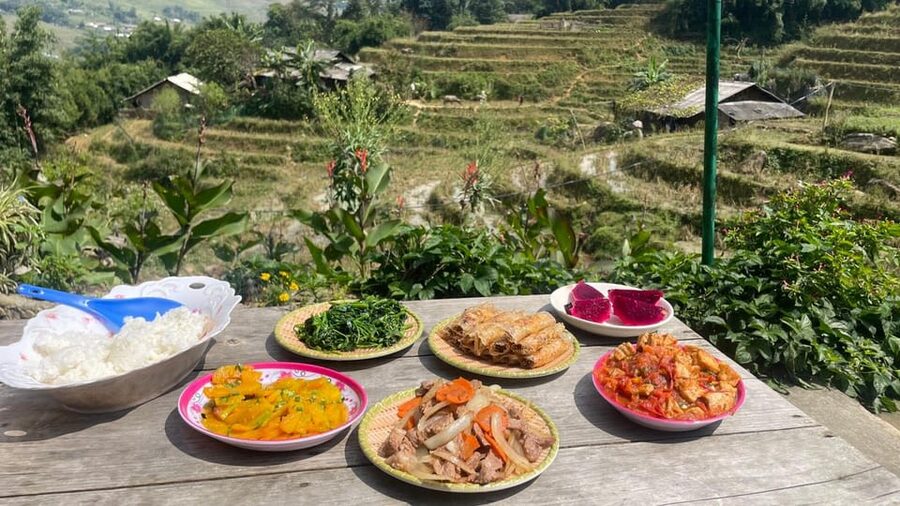
This experience is easy once you find it, but the location detail deserves respect. Here’s how to make it smooth:
- Arrive a few minutes early. The meeting point is Sapa Tour Indigo Homestay in Tả Van, and signage near a small road corner may be easy to miss.
- If you have allergies or food restrictions, tell the operator ahead of time so the kitchen can adjust.
- Wear comfortable clothes you can move in. You’ll be cooking, prepping, and spending time in a homestay setting.
- Keep an eye out for availability-based dishes. Some menu items (like bamboo, herbs, mushrooms, or sticky rice coloring) may shift with what’s ready.
Who should book this cooking class
You’ll probably love it if you want:
- A hands-on food experience instead of a passive tour
- Cooking tied to local Hmong culture through stories and methods
- A setting where you can look around and connect the lesson to the real place
This is less of a fit if you need wheelchair access. The class is not suitable for wheelchair users, so plan accordingly.
If you’re traveling with someone who enjoys food but also cares about how people live, this class can be a great match. It’s short enough to fit into a Sapa schedule, but packed with learning.
Should you book the Local Hmong Cooking Class?
My take: if you’re in Sapa and you want more than sightseeing, booking this class is a smart move. The price is reasonable for the time, and the inclusions hit the right targets—ingredients, tools, a meal, and a recipe book—so you don’t feel like you paid just to watch.
Book it especially if you’re drawn to the Hmong angle and want your hands dirty learning real techniques. Just plan for the meeting point signage quirk, and make sure you communicate any dietary needs. Do that, and you’ll walk away with both cooked food and actual understanding you can use later.
FAQ
How long is the cooking class?
The experience lasts about 3.5 hours. Starting times vary, so check availability for the exact slot.
Where do I meet for the class?
You meet at Sapa Tour Indigo Homestay in Tả Van, Sa Pa, Lào Cai, and the activity ends back at the same meeting point.
What does the price include?
It includes a welcome drink, local lunch/dinner, all ingredients and tools, and a recipe book.
Is hotel transfer included?
No. Hotel transfer is not included.
Do they speak English?
Yes. The class has a live tour guide in English.
Are drinks included?
No. Drinks are not included.
What menu items can I expect?
You’ll learn to make dishes including spring rolls, bamboo prep (availability dependent), Chinese black mushrooms, tofu with tomato, red and yellow sticky rice (availability dependent), fresh rice, fried chicken, pork, and dessert (watermelon or cucumber).
What if I have allergies or food restrictions?
Let the operator know about any allergies or food restrictions so the kitchen can plan accordingly.
Is this class suitable for wheelchair users?
No. It is not suitable for wheelchair users.