REVIEW · CYCLADES ISLANDS
Cretan Cooking Class and Dinner: Evening in a Rethymno Home
Book on Viator →Operated by eatwith · Bookable on Viator
Your dinner starts before the first bite. This Cretan cooking class takes you into Androniki’s home in the hills near Rethymno, where you cook outdoors with a wood oven and end with the meal you made, plus wine and after-dinner drinks.
I like the hands-on format, where you learn classic dishes while you’re actually making them. I also love the small group size (10 or fewer), which keeps the evening relaxed and personal.
The main thing to plan for: the menu uses specific ingredients (including cheeses and local greens), so if you have allergies or a special diet, you’ll need to communicate that up front.
In This Review
- Key things to know before you go
- A Hilltop Rethymno Home Where the Evening Starts at 6:00 pm
- The Herb Garden Moment That Sets the Tone
- The Wood Oven Work: Where Cretan Technique Comes Alive
- What You’ll Cook: Cretan Classics, Not Just “Greek Food”
- Cheese pies and kremidokalitsouna
- Chortopities: the wild greens lesson
- Sfakianes pites: home cheese in a pie
- Greek salad the Cretan way
- Dolmadakia and moussaka: savory comfort
- Giouvetsi in the wood oven
- The Dinner Table Moment: Wine, Raki, and a Lot of Food
- The Host Factor: Why Androniki’s Style Works
- Recipes to Take Home (So This Isn’t Just a One-Night Thing)
- Price, Timing, and What This Really Costs You in Real Life
- Who Should Book This Cretan Cooking Class Dinner?
- Should You Book This Evening in Androniki’s Home?
- FAQ
- What time does the Cretan cooking class and dinner start?
- How big is the group?
- Is the class taught in English?
- What do we eat during the dinner?
- Do I get recipes to take home?
- What should I do if I have food restrictions?
Key things to know before you go
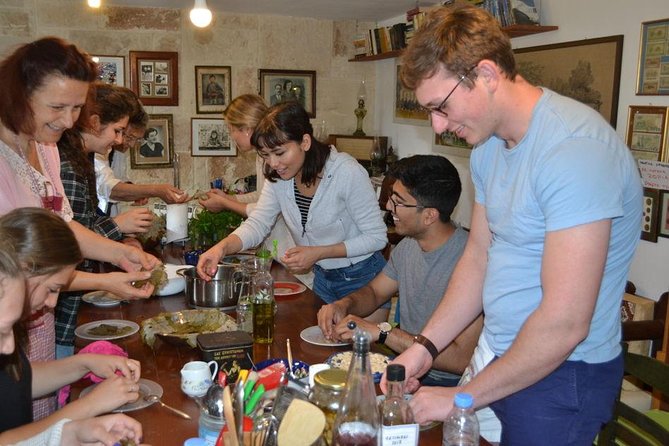
- Wood-oven cooking outdoors in a real home setting, not a showroom kitchen
- Herb- and produce-based Cretan prep, using homegrown ingredients like olive oil and vegetables
- A full meal you cook, with Cretan classics and plenty of food
- Raki as the house finish, including what Androniki’s husband makes at home
- Recipe takeaways so you can recreate the dishes later (with your own twist)
A Hilltop Rethymno Home Where the Evening Starts at 6:00 pm
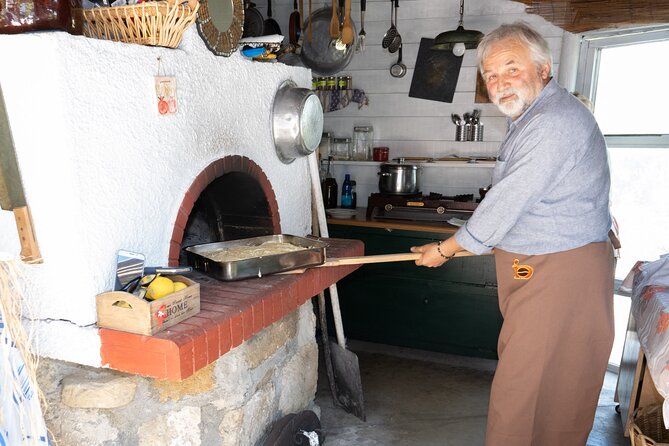
This is the kind of tour that makes sense once you see it as an experience, not just a “class.” You meet at Loutra 741 50 at 6:00 pm, and the activity ends back at the same meeting point. The full address is on your confirmation voucher, which matters because this evening takes place in a hillside home setting.
You’re not rushing from one photo spot to another. Instead, you’re settling in for about 4 hours, moving between prep, cooking, tasting, and then a long dinner. If you like learning by doing, this format fits well.
One practical note: since it starts in the early evening, you’ll want to show up ready to get started right away. Wear shoes you don’t mind getting a little dusty, since you’ll be working around a home garden and outdoor cooking space.
You can also read our reviews of more tours and experiences in Cyclades Islands.

The Herb Garden Moment That Sets the Tone
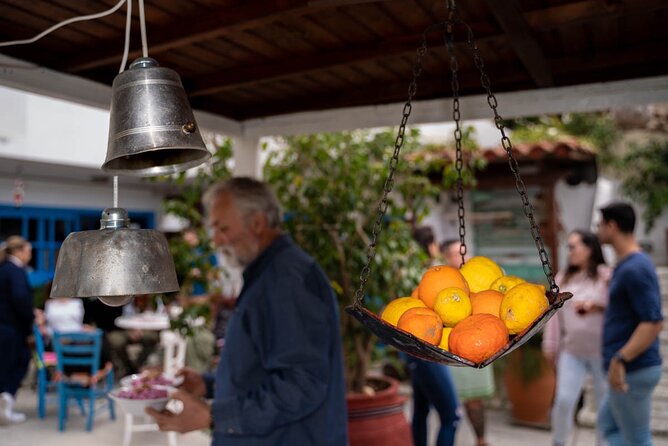
One of the best parts is how the evening begins with the land itself. Before the pots go on, you get time with homegrown produce and the herbs used in Cretan cooking.
In the home garden, you’ll get a feel for how locals build flavor. It’s not just about recipes. It’s about what grows nearby and when, and how that translates into dishes like greens pies and savory pastries. The practical payoff is that you start noticing what changes when you use fresh herbs instead of dried ones.
Androniki’s home approach shines here. You’re taught with patience, and the pace stays calm even when the wood oven is going strong. If you’ve ever cooked at home and wondered why your greens tasted flatter than you expected, fresh-picked herbs are usually the answer—and you’ll see that difference up close.
The Wood Oven Work: Where Cretan Technique Comes Alive
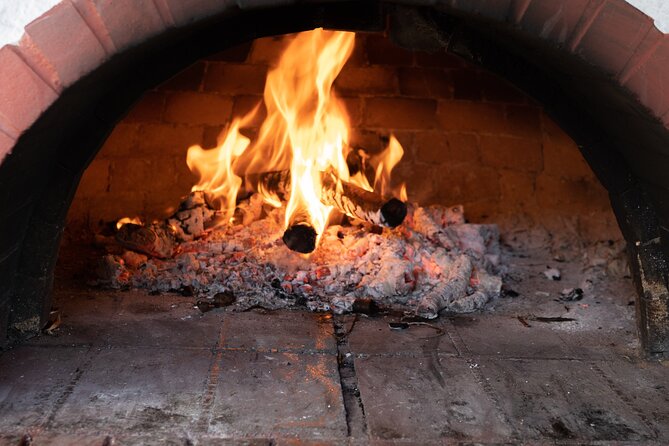
The centerpiece is the outdoor cooking space with the wood oven. This is where the evening turns from “lesson” to “live action.”
You’ll work through a flow that feels very Cretan:
- preparing dough and fillings,
- assembling pies and rolls,
- learning timing and handling for baking,
- and keeping an eye on how things actually bake when heat comes from wood rather than a thermostat.
The class covers both technique and fundamentals. You’re not just copying steps. You’re learning the logic behind them—how the ingredients behave, how combinations work, and what to watch for so your dish doesn’t go from golden to overdone.
Also, you’ll likely get small tastes while cooking is underway. That matters more than it sounds. It keeps you engaged, and it helps you connect what you’re doing to how the food should turn out.
What You’ll Cook: Cretan Classics, Not Just “Greek Food”
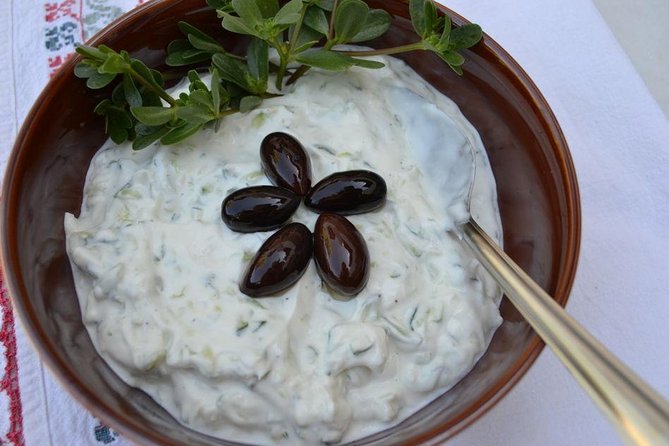
The menu is built around familiar Cretan comfort food—especially pastries, pies, and oven-baked mains. Here’s what you can expect to cook and eat, with what each one teaches you in plain terms.
Cheese pies and kremidokalitsouna
You’ll start with cheese-focused items like cheese pies and kremidokalitsouna. Kremidokalitsouna is a classic that leans on the sweetness of onions and the savory richness of cheese. The lesson here is how to balance filling so it tastes good on its own, not just as part of pastry.
This is also where you learn dough-handling basics—getting thin enough, but not so fragile that it tears the moment you work with it.
Chortopities: the wild greens lesson
One of the most interesting dishes is chortopites, small pies filled with many different wild greens (think 10 to 12 varieties). This is where the “Cretan local” side becomes real.
You’ll learn what makes wild greens pies different from regular spinach pies: the flavor profile is more complex, and you need to handle greens so they don’t turn soggy. It’s a technique you’ll actually be able to use even if you can’t find the same exact greens at home.
If you like foraging vibes, this part will feel like payoff. If you don’t, you’ll still love it because the result tastes layered.
Sfakianes pites: home cheese in a pie
Next comes sfakianes pites—pies with home made cheese. This is another “ingredient lesson,” but it’s also a lesson in comfort. The cheese gives richness and body, and the pastry does the rest.
This dish helps you understand how Cretans build satisfaction: bold flavors in the filling, then a pastry wrapper that bakes up crisp without stealing the spotlight.
Greek salad the Cretan way
You’ll also make Greek salad, with details like tomatoes and cucumber, olives, capers, and—importantly—enough olive oil to make everything taste like it belongs together.
This salad isn’t just a starter to fill space. It’s part of the teaching meal, showing how Cretan cuisine treats olive oil as a major flavor ingredient, not a finishing drizzle.
Dolmadakia and moussaka: savory comfort
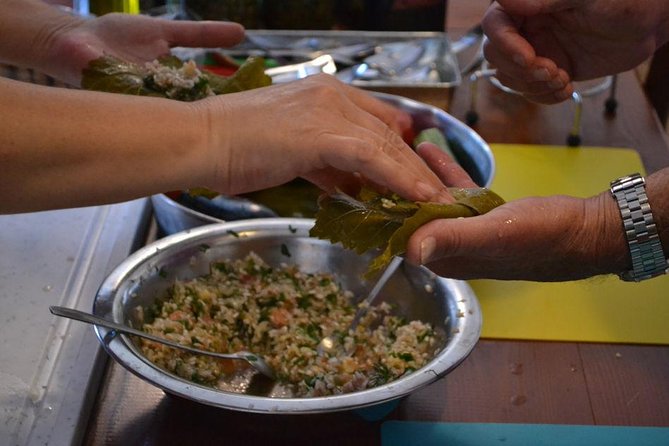
You’ll make dolmadakia (stuffed vine leaves, plus zucchini flowers with rice, vegetables, herbs, and olive oil). Vine leaves can be intimidating if you’ve only had jarred ones. Here you’ll get a sense of how the wrapping should feel and how the filling should be seasoned.
Then comes moussaka, the famous layered dish with potatoes, zucchini, aubergines, minced meat in tomato sauce, and béchamel. This is the “main course anchor.” You’ll learn how layering works—so it bakes into something cohesive instead of a pile of separate parts.
Giouvetsi in the wood oven
Finally, you’ll tackle giouvetsi: rooster with orzo, traditionally cooked in the wood oven. Sunday-dish energy, delivered in an oven method that makes the flavors feel rounded.
Even if you don’t cook rooster often, you can learn from the way the oven handles time and heat. It’s a technique lesson that transfers to other baked one-pot meals.
The Dinner Table Moment: Wine, Raki, and a Lot of Food
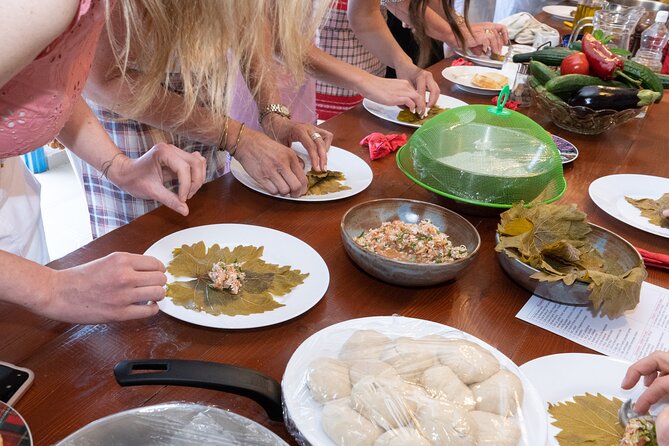
After cooking, you sit down and eat. This is when the evening feels like real hospitality instead of a timed activity.
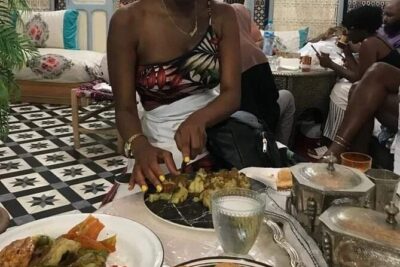
You’ll enjoy the full meal you made, along with Greek wine and after dinner drinks. There’s also raki, the fiery spirit that Androniki and her husband make at home. Raki isn’t subtle. It’s part celebration, part tradition, and part “you’ll remember this evening” fuel.
One of the nice touches is that the early starts don’t feel formal. The mood stays warm and friendly, and the conversation seems to flow naturally as plates come out.
And yes, you can expect plenty of food. Between pastries, pies, salad, and the mains, you’ll eat like you’ve been invited into a real family meal rhythm.
The Host Factor: Why Androniki’s Style Works
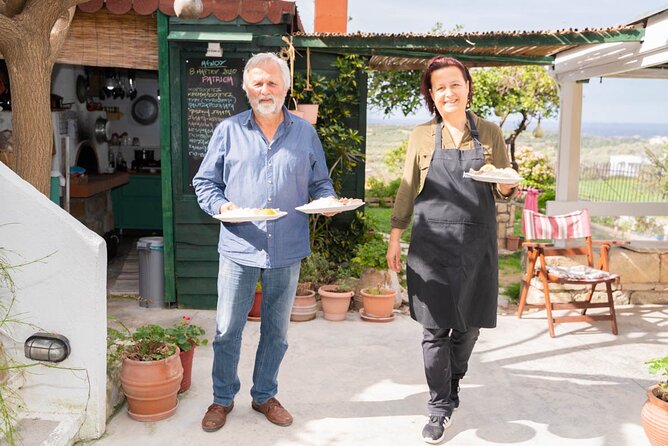
A lot of cooking classes are “hands-on” in name only. This one actually feels guided.
Androniki leads the cooking and the teaching, using expert home techniques that make the dishes make sense. Her approach is calm, and the instruction is practical. Even when you’re assembling something fiddly like small pies, you get help that keeps you moving.
Androniki’s husband also plays a role, especially around the home-made raki moment. It adds a real sense of place: this isn’t just a performance for visitors. It’s food made the way it’s made at home.
Recipes to Take Home (So This Isn’t Just a One-Night Thing)
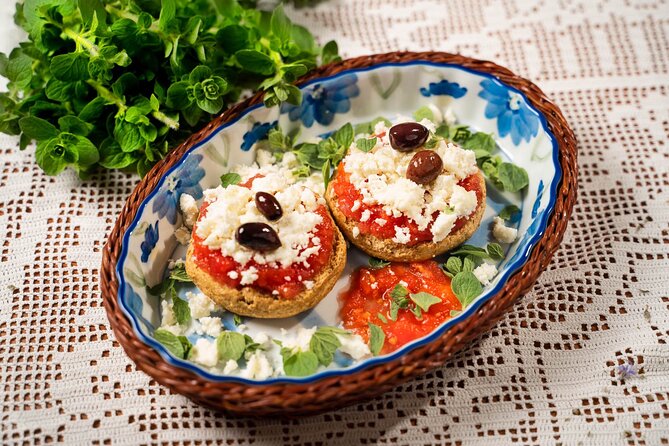
The takeaway isn’t just a full stomach. You’ll get amazing recipes to make in your own kitchen.
That matters because it turns the evening into something you can repeat. A cooking class that only teaches you to follow steps leaves you stuck when you try later. But a class that teaches fundamentals and gives recipes gives you a platform to cook with confidence.
If you want to recreate the feel at home, focus on the core elements:
- fresh herbs and olive oil,
- your filling balance,
- and how baking changes textures when you use intense heat.
Your version won’t be identical, and it shouldn’t be. The goal is to carry home the method and the flavor thinking.
Price, Timing, and What This Really Costs You in Real Life
At $126.50 per person for about 4 hours, this sits in the “not cheap, but fair” zone. The price makes more sense when you count what’s included:
- cooking instruction and hands-on guidance,
- a full meal you prepare,
- wine and after dinner drinks,
- and take-home recipes.
For the value comparison, ask yourself what you’d pay for a comparable evening of food plus guided technique. A great dinner alone can run high, especially if you’re also factoring in an experience component. Here you’re getting both: you eat well, and you learn how to cook well.
The small group size (10 or fewer) also matters. Fewer people means more attention and less waiting around.
Timing wise, the 6:00 pm start works best if you’re staying somewhere within reach of Loutra 741 50 and you want a dinner plan that’s already handled. If you prefer late-night meals or want a longer day, this might feel early. It’s still a solid choice if you like your evenings starting with something active.
Who Should Book This Cretan Cooking Class Dinner?
This fits you if you want:
- a real home-food experience near Rethymno,
- a class where you actually cook, assemble, and bake,
- and an evening that ends with wine, raki, and dessert.
It’s especially good for:
- food lovers who like regional detail,
- couples and small groups who want personal attention,
- and anyone who wants a Cretan dinner party plan for later at home.
If you’re strict about dietary needs, you can still go, but communicate restrictions early. The menu includes specific items like vine leaves, wild greens pies, cheese, and alcohol pairings.
Should You Book This Evening in Androniki’s Home?
Book it if you want more than a meal. You’ll get a full Cretan evening built around hands-on cooking, fresh produce, and the wood-oven results you can taste immediately.
Skip it only if you dislike structured menus or you need last-minute dietary changes that weren’t discussed ahead of time. Otherwise, this is one of those rare tours where the learning and the eating feel like they belong to the same story.
FAQ
What time does the Cretan cooking class and dinner start?
It starts at 6:00 pm and ends back at the meeting point. The total duration is about 4 hours.
How big is the group?
The experience has a maximum of 10 travelers.
Is the class taught in English?
Yes, it is offered in English.
What do we eat during the dinner?
The menu includes items like cheese pies, kremidokalitsouna, chortopites, sfakianes pites, Greek salad, dolmadakia, moussaka, giouvetsi, plus Greek yogurt or homemade ice cream for dessert. You’ll also have Greek wine and raki.
Do I get recipes to take home?
Yes. You’ll take away amazing recipes so you can try making the dishes later.
What should I do if I have food restrictions?
You’ll need to communicate food restrictions (allergies or special diets) when booking, since the meal is built around specific local ingredients.