REVIEW · CAPE TOWN
Private Cape Malay Cooking Class in Cape Town with a Local Family
Book on Viator →Operated by Traveling Spoon · Bookable on Viator
Spice lessons in a real Cape Town home. I love the private, hands-on attention you get from Lorette, and I love that the menu leans on Cape Malay classics with fresh herbs from her garden. One thing to plan for: it’s in Grassy Park, so you’ll need your own way to get there since transportation isn’t included.
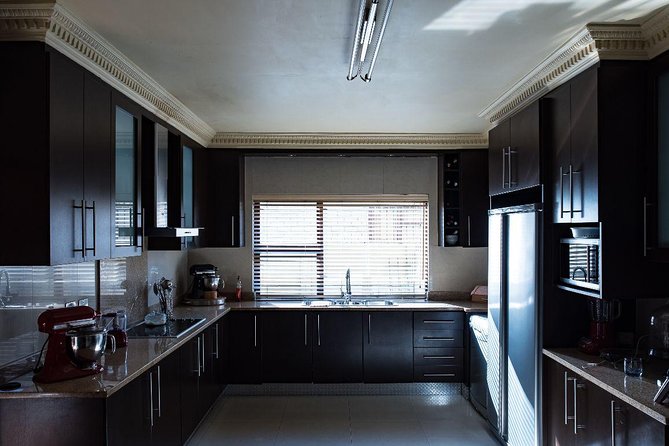
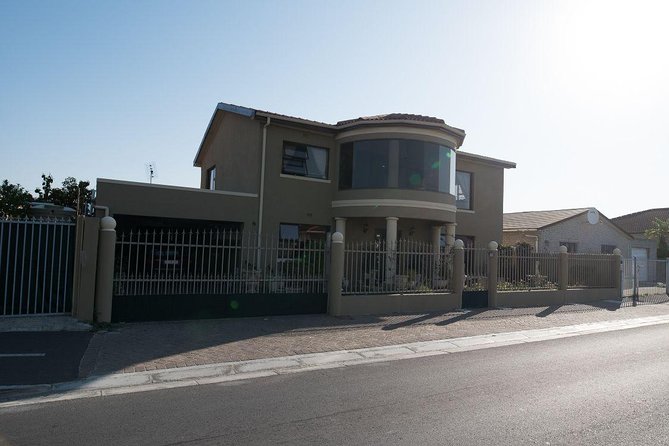
You’ll start with a welcome drink, then head into Lorette and Desmond’s home in Grassy Park, a place built by Lorette’s dad 44 years ago and later redesigned and renovated by the couple. The feel is modern and comfortable, which matters because cooking takes focus.
The cooking portion runs about 1 to 2 hours, and then you share the meal you helped make over conversation with Lorette and Desmond (and sometimes Rachel and Kenneth, who live on the property). Since lunch or dinner is included, you’re not walking away on an empty stomach, but the full 3-hour block is real time, not a quick drop-in.
In This Review
- Key highlights worth your time
- Step Inside Grassy Park: A Local Home Kitchen, Not a Studio
- Welcome Drink, Then Real Cooking in Lorette’s Kitchen
- What You’ll Cook: Roti, Chicken Curry, Bobotie, and Malva Pudding
- Mini roti with chicken curry
- Bobotie
- Malva pudding
- Hands-On Teaching That Actually Builds Your Skills
- Lunch or Dinner at the Table: Culture Comes Through Food
- Price and Value: Is $100 Worth It?
- Logistics That Matter: Time, Location, and What to Bring
- Who This Cooking Class Fits Best
- Should You Book It?
- FAQ
- FAQ
- What’s the meeting location for the cooking class?
- How long does the experience take?
- Is this class private or shared with other groups?
- What dishes will I learn to cook?
- Do I eat what I cook?
- Are drinks included?
- Is transportation included?
- Are recipes provided so I can cook again at home?
- Will Lorette’s family members be involved?
- Can I cancel and get a refund?
Key highlights worth your time
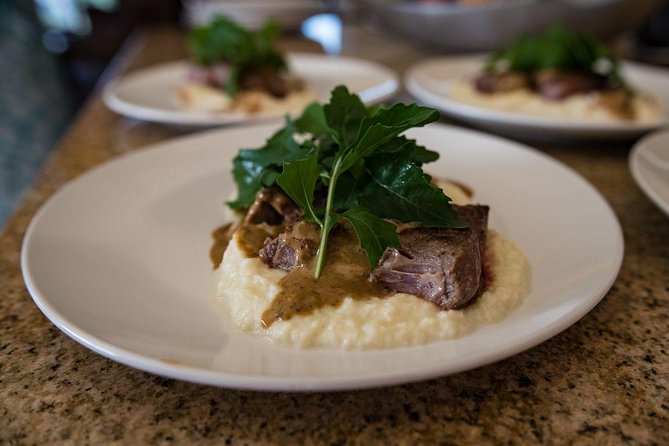
- Private class in Lorette’s home with the undivided attention that big classes can’t offer
- Garden-to-kitchen touches, since Lorette uses fresh herbs from her garden
- Learn 2–3 Cape Malay dishes, often including roti with chicken curry, bobotie, and malva pudding
- Hands-on cooking, including making mini rotis and taking turns at the work
- Meal included with conversation, plus recipes you can use again at home
- Alcoholic beverages included, which can be a plus if that’s your style
Step Inside Grassy Park: A Local Home Kitchen, Not a Studio
This is the kind of cooking class that feels like you were invited, not like you booked a ticket to an attraction. You’ll meet in Grassy Park (Cape Town, 7941), and the experience centers on Lorette and Desmond welcoming you into their own home. That location choice matters.
First, it keeps the day human. You’re not doing the same motions as 20 other people while a host tries to herd the group. You’re in a kitchen designed for real family cooking, not a demo setup.
Second, you get the story behind the food. Lorette’s dad built the home, and she and Desmond redesigned and renovated it themselves after they bought it from her parents. That family continuity shows up in the way the class is run: calm, practical, and rooted in what tastes right at home.
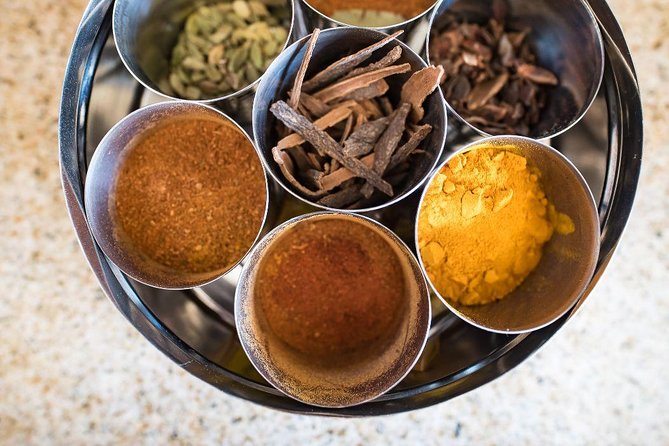
And then there’s the detail that makes the class feel Cape Malay, not just South African food-on-a-plate: Lorette’s a gardener, and you can expect fresh herbs to play a role. It’s the difference between food that tastes good and food that tastes alive.
One practical note: because it’s a residential area, transportation isn’t included. If you rely on rideshares or taxis, plan that part early. If you’re comfortable using public transit, it’s described as near public transportation—but in practice, you’ll still want to know how you’re getting there and back.
You can also read our reviews of more tours and experiences in Cape Town.
Welcome Drink, Then Real Cooking in Lorette’s Kitchen
After you arrive, there’s a welcome drink. It’s a small start, but it does two useful things: it helps you settle in, and it gives you a few minutes to meet your host before the chopping begins.
Then you’ll spend time in Lorette’s spacious, modern kitchen. The class is built around learning 2–3 dishes, and the cooking portion lasts about 1–2 hours. That timing is key. It’s enough time for you to get hands-on, but it’s also short enough that you’re still fresh for the meal and the conversation after.
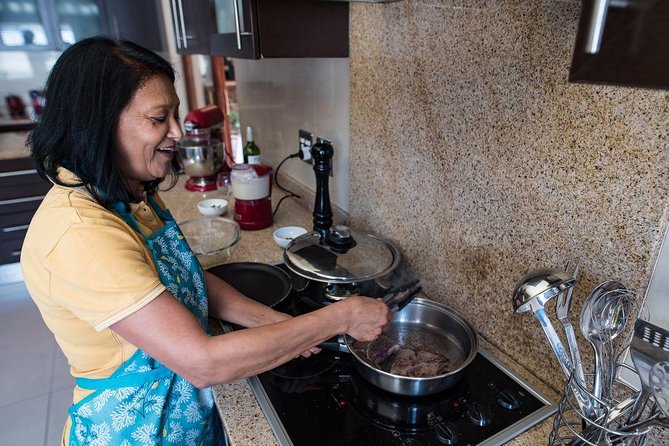
Lorette leads the process, and you’re encouraged to participate. In the reviews, people highlight that you don’t just watch. You can expect to take part in key steps—especially with things like roti making, where hands-on practice is the whole point.
It’s also nice that the property is homey and relaxed. Lorette’s mom and dad, Rachel and Kenneth, live on the property and may pop in to say hello. That’s not just sweet atmosphere; it adds to the sense that you’re learning from a household, not a performance.
What You’ll Cook: Roti, Chicken Curry, Bobotie, and Malva Pudding
The menu can vary, but the core Cape Malay lineup you should expect includes dishes like mini roti with chicken curry, bobotie, and malva pudding. Here’s what these dishes mean for your kitchen skills.
Mini roti with chicken curry
Cape Malay roti is described as a delicious unleavened flatbread served with chicken curry. Unleavened means you’re not working with yeast dough. That matters because it changes the techniques you learn. You’ll focus more on rolling, shaping, and cooking timing.
And the pairing is practical: roti plus curry is a combo you can repeat easily at home. Once you understand how the bread works, you can use it as a base for the kind of saucy, spiced meals South Africa does so well.
In the class, you may make mini rotis with chicken curry, and you’ll likely get a turn at the roti portion. That turn-taking shows up in the feedback—people enjoyed that roti wasn’t only a spectator activity.
Bobotie
Bobotie is a Cape Malay staple you’ll likely recognize from South African menus: curried minced meat baked with a savory custard, served with aromatic yellow rice and roasted vegetables. The “custard” part is what makes bobotie feel more involved than a plain meat dish. You’re learning how to balance seasoning, texture, and bake time so it sets properly.
The class setup is helpful here. You’re learning as a guided cook, not trying to interpret a recipe cold. That’s the value of a private home class: you can ask questions as you go, and you get feedback before mistakes snowball.
Malva pudding
Malva pudding rounds out the meal with something comforting and sweet. It’s a classic South African dessert, and the classic way to eat it involves custard. One nice detail from the experience: if someone wants it that way, your host can accommodate the custard approach. That sort of care is exactly what you want from a private class.
If you learn anything useful here, it’s not just the dessert. It’s the pacing. Dessert needs a different rhythm than curry and rice. Doing it as part of a full meal teaches you how these dishes fit together on the same timeline.
Hands-On Teaching That Actually Builds Your Skills
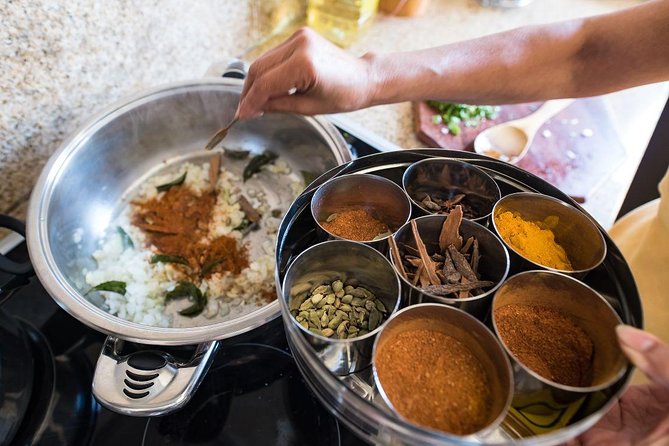
A cooking class is only worth your time if you leave knowing what to do next time. This one is designed for participation.
In reviews, people repeatedly mention how Lorette walks you through the curry and a chicken main dish, and how everyone gets involved with making roti—so it isn’t a situation where one person does everything while others hover. That structure is good teaching. Small tasks, repeated practice, and clear guidance.
You’ll also get recipes. That’s a big deal. Cooking classes that end with a nice meal but no follow-through are frustrating. When recipes are provided, the class becomes a tool you can use later, not just a memory.
There’s another teaching advantage in the private format. If you ask why something is happening—why a sauce thickens a certain way, why you handle dough differently, why the custard sets—you can get an answer in plain terms. The host can adjust in real time based on what you’re doing wrong or right.
Finally, the class includes bottled water and alcoholic beverages. If you prefer to keep it light, you still get the full meal and the teaching. Just be aware it’s included, so it’s not a dry, strict training session.
Lunch or Dinner at the Table: Culture Comes Through Food
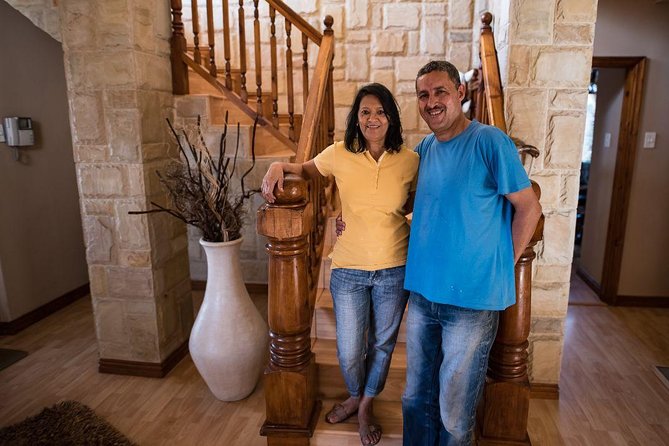
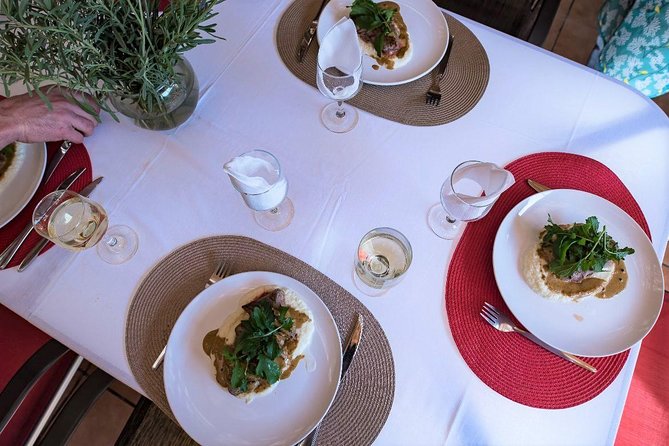
Most cooking classes stop at the last bite. This one continues with conversation. After cooking, you’ll sit and share the meal you helped prepare with Lorette and Desmond.
That’s where the experience turns from lesson to story. Lorette talks about Malay food and history and culture, and the back-and-forth makes the meal feel like it matters. Food isn’t just ingredients here. It’s memory, household routines, and a way of keeping identity alive.
You also get a sense of family hospitality. You’re eating in a home setting, not a sterile dining room. The vibe makes questions easier. You can ask what to watch for when recreating the dishes, how certain textures should feel, or why the pairing makes sense.
And because the class is private, the conversation stays at your level. You’re not trying to compete with a loud group or translation through ten people talking over each other. The pace is calmer.
Price and Value: Is $100 Worth It?
At $100 per person, this isn’t a budget cooking class. But it’s also not trying to be one.
You’re paying for:
- A private lesson with your host Lorette
- A home kitchen and family table setting
- 2–3 dishes of Cape Malay cooking
- Lunch or dinner included
- Alcoholic beverages and bottled water included
- Gratuities included
When you add all that up, the value starts to make sense. You’re not just buying a recipe. You’re buying time, attention, and a meal crafted through guided practice. In places where cooking classes are more expensive, you often get a generic format. Here, you get family recipes and a household approach.
The fact that it’s booked about 66 days in advance is a hint that people consider it worthwhile. If you want a specific date, plan ahead.
Logistics That Matter: Time, Location, and What to Bring
This experience runs about 3 hours. The cooking itself is 1–2 hours, followed by the meal and conversation. That means you should schedule it earlier in your day if you want a relaxing remainder of your time in Cape Town, or mid-day if you like a food-centered plan.
Your meeting point is in Grassy Park, and it ends back at the meeting point. No transport is provided, so build that into your plan. If you’re staying far from the area, factor travel time so you don’t rush in hungry and distracted.
You’ll receive a mobile ticket. Service animals are allowed, and it’s near public transportation, which is helpful if you’re mixing transit with rideshares.
What should you bring? From the data, there isn’t a strict list. So keep it simple:
- Wear something you can cook in
- Come with an appetite (the meal is part of the class)
- If you don’t drink alcohol, consider mentioning that you’d rather keep it non-alcoholic
Who This Cooking Class Fits Best
This class is a strong match if you want:
- A private experience rather than a group demo
- Cape Malay cooking lessons that include both savory dishes and dessert
- Real household hospitality in Cape Town
- Recipes you can actually use again later
It’s also great if you’re a foodie who likes asking questions. Lorette’s the kind of teacher who can explain and correct without rushing you.
If you’re the type who hates being in someone else’s kitchen for long, you might find the 1–2 hour cooking window plus meal conversation a bit much. But if you like learning by doing, this is exactly the right length.
Should You Book It?
I think you should book it if you’re after something personal and practical: a private Cape Malay cooking class in a real home with a meal you helped make. The strongest reasons are the ones you feel immediately—Lorette’s welcome, the hands-on roti and curry work, the cozy dinner conversation, and the fact that recipes are provided.
Skip it only if you can’t handle a residential-location plan in Grassy Park or you’d rather have cooking instruction in a commercial setting. Otherwise, this is one of those experiences that gives you both food and know-how, not just a nice evening.
FAQ
FAQ
What’s the meeting location for the cooking class?
It starts in Grassy Park, Cape Town 7941, South Africa, and ends back at the same meeting point.
How long does the experience take?
The experience is about 3 hours. The cooking portion is roughly 1–2 hours, followed by the meal and conversation.
Is this class private or shared with other groups?
It’s private. Only your group participates.
What dishes will I learn to cook?
You’ll learn 2–3 traditional dishes. Options may include mini roti with chicken curry, bobotie, and malva pudding.
Do I eat what I cook?
Yes. Lunch or dinner is included, and you share the meal you helped prepare with your hosts.
Are drinks included?
Alcoholic beverages and bottled water are included.
Is transportation included?
No. Transportation to and from the class is not included.
Are recipes provided so I can cook again at home?
Yes. The host provides recipes so you can recreate the dishes at home.
Will Lorette’s family members be involved?
Lorette’s mom and dad (Rachel and Kenneth) live on the property and might pop in to say hello from time to time.
Can I cancel and get a refund?
Yes, free cancellation is available. You can cancel up to 24 hours in advance of the experience start time for a full refund.