REVIEW · LISBON
Traditional Portuguese Cooking Class in Lisbon
Book on Viator →Operated by Homecooking Lisbon · Bookable on Viator
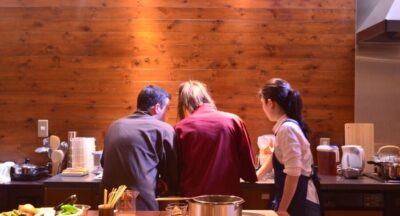
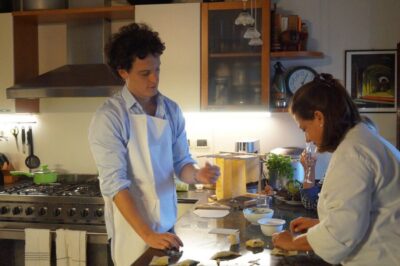
Four courses, one cozy Lisbon kitchen. This hands-on Portuguese cooking class is designed for real participation, with a seasonal menu and a small group of up to 10 that keeps the pace friendly and the teaching clear.
I love the Pastel de Nata focus, because you still learn the real method even though the puff pastry is pre-prepared. I also love that Portuguese wine and beer are included alongside finger foods, so the whole experience feels like a meal, not just a cooking demo.
One drawback to plan around: the venue is often in a neighborhood that is not right in central Lisbon, so you may want to budget time for a bus or taxi.
In This Review
- Key Highlights You Should Care About
- A Lisbon Cooking Class That Feels Like Dinner With a Teacher
- The Seasonal 4-Course Menu You’ll Actually Remember
- Pastel de Nata: How You Learn It Without Feeling Lost
- What You Do in the Kitchen: Stations, Teamwork, and Real Cooking
- The Hands-On Portion Feels Stress-Free (But Still Structured)
- Drinks, Finger Foods, and the Taste-First Atmosphere
- Where You Meet in Lisbon (And Why Location Can Matter)
- Who This Lisbon Class Suits Best
- Price and Value: What You’re Really Paying For
- Should You Book This Lisbon Portuguese Cooking Class?
- FAQ
- Is the class offered in English?
- How long is the Lisbon cooking class?
- What time options are available?
- What will I cook during the class?
- Are drinks included?
- Is alcohol served to minors?
- What is the cancellation policy?
Key Highlights You Should Care About
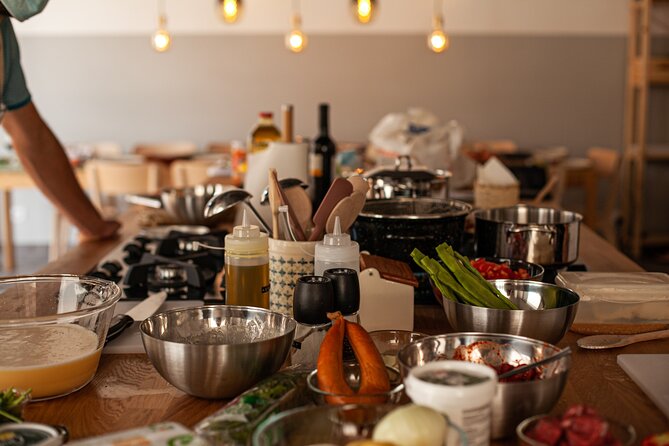
- Small group (max 10) means you actually get hands-on time and guidance
- Seasonal 4-course menus keep the ingredients fresh and Portugal-specific
- Pastel de Nata practice teaches the process, not just the dessert name
- Included drinks and finger foods keep energy up while you cook
- English instruction works well if you are not fluent in Portuguese
- Communal, family-style serving turns cooking into a shared dinner
A Lisbon Cooking Class That Feels Like Dinner With a Teacher
This is the kind of activity where you can show up with zero chef confidence and still leave feeling like you cooked something real. The class runs for about 3 hours, and the structure is built around step-by-step guidance in a cozy, fun kitchen setup.
What makes it work is the pacing. You prep, you bake, you taste, and you adjust. In multiple classes, instructors like Miguel, Pedro, Beatriz, Teresa, and Rita show up with the same vibe: clear instructions, a calm kitchen rhythm, and lots of chances for you to participate.
The other quiet win is group energy. Even when you do not know anyone in the room, you end up working in a shared flow, then eating together at the end. It is a great fit if you want food plus conversation, not just a one-way lecture.
You can also read our reviews of more tours and experiences in Lisbon.



The Seasonal 4-Course Menu You’ll Actually Remember
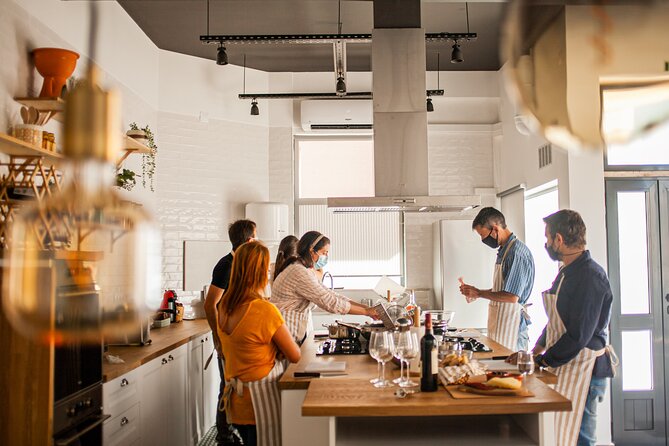
You are signing up for a four-course Portuguese meal, built from traditional dishes and adjusted by season. That seasonal switching matters, because it keeps the ingredients at their best instead of forcing summer ingredients into winter-style dishes. It also explains why you should not expect every famous classic year-round, like heavy bean-and-chorizo styles.
Here’s a menu flavor of what the class can include (the exact combination can vary):
- Starters: Caldo-verde, Pica-pau, Amêijoa à Bulhão Pato (Clams Bulhão Pato style)
- Mains: Bacalhau à Brás (codfish Brás style), Pataniscas de Bacalhau (codfish fritters), Carne de Porco com Amêijoas (pork with clams), Migas com Entrecosto (pork ribs with migas)
- Desserts: Pastel de Nata, Arroz Doce (rice pudding), Torta de laranja (orange roll)
If you are thinking, yes, this is mostly seafood and pork, you are reading it right. Lisbon cooking tends to lean into codfish in many forms, plus pork and hearty sides, because that is part of what Portuguese tables do well.
Pastel de Nata: How You Learn It Without Feeling Lost

Pastel de Nata can be a little intimidating if you expect a pastry masterclass. Here, you get a more reassuring setup: the puff pastry is pre-prepared, and you focus on the steps that matter for success.
In practical terms, you learn the workflow and technique behind the dessert. You do the hands-on parts while an instructor keeps you moving at a pace that matches a mixed skill group. That is one reason this class gets strong marks for first-timers and even families: you are not left standing around, and you are not expected to be a professional baker.
By the time dessert shows up, you understand why it tastes the way it does. Then you can recreate the basics on your own later, even if you never turn into a pastry purist.
What You Do in the Kitchen: Stations, Teamwork, and Real Cooking
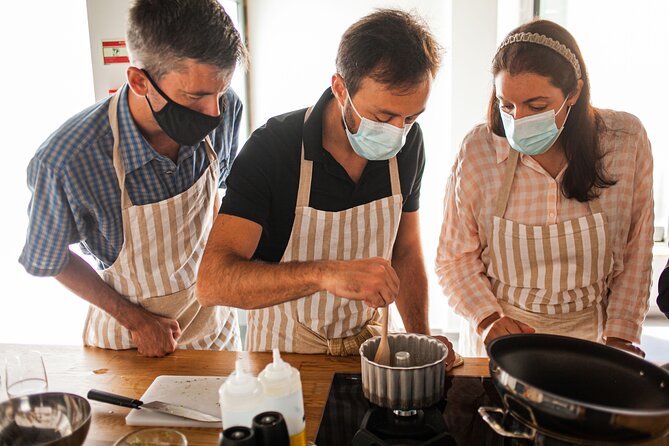
This is not a theater-style cooking class where the chef does everything and you watch. It is hands-on, but it is also team-based, which changes how you should expect your role.
You will usually get assigned tasks for different parts of the meal, and you rotate through the steps that fit your station. That approach keeps the timing sane in a busy kitchen and helps everyone finish with food that is actually ready to eat.
Some dishes are cooked together as a coordinated meal, so you might not personally perform every tiny step for every single dish. The upside is that you still learn the key techniques: when something goes into the pan, what you should look for, and how to handle the dish so it turns out right.
You also leave with ways to keep going after class. Many guests mention that you receive recipe links, which helps if you want to repeat the meal later at home without trying to reconstruct every detail from memory.
The Hands-On Portion Feels Stress-Free (But Still Structured)
Even if you are used to cooking at home, you might notice the class teaches method, not just outcomes. Instructors tend to explain both the how and the why in simple language: what to watch for, how to adjust, and what Portuguese flavors are built on.
That matters because Portuguese cooking often depends on balance. Salty cod and clams need timing. Sauces need attention. Fried items need the right temperature and texture. When the chef/instructor explains what to look for, you stop guessing and start cooking.
You also get a steady rhythm: prep, cook, snack break, taste check, then move to the next course. The structure is calm enough for casual cooks but still informative for food-focused travelers.





Drinks, Finger Foods, and the Taste-First Atmosphere
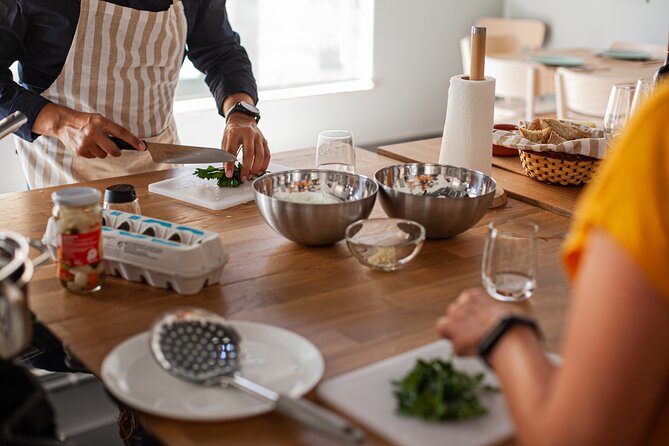
One of the most practical parts of this class is the way it feeds you along the way. You get finger foods and drinks while you cook, so you are not hungry during the active prep portion. It makes the whole 3-hour run feel shorter.
Alcohol is included for adults: Portuguese wines and beers are part of the experience. If you are traveling with a teen under 18, alcohol is not served to participants under 18, and you will have non-alcohol options like water, juices, or tea instead.
This setup is a big reason the class works for groups. It becomes a social meal, not just a workshop. The snacks and drinks also give you a chance to talk with the people next to you, which is a real bonus if you are traveling solo.
Where You Meet in Lisbon (And Why Location Can Matter)
You meet at R. Aliança Operária 54, 1300-049 Lisboa, Portugal. The activity ends back at the meeting point, so you do not have to worry about a complicated route after class.
One thing I would plan for: the venue can be in a neighborhood that is not right in the most central Lisbon zone. If you are staying far from there, plan a simple taxi or bus ride to arrive on time and avoid stress.
Also, confirm the exact meeting location on your voucher. Some guests note there can be two locations, and you want to make sure you show up at the correct one the first time.
Who This Lisbon Class Suits Best
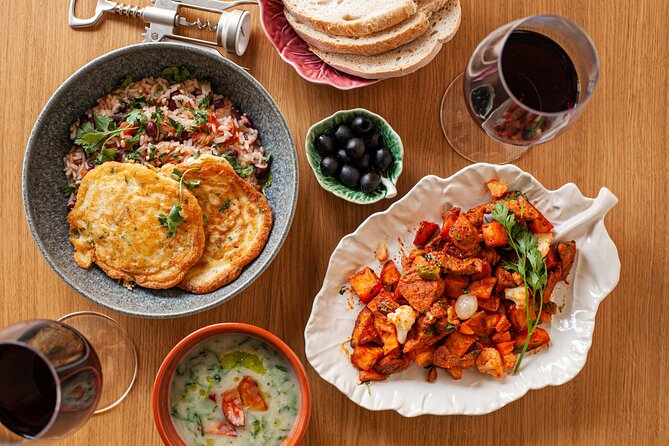
This is a strong choice for:
- Beginners who want guidance and not a high-pressure kitchen
- Couples and small groups who want a shared activity and an actual meal at the end
- Solo travelers who like meeting people while doing something fun
- Families since many guests describe it as child friendly for kids around ages 10 to 12
It is also a good fit if you want English instruction and want your cooking experience to connect to Portuguese food culture. Guests mention learning how dishes tie into Lisbon traditions, not just memorizing recipes.
Where it may not be ideal is if you want a strict, technical, serious-chef vibe. Some people describe the class as more relaxed and laid-back. If you are expecting a highly formal culinary course, you may find the style easiergoing than you want.
Price and Value: What You’re Really Paying For
At $102.84 per person, you are paying for more than the dishes. You are paying for a guided, hands-on kitchen experience that lasts around three hours, includes instruction in English, and feeds you a multi-course meal.
The value gets better because the class includes:
- Drinks plus finger foods during the cooking
- Wine and beer for adults
- A shared meal with the food you helped make
- A dessert experience focused on Pastel de Nata
- A small group size that supports more attention
If you compare it to doing an expensive cooking workshop with no alcohol and no real dining element, this one often makes sense. It is not trying to be ultra-chef, and that is part of the charm. You get a fun, tasty outcome with enough structure to learn without overwhelm.
Also, the experience is typically booked ahead, with an average booking window of about 40 days. If you are traveling during popular weeks, you will get a better chance by booking early rather than hoping for last-minute availability.
Should You Book This Lisbon Portuguese Cooking Class?
Yes, you should book it if you want a hands-on way to understand Portuguese flavors without needing advanced cooking skills. The class is designed for participation, the menu choices hit classic Portuguese comfort foods, and you end up eating a meal that feels earned.
I would especially choose it if:
- You love Lisbon food culture and want to learn by doing
- You want a small-group experience with English support
- You plan to enjoy drinks and conversation while cooking
Skip it only if you prefer a very strict, technical cooking course or you are set on a central-city meeting point. With a bit of transit planning, though, it is a very satisfying way to spend an evening or afternoon in Lisbon with real food skills you can take home.
FAQ
Is the class offered in English?
Yes. This cooking class is offered in English.
How long is the Lisbon cooking class?
It runs for about 3 hours (approx.).
What time options are available?
You can choose from a morning or an evening class time.
What will I cook during the class?
You will learn step-by-step to make a 4-course traditional Portuguese meal. Dishes can include options like Caldo-verde, Pica-pau, cod dishes such as Bacalhau à Brás or Pataniscas de Bacalhau, and desserts like Pastel de Nata, Arroz Doce, or Torta de laranja.
Are drinks included?
Yes. Portuguese wines and beers are included, along with other non-alcoholic beverages. Water, juices, or tea are available as well.
Is alcohol served to minors?
No. Alcoholic beverages are not served to participants under 18 years old.
What is the cancellation policy?
Free cancellation is available. You can cancel up to 24 hours in advance for a full refund. If you cancel less than 24 hours before the experience starts, the amount you paid will not be refunded. The experience may also be rescheduled or refunded if canceled due to poor weather or if the minimum number of travelers is not met.