REVIEW · DUBROVNIK
Croatian Traditional Cuisine: Peka Cooking Lesson
Book on Viator →Operated by Florio za turizam i turisticka agencija d.o.o · Bookable on Viator
Peka in Dubrovnik is cooking where you can see the fire, the dome, and the patience. This lesson takes place in the village of Mokošica, hosted by Florio at OPG Vukojević, and it feels more like being welcomed into someone’s routine than attending a scripted class.
I especially love learning how the dome works, because peka looks simple until you’re standing over the coals and potatoes. I also like the small-group setup and the fact that lunch comes with homemade wine, so you’re not just watching a demo and then wandering off hungry—though you should know this can be a bit pricey for a half-day, and the transfer details can be worth confirming.
In This Review
- Key highlights you’ll care about
- Peka in Mokošica: Why This Cooking Lesson Feels Personal
- The Iron Bell Oven: How Peka Actually Works
- Timing and the Village Morning: From Dubrovnik to Mokošica
- What You’ll Do (Not Just Watch): The Cooking Process
- Lunch Under the Dome: What Comes Out of the Peka
- Price and Logistics: Is $162.47 Worth It?
- Getting There, Getting Oriented: Narrow Roads and War Stories
- Who This Peka Lesson Is For (and Who Might Prefer Something Else)
- Should You Book This Peka Cooking Lesson?
- FAQ
- FAQ
- Where does the peka cooking lesson take place?
- How long is the experience?
- What time does the cooking class start?
- Is lunch included?
- What’s included besides lunch?
- Is there a vegetarian option?
- Is there pickup and drop-off?
- What group size is this for?
- Is the tour offered in English?
Key highlights you’ll care about
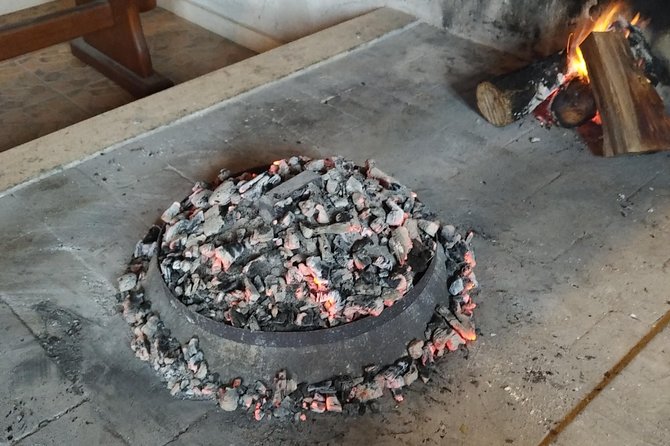
- Cooking under the peka dome: meat and fresh vegetables go under a bell-like lid, turning it into an old-school oven
- OPG Vukojević, Mokošica: an out-of-the-way hillside village feel near Dubrovnik
- Florio’s hands-on hosting: the experience is personal, with his family helping in the home setting
- Food while it cooks: bread, cheese, and olive oil are served while the peka finishes
- Homemade wine included: plus you may be offered other local spirits depending on the day
Peka in Mokošica: Why This Cooking Lesson Feels Personal
This is a culinary experience built around one specific Croatian specialty: peka, the meat-and-vegetable dish cooked under a dome. The setting matters. Instead of a classroom, you’re in the village of Mokošica, with Florio hosting at OPG Vukojević, and it runs in an intimate group of up to 8.
What makes the day work for real people (and not just food-tour fans) is that you’re not rushed through a checklist. You get to follow the process, learn how the cook thinks, then eat the result as a proper lunch. And because it’s a private setup for your group, you’re more likely to ask questions and get straight answers instead of waiting your turn.
One more thing I like: the tone is practical. Even when the peka is the star, you’re also learning how Croatians grow food and make everyday staples—things like olive oil and cheese—so the meal has a story, not just a taste.
You can also read our reviews of more tours and experiences in Dubrovnik.
The Iron Bell Oven: How Peka Actually Works
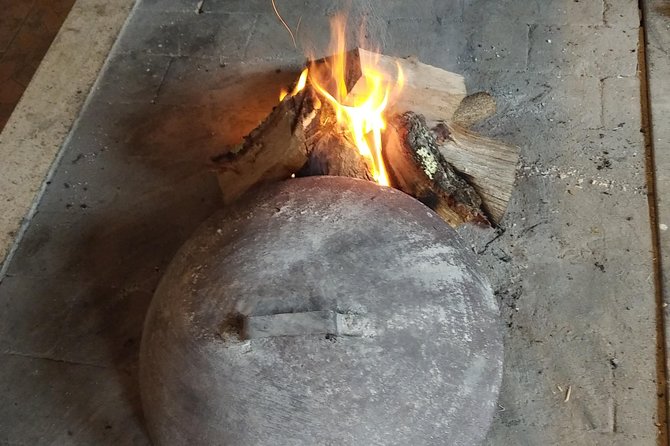
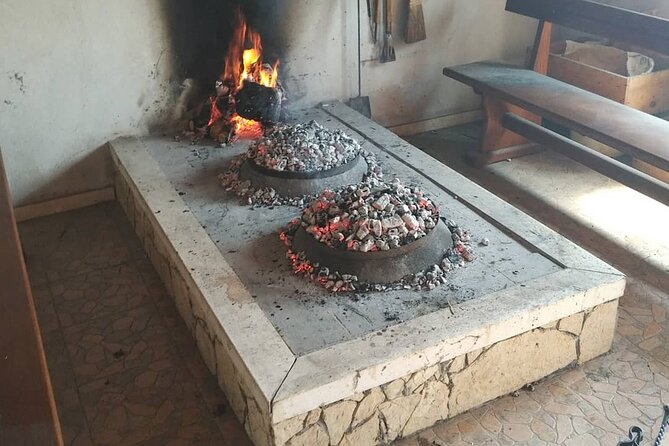
Peka is named for the bell-like dome that sits over the cooking food. In the best versions, the lid is made with metal or cast iron, but the true connoisseurs prefer earthenware. Translation: this isn’t just a marketing term. The equipment choice changes how the dome manages heat and steam.
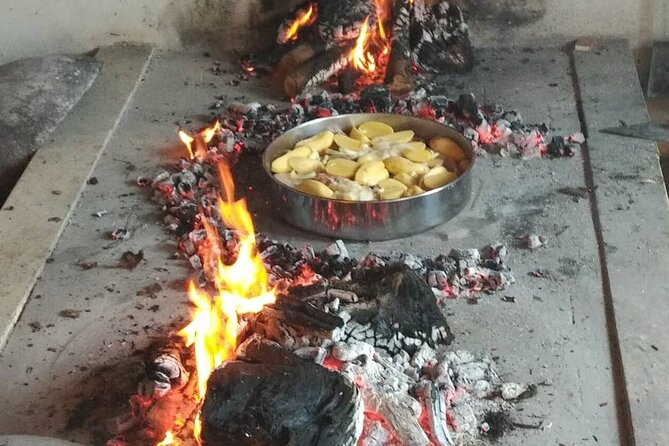
Here’s the core idea you’ll see and learn: food is cooked underneath the peka, either in a fireproof pot surrounded by coals or directly on a stone slab. Either way, the dome traps heat and controls airflow, so the meat stays juicy while the vegetables soften into the sauce.
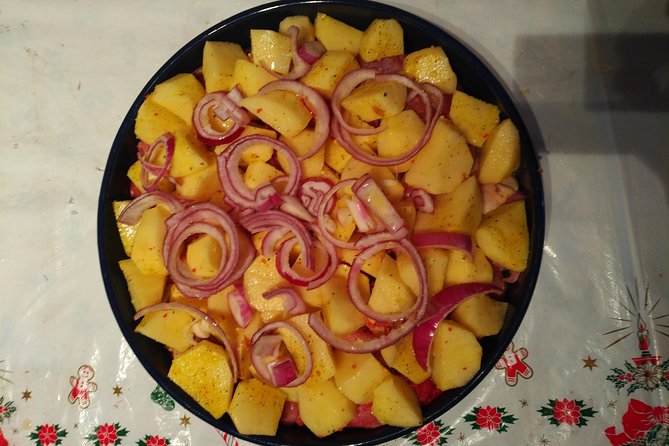
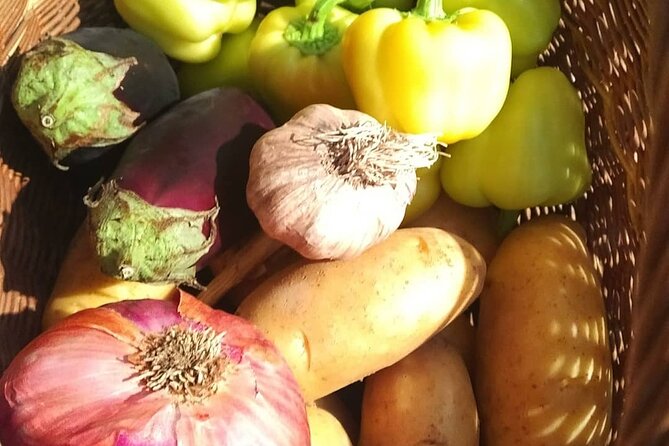
You’ll usually be working with a hearty mix, often veal, lamb, or yearling beef, covered with potatoes and other vegetables. It sounds straightforward, but peka takes skill because timing and layering matter. Too much heat and you can dry the meat. Too little and you’re left with tough potatoes and undercooked vegetables.
This is also where the “cooking lesson” part gets real. You’re not just hearing about peka. You’re learning how to treat it like an oven you build with fire, heat, and patience. If you’ve ever wondered why some regional dishes taste like magic even when the ingredients are basic, peka is one of those answers.
Timing and the Village Morning: From Dubrovnik to Mokošica
The experience is scheduled for about 4 hours and starts in the morning, with the program beginning when the guide picks you up. The published start time is 9:00 am, and the peka cooking class is tied to lunch timing, with cooking starting at 9:30 am during the season listed (01.04.2026 to 30.10.2026).
There’s also flexibility in when you eat, since this is described as flexible and you can choose the time for your meal. Just keep in mind that the cooking-class start time is specifically linked to lunch service. If you’re trying to fit this around a tight afternoon schedule, plan for the morning.
Transportation is where I’d pay attention. The experience description talks about being picked up and dropped off at your hotel, but it also lists private transportation and transfer as not included. In other words, don’t assume it’s automatic for every hotel location. Quick confirmation before you go can save time, especially if you’re staying in a place with tricky access.
You’ll end back at the meeting point, and the meeting point listed is in Mokošica (Ul. za Belendinovo 3, 20236). If you like your days to feel like they have a beginning and an end, that’s a good setup: you drive in, you cook, you eat, and you head back without having to coordinate your own return.
What You’ll Do (Not Just Watch): The Cooking Process
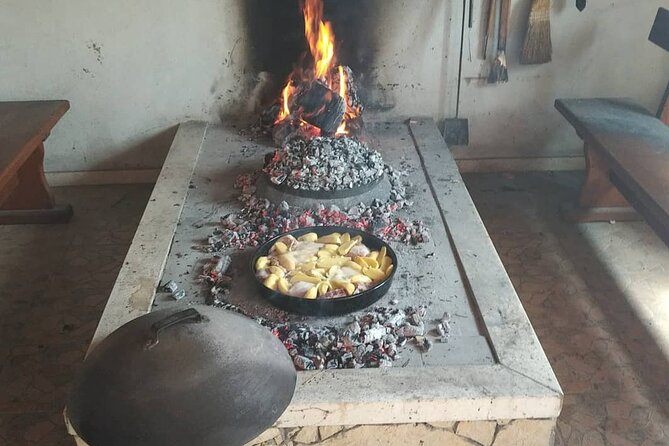
This isn’t a lecture. It’s a home-and-fire cooking experience. You’ll see the peka method in action: the dome comes down over the cooking setup, the heat comes from a fire underneath, and the dish cooks while you’re actively part of the process.
In the experience, Florio is the key person. He’s not just the guide; he’s presenting, doing, and explaining. Reviews emphasize that he makes a lot of things himself, and that the atmosphere is personal—no heavy performance, no acting. His wife assists as part of the kitchen rhythm, so you’re seeing how the household handles food when guests arrive.
While the meat and vegetables cook, you’re not stuck waiting in silence. You’ll have homemade bread, cheese, and olive oil served during the cooking time. That matters because the best peka evenings (and lunches) often feel like a slow build: you snack while the fire does its work, then you sit down for the final dish.
You’ll also get plenty of context beyond the dome. The teaching includes what grows locally, what’s made locally, and how Croatians think about food and daily life. It’s one reason people call this an out-of-the-way experience rather than another stop on a buffet circuit.
Lunch Under the Dome: What Comes Out of the Peka
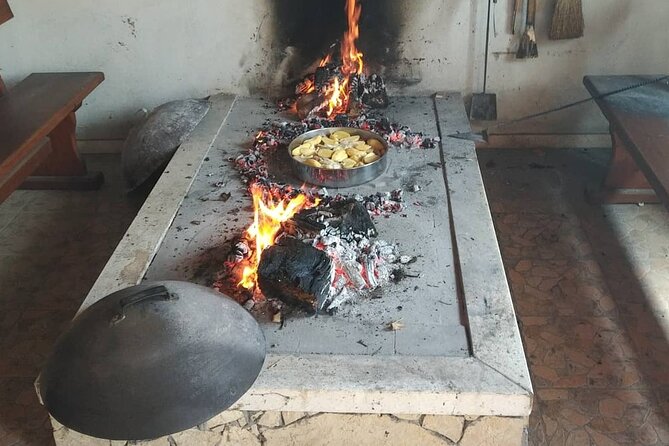
When the peka is ready, you eat the finished dish—typically a hearty meat-and-vegetable combination built around potatoes. This is not a light lunch. It’s built to feed you the way village food does: warming, filling, and deeply flavored from the controlled cooking environment under the dome.
The experience includes lunch during the seasonal dates listed, and it also includes homemade wine. Wine is part of the peka story, since the dish is commonly enjoyed with a local red like miljas wine. You’ll likely see and taste that pairing logic in how the meal is served.
One extra detail worth knowing: reviews mention additional spirits like grappa being offered, and in at least one case a take-home bottle was included as a nice gesture. That’s not listed as a standard inclusion in the core description, so treat it as a possible bonus rather than a guarantee—but it shows the host’s style: welcoming, not stingy.
If you’re vegetarian, there’s good news here. A vegetarian option is available, and you’re asked to advise at the time of booking. For most peka lovers, the dome cooking method is all about meat drippings and concentrated flavors, so the vegetarian version is likely designed to recreate that satisfying, slow-cooked payoff with vegetables and plant-based substitutes. Still, it’s smart to mention any preferences clearly so the kitchen can plan.
Price and Logistics: Is $162.47 Worth It?
At $162.47 per person, this isn’t a budget meal. It’s priced for a small-group, hands-on, hosted experience in a specific place—OPG Vukojević in Mokošica—and for the time it takes to cook peka properly.
Here’s what makes it feel like good value even at that price:
You get a real cooking lesson built around a specific technique, plus lunch during the listed season, plus homemade wine. That combination is doing more than one thing. It’s not just food; it’s instruction, hospitality, and a setting that you can’t easily recreate on your own.
Also, the group limit matters. With a maximum of 8 people, you’re less likely to feel like a number. And because it’s private for your group, you’re more likely to get individual explanations from Florio instead of watching a process from the back of a crowd.
The biggest cost-related drawback is also simple: if you mostly want a casual meal and don’t care about learning the peka method, you might find the price steep. And if your transportation needs are complex, you’ll want to confirm how pickup and drop-off works for your exact address.
Getting There, Getting Oriented: Narrow Roads and War Stories
This experience has a “drive into the real area” feel. Along the route near Dubrovnik, you may pass bunkers left over from the war, and the driver can share stories from that period. That turns the transfer into part of the experience rather than empty time.
Reviews also mention narrow roads, and in one case Florio helped by stepping in to drive a guest’s car through tight turns. That’s not guaranteed for every situation, but it’s a good sign that the host team knows the area and can respond if something goes sideways.
If you’re sensitive to busy roads or steep stretches, consider planning your day with a calmer mindset. This isn’t a flat city walk. It’s a hillside village visit, and the road trip is part of the charm.
Who This Peka Lesson Is For (and Who Might Prefer Something Else)
If you’re a foodie who likes your meals with a backstory, you’ll probably love this. The peka cooking technique is genuinely worth learning because it’s different from everyday roasting or stovetop cooking. And if you enjoy meeting hosts who talk food and life—straight from their own routine—Florio’s style is a big part of why this experience lands well.
It also suits couples and small groups because the format is private and intimate. You’ll be in a group of up to 8, and the minimum booking is 2, which keeps the vibe social without turning it into a crowd event.
This may be less ideal if you want a formal, multi-station cooking school with lots of technique stations and a structured classroom format. Based on what’s described, the peka lesson is set in a home environment with demonstration elements and hands-on participation built around the dome cooking. You’ll get skill and context, but the setting is personal rather than polished.
And if you have strict dietary needs beyond vegetarian (allergies, kosher/halal restrictions, etc.), you should ask directly when booking. Vegetarian is listed, but detailed dietary handling isn’t specified.
Should You Book This Peka Cooking Lesson?
I think you should book this if peka is on your Croatia food list and you want more than dinner. The value isn’t only the meal; it’s learning the dome method, eating while you wait for the fire-cooked finish, and spending time with Florio’s home hospitality in Mokošica.
Pass if you’re hunting for the cheapest cooking class or you mainly want a quick tasting without learning how the technique works. At $162.47, you’re paying for an authentic setting and a small-group experience, so it’s best when food craft and local culture matter to you.
If you do book, send a note about vegetarian needs early, and double-check how pickup/drop-off is handled for your lodging. With those two steps covered, this is the kind of Dubrovnik-area day that turns into a story you’ll tell later: a bell dome over coals, bread and cheese while it cooks, and lunch that tastes like it came from someone’s real kitchen.
FAQ
FAQ
Where does the peka cooking lesson take place?
It takes place in the village of Mokošica, at OPG Vukojević.
How long is the experience?
It runs for about 4 hours (approx.).
What time does the cooking class start?
The cooking class starts at 9:30 am, and this is tied to lunch timing during the season listed (01.04.2026 to 30.10.2026).
Is lunch included?
Yes. Lunch is included during the season listed.
What’s included besides lunch?
The experience includes homemade wine.
Is there a vegetarian option?
Yes. A vegetarian option is available, and you should advise the provider at booking.
Is there pickup and drop-off?
The program is described as starting with pickup from your hotel or private apartment and ending back at the meeting point, but private transportation/transfer is listed as not included, so it’s smart to confirm the details for your stay.
What group size is this for?
It’s private for your group, with a maximum of 8 people per booking and a minimum of 2 people.
Is the tour offered in English?
Yes, it’s offered in English.